



Cast Brass Wall Hooks
These cast brass wall hooks are sturdy domestic fixtures that bring genuine period character to an entryway.
Cast Brass Wall Hooks
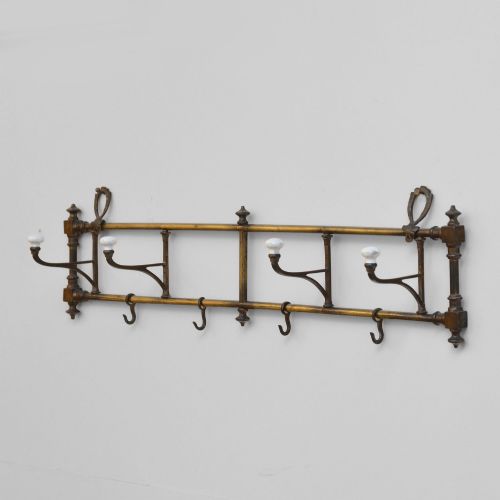
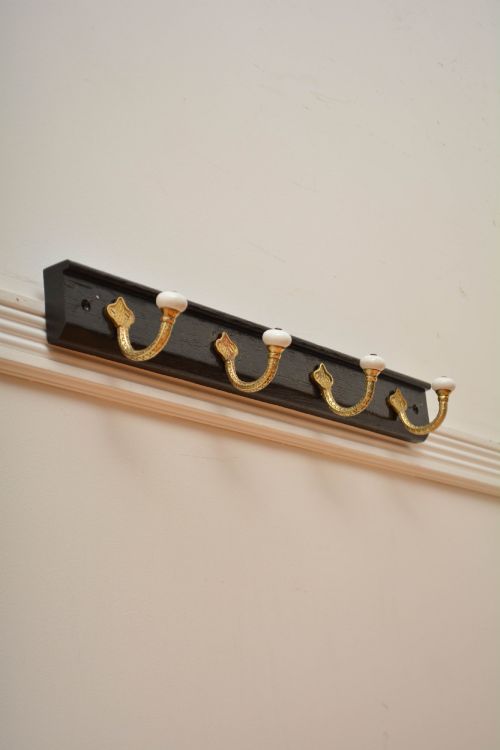
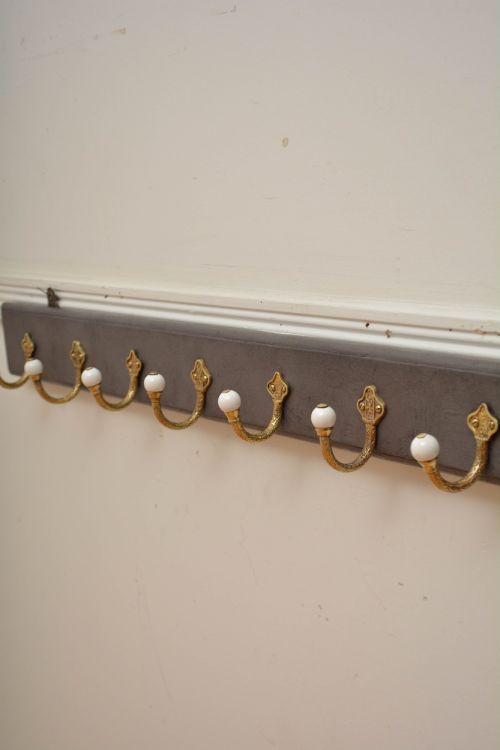
When you search for cast brass wall hooks, you are looking at utilitarian hardware built to hold hats, coats and garments in domestic spaces. The listings here range from single Victorian brass hooks to mounted rows on wooden pattresses and related items like curtain tie backs.
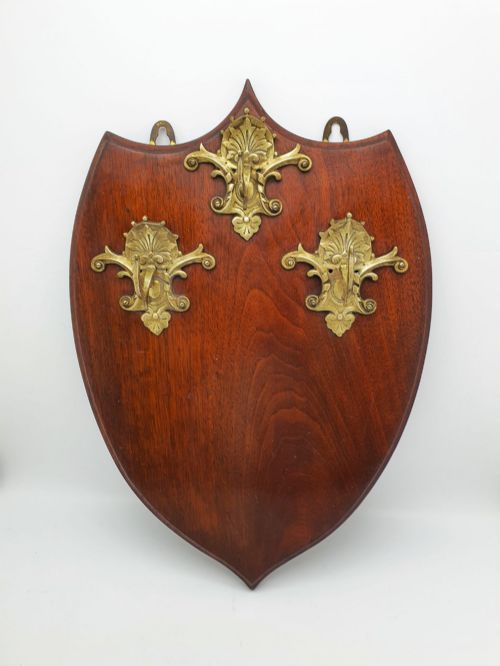
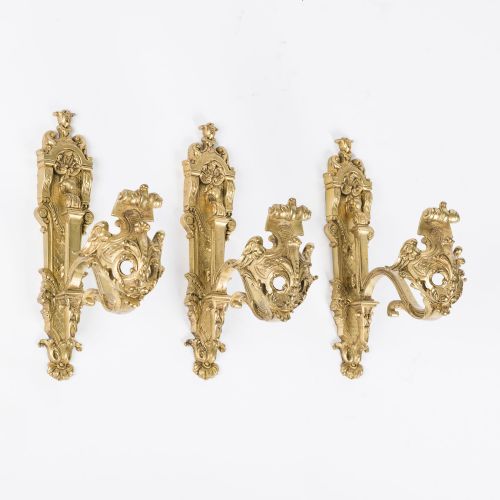
You are most likely to meet Victorian and turn-of-the-century examples on this page, often paired with ceramic components or mounted on ebonised oak, mahogany and other woods. The selection includes English pieces alongside French bronze and ormolu designs spanning several revival styles.
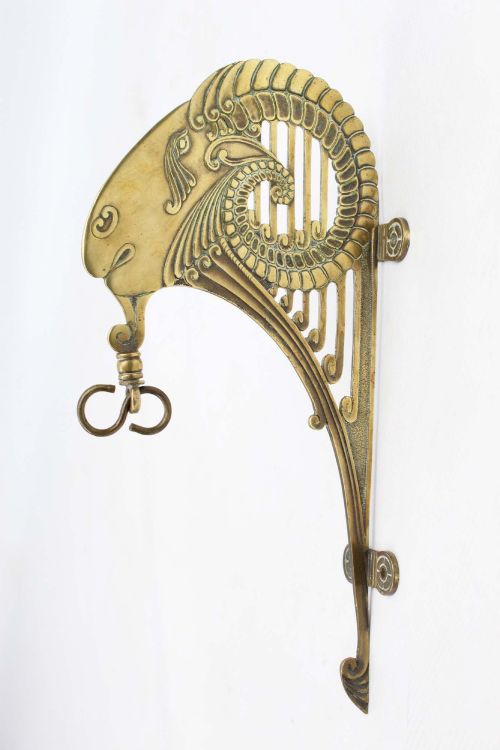
These fixtures served practical purposes in hallways and boot rooms, yet many incorporate decorative flourishes such as equestrian horse heads or ornate French Rococo and Art Nouveau styling. They combine robust metal casting with functional design intended for everyday domestic use.
How they were made
The primary material is cast brass, alongside bronze, gilt brass and ormolu, shaped in foundry moulds to create rigid forms with integrated mounting plates. Many examples incorporate ceramic elements or are screwed directly onto backing boards of solid oak and mahogany.
Makers utilised casting techniques to achieve both simple utility hooks and heavily ornamented mounting plates featuring French Empire and Rococo revival motifs. Woods like ebonised oak provide a dark, contrasting background that highlights the polished or patinated metalwork.
Cast Brass Wall Hooks Retail Price Guide 2026
Typical asking prices for cast brass wall hooks among the pieces listed under this phrase on Sellingantiques today, from the lower quarter to the upper quarter. They describe what is for sale here now, not the wider market.
What varies in quality
Quality in these pieces rests upon the crispness of the casting and the depth of the detail in the metalwork, separating mass-produced hardware from finer artisanal output. Superior examples display sharply defined relief patterns on the mounting plates and hooks rather than softened edges.
The choice of accompanying materials also marks the tier of the piece, with solid timbers like mahogany or ebonised oak and integrated ceramic elements indicating a higher standard of manufacture. The overall heft and structural integrity of the metal components demonstrate the original maker's investment in materials.
The Cast Brass Wall Hooks Glossary
- Cast Brass
- Metalwork formed by pouring molten copper and zinc alloy into a mould to create rigid hardware. This technique allows for repeatable production of sturdy coat hooks and decorative plates.
- Ormolu
- Gilded bronze produced by applying a mercury and gold amalgam to a bronze base and heating it. This finish gives French curtain tie backs and wall fixtures a warm, durable golden lustre.
- Ebonised Oak
- Timber treated with a chemical stain or pigment to imitate ebony. It provides a deep black background commonly used on Victorian boards to mount contrasting brass hooks.
- Pattress
- A flat wooden backing board or plate used to mount hardware securely to a wall. In these listings, they often hold multiple hooks in a neat, orderly row.
Cast Brass Wall Hooks: Frequently Asked Questions
How do I mount old brass hooks safely?
Most antique wall fixtures require sturdy wall anchors or direct fixing into wooden studs to bear the weight of heavy coats.
Ensure the screws match the original apertures to avoid damaging the cast metal mounting plates.
Can I use these hooks in a bathroom?
Brass and bronze handle moisture well, making them suitable for hanging towels or robes in damp environments.
Take care with pieces that feature wooden backing boards or iron screws, as constant humidity can warp timber and cause rust.
How do I clean cast brass hardware?
A gentle wipe with a soft cloth removes dust and preserves the aged patina that collectors prefer.
Avoid harsh chemical polishes that strip away the historical surface character built up over the decades.
What is the difference between brass and bronze?
Brass is primarily an alloy of copper and zinc, yielding a brighter yellow tone commonly seen in Victorian utility pieces.
Bronze contains copper and tin, producing a denser metal with a deeper reddish-brown hue favoured in French decorative casting.