

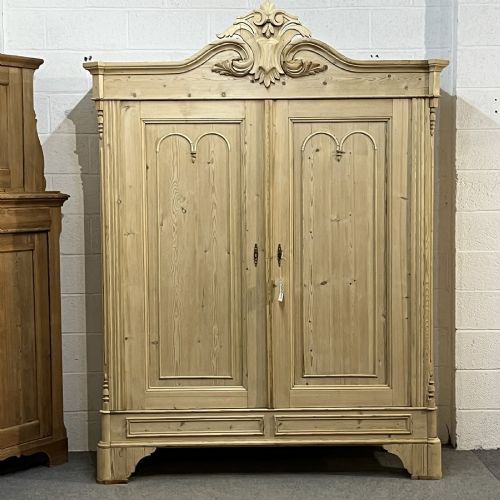
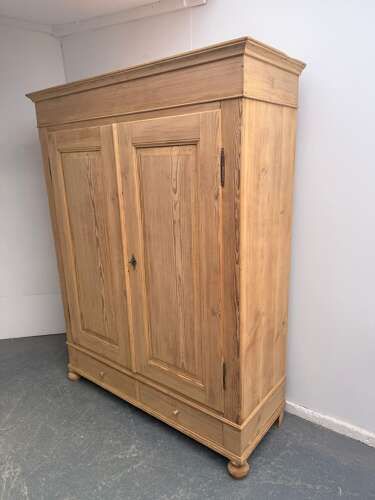
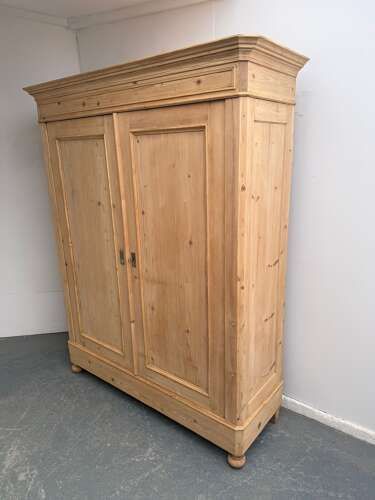
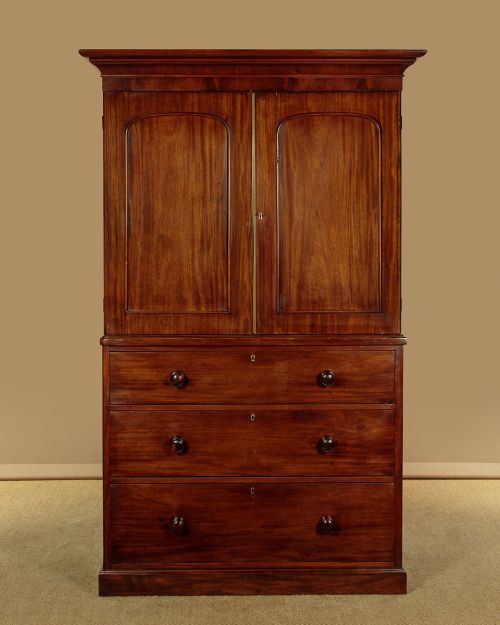
Vintage Clothing Storage
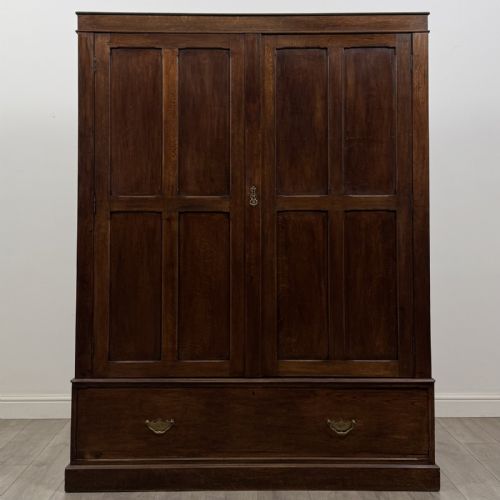
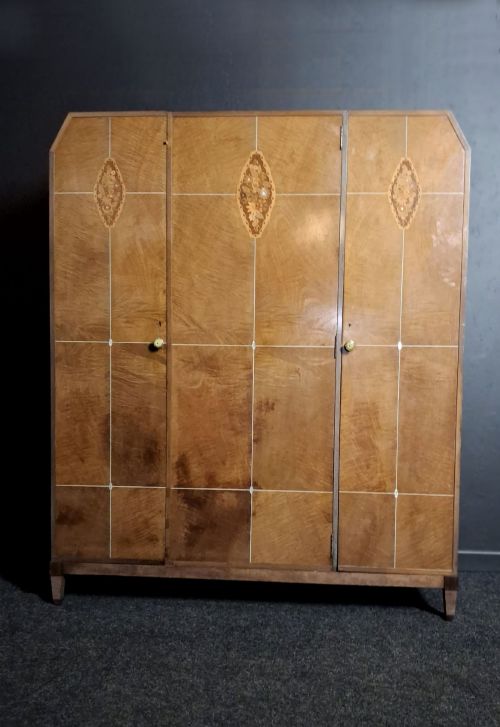
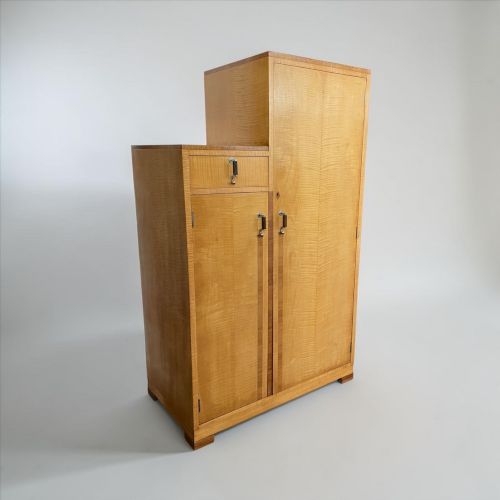
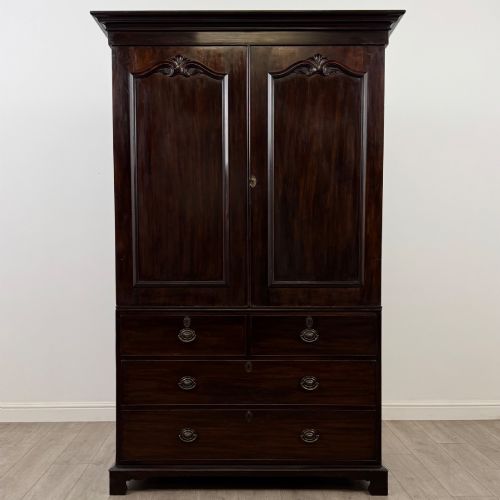
Vintage clothing storage brings together centuries of timber cabinetry, from Georgian linen presses to Art Deco wardrobes designed to hold your garments with proper grace.
Vintage Clothing Storage
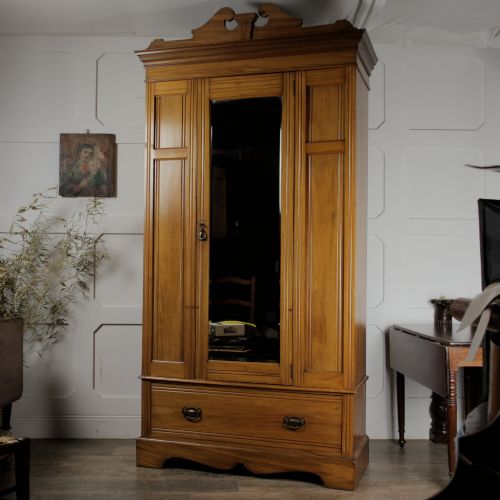
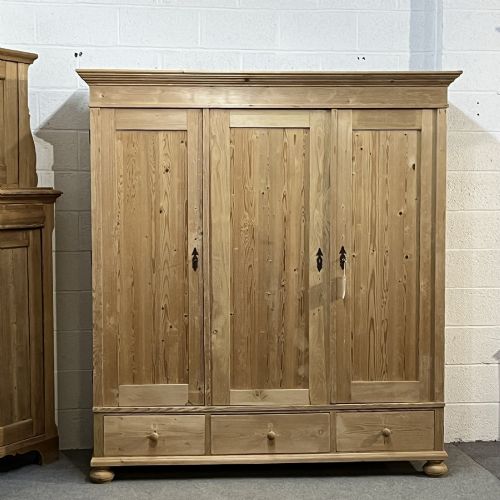
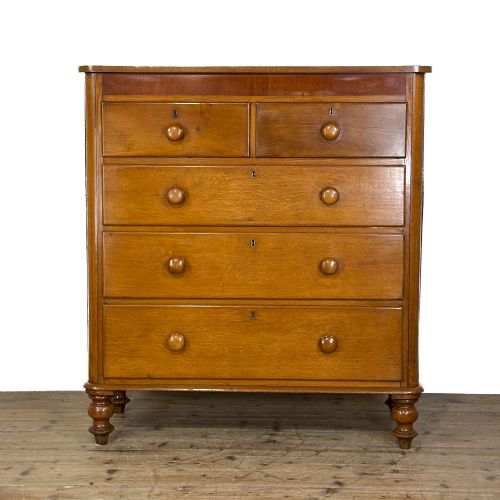
When searching for vintage clothing storage, buyers encounter substantial wooden furniture built for hanging, folding, and sorting garments before modern fitted closets existed. The selections span major historical periods including Georgian, Victorian, Edwardian, and Art Deco eras.
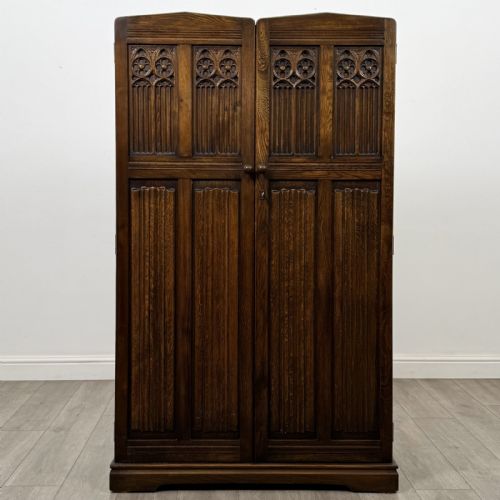
The objects take several distinct architectural forms, most commonly wardrobes, linen presses, chests of drawers, and armoires. Mahogany, oak, and burr walnut dominate the structural choices across these traditional bedroom pieces.
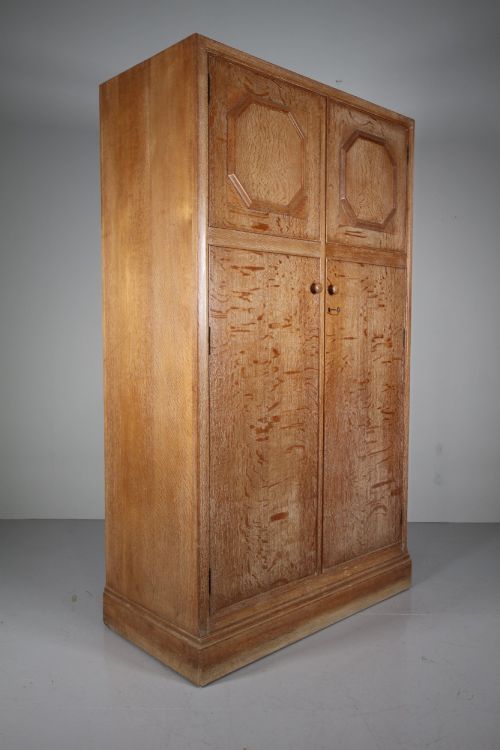
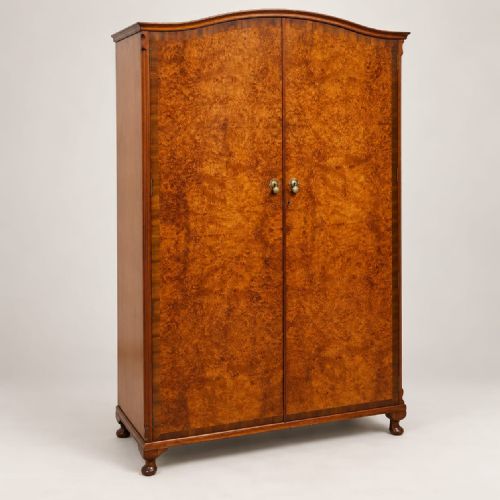
Buyers frequently meet nineteenth-century mahogany linen presses and 1920s burr walnut wardrobes equipped with fitted interior drawers or hanging rails. These items serve the dual purpose of practical clothing management and period interior decoration.
Construction and materials
Cabinet makers relied heavily on solid hardwoods and figured veneers, utilising mahogany, oak, walnut, and pine for carcass construction. Flame mahogany veneer and burr walnut added decorative surface movement to drawer fronts and door panels.
Joinery methods involved traditional techniques such as dovetailing for drawer boxes and frame-and-panel construction for large wardrobe doors. Brass handles, escutcheons, and hinges provided durable metal hardware that complemented the rich timber grains.
Vintage Clothing Storage Retail Price Guide 2026
Typical asking prices for vintage clothing storage among the pieces listed under this phrase on Sellingantiques today, from the lower quarter to the upper quarter. They describe what is for sale here now, not the wider market.
Listings span eight distinct periods, led by Victorian and Georgian eras alongside 1920s walnut cabinets.
Qualities that distinguish the pieces
Depth of timber selection and complexity of grain patterning define the upper tier of cabinetry. Pieces featuring matched flame mahogany veneers or carefully chosen burr walnut display superior surface visual interest compared to plain timber equivalents.
Structural integrity and internal configuration also differentiate the range. Wardrobes and linen presses offering thoughtful fitted interiors, sliding linen trays, and clean internal drawer arrangements show higher levels of original craftsmanship.
Heals Of London·Crown Furniture
The Vintage Clothing Storage Glossary
- Linen press
- A tall piece of furniture featuring sliding trays or shelves in the upper section for storing textiles, positioned above a chest of drawers at the base.
- Armoire
- A large wardrobe or cupboard, traditionally of continental European origin, utilised for hanging garments and storing apparel.
- Blind fretwork
- Carved geometric or interlaced ornamentation applied to a flat wooden surface without cutting completely through the timber.
- Linenfold
- A style of wood carving that imitates folded fabric, frequently seen on panelled cabinet doors from the Edwardian period and earlier.
- Bowfront
- A convex curved cabinet front that projects outward in a smooth arc, commonly found on chests of drawers.
Vintage Clothing Storage: Frequently Asked Questions
What is a linen press?
A linen press is a traditional storage cabinet that combines sliding shelves or trays in the upper section with traditional drawers below. Originally designed for flat linens, they adapt well for folded modern garments.
Buyers often select them to gain deep shelving space alongside enclosed hanging or drawer storage in traditional bedrooms.
How do I fit modern clothes inside?
Many vintage wardrobes and linen presses require internal adaptations or utilise existing timber hanging rails built for historical garment lengths. Freestanding interior fittings can sometimes be introduced without altering the antique structure.
Measuring garment lengths and shoulder widths against internal cabinet dimensions ensures proper daily use.
How do I distinguish Georgian from Victorian pieces?
Georgian furniture generally displays restrained classical proportions, clean architectural cornices, and solid mahogany or oak timbers without excessive surface ornamentation. Victorian pieces often introduce bolder mouldings, burr veneers, and heavier brass hardware.
Examining internal construction details and secondary woods provides further clues regarding manufacture dates.