


Vintage Clothes Storage
Vintage clothes storage solves bedroom clutter through generous timber wardrobes, linen presses, and chests of drawers spanning multiple historic periods.
Vintage Clothes Storage
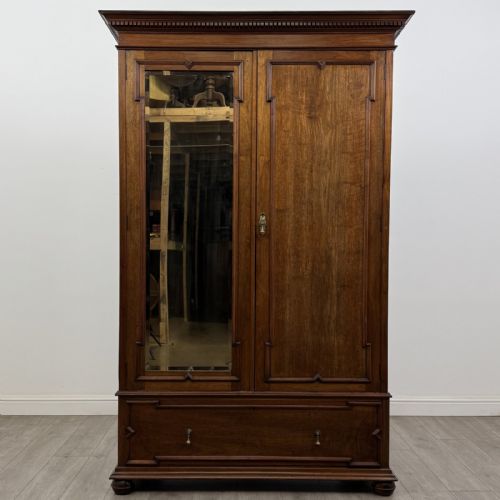
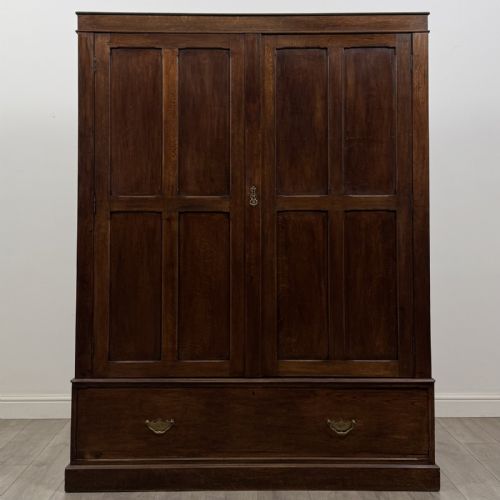
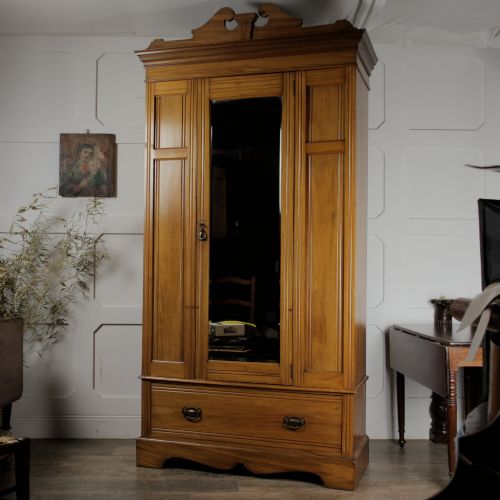
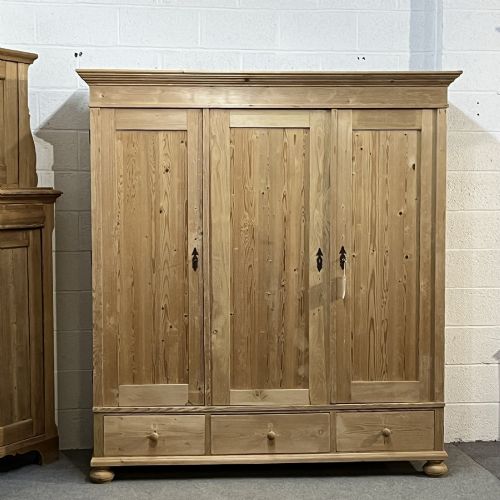
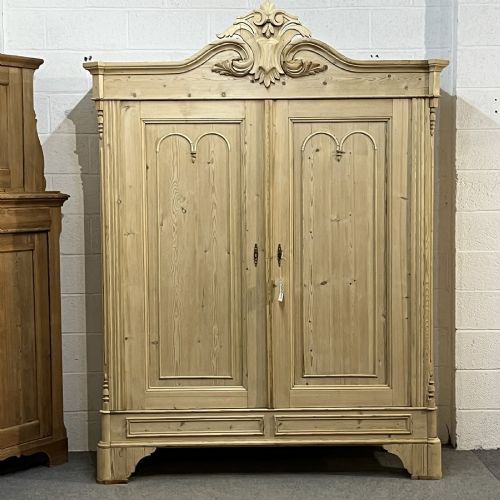
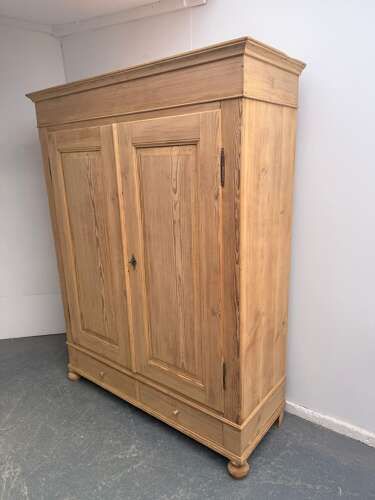
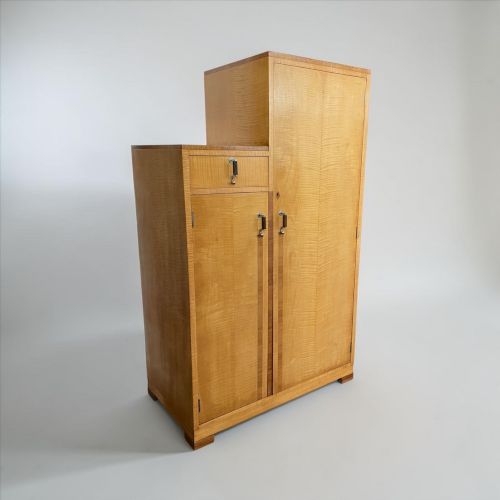
Vintage clothes storage centres on substantial timber furniture designed to hold garments and linens across generations. Pieces range from tall wardrobes and armoires to linen presses and chests of drawers.
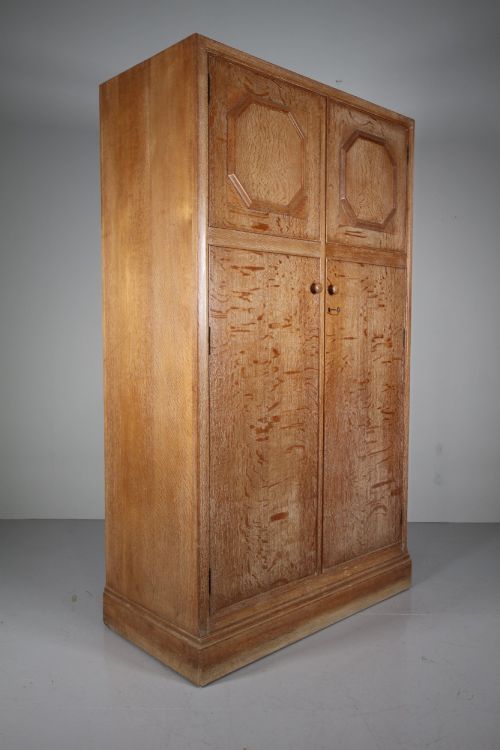
The selection includes substantial oak, mahogany, and walnut pieces originating from Georgian, Victorian, Edwardian, and Art Deco periods. Buyers frequently encounter fitted wardrobes, double door cupboards, and regional country house presses.
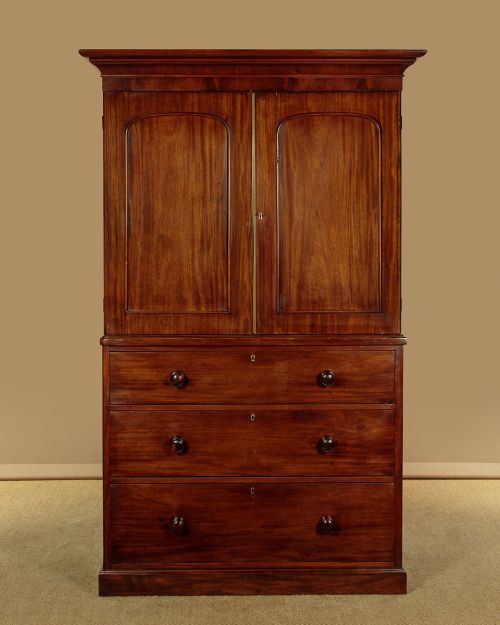
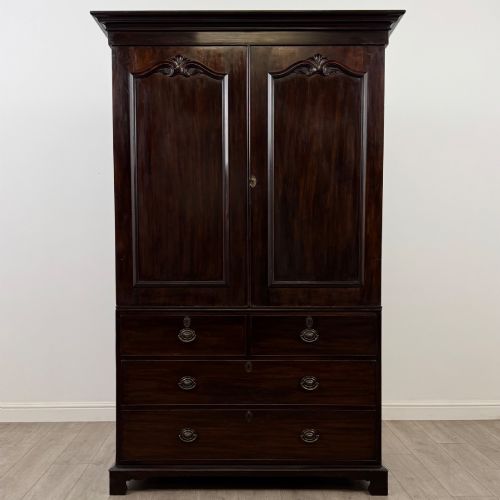
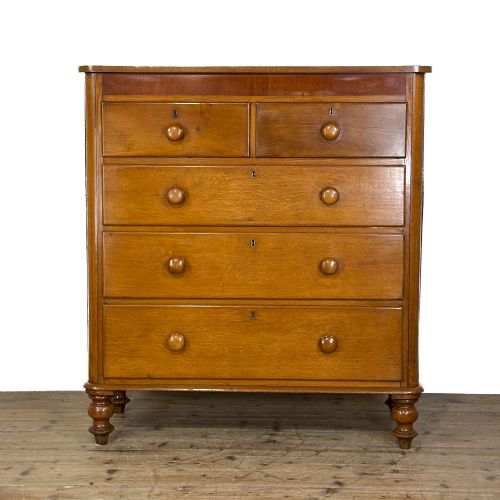
Tall hanging wardrobes and linen presses dominate the forms, offering deep interior space for modern garments alongside traditional shelving. Chests of drawers provide alternative horizontal storage in matching timbers.
Materials and Construction
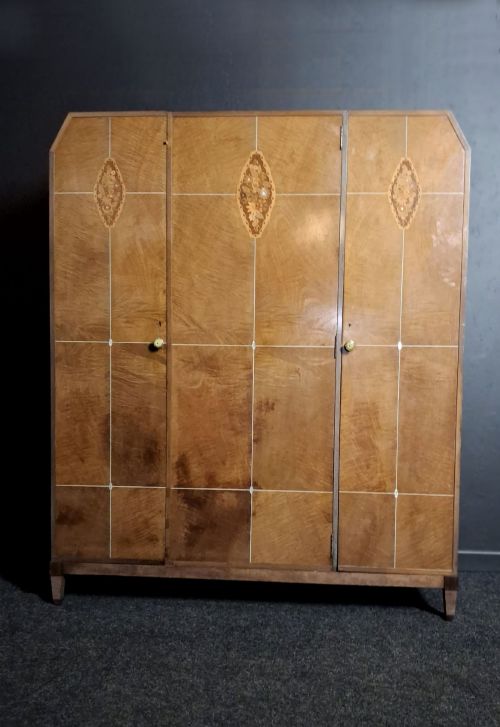
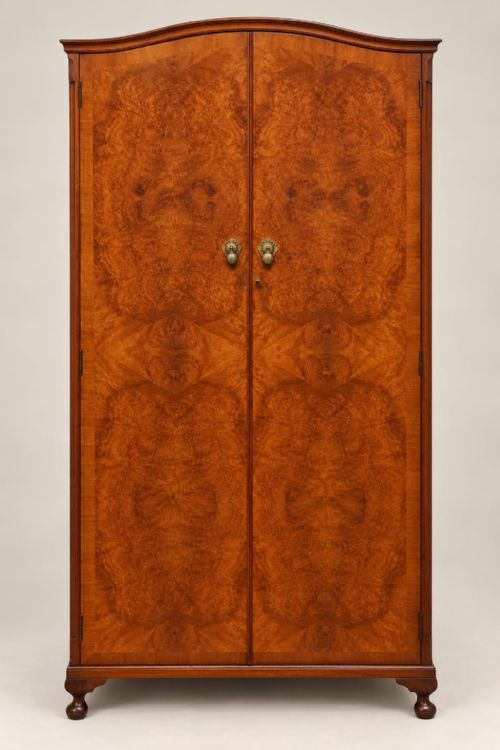
Cabinet makers utilised solid hardwoods and choice veneers, selecting mahogany, oak, walnut, and pine for structural integrity. Burr walnut and flame mahogany veneers appear on panelled doors and drawer fronts to create rich grain patterns.
Brass hardware, iron fittings, and hand-cut dovetail joints secure the heavy timber carcases. Many larger wardrobes utilise knockdown or flat pack construction to allow movement between rooms.
Vintage Clothes Storage Retail Price Guide 2026
Typical asking prices for vintage clothes storage among the pieces listed under this phrase on Sellingantiques today, from the lower quarter to the upper quarter. They describe what is for sale here now, not the wider market.
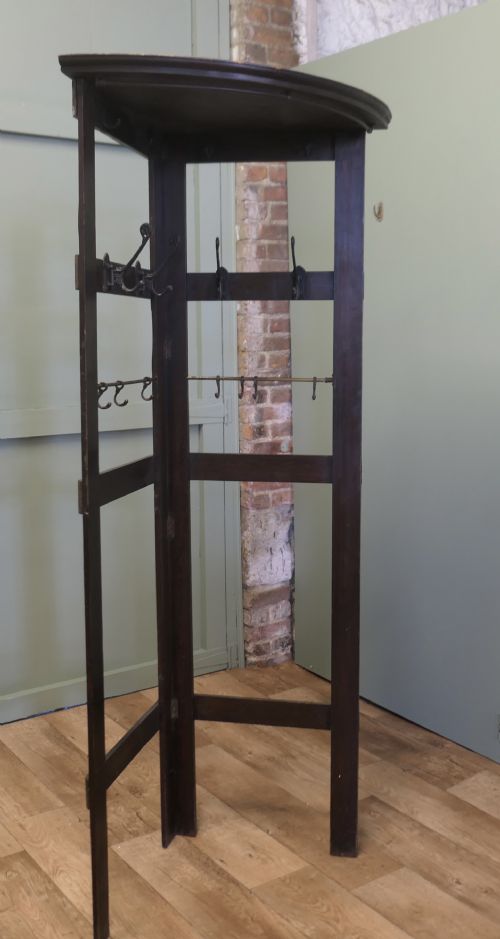
Portable folding sports wardrobes and clothes changing racks demonstrate that Edwardian golfers and sportsmen required mobile closets.
Grading the Build
Quality rests upon the selection of timber figures and the precision of the cabinet work. Matched flame mahogany and burr walnut veneers demonstrate superior workshop standards compared to plain utility timbers.
Internal fittings dictate utility, with custom shelving, hanging rails, and graduated drawer arrangements separating standard cupboards from bespoke fitted furniture. Intricate carvings, blind fretwork cornices, and satinwood inlay elevate the stature of individual pieces.
Heals Of London·Crown Furniture
The Vintage Clothes Storage Glossary
- Linen Press
- A tall storage cabinet combining upper sliding shelves or hanging space with lower pull-out drawers for folded textiles. These pieces evolved from storage chests into dedicated bedroom furniture.
- Wardrobe
- A large upright cupboard equipped for hanging garments and storing apparel. Early examples often featured central hanging space flanked by linen drawers.
- Flame Mahogany
- Timber cut at an angle to the tree growth rings to produce a flickering, flame-like grain pattern. Cabinet makers reserved this veneer for principal doors and drawer facades.
- Burr Walnut
- Wood harvested from walnut tree growths that display intricate, swirling knot patterns. This decorative veneer provided high-status cabinets with rich surface texture.
- Blind Fretwork
- Carved geometric or interlaced wooden ornamentation applied to flat cornices without piercing the background. This decorative technique appears on superior Georgian and 19th-century pieces.
Vintage Clothes Storage: Frequently Asked Questions
How do I fit modern clothes inside antique wardrobes?
Many vintage wardrobes feature deep hanging compartments and adjustable shelves that accommodate contemporary coat hangers and folded garments with ease.
Buyers should measure the internal depth before purchase, as older pieces occasionally require slimline hangers or fitted rails to suit modern apparel.
Can large wardrobes be disassembled for moving?
Numerous large Victorian and Edwardian wardrobes utilise knockdown construction or peg joints specifically designed for transport between rooms.
Sellers often list flat pack or sectional designs, allowing owners to dismantle heavy timber carcases safely during house moves.
What is the difference between a wardrobe and a linen press?
A wardrobe is dedicated primarily to hanging garments with vertical clearance, whereas a linen press pairs upper shelving with lower chest drawers.
Linen presses originally served to store household textiles flat, though many are adapted today for mixed wardrobe storage.
How do I identify a Georgian piece from a Victorian one?
Georgian furniture displays simpler architectural proportions and premium timbers like solid mahogany, often featuring bracket feet and clean cornices.
Victorian and Edwardian items frequently incorporate richer carved details, panelled doors, and varied walnut or oak veneers influenced by later revival styles.