




Vintage Clear Glass Vase
A vintage clear glass vase brings crisp light and structured form to a room, drawing the eye through transparency and carved detail.
Vintage Clear Glass Vase
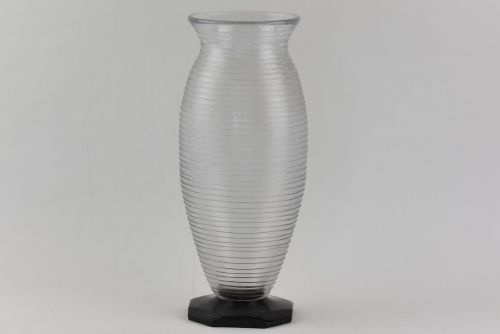
A vintage clear glass vase spans periods from the Victorian era through Art Deco and Mid-Century Modern designs, taking forms from simple cylindrical vessels to large moulded centrepieces. The selection leans heavily towards the early twentieth century, particularly Art Deco pieces featuring geometric etchings or heavy crystal structures.
Buyers encounter everything from tall celery vases and spill vases to substantial handled vessels and signed studio works. These pieces originate from British, French, Belgian, and Bohemian makers, reflecting shifting tastes in decorative glassware across the nineteenth and twentieth centuries.
Materials and Technique
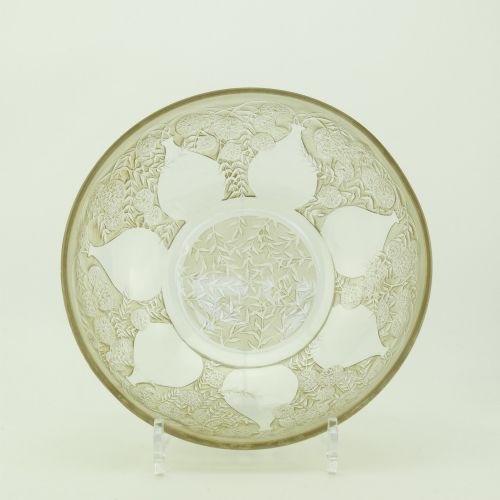
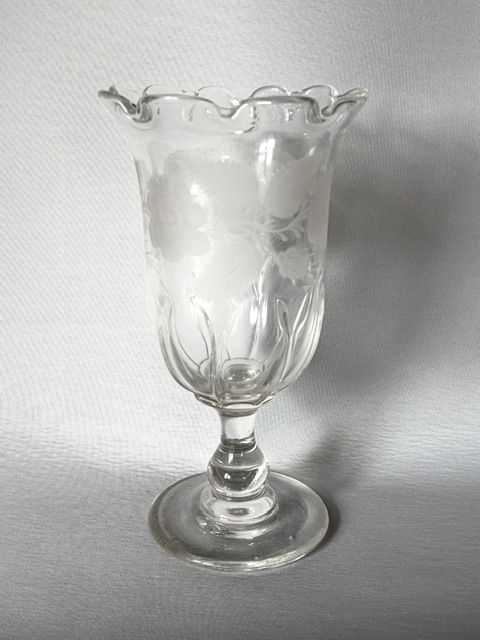
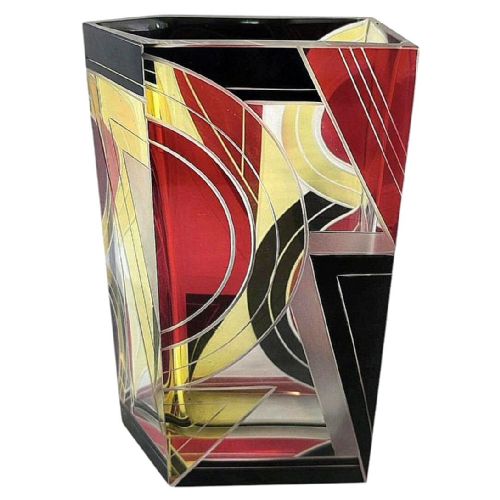
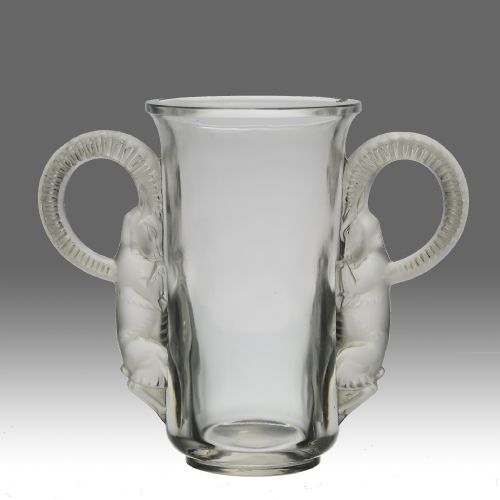
Makers utilised lead crystal, plain clear glass, and frosted glass, often applying wheel engraving, deep acid etching, or surface enamel decoration to create contrast. Heavy pressing and moulding techniques allowed workshops to produce complex three-dimensional motifs, such as rams or floral garlands, directly into the body of the vessel.
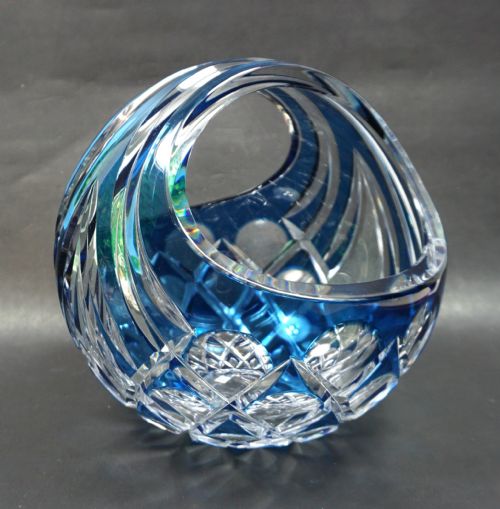
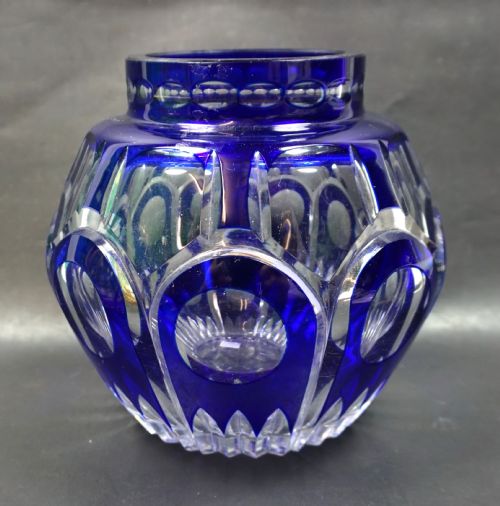
Cut glass pieces rely on precise wheel-cutting to achieve sharp facets that catch ambient light, while blown glass forms depend on the steady hand of the artisan shaping molten material. Overlay techniques appear where coloured glass cased a clear crystal core before being carved away.
Listings span periods from the nineteenth century through the mid-twentieth century, featuring lead crystal, frosted glass, and enamel.
Evaluating Execution
The standard of a piece rests on the crispness of its surface decoration, whether the deep cuts of wheel-engraved crystal or the fine lines of an enamel geometric pattern. Heavier lead crystal naturally possesses greater light refraction and structural presence than lighter soda glass alternatives.
Signatures from established designers or notable glassworks elevate a piece, alongside the precision with which decorative motifs align across moulded surfaces. Purity of the glass matrix and minimal internal bubbles distinguish standard production items from masterworks.
Rene Lalique·Daum·Fulvio Bianconi·Jean Luce·Karl Palda·Keith Murray
The Vintage Clear Glass Vase Glossary
- Lead crystal
- Glass containing a high proportion of lead oxide, which increases weight, clarity, and the capacity to refract light into prismatic colours. This material allows for deeper and sharper wheel-cutting without fracturing.
- Acid etching
- A technique using hydrofluoric acid to eat away exposed portions of glass, creating frosted or textured designs with varying depths. It became a defining method for modernist and Art Deco glass artists.
- Wheel engraving
- A cold-working process where a glass vessel is held against rotating abrasive wheels of various sizes to carve intricate pictorial or geometric scenes into the surface. The depth of the cut depends on the wheel grade.
- Opalescent glass
- A milky, semi-translucent glass type that appears blue when lit from the front and amber or warm tones when lit from behind. It gained immense popularity during the interwar decorative arts movement.
- Celery vase
- A tall, footed vessel originally designed in the Victorian period to display and serve stalks of celery upright on the dining table. They frequently double as generous decorative flower vases today.
Vintage Clear Glass Vase: Frequently Asked Questions
How do I clean an antique glass vase safely?
Wash the glass by hand in warm water using a mild, non-abrasive detergent and line the sink with a soft towel to prevent chipping the rim or base.
Avoid extreme temperature changes that can crack old crystal, and use a soft bottle brush only if the interior requires gentle agitation.
Can I use these vases for fresh flowers?
Most sturdy vintage vessels function well with water and stems, provided the glass is free from internal hairline cracks or delicate enamel work that water might degrade.
Remove metal inserts or silver-plated collars before filling the main chamber to prevent tarnishing or corrosion over time.
How do I distinguish Art Deco from Victorian glass?
Victorian pieces typically favour heavy cut patterns, cranberry or cobalt colours, and naturalistic floral engravings that reflect a penchant for ornate domestic display.
Art Deco items lean into strict symmetry, geometric etching, frosted surfaces, and modernist silhouettes produced around the interwar period.
What indicates a mould-blown versus a wheel-cut piece?
Mould-blown vessels often show consistent repeating patterns, soft seam lines, and uniform wall thickness dictated by the original metal or wooden form.
Wheel-cut items display crisp, sharp edges where abrasive wheels bit into the surface, with slight irregularities revealing the direct touch of the glass cutter.