


Vintage Cider Jug
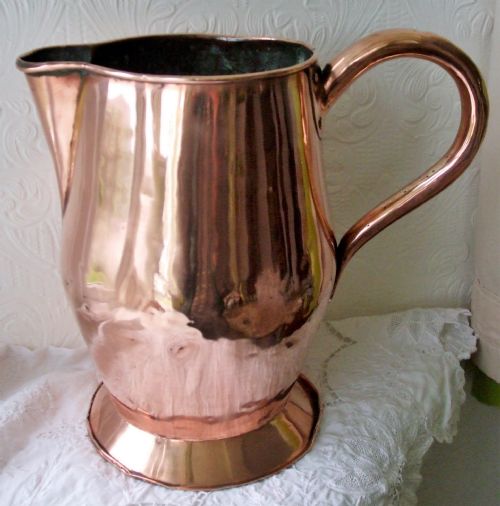
A vintage cider jug brings heft and history to the table, offering a traditional vessel for serving cider or displaying wildflowers.
Vintage Cider Jug
A vintage cider jug encompasses substantial serving vessels designed for holding large quantities of liquor or water, often found in heavy metal or sturdy earthenware. When searching for a vintage cider jug, buyers encounter pieces ranging from early stoneware flagons to generous copper measures and coopered oak vessels.
The selection on this page spans several centuries, drawing heavily from the 18th century, the Georgian era, and the Victorian period. Forms vary from simple tavern jugs and salt-glazed stoneware to elaborate silver-rimmed harvest jugs and heavy brass-bound wooden flagons.
How they were made
Metal vessels rely on heavy copper, brass, and pewter shaped through smithing, often featuring soldered seams and riveted handles. Coopered examples utilise curved oak staves bound tightly with brass bands to hold liquids securely without glue.
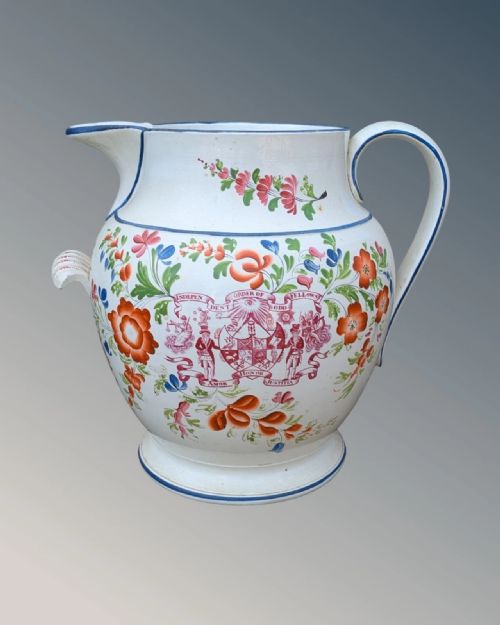
Ceramic pieces utilise stoneware, creamware, and earthenware clays finished with lead glazes or salt glazes. Many feature applied sprigged decoration or incised details fired in kilns to create durable, water-tight bodies.
Periods represented on this page range from the 17th century through the Georgian and Victorian eras to Edwardian times.
What varies in quality
Quality rests in the substantial weight of the metal and the precision of the cooperage or ceramic throwing. Thicker copper walls, cleanly fitted silver rims, and crisp sprigged stoneware details elevate a piece above standard utility items.
Proportion and scale dictate desirability, particularly in graduated sets and large multi-pint flagons. Pieces retaining original patination and clear makers' marks or capacity stamps demonstrate superior provenance and enduring structural integrity.
Doulton Lambeth·Loftus of Oxford Street London·S Hancock
The Vintage Cider Jug Glossary
- Coopered
- Made by a cooper using wooden staves fitted together and bound with metal hoops. This technique is typical for large oak jugs and flagons.
- Harvest jug
- A large ceramic vessel traditionally filled with cider or ale for agricultural workers during the harvest. These often feature salt glazes and applied sprigged ornamentation.
- Flagon
- A large vessel with a handle and sometimes a lid, used for holding drinks such as ale or cider. Many examples include capacity stamps or measure marks.
- Slipware
- Pottery decorated with slip, which is a liquid clay mixture applied before firing. This method creates distinctive contrasting patterns on early tavern jugs.
- Sprigged
- Decorated with small moulded clay reliefs applied to the surface before glazing and firing. This technique adds tactile detail to stoneware jugs.
Vintage Cider Jug: Frequently Asked Questions
How do I clean a copper cider jug?
Copper requires gentle cleaning to preserve the historic patination that collectors value. Warm soapy water and a soft cloth remove surface dust without stripping the natural age.
Avoid harsh abrasive compounds unless you prefer a bright, polished finish. Ensure the interior is thoroughly dried after washing to prevent moisture damage.
Are these jugs waterproof?
Many metal and glazed stoneware jugs remain entirely waterproof and functional for holding liquids. Coopered oak vessels may require wood to swell slightly before holding water perfectly.
Unglazed earthenware or porous historic bodies should be tested cautiously before regular liquid use. Using a hidden inner container protects delicate historic interiors from moisture.
How do I identify a Georgian jug?
Georgian jugs often feature heavy copper construction with touchmarks, capacity stamps, or simple geometric forms. The styling reflects the restraint and functional design of the late eighteenth and early nineteenth centuries.
Matching sets often show graduated sizing designed for specific tavern measures. Examining the construction seams and handle attachments helps confirm the period.