
Vintage Chinoiserie Table
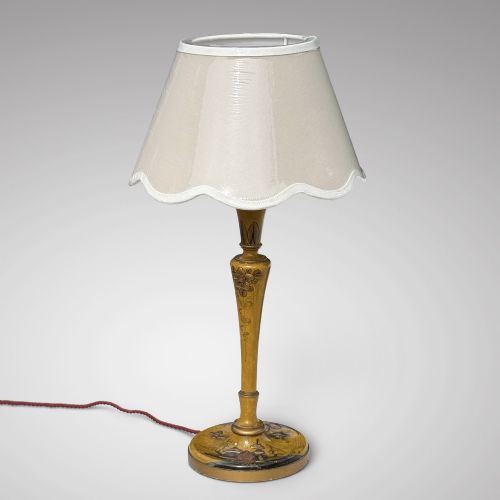
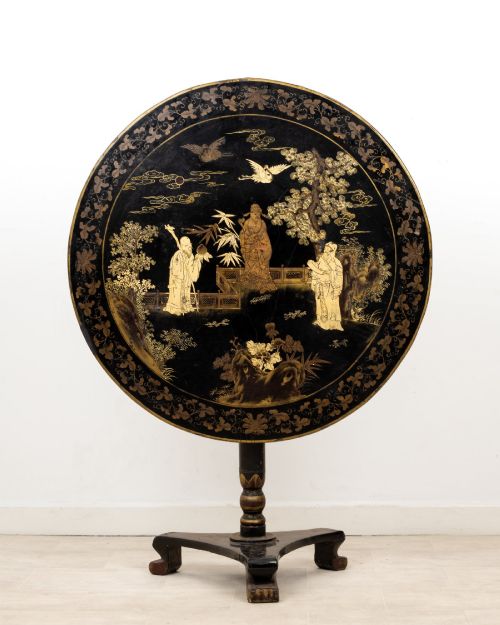
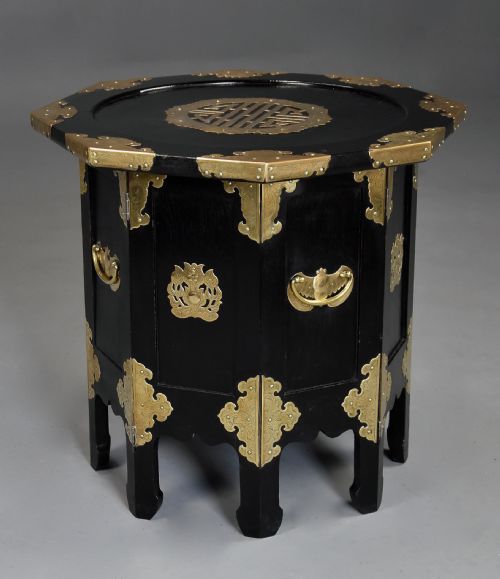
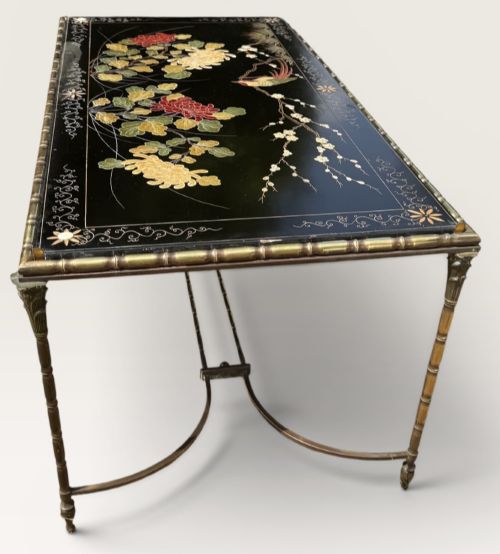
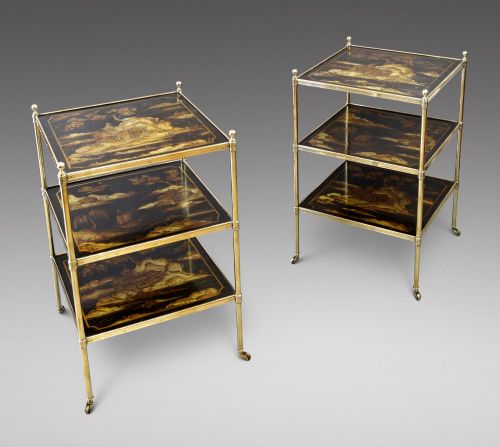
These vintage chinoiserie table pieces bring painted lacquer, gilt, and oriental motifs into a room through occasional tables, coffee tables, and lamps.
Vintage Chinoiserie Table
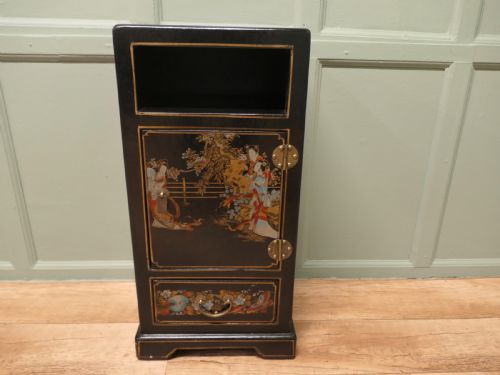
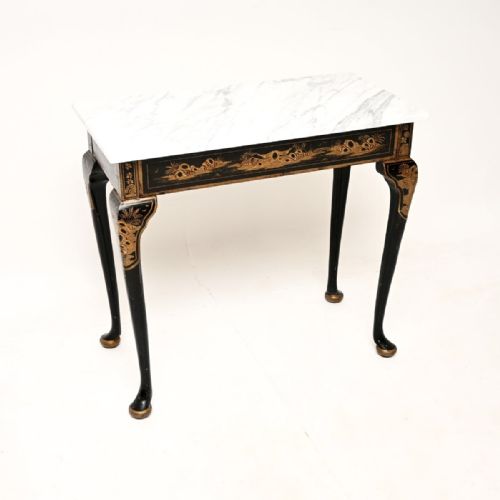
When searching for a vintage chinoiserie table, buyers encounter forms ranging from nests of tables and side tables to coffee tables and dressing tables. The selection spans the 18th century, Victorian era, Edwardian period, and 1920s to 1930s designs.
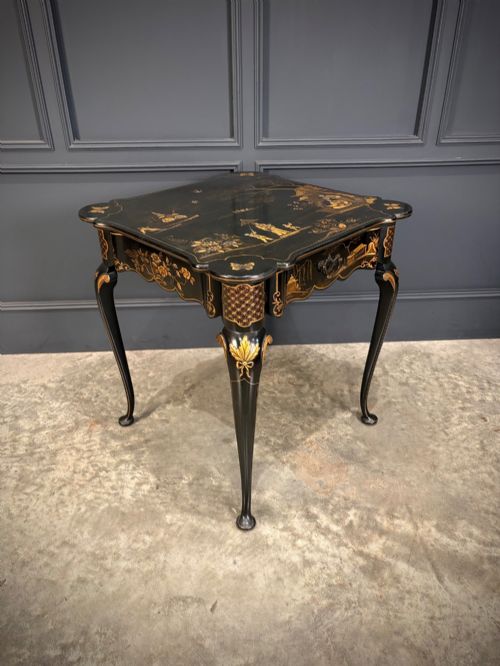
Lacquered wood surfaces dominate the pieces, often accompanied by painted scenes, brass mounts, and occasional marble tops. English japanned versions and French interpretations appear alongside pieces originating from 19th-century Chinese production.
How they were made
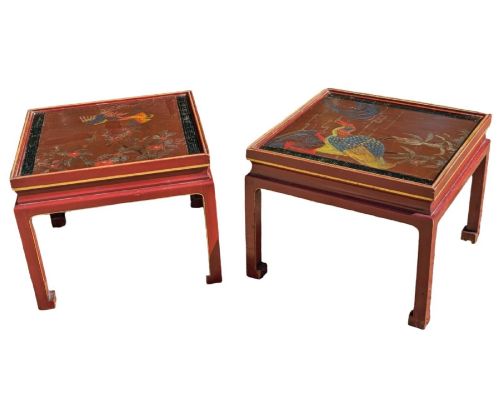
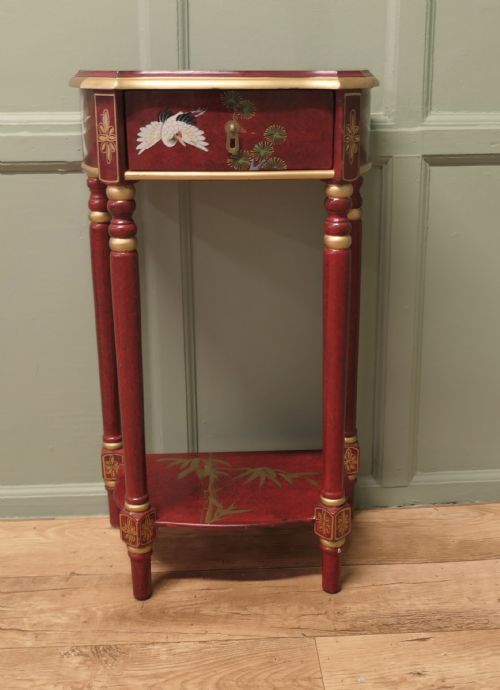
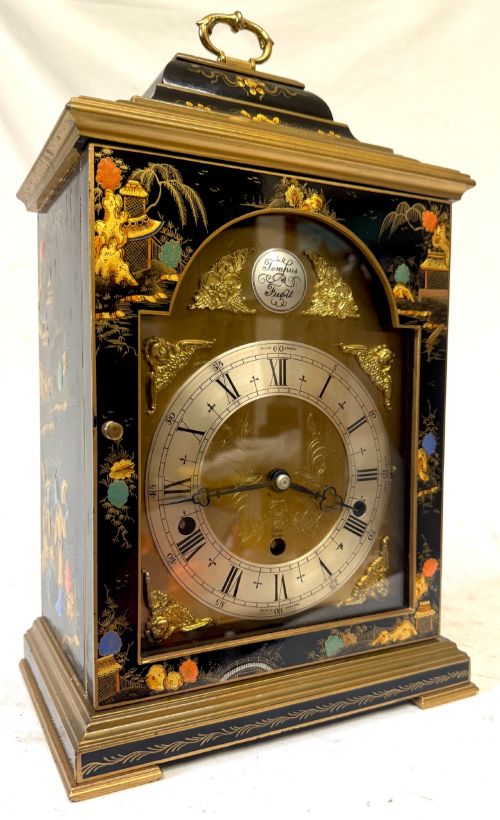
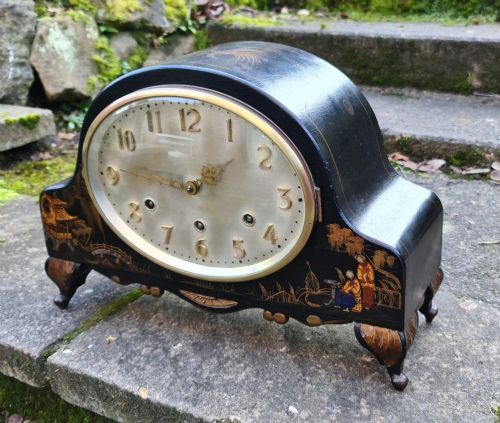
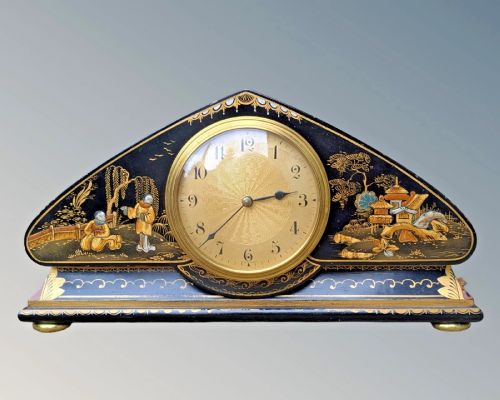
Maker construction relies heavily on wood finished with layers of black, ochre, cream, or white lacquer, decorated with hand-painted scenes depicting figures, birds, and botanical motifs. Brass and ormolu hardware provide structural accents and decorative edging on tables and clock bases.
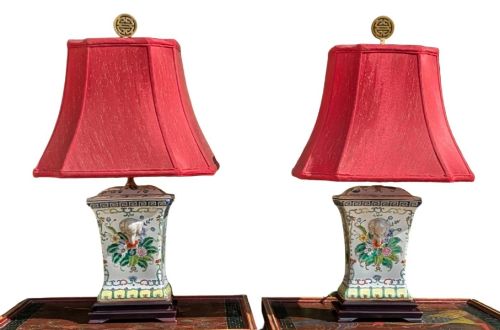
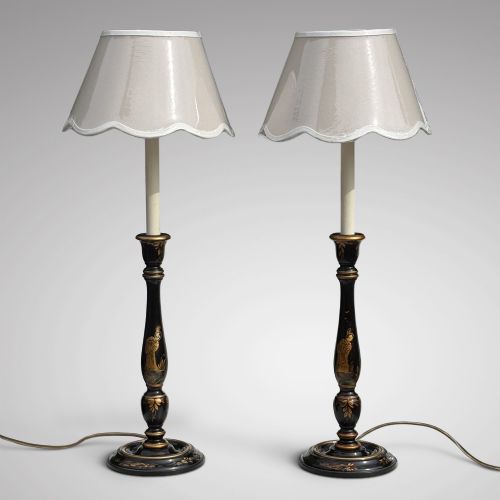
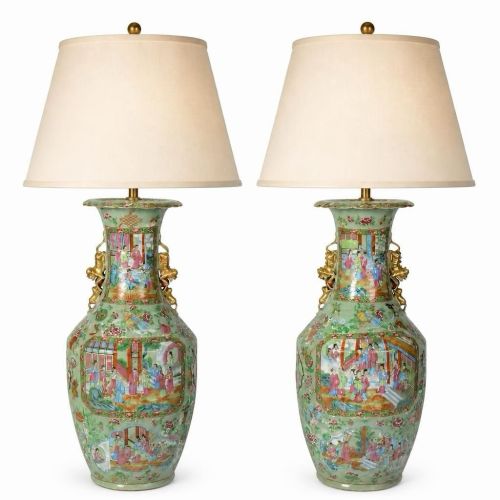
Many lamp adaptations utilise converted porcelain vases, including Dutch Delftware and Rose Medallion ceramics, mounted with electrical fittings alongside bronze, white metal, and cloisonné components.
Several lamps on this page started life as vases, proving that historical ceramics are remarkably adaptable house guests.
What varies in quality
The refinement of the hand-painted decoration separates standard production from superior examples, with intricate detailing in the figures and landscapes commanding greater visual depth. The depth and durability of the layered lacquer finish also indicate the level of craftsmanship involved.
Material selection dictates overall substance, distinguishing solid wood frames and heavy bronze or brass mountings from lighter, simpler constructions.
Elliott London·Maison Bagues·Hicks and Meigh
The Vintage Chinoiserie Table Glossary
- Chinoiserie
- European decorative style reflecting Chinese artistic influences through painted motifs, lacquer, and decorative scenes.
- Japanned
- European technique of simulating East Asian lacquer work using resin varnishes and painted decoration.
- Cloisonné
- Enamelling technique where wires partition areas filled with coloured paste on a metal base.
- Ormolu
- Gilded bronze used for decorative mounts and furniture trim during the 18th and 19th centuries.
Vintage Chinoiserie Table: Frequently Asked Questions
How do I clean a lacquered table?
Dust surfaces gently using a soft, dry cloth without applying water or chemical polishes.
Harsh cleaning agents strip the delicate lacquer finish and damage the painted details beneath.
Are these tables solid wood?
Construction methods vary across different periods, utilising a mix of solid timbers and constructed panels as bases for the lacquer.
Each piece relies on a stable wooden core designed to support the layered decorative finishes.
Can I use a vintage table daily?
Occasional tables and coffee tables suit regular placement in living spaces for holding objects and drinks.
Using protective coasters preserves the painted surface against moisture and heat marks.
How do I date a lacquer table?
Construction techniques, hardware materials, and the style of the painted scenes provide clues to the period of manufacture.
Victorian and Edwardian pieces often display distinct structural joints and lacquer ageing patterns compared to later 20th-century items.