






Vintage Chiming Desk Clock
These vintage chiming desk clock pieces bring mechanical movement and resonant sound to a room, offering both practical timekeeping and historic character.
Vintage Chiming Desk Clock
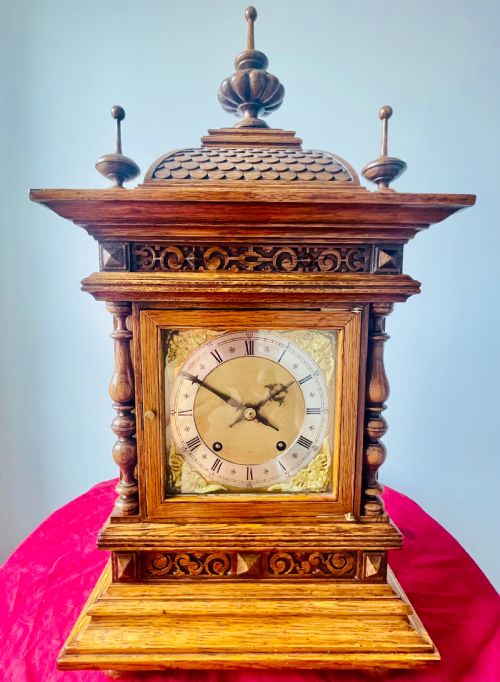
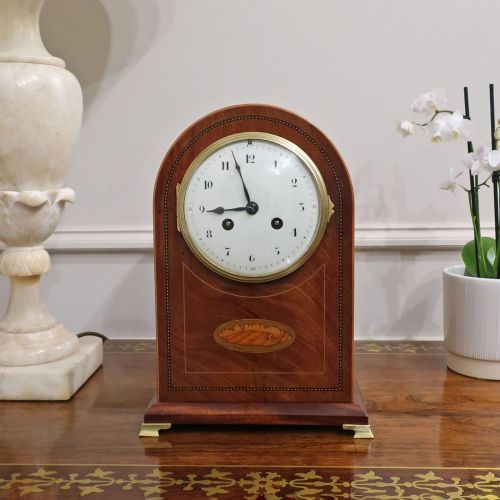
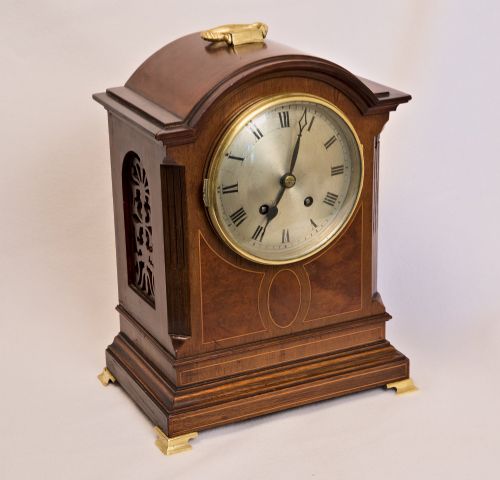
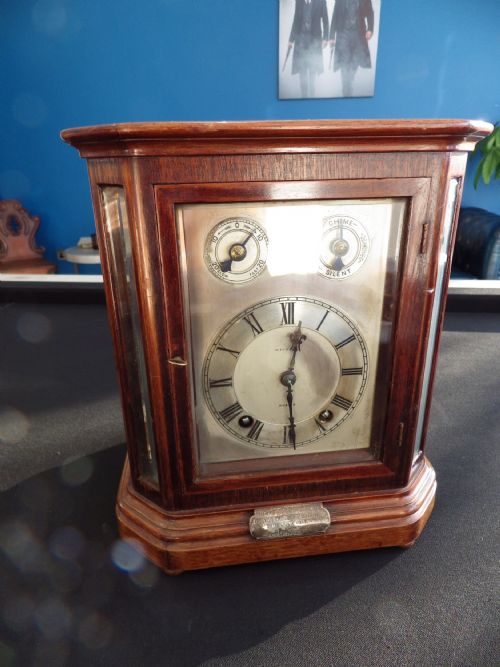
A vintage chiming desk clock is a mechanical timepiece designed for a shelf, table, or mantelpiece that sounds the hour or fractions of the hour. When you search for this phrase, you find pieces originating from the nineteenth and twentieth centuries, spanning periods such as the Victorian era, Edwardian period, Regency, and Art Deco. These items appear in object types including mantel clocks, table clocks, and bracket clocks.
The most common versions encountered on this page are housed in wooden cases such as mahogany, walnut, oak, and satinwood, alongside brass and glass carriage designs. Cases range from simple dome tops and inlaid boxes to architectural styles and architectural forms influenced by French design. Movements vary from standard striking mechanisms to quarterly chiming systems like Westminster and ting-tang variations.
Origins stretch across English workshops, German makers, and French ateliers, reflecting different regional clockmaking traditions. Some pieces display straightforward domestic utility, while others take the form of substantial bracket clocks intended for boardrooms or prominent household positions. The materials and cabinet styles mirror the prevailing tastes of their respective decades.
How they were made
Makers constructed the outer cases using hardwoods like mahogany, walnut, oak, and satinwood, often enhanced with marquetry inlay or brass fittings. Brass and gilt metal formed the structural frames of carriage clocks and internal movement plates, while glass protected delicate dials and visible escapements. Enamel provided a smooth, clean surface for painted numerals on white or cream dial faces.
Mechanical construction relied on brass gear trains, springs, and pendulum or balance wheel escapements to regulate time accurately. Striking and chiming functions incorporated specialised gongs, bells, or rods to produce distinct acoustic signals on the hour and quarter-hour. Fusee movements utilised a conical pulley and chain system to equalize the pull of the mainspring as it unwound, ensuring steady force throughout the power reserve.
Listings feature wooden cases in mahogany, walnut, oak, and satinwood alongside brass carriage clock frames.
What varies in quality
The degree of refinement in the cabinetwork separates standard pieces from finer examples, visible in the choice of figured timber, crispness of carved details, and precision of brass inlay. Finer clocks utilise solid mahogany, walnut, or satinwood with carefully matched veneers rather than simpler secondary woods. The integration of architectural mouldings and balanced proportions reflects the skill of the original cabinetmaker.
Mechanical complexity and the reputation of the maker dictate the upper tier of these timepieces. Movements featuring double fusee mechanisms, repeating functions, or multi-rod chiming arrangements demonstrate advanced horological engineering. Signed plates from established makers or recognised workshops indicate a higher standard of internal assembly and finishing.
H.A.C.·Winterhalder & Hofmeier·Elliott·Budgen Croydon·Malecot of Paris
The Vintage Chiming Desk Clock Glossary
- Bracket clock
- A portable mechanical clock originally designed to sit on a wall bracket to aid sound distribution. Many later versions sat securely on tables or mantelpieces.
- Carriage clock
- A small, spring-driven clock featuring a glass-panelled brass case and a folding handle on top. These pieces were originally made for travellers in the nineteenth century.
- Fusee
- A conical pulley connected to the mainspring by a chain or cord. This device maintains equal power delivery to the gear train as the spring unwinds.
- Ting-tang
- A two-hammer striking mechanism that sounds two different notes on the quarter-hours. This distinctive chime precedes the full hour strike.
- Westminster chime
- A four-note melody sounded on quarters of the hour by a set of gongs or bells. The sequence derives from the chime of Great St Mary church in Cambridge.
Vintage Chiming Desk Clock: Frequently Asked Questions
How do I wind a mechanical desk clock?
Most mechanical clocks require a specialised key inserted into winding holes on the dial face to tension the internal springs. Care must be taken not to overwind the movement, stopping as soon as resistance is felt.
Different movements require different intervals, ranging from daily eight-day springs to longer fourteen-day mechanisms. Consulting the specific requirements of the movement prevents damage to the mainsprings.
What is the difference between a striking and a chiming clock?
A striking clock sounds only the hour count using a single bell, gong, or coil. These provide a simple audio marker for the time of day without intermediate melodies.
A chiming clock plays a sequence of notes on the quarter-hours before striking the full hour count. Systems like ting-tang or Westminster use multiple hammers and gongs to produce these extended musical patterns.
Where should I place a vintage desk clock?
These clocks perform best on stable, level surfaces away from direct sunlight, drafts, and sources of excessive heat or moisture. A sturdy mantelpiece, sideboard, or desk provides the necessary foundation for accurate pendulum or balance operation.
Placing the clock away from heavy vibrations ensures the escapement maintains an even beat. Sound travels well from wooden cases, making open living spaces ideal for hearing the chimes.
How do I identify the period of a wooden clock case?
Cabinet styles offer the clearest visual guide to a clock's age, matching the prevailing furniture designs of their decades. Regency pieces show classical proportions and brass inlay, while Victorian models often feature heavy carved oak or architectural pediments.
Edwardian and Art Deco examples shift toward simpler geometric forms, lighter satinwood banding, or chrome accents. Comparing the timber choice and decorative motifs to known period styles clarifies the date of manufacture.