

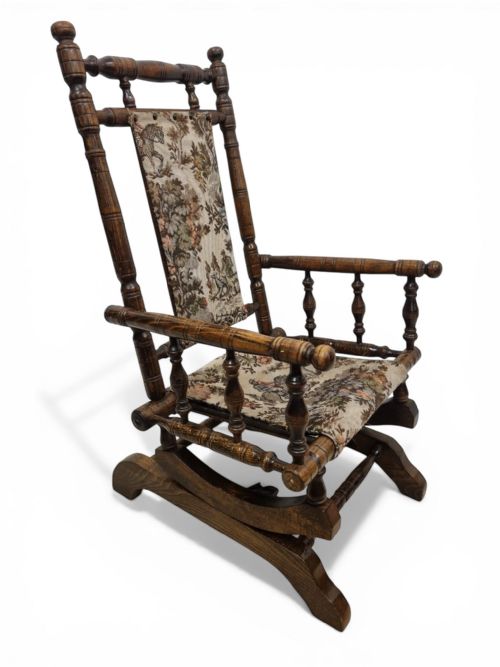


Vintage Childs Rocker
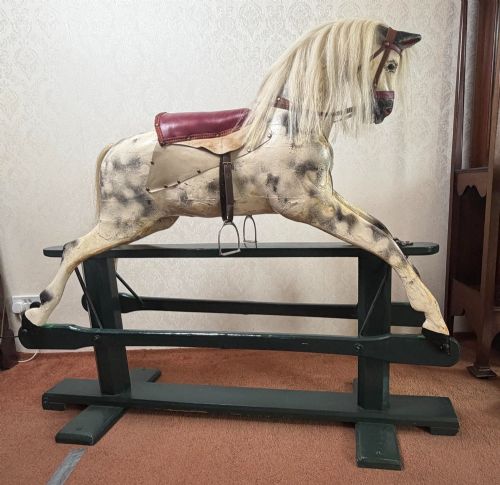
These vintage childs rocker examples range from compact oak spindle backs to painted wooden horses, offering small-scale charm for nurseries and collections.
Vintage Childs Rocker
A vintage childs rocker brings miniature domestic history into the home, taking the form of low seating and nursery playthings. The selection centres on nineteenth-century examples, alongside earlier eighteenth-century vernacular pieces and twentieth-century designs.
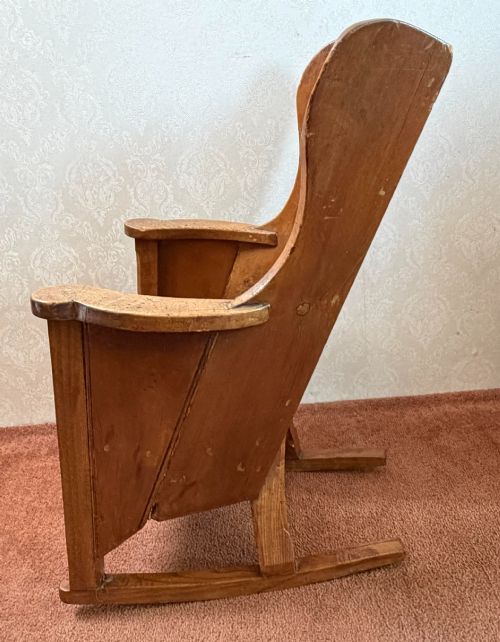
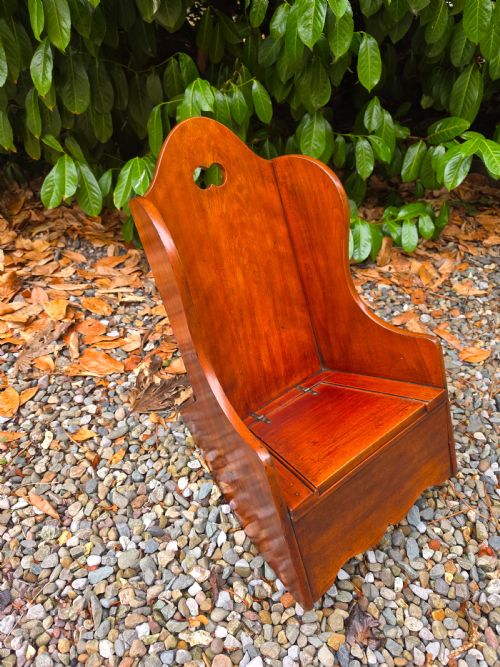
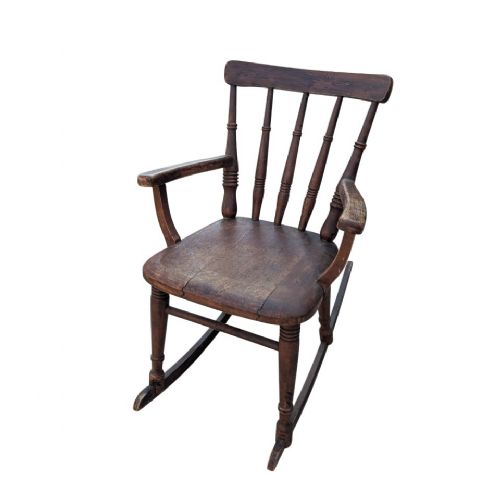
Buyers encounter various functional types within the listings, including classic spindle-back Windsor chairs, rush and cane seatings, and carved wooden rocking horses. Certain pieces adapt adult furniture forms down to miniature proportions, such as lambing chairs and potty rockers.
Origins stretch across English country workshops, Welsh makers, Scandinavian regions, and continental producers. This geographic spread creates distinct regional interpretations of the familiar rocking chair format.
Materials and construction
Makers utilised solid timbers native to local workshops, predominantly selecting oak, elm, beech, fruitwood, and pine. These robust woods provided the structural integrity required for children's furniture subjected to daily movement.
Traditional joinery techniques unite the frames, employing turned spindles, bentwood methods seen in Thonet pieces, and pegged joints. Rush, cane, and tapestry upholstery frequently finish the seats, adding texture to the wooden frameworks.
A few miniature rockers are specifically sized for dolls rather than children, confusing generations of toddlers.
Assessing quality and character
Quality rests in the harmony of proportion and the integrity of the original construction rather than decorative excess. Finer pieces demonstrate careful timber selection, such as figured fruitwood or rich oak grain.
Original surfaces and untouched patina distinguish superior examples from heavily restored items. The retention of original rockers, paint finishes, or early upholstery contributes significantly to the historical integrity of the piece.
The Vintage Childs Rocker Glossary
- Spindle back
- A chair back constructed from vertical turned wooden rods fitted into the top rail and seat. This design lightens the weight while maintaining structural strength.
- Bentwood
- Wood softened through steaming and then bent into curved forms using moulds. This technique defines the distinct circular and flowing lines of Thonet productions.
- Lambing chair
- A traditional enclosed chair featuring solid wooden wings that shield the sitter from draughts. Miniature versions incorporate these protective sides onto a low rocking base.
- Fruitwood
- Timber sourced from fruit-bearing trees such as pear, apple, or cherry, prized by cabinetmakers for its dense grain and warm tone. It appears frequently in vernacular furniture.
- Potty rocker
- A specialised childs chair featuring a cut-out seat designed to accommodate a chamber pot. These pieces combine nursery seating with practical domestic utility.
Vintage Childs Rocker: Frequently Asked Questions
Are these rockers suitable for daily use?
Most antique and vintage examples serve primarily as decorative display items or collectible pieces of social history. Their small scale and delicate age require careful handling.
While robustly built from woods like oak and elm, modern safety standards differ from historical manufacturing practices used for children's furniture.
What is a bentwood childs rocker?
Bentwood rockers utilise steam-heated timber bent into graceful, curved structural shapes. This innovative technique gained widespread popularity through makers like Thonet.
These pieces offer a lighter visual profile compared to traditional solid wood joinery while maintaining remarkable durability.
Where were these small rocking chairs made?
The pieces originate from diverse domestic and international workshops, spanning English, Welsh, and Scandinavian country traditions. Regional preferences shaped the choice of local woods and specific chair backs.
Some examples reflect folk art traditions, while others represent industrial factory output from the late nineteenth and early twentieth centuries.