



Wooden Childs Rocking Chair
A wooden childs rocking chair brings miniature country charm and solid vernacular craft into a room, offering enduring appeal for collectors and interior decorators alike.
Wooden Childs Rocking Chair
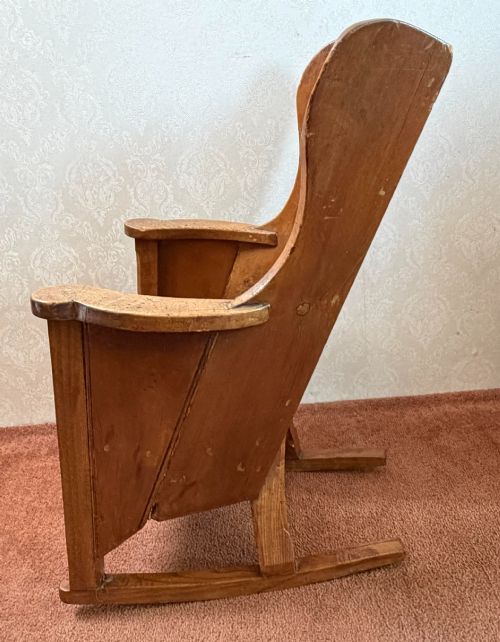
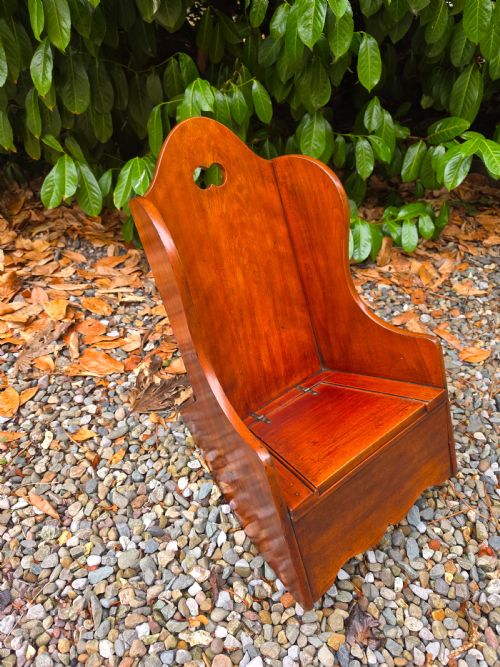
A wooden childs rocking chair represents miniature domestic seating built down the centuries for the nursery and parlor. These scaled-down pieces mirror full-size adult seating yet display distinct proportions shaped for younger occupants.
The pieces listed span the eighteenth, nineteenth, and early twentieth centuries, drawing on Georgian, Victorian, and Edwardian periods. Regional vernacular forms predominate, ranging from simple rustic country designs to refined spindle-back Windsors.
Origin variations include English country examples alongside American and Scandinavian country pieces. Common materials such as elm, ash, beech, and fruitwood define the regional character of these chairs.
How they were made
Cabinetmakers and rural joiners constructed these chairs using solid timbers like oak, mahogany, pine, and elm, often combining woods within a single frame. Turnings, spindles, and steam-bent components formed the structural supports.
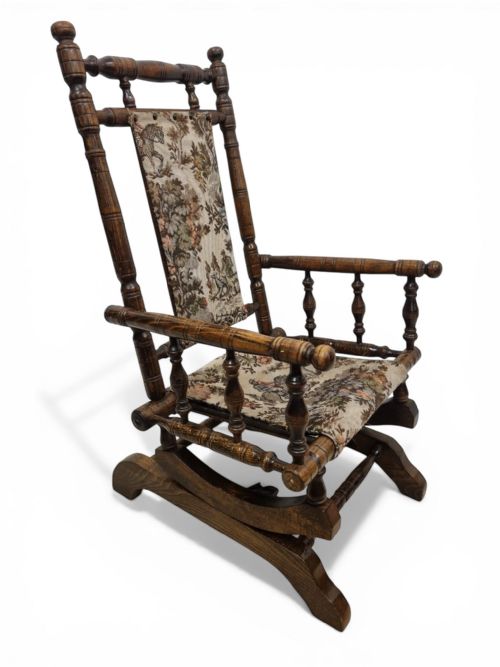
Rush seating and tapestry upholstery added comfort to specific models, while brass details occasionally provided functional or decorative accents. Joinery techniques relied on traditional pegging and mortise-and-tenon methods suited to active domestic use.
Listings for this phrase feature solid woods including elm, ash, beech, oak, mahogany, and pine, spanning periods from the mid-eighteenth century to the nineteen-twenties.
What varies in quality
The standard of a wooden childs rocking chair rests upon the integrity of its timber selection and the harmony of its miniature proportions. Earlier examples from the eighteenth and early nineteenth centuries often display tighter grain patination and more thoughtful vernacular turning.
Construction robustness dictates longevity, distinguishing utilitarian workshop pieces from more decorative parlour seating with upholstery or finer mahogany finishes. Original surface patination and minimal structural alteration elevate the character of surviving examples.
The Wooden Childs Rocking Chair Glossary
- Vernacular
- Everyday objects built by local craftspeople using regional traditions rather than high-style academic designs. These pieces prioritize practical utility and local materials.
- Spindle back
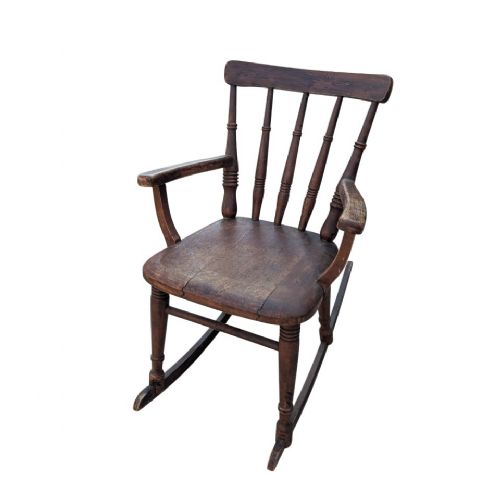
- A chair back constructed from vertical turned wooden rods or spindles. This technique provides light yet sturdy support.
- Windsor
- A chair style featuring a solid wooden seat into which the legs and back spindles are directly joined. It is a defining form in country furniture.
- Potty rocker
- A specialised nursery chair incorporating a concealed chamber or cutout beneath the seat for toilet training. They combine utility with miniature domestic scale.
- Fruitwood
- Timber harvested from fruit-bearing trees such as pear, apple, or cherry, favored by makers for its smooth texture and warm tone.
Wooden Childs Rocking Chair: Frequently Asked Questions
How old is my rocking chair?
Dating relies on examining the timber species, tool marks, and overall construction style, comparing them against documented periods like the Georgian and Victorian eras.
Changes in fasteners and wood preparation techniques also offer reliable clues to the decade of manufacture.
Were these used daily?
Most examples served practical functions in nurseries, kitchens, and parlours for children or dolls, enduring generations of active household use.
Signs of wear often reflect this utilitarian history rather than modern alteration.
How do I clean the wood?
Maintenance requires gentle dusting with a dry or slightly damp cloth to preserve the historic surface patination and wax finish.
Harsh chemical cleaners and excessive moisture should be strictly avoided to protect the aged timber.
Are these chairs safe for children?
Antique wooden childs rocking chairs are primarily collected as decorative objects or historic artefacts rather than modern functional toys.
Their lightweight frames and historic joints may not meet contemporary safety standards for active play.