
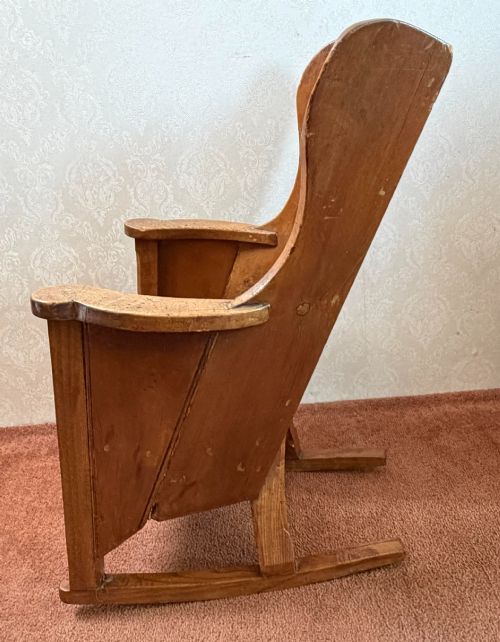
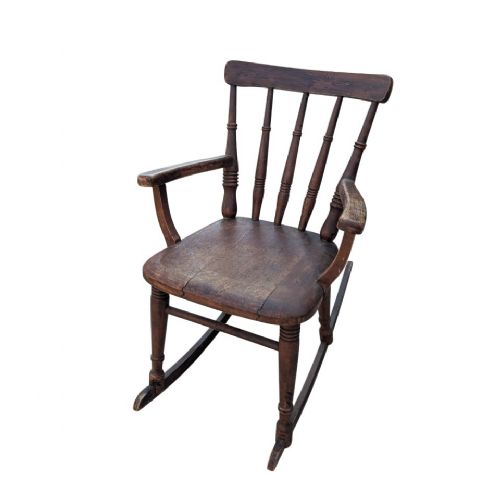


Antique Timber Childs Seat
These antique timber childs seat examples are scaled-down historic chairs built for young children, offering genuine domestic history.
Antique Timber Childs Seat
An antique timber childs seat encompasses domestic furniture scaled down for youngsters, spanning rockers, high chairs, armchairs, stools and folding models. These functional pieces survive from the Georgian, Victorian and nineteenth-century periods, showing how families housed their children in earlier eras.
The rustic country, folk art and country vernacular styles dominate the selection, reflecting domestic workshops rather than formal cabinet-making. Pieces range from simple ladderback rush-seated chairs to sophisticated mahogany and bergere high chairs or Swedish rocking models.
Regional variations appear across the inventory, including Scandinavian country designs alongside British vernacular items. Buyers encounter natural form oak stools, Windsor chairs and simple rocking variants spanning the eighteenth to early twentieth centuries.
How they were made
Maker-joiners utilised solid timbers such as oak, ash, elm, mahogany, pine and general wood to construct these miniature seats. Structural elements often combine turned spindles with pegged joints and bentwood components to withstand daily nursery use.
Seating surfaces frequently feature woven rush, cane or bergere work set into wooden frames. Natural form branches provide rustic framing for primitive stools, while turned mahogany gives formal Victorian high chairs their upright stance.
Listings feature woods spanning oak, ash, elm, mahogany, pine, cane, rush and general wood across multiple centuries.
What varies in quality
The tier of craftsmanship distinguishes vernacular workshop output from refined period pieces, contrasting primitive folk art construction with formal Georgian mahogany joinery. Timber selection creates a clear division, moving from humble pine and general wood up to figured mahogany and sturdy oak.
Original surface treatments and untouched material integrity elevate a piece, separating examples that retain their early rush or cane seats from those with heavy later interventions. Proportion and structural balance also define the better specimens, where miniature forms mirror adult furniture with precision.
The Antique Timber Childs Seat Glossary
- Bergere
- A upholstered wooden-framed armchair where the back and sometimes sides comprise tight canework. This technique appears on formal nineteenth-century high chairs.
- Ladderback
- A chair back featuring horizontal wooden slats between the upright posts. This traditional vernacular construction often supports a woven rush seat.
- Windsor
- A chair built with a solid wooden seat into which the legs and back spindles are wedged directly. Nineteenth-century examples scale this traditional seating form down for children.
- Rush
- Dried marsh grass twisted into cord and woven tightly to form seat bases. It provides a durable, traditional surface on country vernacular chairs.
Antique Timber Childs Seat: Frequently Asked Questions
What periods do these child seats cover?
The inventory spans the Georgian era through the Victorian period, alongside nineteenth-century examples and early twentieth-century pieces up to nineteen-thirty.
These dates reflect the eras when domestic workshops produced scaled-down seating for family use.
Were these chairs used for feeding?
Many examples on this page are high chairs specifically designed to elevate young children to table height.
Other variants include low rocking chairs, folding chairs and simple stools intended for nursery seating.
What woods were used for making them?
Makers utilised native timbers including oak, ash, elm, mahogany, pine and general wood depending on the regional tradition.
Country pieces often feature mixed woods, whereas formal high chairs utilise singular cabinet timbers like mahogany.
How do folk art examples differ?
Folk art and rustic country pieces display simpler, unpretentious construction often utilising natural forms or basic turned components.
These items contrast with formal Georgian and Victorian pieces which follow mainstream furniture styles of their day.