



Miniature Rocking Chair
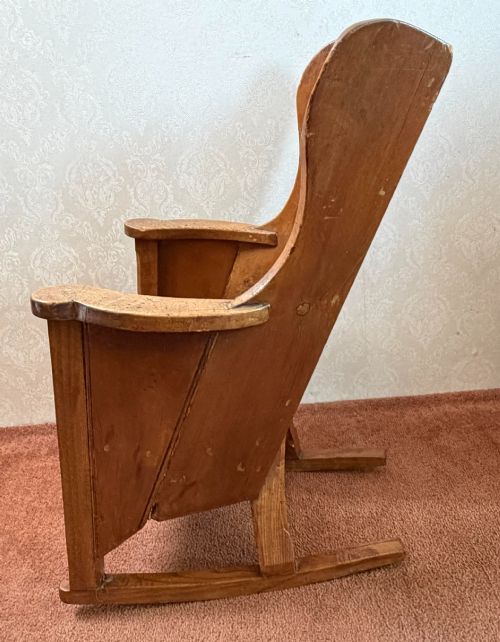
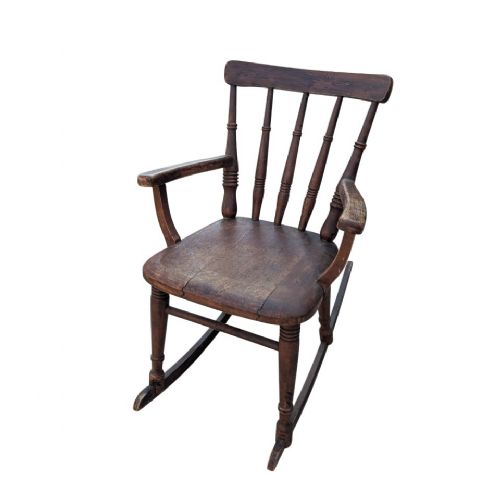
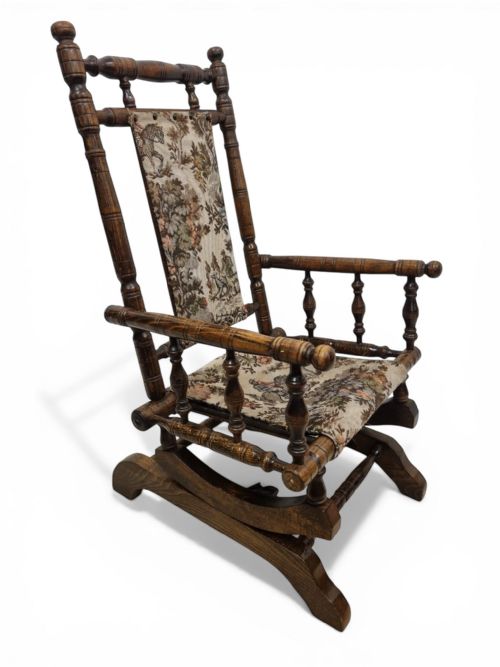
A miniature rocking chair is a small-scale seat built for children, dolls, or display, offering tactile charm and centuries of regional craftsmanship.
Miniature Rocking Chair
A miniature rocking chair represents a scaled-down version of domestic seating designed for children, dolls, or salesman samples. When you search for miniature rocking chair, you encounter examples spanning from the mid-eighteenth century to the early twentieth century.
Forms range from sturdy country Windsors with ash and elm timbers to delicate bentwood models produced in large European factories. Many of these survive from the Victorian era, reflecting domestic life and children's furnishings of the period.
What varies in quality
Quality separates mass-produced items from pieces shaped by skilled local hands using substantial timbers like elm and fruitwood. The integrity of the frame construction and the tightness of joint assembly dictate the resilience of the piece.
The refinement of turned spindles, the evenness of rush or cane weaving, and the proportional harmony define the upper tier of craftsmanship. Simpler utility pieces show less elaborate joinery and simpler materials such as pine.
Miniature Rocking Chair Retail Price Guide 2026
Typical asking prices for miniature rocking chair among the pieces listed under this phrase on Sellingantiques today, from the lower quarter to the upper quarter. They describe what is for sale here now, not the wider market.
Country vernacular styles and Victorian bentwood designs form the primary aesthetic categories across these historical small-scale rocking chairs.
The Miniature Rocking Chair Glossary
- Windsor
- A chair built with a solid wooden seat into which the legs and back spindles are directly inserted. This method provides robust structural stability.
- Bentwood
- Wood softened by steam and bent into curved structural forms under pressure. This technique defines many late nineteenth-century seating designs.
- Vernacular
- Everyday objects built by local craftspeople using regional materials and traditional styles rather than high-fashion designs. These pieces reflect local manufacturing traditions.
- Rush
- Marsh grass twisted into cords and woven to form seats. It offers a flexible and supportive surface for smaller chairs.
Miniature Rocking Chair: Frequently Asked Questions
Were these chairs for children or dolls?
Many examples served as actual seating for young children in domestic settings. Others were built specifically as display pieces for large dolls or as trade samples.
Proportions and wear patterns often indicate whether a piece endured active use by a child or remained preserved as a toy.
How do I date an antique miniature rocker?
Dating relies on identifying timber species, tool marks, joinery methods, and the stylistic traits of particular periods. Victorian and earlier pieces display hand-cut components and traditional assembly.
Factory marks or steam-bent components frequently point toward the late nineteenth century and the output of makers such as Thonet.
What woods were commonly used?
Makers selected local hardwoods and softwoods depending on regional availability and the intended function of the chair. Ash and elm appear frequently in country Windsor frames for their strength.
Beech, oak, pine, and fruitwood also feature prominently across the various English, Scandinavian, and American examples.
How should I care for a wooden rocker?
Keep wooden surfaces away from direct heat sources and wide humidity fluctuations to prevent timber splitting or joint loosening. Dust gently with a dry cloth and avoid harsh chemical polishes.
Rush and cane seats require similar care, benefiting from occasional light cleaning without excess moisture.