



Vintage Cherub Lights
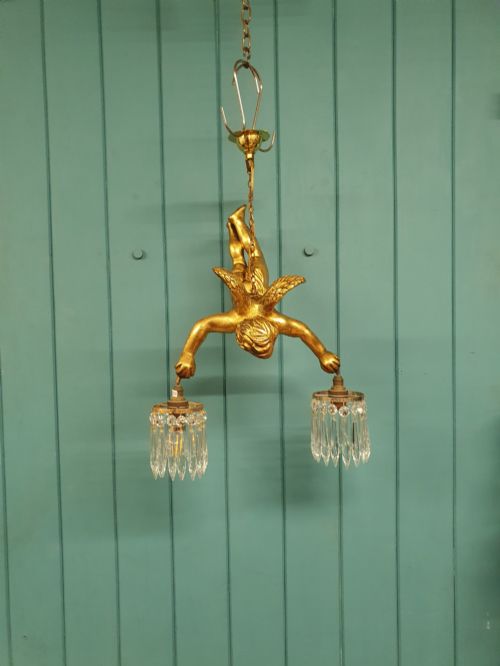
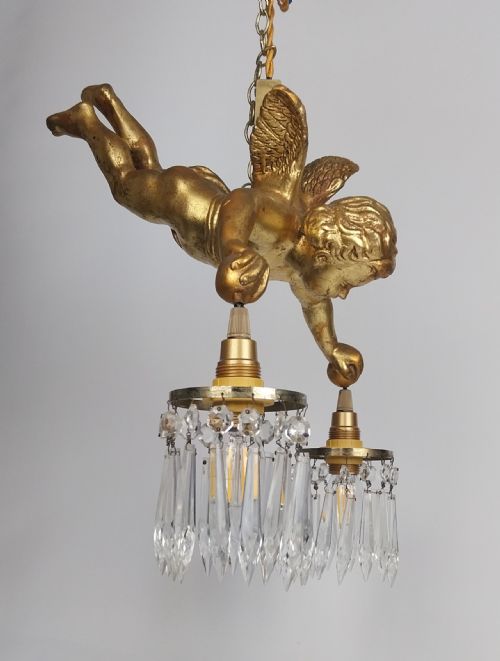
Vintage cherub lights bring classical figurative charm to interior spaces through cast metal and porcelain figures holding illumination.
Vintage Cherub Lights
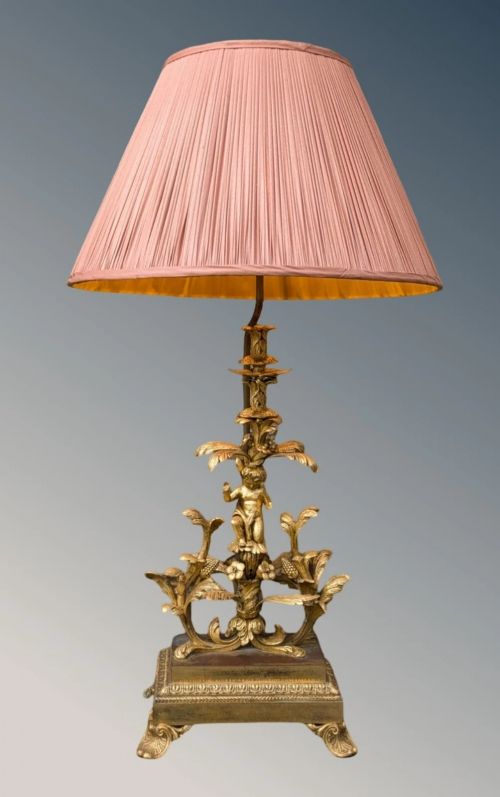
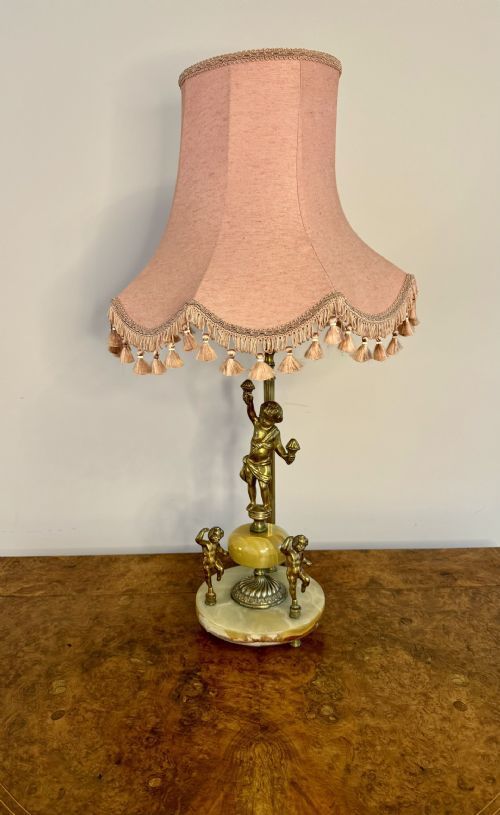
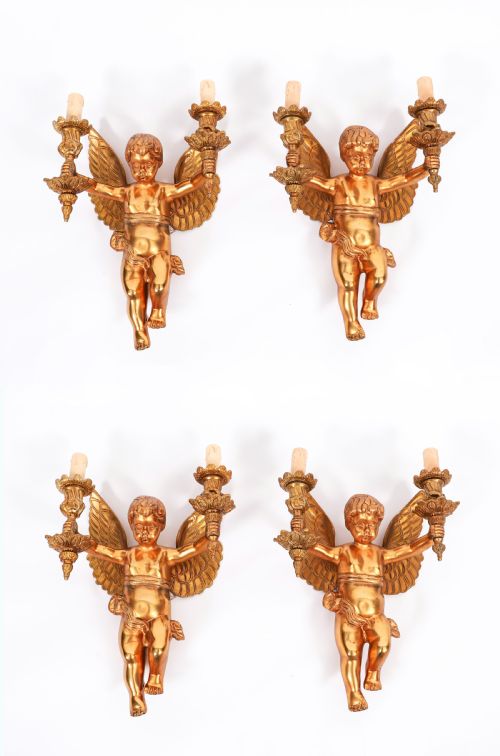
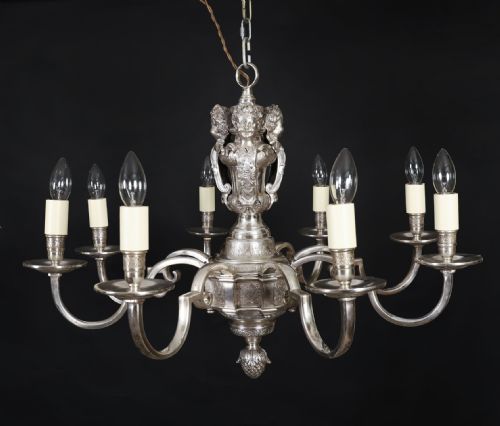
Vintage cherub lights encompass a diverse range of illuminating fixtures featuring winged putti or cherubic figures, spanning table lamps, wall sconces, chandeliers, and candelabra. These decorative pieces emerge predominantly from late nineteenth and early twentieth century production, reflecting enduring European stylistic revivals.
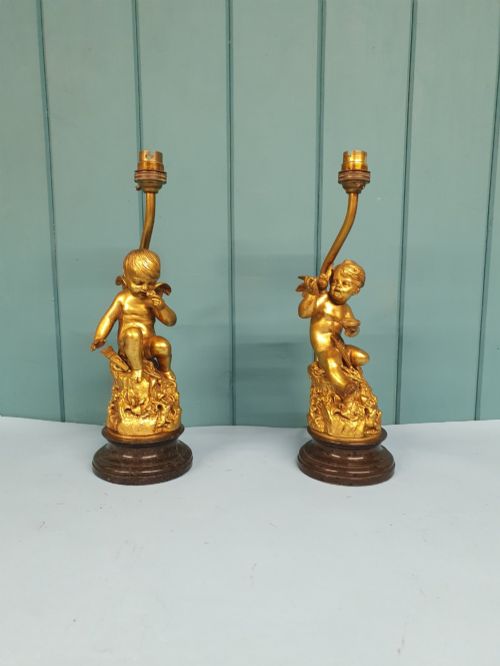
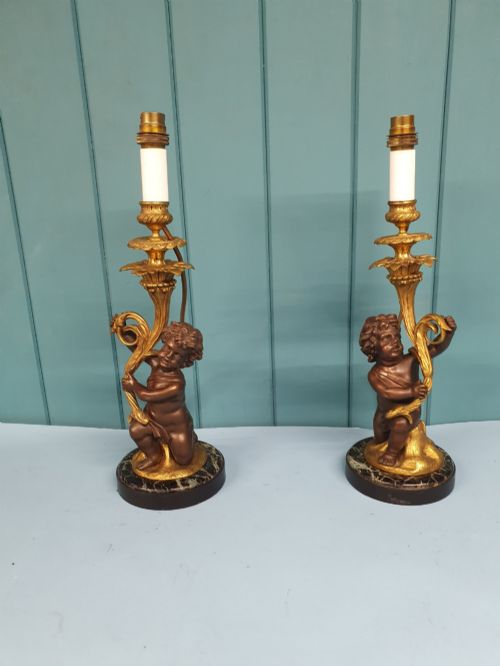
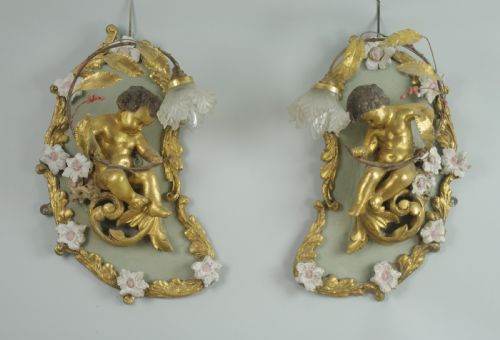
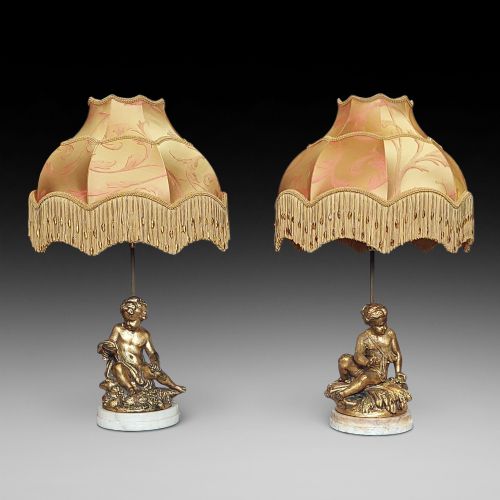
French and Italian workshops dominate the aesthetic lineage found on this page, drawing heavily upon Rococo and Neoclassical vocabularies. Table lamps and wall lights frequently pair metal or porcelain figures with complementary fabric shades, glass drops, or toleware elements.
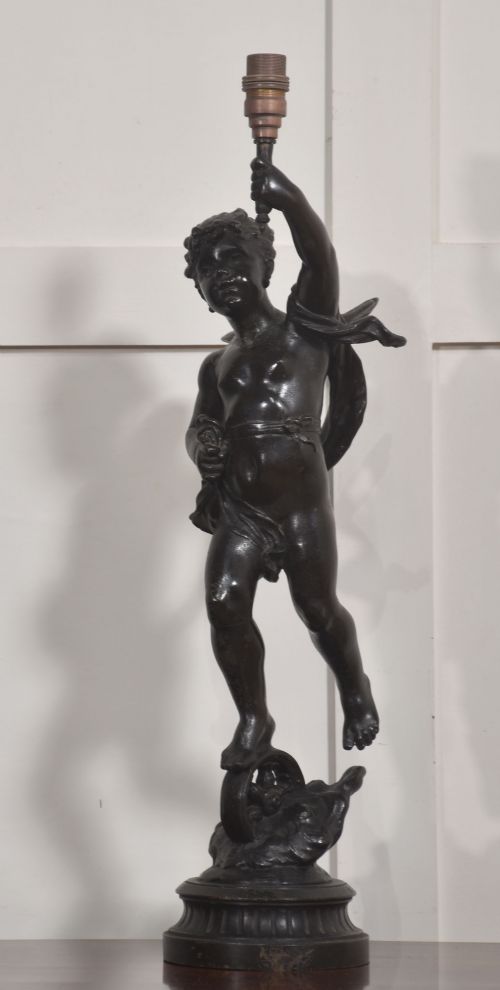
Buyers encounter everything from substantial multi-light chandeliers to intimate pairs of brass or bronze table lamps. The physical forms integrate figurative sculpture directly into the functional architecture of domestic lighting.
Materials and Techniques
The construction of these fixtures relies heavily on metal casting techniques, utilising bronze, brass, spelter, and gilt metal to shape the intricate bodies of the cherubs and structural arms. Gilding, patination, and ormolu finishes are applied to metallic surfaces to achieve rich tonal depth and texture.
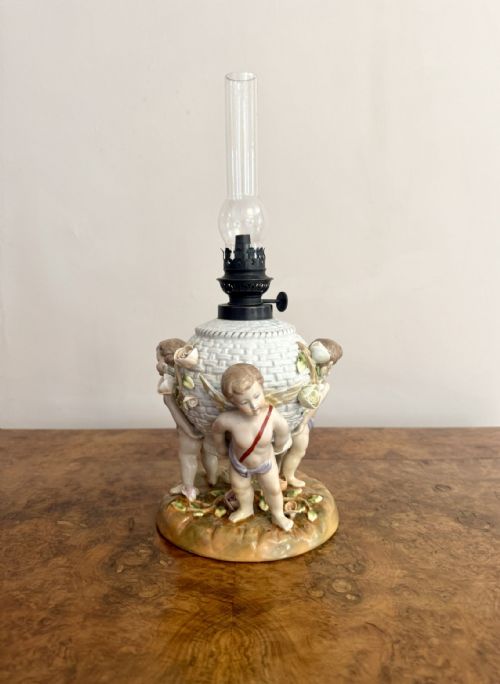
Ceramic elements such as porcelain, blanc de chine, and earthenware appear frequently, often associated with specific German potteries or French decorative traditions. These ceramic figures and floral adornments combine with glass crystal spikes, marble bases, and onyx to build complex multi-media assemblies.
Electrical conversion is a common attribute among older pieces originally designed for candles or oil, integrating modern wiring while retaining the historical housing.
Listings feature brass, bronze, porcelain, and marble materials across table lamps, chandeliers, and wall sconces spanning the Victorian and Edwardian eras.
Evaluating Quality
Porcelain components demonstrate quality through delicate hand-painting, crisp moulding of applied floral details, and the prestige of the originating ceramic manufactory. Structural integrity, the quality of the original gilding, and the harmony of integrated elements like cut glass crystals or marble plinths further elevate the standing of a piece.
Sitzendorf
The Vintage Cherub Lights Glossary
- Putto
- A plump, naked male child figure frequently found in classical art and decorative lighting, often mistakenly referred to as a cherub. These figures impart a playful, mythological character to the fixtures.
- Ormolu
- Finely ground high-carat gold applied to a bronze base using a mercury amalgamation technique, or simply high-quality gilt bronze. This finish provides a warm, enduring lustre characteristic of high-end French decorative arts.
- Sitzendorf
- A renowned German porcelain manufactory active through the nineteenth century and beyond, known for figurative ceramics and delicate floral encrustations. Their pieces on lighting fixtures add notable collector interest.
- Toleware
- Lacquered or painted sheet metal items, often utilised for decorative shades or structural elements on period lamps. This technique introduces vibrant colour and surface pattern to the design.
- Spelter
- A zinc alloy frequently utilised as a cost-effective alternative to bronze in decorative castings, often patinated to simulate heavier metals. It offers intricate detail capture while remaining lighter in weight.
Vintage Cherub Lights: Frequently Asked Questions
Are these lights safe for daily use?
Many older fixtures have undergone conversion for modern electrical standards, but older wiring requires professional inspection by an electrician before installation. Ensuring components meet current safety codes protects both the home and the antique.
Using lower wattage or LED bulbs helps reduce excessive heat buildup around delicate porcelain or painted metal shades. Regular checks of the plug and cord maintain safe operation over time.
How can I identify the period?
Stylistic cues such as heavy Rococo curves or restrained Neoclassical symmetry offer initial clues to the era of manufacture. Examining construction methods, screw types, and the composition of the metal or ceramic base provides further dating evidence.
Maker marks, where present on porcelain elements or metal castings, assist in narrowing down the decade of production. Comparing the piece with documented examples from similar European workshops confirms historical context.
Where should I place a cherub wall sconce?
Wall sconces suit flanking positions around mirrors, fireplaces, or architectural doorways to create balanced ambient illumination. Their sculptural quality allows them to function as decorative wall art even when unlit.
Ensure installation height matches the scale of the room and surrounding furniture to achieve proper visual proportion. Professional mounting is recommended due to the weight of bronze or ceramic components.