

Antique Putti Lighting
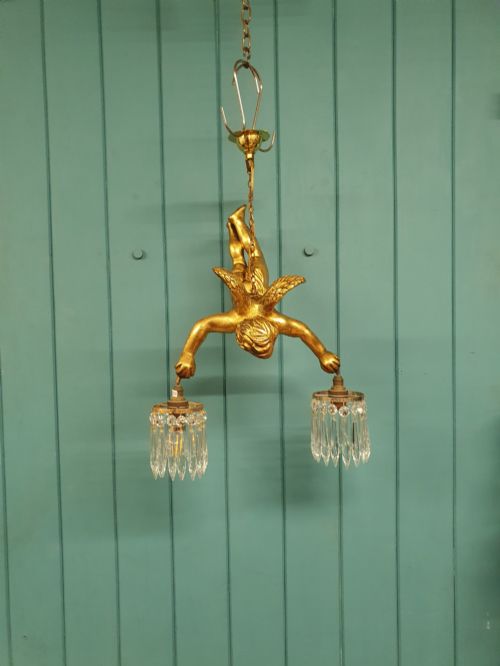
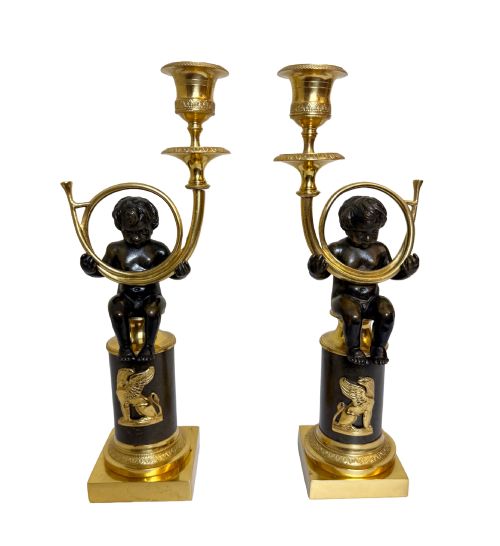
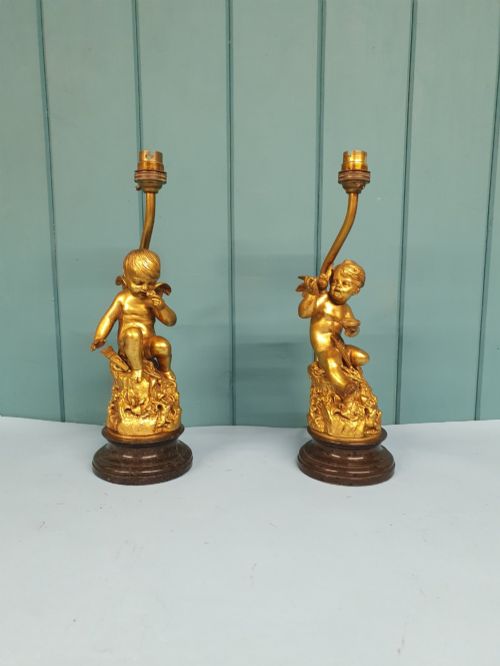
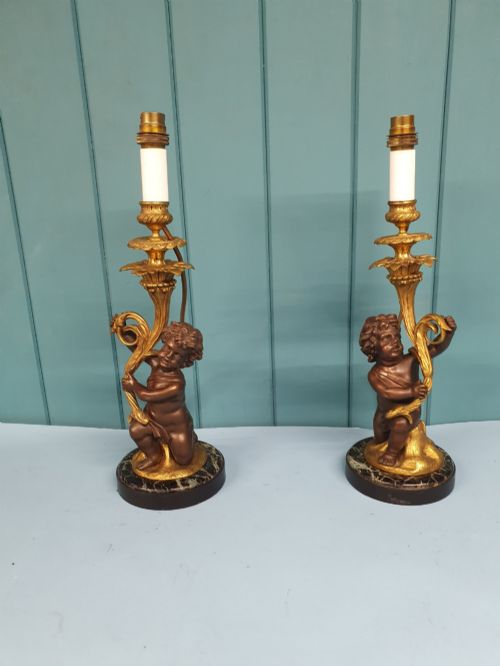
Antique putti lighting brings sculptural cherubic figures into domestic interiors through bronze, porcelain, and ormolu mounts.
Antique Putti Lighting
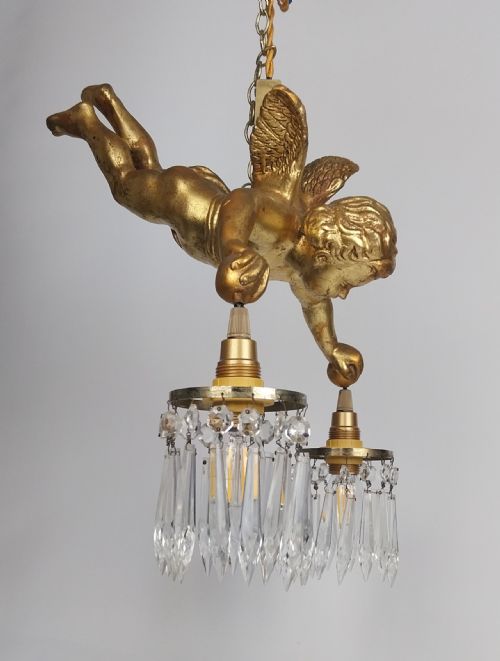
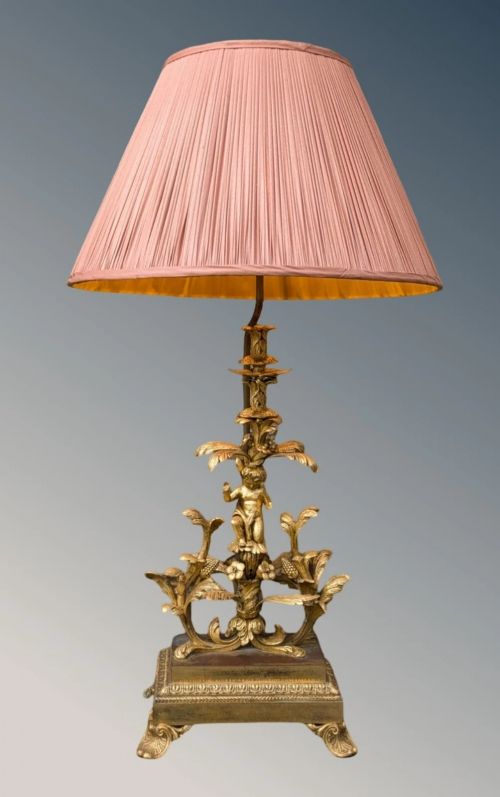
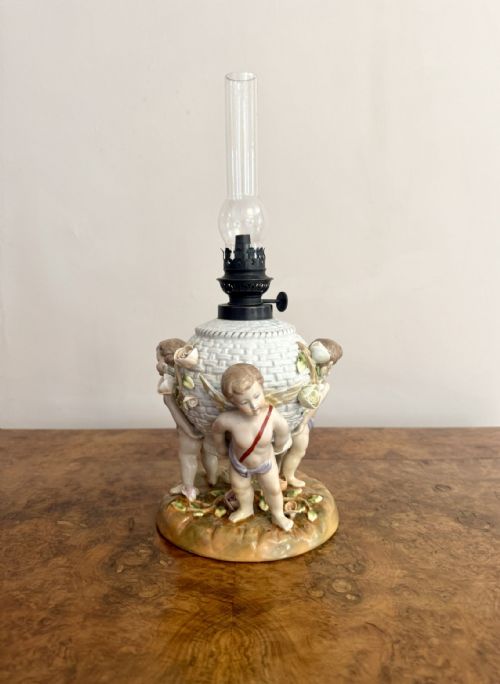
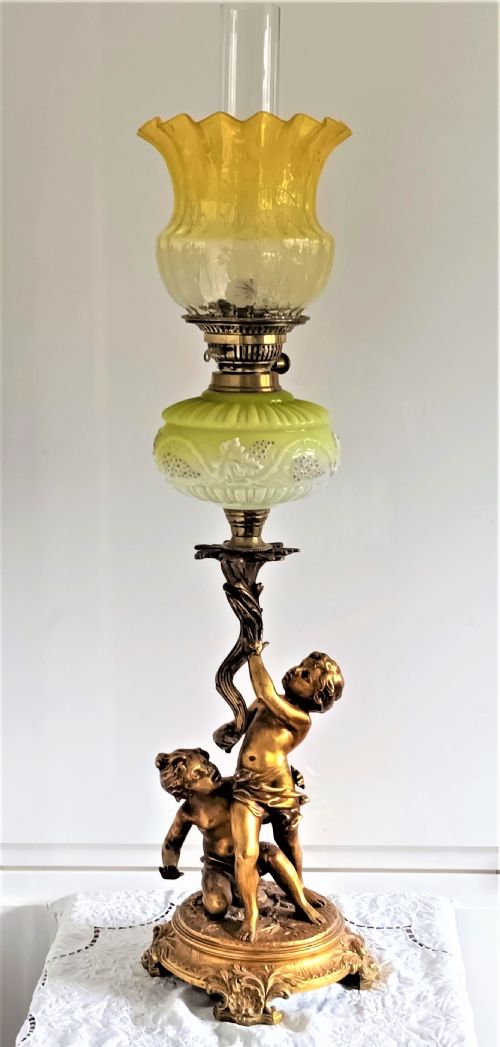
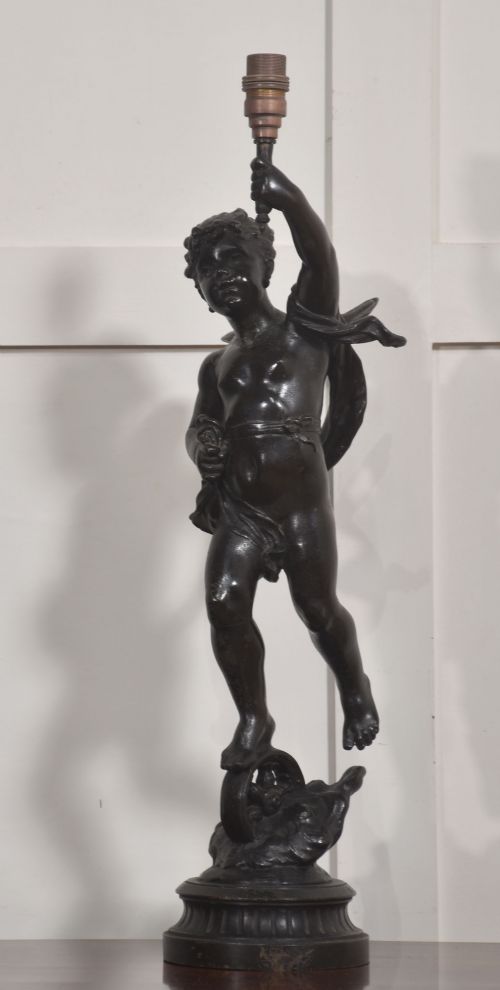
These pieces combine functional illumination with figurative sculpture depicting winged cherubs, cupids, and putti derived from classical and baroque motifs. When you search for antique putti lighting, you encounter table lamps, candelabra, wall sconces, and chandeliers fashioned across the nineteenth and early twentieth centuries.
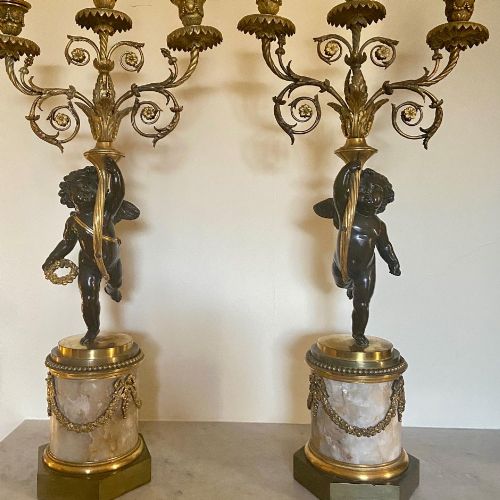
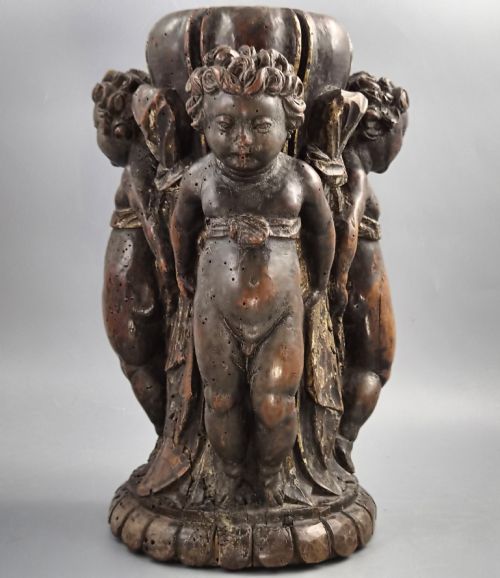
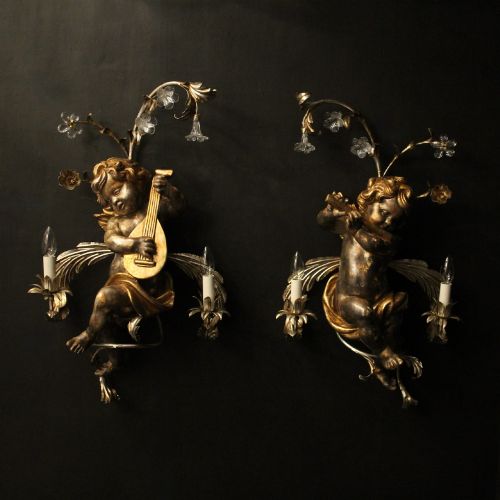
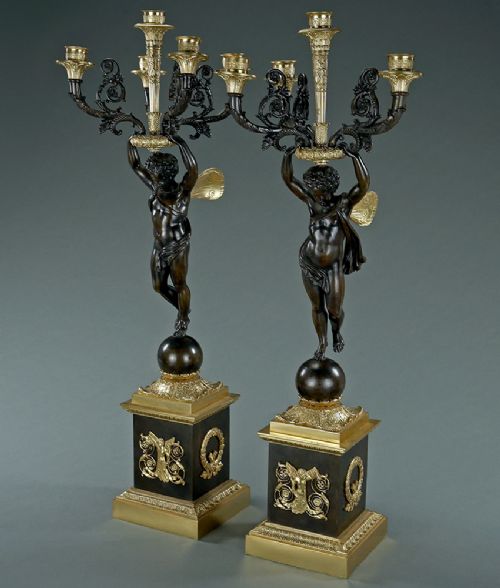
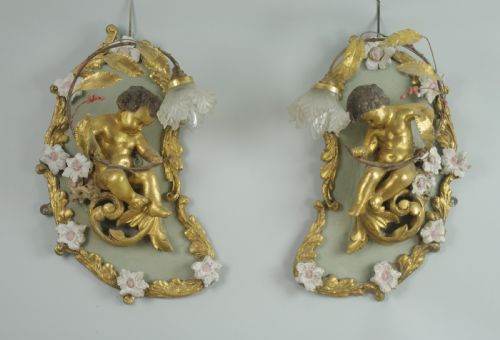
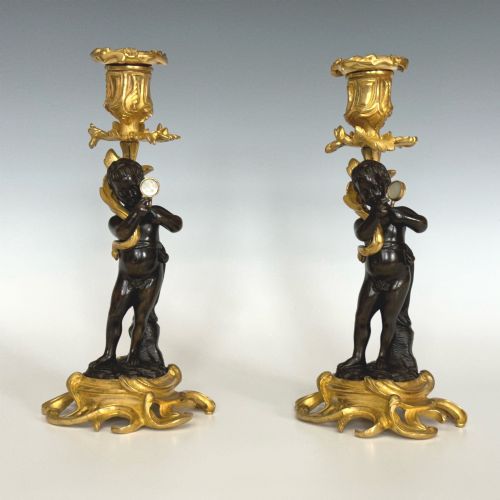
The selection ranges from French Rococo Revival ormolu candelabra to Victorian porcelain oil lamps and Italian carved walnut torchiere bases. Pairs of wall lights and mantel candlesticks predominate, often featuring figures cast in bronze or spelter supporting candle arms or electric fittings.
Materials and construction methods
Foundry work relies on bronze, brass, gilt metal, and ormolu, where metal figures are cast, chased, and gilded to create rich surface textures. These metal mounts frequently incorporate white marble or onyx bases, adding stability and contrasting colour to the composition.
Ceramic elements utilise porcelain from factories such as Sitzendorf and Meissen, modelled into figurative stems or combined with gilt bronze, glass crystal spikes, and porcelain flowers.
Current listings feature materials including gilt bronze, ormolu, marble, porcelain, and carved walnut across the nineteenth and early twentieth centuries.
Distinctions in craftsmanship
Quality rests in the crispness of the metal chasing and the depth of the gilding on bronze and ormolu figures. Finer examples display meticulous hand-finishing in the hair, wings, and facial expressions of the putti rather than softened cast details.
Porcelain components show distinction through delicate hand-painting and intricate modelling of applied floral elements. The integration of stone bases, such as heavy marble or polished onyx, also marks the distinction between standard production and superior workshop output.
Francois Redmond·Sitzendorf·Meissen
The Antique Putti Lighting Glossary
- Putti
- Plural of putto, representing plump, winged male infants derived from classical art. They appear frequently supporting candle nozzles or seated upon sconce arms.
- Ormolu
- Gilt bronze produced by applying a finely ground high-carat gold mercury amalgam to a bronze base. This technique creates a distinctive warm lustre on nineteenth-century French mounts.
- Torchiere
- A tall stand or floor lamp designed to hold a light source pointing upwards. In earlier periods, these were carved from wood before being adapted for later lighting.
- Candelabra
- A branched candlestick holding multiple lights. These pieces often feature central putti figures surrounded by scrolling arms for candles or electric conversion.
- Sconces
- Wall-mounted light fixtures with arms extending forward. Antique pairs frequently incorporate porcelain flowers and gilt metal cherub backs.
Antique Putti Lighting: Frequently Asked Questions
How do I date antique putti lighting?
Dating relies on examining the casting methods, material combinations, and stylistic revivals present in the piece. Nineteenth-century examples often favour French Rococo or Empire revival idioms.
Later pieces from the early twentieth century introduce electrical wiring channels and different alloy compositions. Comparing the patination and wear on the bronze or gilding helps establish the age.
Were these lights originally electric?
Most pieces originating from the nineteenth century or earlier were designed exclusively for candles or oil. They frequently underwent conversion to electricity during the twentieth century.
When inspecting a piece, look at how the wiring is routed through the original central column or putto figure. This conversion work is standard for functional antique lighting.
What is the difference between spelter and bronze?
Spelter is a zinc-based alloy that is softer and lighter than bronze, often utilised as a less costly alternative in later decorative objects. Bronze offers greater tensile strength, allowing for sharper chisel work and finer detail in the chasing.
Objects cast in bronze retain a heavier weight and a more durable metallic skin compared to spelter alternatives.