

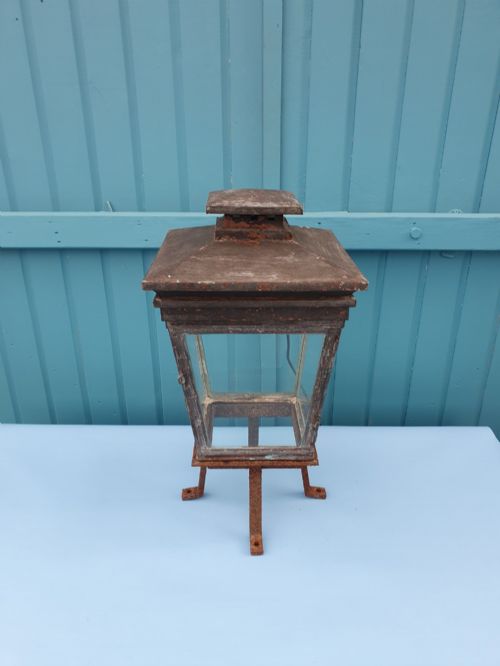


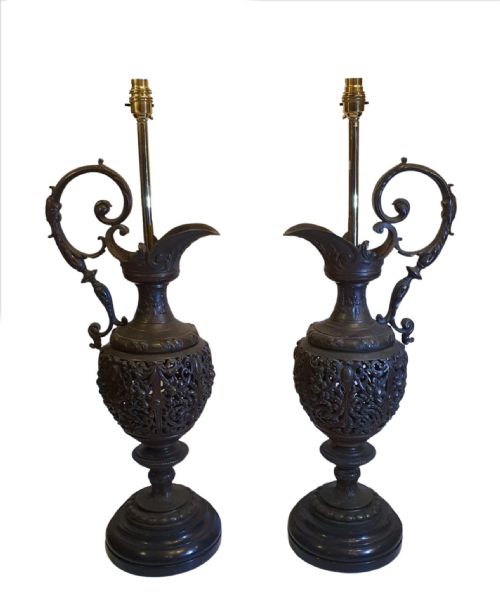
Patinated Metal Lamps
Patinated metal lamps bring dark, textured finishes and historic silhouettes to a room, ranging from neoclassical columns to industrial searchlights.
Patinated Metal Lamps
Patinated metal lamps encompass a diverse group of lighting fixtures and converted vessels shaped from bronze, brass, copper, and iron, finished with aged or chemical surface tones.
The pieces on this page span table lamps, floor lamps, oil lamps, lanterns, wall sconces, and inkwells, reflecting domestic and architectural lighting across multiple decades.
Buyers frequently encounter 19th-century Grand Tour bronzes, Edwardian industrial designs, and 1930s Art Deco figures alongside classical column lights and French gilt metal pieces.
Materials and construction
Foundry casting using bronze, brass, and copper forms the structural core of these pieces, often paired with glass shades, fabric elements, and wooden bases.
Makers achieved distinctive surface patination through deliberate chemical ageing, oxidation, and applied bronzing on white metal or brass bases.
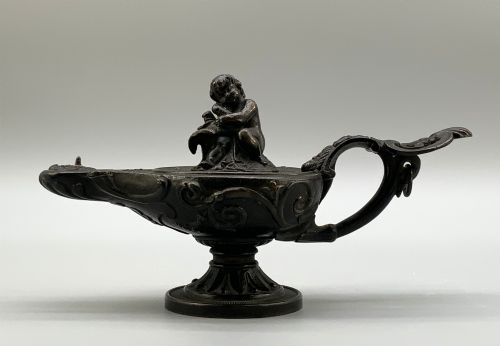
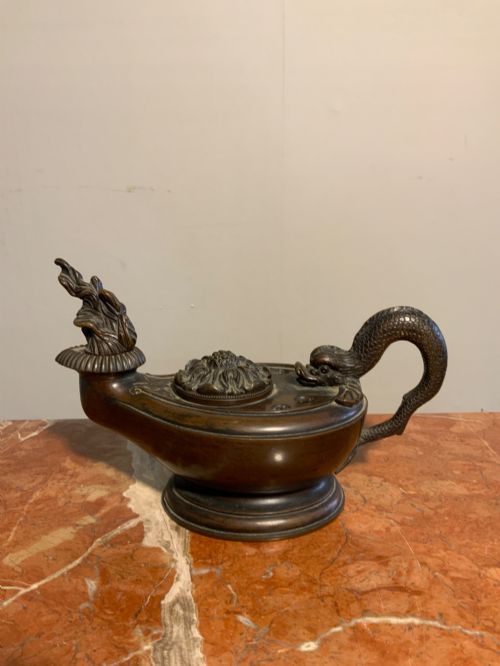
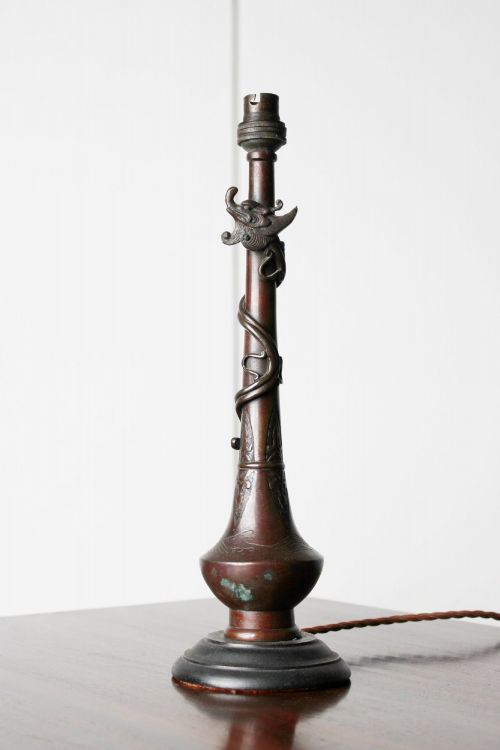
Many historical examples began life as oil lamps, gas lanterns, ewers, or ceremonial censers before undergoing later conversion to electrical table and wall lighting.
Listings feature pieces spanning the nineteenth century through the Art Deco period, utilising bronze, brass, copper, and wrought iron.
Judging quality and character
The depth and integrity of the original surface patination distinguish superior castings from later or aggressively cleaned alternatives.
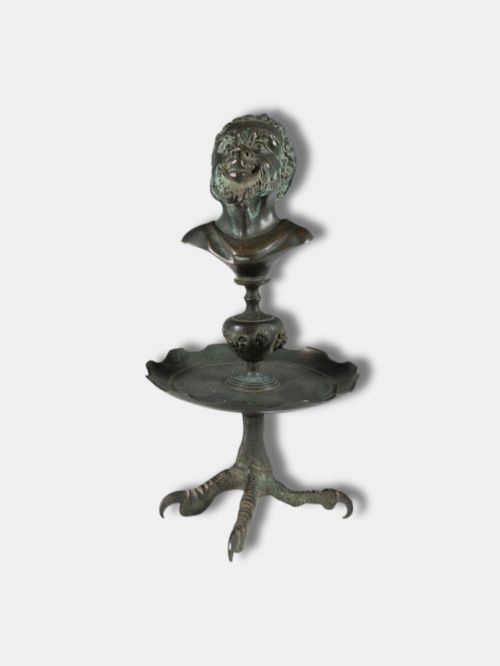
Fine detail in figural elements, such as the crispness of a cherub, satyr, or classical drapery, separates standard commercial work from master foundry output.
The aesthetic coherence of conversions, where old oil lamps or bronze ewers adapt to electricity without damaging the primary form, dictates desirability.
A Foster & Pullen·Bradley and Hubbard
The Patinated Metal Lamps Glossary
- Patination
- The natural or chemically induced oxidation layer on the surface of bronze, brass, or copper over time. This process creates distinct dark or verdigris tones that protect the metal and define its visual age.
- Grand Tour
- A cultural journey undertaken by wealthy Europeans in the eighteenth and nineteenth centuries to study classical antiquities. Souvenirs from these travels included small bronzes and oil lamps.
- Ormolu
- Finely ground high-carat gold applied to a bronze base using a mercury amalgamation technique. The method produces a rich golden finish seen on French Empire lighting.
- Torchere
- A tall stand or ornamental lamp designed to hold a light source aloft. These fixtures often take the form of classical columns or figures bearing torches.
- Censer
- A vessel made for burning incense during ceremonial or domestic practices. Antique examples in bronze frequently find new life as hanging or table lamps.
Patinated Metal Lamps: Frequently Asked Questions
What is patinated metal?
Patinated metal refers to copper, brass, bronze, or iron that has developed a darkened, aged, or chemically altered surface layer. This finish occurs naturally through exposure to the elements or through deliberate workshop treatments.
In antique lighting, the patina gives the metal a subdued, non-reflective appearance that highlights the contours of the casting and prevents bright glare.
How do I date a bronze lamp?
Dating a bronze lamp involves examining the casting technique, the style of any figural or ornamental motifs, and the method used to assemble the components. Earlier pieces often display hand-finished chasing and heavy patination.
Labels, foundry marks, or stamps can also pinpoint origin, while the presence of old wiring or conversions from oil and gas points to a 19th-century or early 20th-century date.
Are converted oil lamps safe to use?
Converted oil lamps utilise their historic metal reservoirs and columns to house modern electrical fittings and wiring. Most require professional rewiring to meet current safety standards before regular domestic use.
Inspectors check that the internal weighting remains stable and that the new lamp holder fits securely within the antique collar without stressing the metal.
How do I clean an antique metal lamp?
Cleaning an antique metal lamp requires nothing more than gentle dusting with a soft, dry cloth to remove surface particles. Avoid chemical polishes, abrasive cloths, or water, as these can strip away the historic patina.
Preserving the original dark finish maintains both the visual character and the collector value of bronze, brass, and copper pieces.