


Rococo Revival Lamps
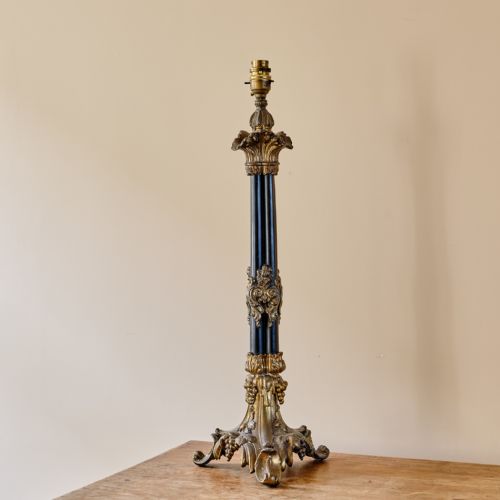
These rococo revival lamps bring exuberant curves, gilded metal and hand painted porcelain into a room.
Rococo Revival Lamps
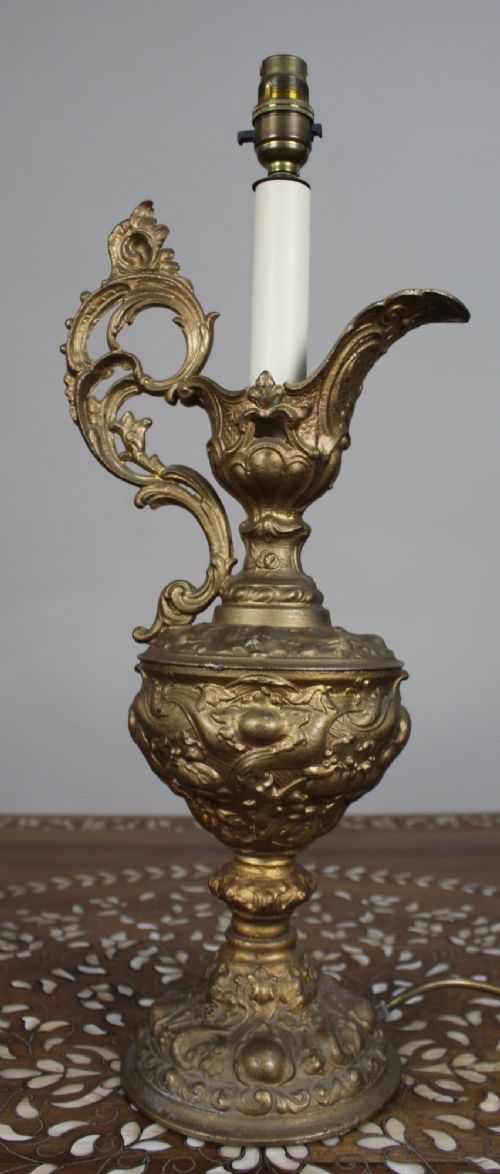
When you search for rococo revival lamps, you meet pieces that draw heavily on nineteenth century French taste, channelling the ornate asymmetry of the original Louis XV style. The selection includes table lamps, oil lamps and converted candlesticks that integrate metal mounts with porcelain or glass bodies.
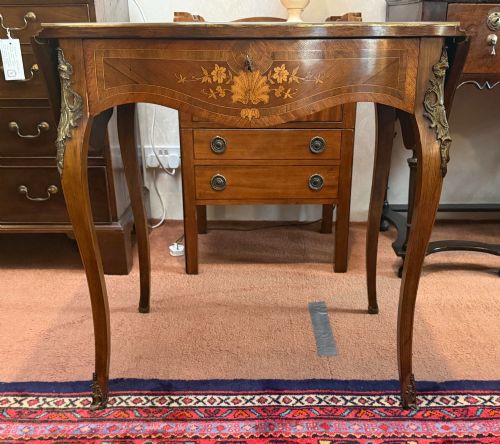
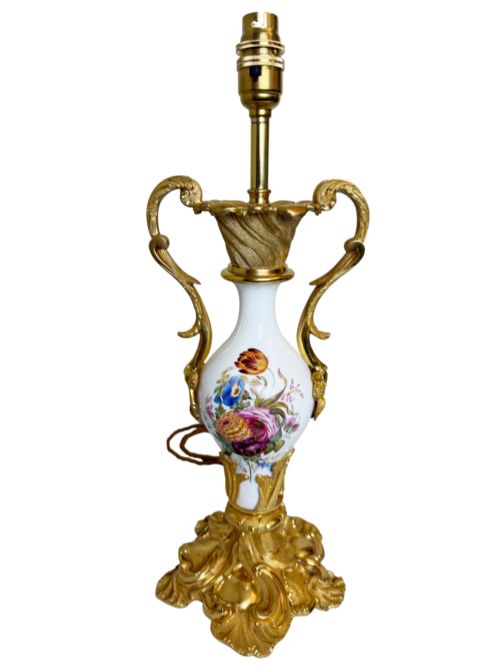
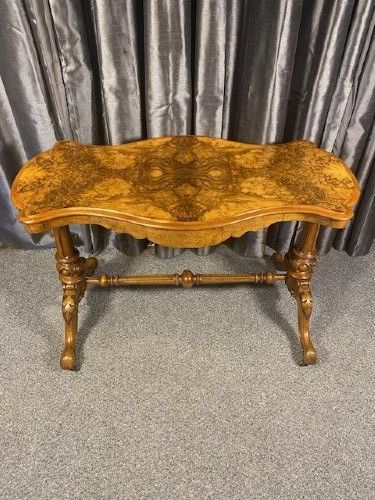
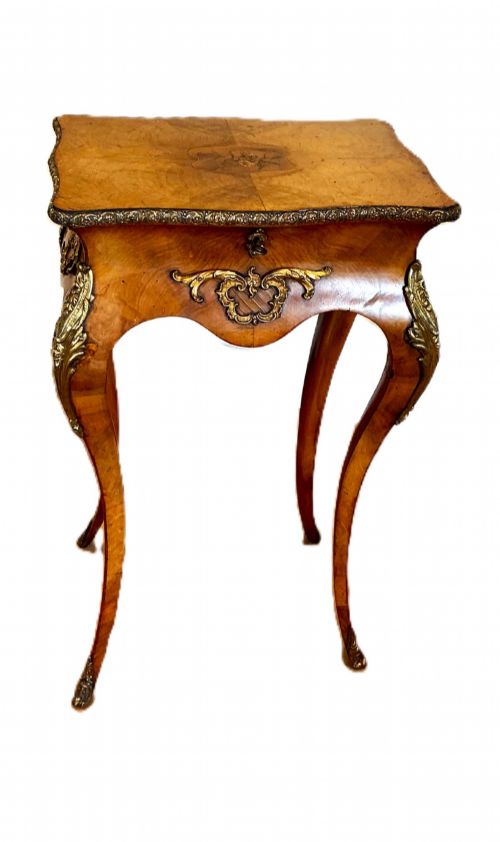
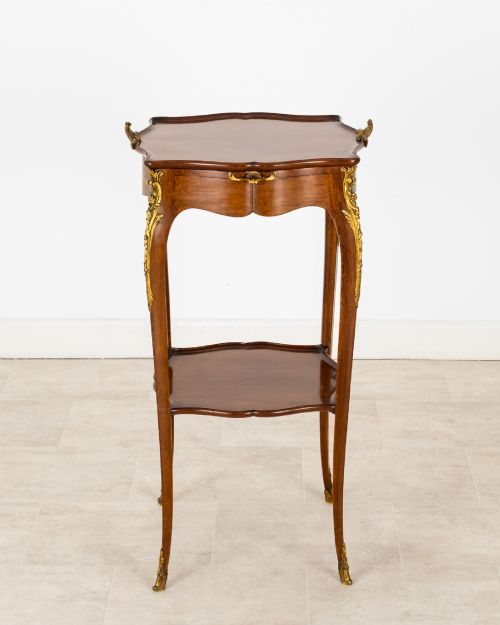
Many examples pair gilt bronze or ormolu with hand painted porcelain depicting figures, cherubs or floral motifs. Alongside dedicated lighting, the listings also contain related walnut occasional and side tables sharing the same period aesthetic.
How they were made
Foundry workers cast brass, gilt bronze and ormolu into swirling, asymmetrical forms, often chasing the metal surfaces by hand to sharpen the leaf and scroll details. Ceramic components involve fired porcelain bodies, sometimes finished with cobalt blue glazes and hand painted decoration.
Makers mounted these metal and ceramic elements onto weighted bases, wiring them later in their lifespan as homes transitioned from oil to electricity. Structural timber pieces like side and occasional tables utilise walnut, burr walnut and mahogany veneers over solid carcases.
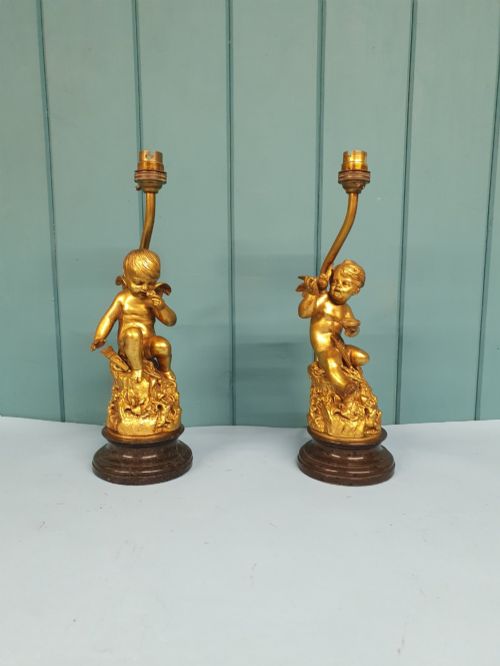
Numerous cherubs populate the metalwork, holding up lamps after a hard day of guarding seventeenth century ceilings.
What varies in quality
The standard of modelling in the cast metal sets the baseline for quality, distinguishing crisp ormolu mounts with deep relief from softer, shallower castings. Hand painted porcelain details also separate standard production wares from finely executed artistic pieces.
Proportion and architectural harmony dictate the overall success of a piece, with superior examples displaying balanced asymmetry rather than cluttered ornamentation. The choice of secondary timbers and the precision of the joinery mark out better furniture pieces accompanying the lighting.
François Linke·Sitzendorf
The Rococo Revival Lamps Glossary
- Ormolu
- Gilt bronze produced by applying a mercury and gold amalgam to a bronze base and heating it. This technique gives the metal a rich, enduring golden lustre.
- Toleware
- Enamelled or lacquered tinplate items often used for shades and decorative containers. It frequently appears painted with floral designs.
- Torchere
- A tall stand or ornamental lamp designed originally to carry a torch. In later periods, it translates into standing or table lamp forms featuring figural supports like cherubs.
- Marquetry
- The art of applying small pieces of veneer to a structure to form decorative patterns. Craftsmen use varied woods such as walnut to create these surface pictures.
- Plaffonier
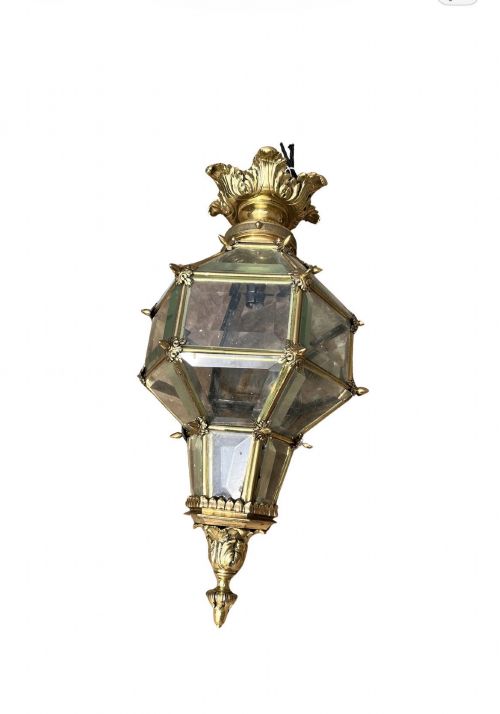
- A ceiling light fixture mounted flush or close to the ceiling surface. These often combine cut glass bowls with ornate metal mounts.
Rococo Revival Lamps: Frequently Asked Questions
What periods do these lamps come from?
Most pieces date from the nineteenth century, spanning the Victorian era and the later decades of the eighteen hundreds. Some examples extend into the early twentieth century around nineteen twenty.
These later pieces often maintain the heavy French influence and ornate metalwork established during the height of the revival.
How do I identify a rococo revival lamp?
Look for characteristic design elements such as C-scrolls, asymmetrical floral motifs, and organic shell shapes derived from nature. Gilt bronze mounts and hand painted porcelain bodies are common indicators.
Makers frequently incorporated figures like cherubs or putti into the cast metal bases and lamp stems.
Were these lamps originally electric?
Almost none of these lighting pieces started life with electrical wiring. Many began as oil lamps, astral lamps, or standard candlesticks before being converted.
Metal statuettes and ewers also served as bodies for illumination later in their working lifespan.
How do I style these lamps at home?
These ornate pieces function well on side tables, credenzas, or walnut occasional furniture where their gilded surfaces catch the light. They pair naturally with rich timbers and traditional interiors.
Allowing sufficient space around the lamp ensures the detailed casting and painted porcelain remain the visual focus.