

Antique Cherub Lights
Antique cherub lights bring figural charm and illumination to interiors through cast metal, carved wood, and porcelain.
Antique Cherub Lights
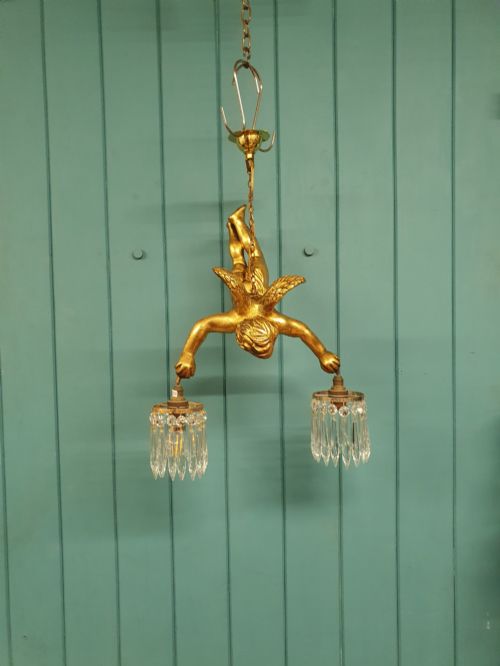
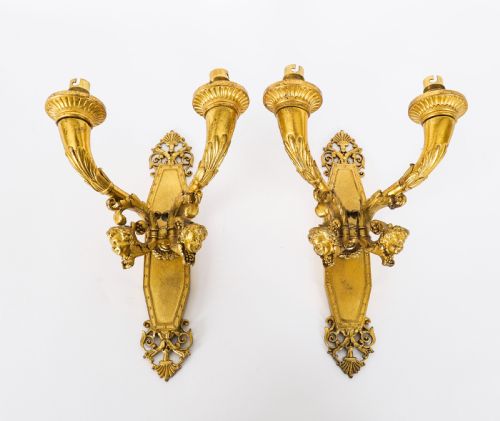
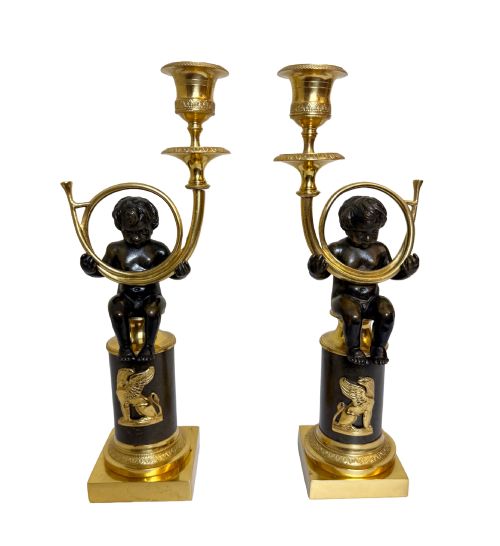
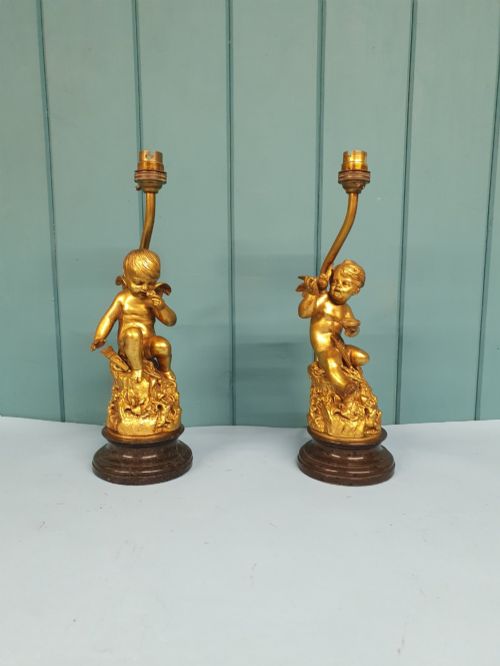
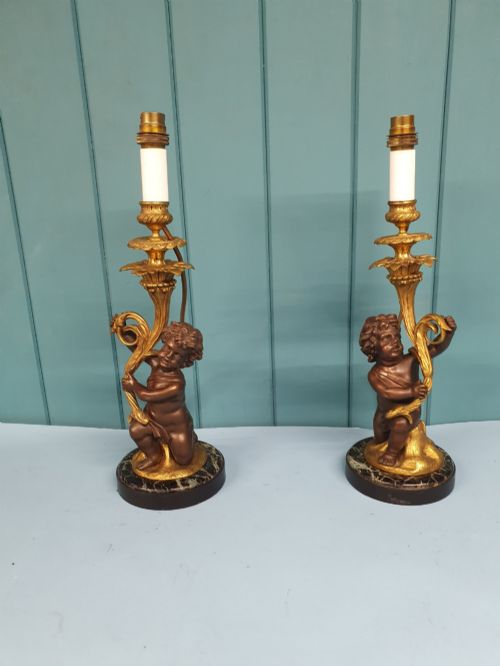
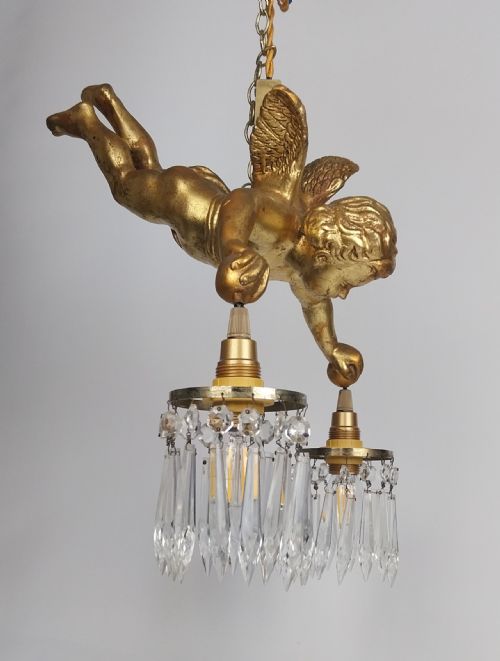
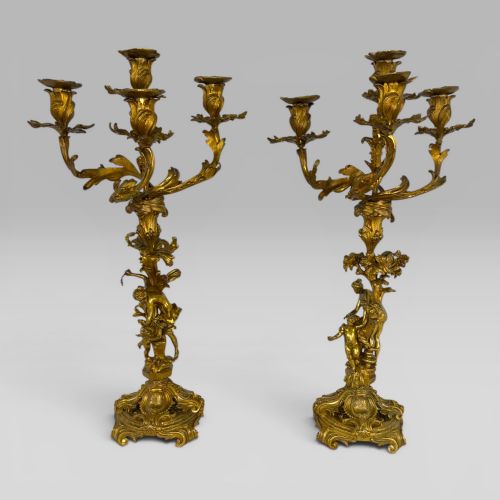
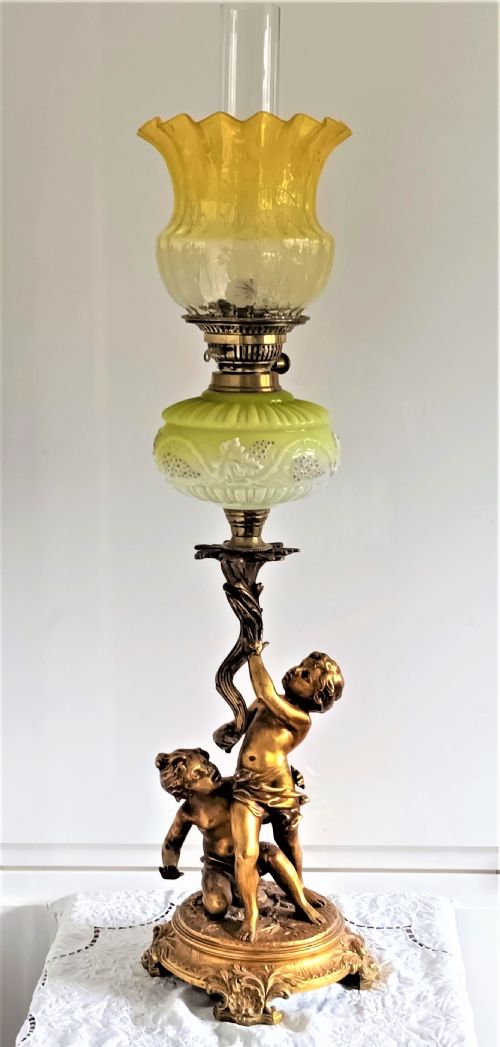
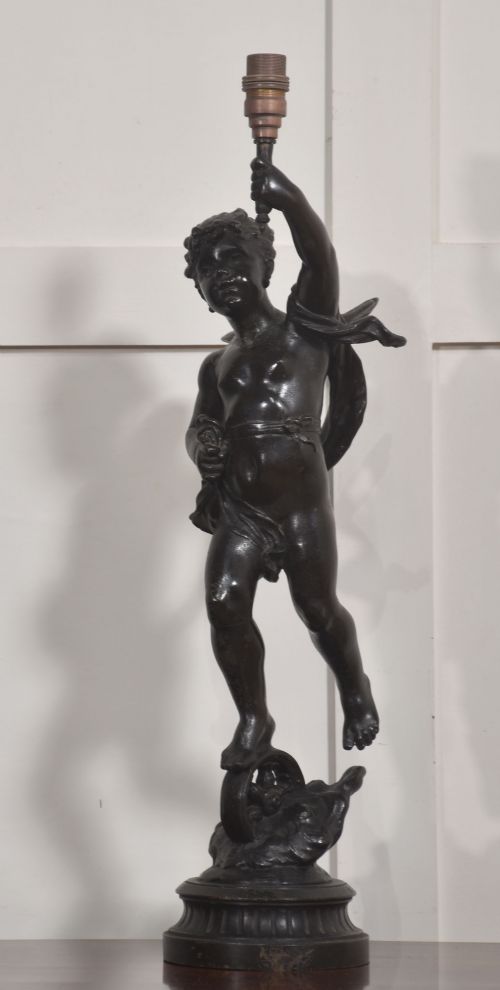
When you search for antique cherub lights, you encounter ornamental lighting and candleholders incorporating figural putti or winged cherubs across table lamps, wall sconces, and chandeliers.
The pieces on this page span the nineteenth century and the early twentieth century, drawing heavily on French Rococo, Empire, and Baroque stylistic revivals.
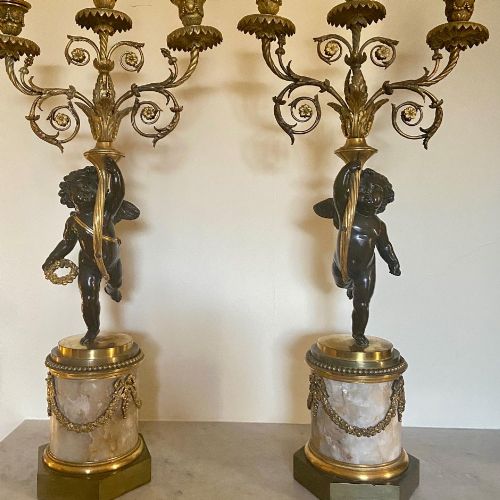
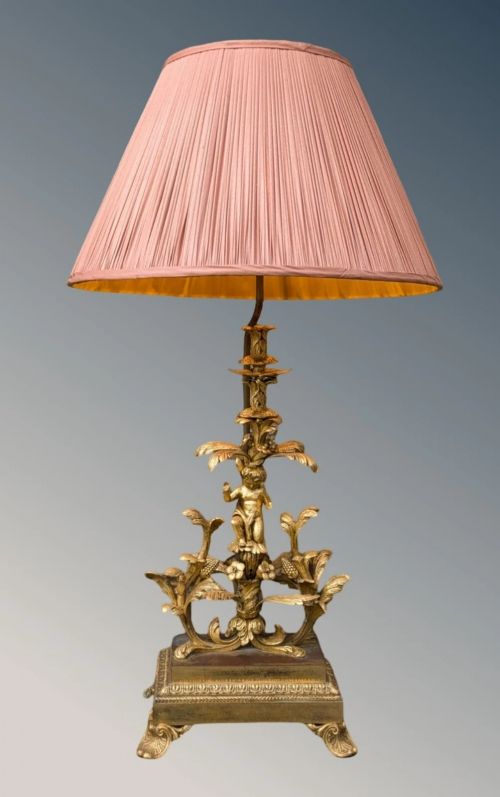
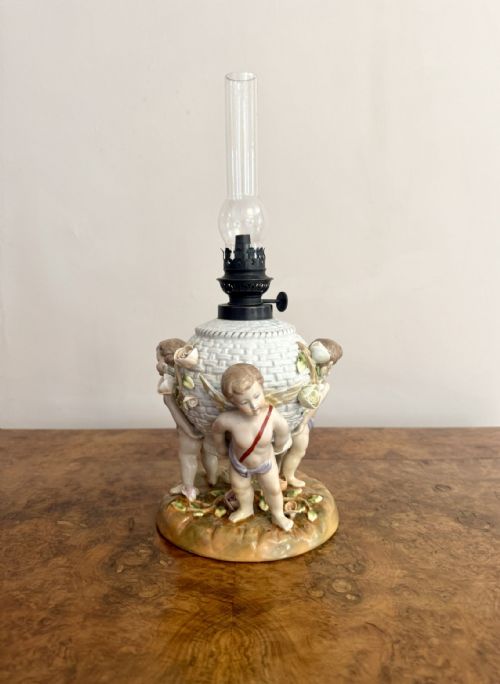
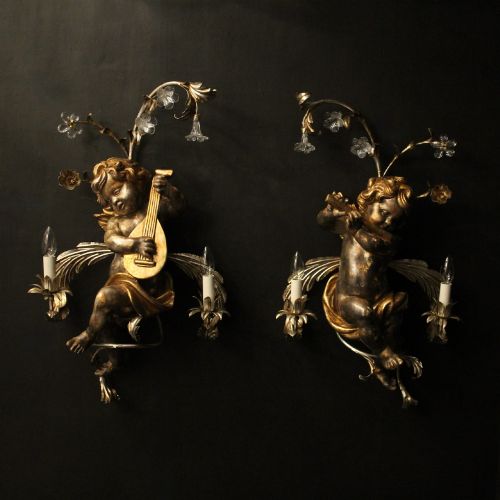
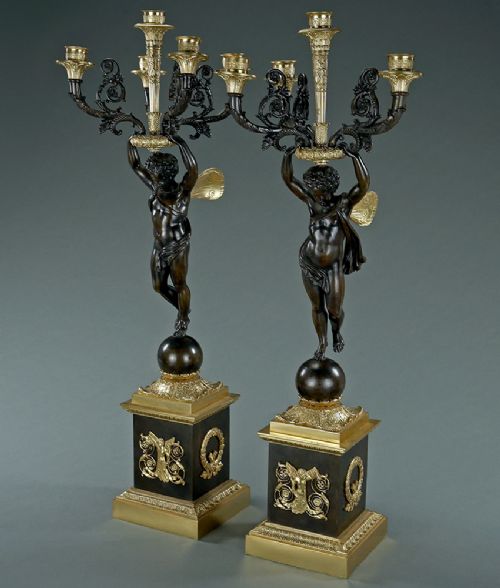
You will most frequently meet pairs of gilt bronze, brass, or ormolu wall lights and candelabra alongside porcelain and glass table lamps.
Materials and construction methods
Foundry workers cast metal components in bronze, brass, spelter, and ormolu, frequently applying gilding or patination to enrich the surface texture of the figures.
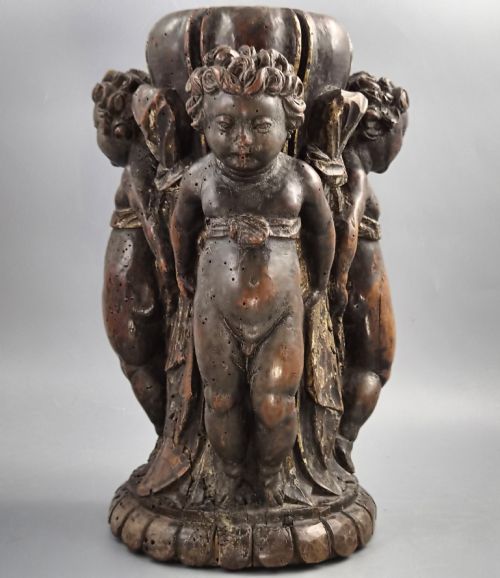
Cabinetmakers and carvers shaped wooden bases such as walnut and giltwood, while ceramists produced porcelain figures and floral elements for specialised lamps and sconces.
Assembly often combined carved stone, marble, or fluorspar plinths with metal mounts, cut glass crystal spikes, and lustre drops.
Listings feature materials spanning gilt bronze, ormolu, carved walnut, and porcelain across the nineteenth and early twentieth centuries.
Quality distinctions in manufacture
The refinement of the figural carving or casting sets the superior examples apart, showing distinct facial expressions and detailed feather work on the wings rather than soft, generalized contours.
Heavier metal foundations, substantial marble or stone plinths, and integrated heavy ormolu mark the higher tier of production.
The integration of delicate components, such as porcelain flowers or hand-cut glass crystal drops, determines the overall sophistication of the assembly.
Francois Redmond·Sitzendorf
The Antique Cherub Lights Glossary
- Ormolu
- A gilded bronze technique utilising finely ground gold mercury amalgam applied to a cast bronze base. This process creates a durable golden finish characteristic of French decorative arts.
- Putto
- A plump, naked male child figure frequently depicted in classical art and architectural decoration. These figures form the central sculptural element of many lighting fixtures.
- Candelabra
- A branched candlestick designed to hold multiple tapers or candles simultaneously. They often share stylistic traits with contemporary wall sconces.
- Torchiere
- A tall stand or floor-standing lamp base originally designed to hold a torch or single candle. Later examples frequently incorporate figural supports.
- Spelter
- An alloy of zinc and lead cast to imitate bronze. It appears frequently in lighter, more affordable decorative items from the nineteenth and early twentieth centuries.
Antique Cherub Lights: Frequently Asked Questions
How do I mount heavy wall sconces?
Wall sconces require secure attachment to wall studs or the use of appropriate cavity wall fixings capable of supporting the combined weight of metal and marble components.
Professional installation by an electrician ensures that internal wiring safely accommodates older fixtures.
Are these lights converted from gas?
Many lighting fixtures originating from the Victorian period and earlier were originally designed for gas or candles before undergoing later conversion to electricity.
Rewiring allows these pieces to function safely while retaining their historical metalwork and decorative integrity.
How should I clean gilded bronze surfaces?
Dust gilded bronze and ormolu gently with a soft, dry brush to prevent accumulation without disturbing the delicate patination or finish.
Avoid commercial chemical polishes entirely, as abrasive substances strip away historical gilding permanently.
Can I date these pieces by style?
Stylistic revivals often emulate earlier French or Italian periods, making surface wear, casting methods, and fastening types more reliable indicators of age than decorative motifs alone.
Nineteenth-century interpretations frequently combine historical revival styles with contemporary manufacturing techniques of their specific decade.