




1920s Brass Table Lamp
A 1920s brass table lamp brings immediate period character to a room through its polished metal and practical illumination.
1920s Brass Table Lamp
When you search for a 1920s brass table lamp, you encounter items originating primarily from the 1920 and 1930 periods, encompassing both standard table models and adjustable desk lighting. The selection spans straightforward twist columns, church candlesticks adapted for illumination, and flexible angle lamps designed for focused work.
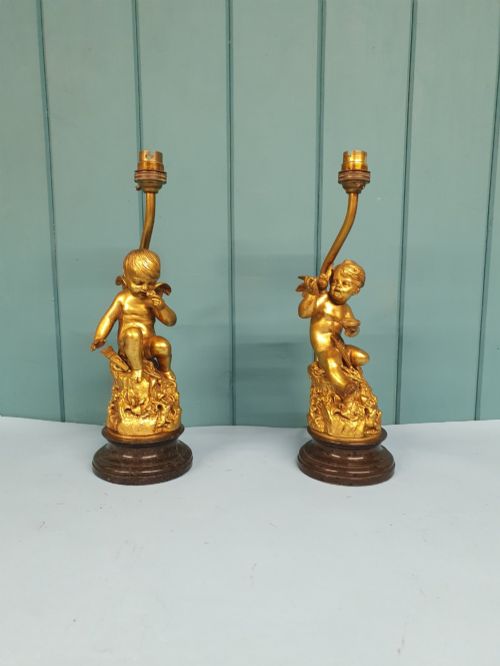
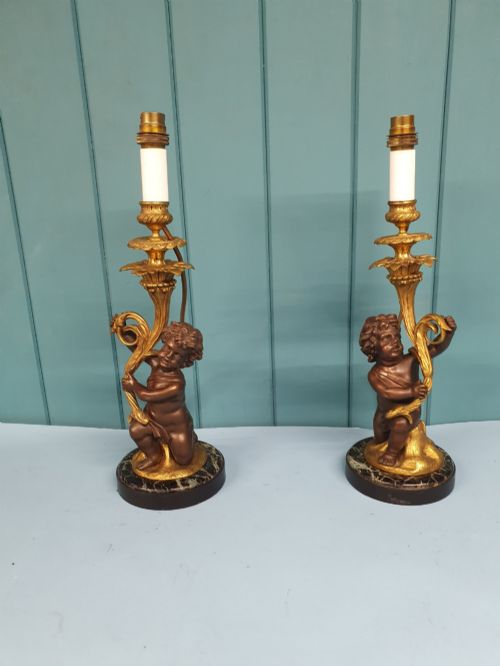
The aesthetic vocabulary bridges several movements, featuring Art Deco geometric designs alongside French Rococo Revival cast figures and neoclassical column forms. Many of these pieces integrate mixed materials, pairing metal uprights with porcelain bases or incorporating original fabric and opaline shades.
How they were made
The construction relies heavily on cast and turned brass, often complemented by gilt metal, marble, and opaline glass components. Makers utilised flexible tubing and adjustable joints for desk variants, permitting directional movement while maintaining electrical wiring.
Decorative elements frequently combine metalwork with painted porcelain figures, such as Pierrot studies or cherubs, anchored to solid plinths. Surface finishes range from high-polish gilt to patinated cast brass and silver plating.
Listings combine pieces from 1920 and 1930, uniting utilitarian flexible desk lamps with decorative porcelain figural lights.
What varies in quality
The distinction between tiers rests on the weight of the casting and the crispness of applied detail, particularly on figural bases and neoclassical columns. Heavier gauge brass and solid marble or porcelain plinths separate substantial desk and table lighting from lighter utilitarian examples.
The integration of original elements, such as specific shades, branded porcelain components, or functional adjustable mechanisms, elevates the integrity of an individual piece. Workmanship in the chasing of metal and the precision of joints dictates the overall standard.
Karl Ens·Anton Buschelberger·Wilhelm Wagenfeld
The 1920s Brass Table Lamp Glossary
- Art Deco
- A design style prevalent in the 1920s characterised by sleek geometric shapes, streamlined forms, and modern industrial influences. It represents a significant departure from previous ornate revivals.
- Opaline glass
- A milky, translucent glass often utilised for lamp shades during the early twentieth century. It diffuses light softly across a room.
- Cast brass
- Molten brass poured into a mould to create solid, highly detailed components such as bases and figural mounts. This technique allows for intricate ornamentation.
- Gilt metal
- Base metal treated with a thin layer of gold paint or leaf to simulate solid gold. It provides a bright decorative finish common in French revival lighting.
- Twist column
- A architectural lamp shaft formed with a spiral twist along its vertical axis. This form adds visual movement to traditional table lamps.
1920s Brass Table Lamp: Frequently Asked Questions
How do I identify a 1920s desk lamp?
Look for heavy cast brass construction, adjustable flexible arms, and specific switch mechanisms characteristic of early electrical fittings.
Many examples also incorporate period styling cues such as stepped Art Deco bases or utilitarian workshop designs.
Are these lamps safe to use today?
Most surviving examples require professional rewiring and safety testing to meet contemporary electrical standards before daily domestic use.
Original brass components and metal holders can typically be retained while updating the internal wiring safely.
Did these lamps originally have shades?
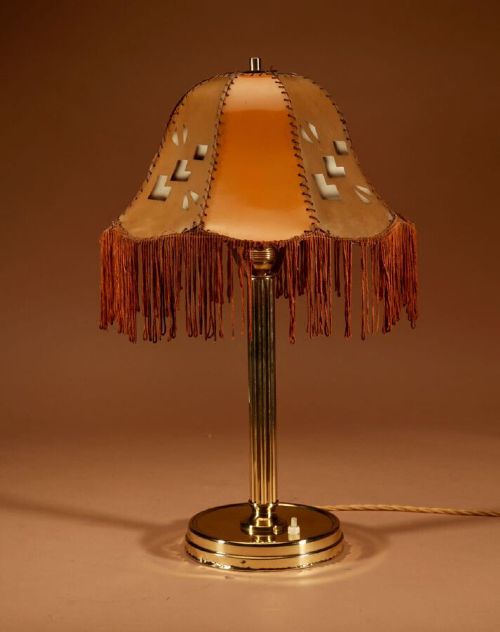
Some pieces retain original fabric or opaline glass shades, while others survive simply as bases ready for pairing.
Shade styles range from simple conical metal reflectors to decorative pleated fabric covers.