
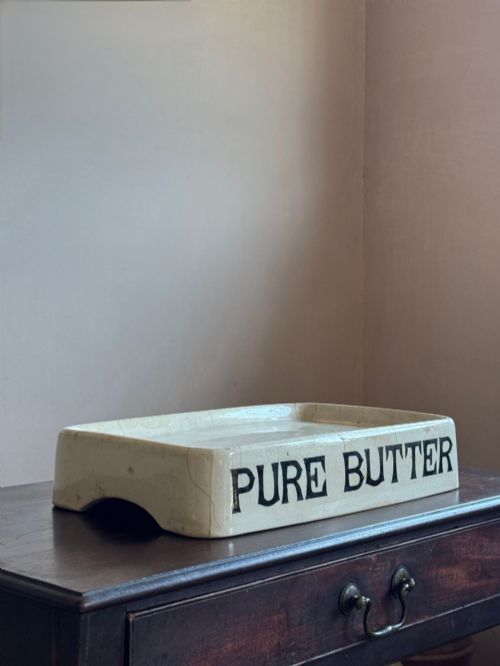
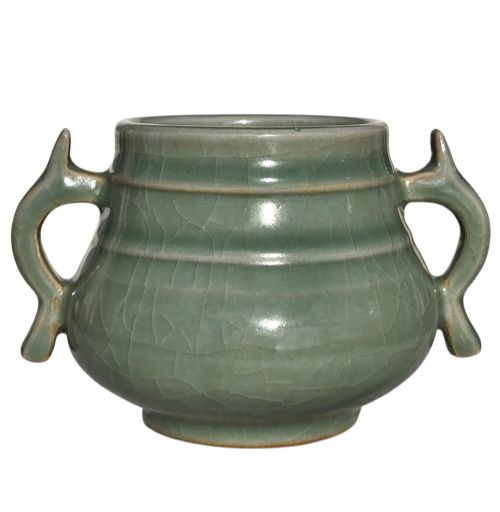
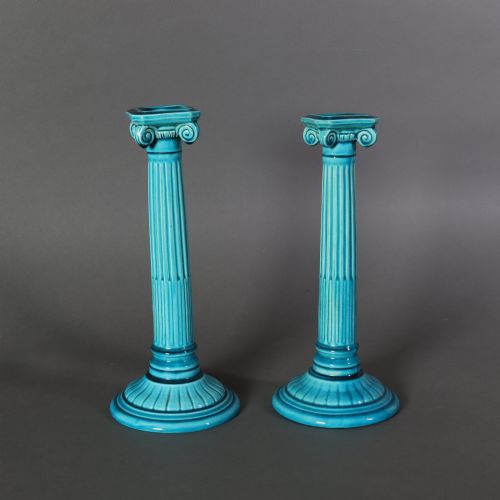
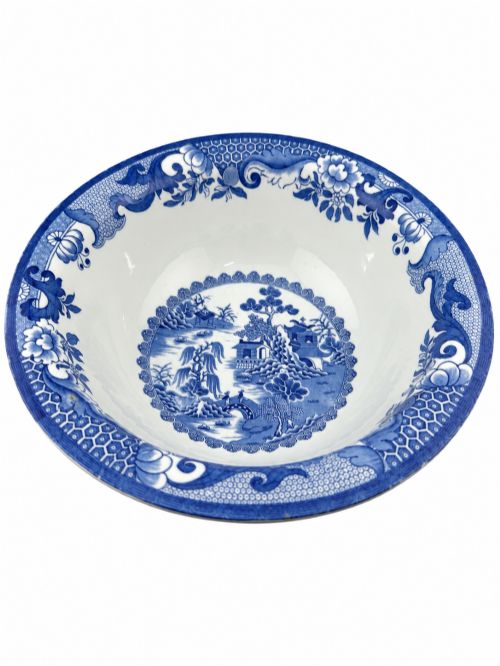
Vintage Ceramic Pottery
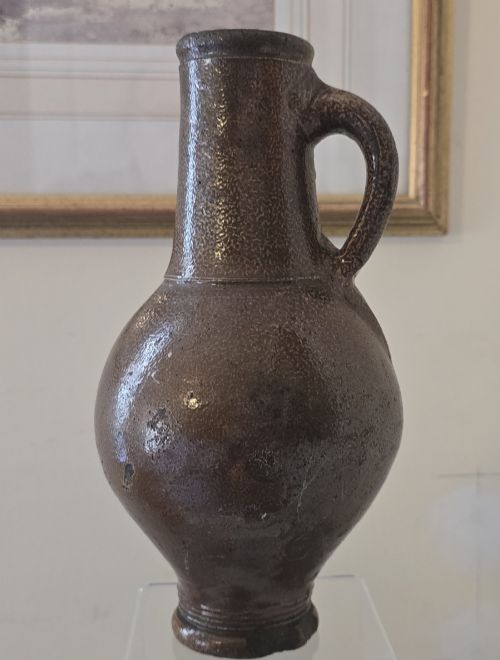
Vintage ceramic pottery brings together centuries of earth, glaze and fire, offering collectors everything from robust stoneware flagons to delicate lustre jugs.
Vintage Ceramic Pottery
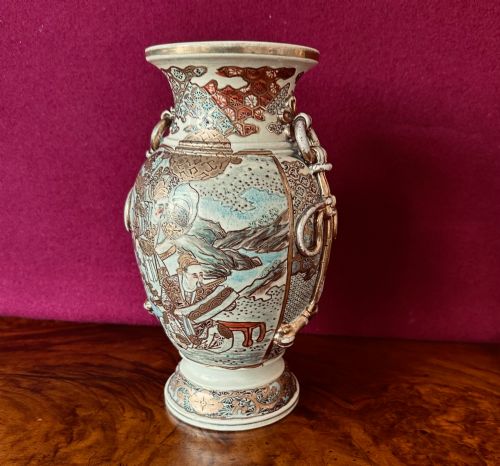
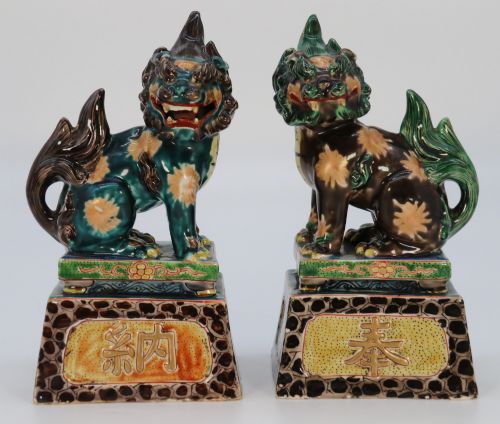
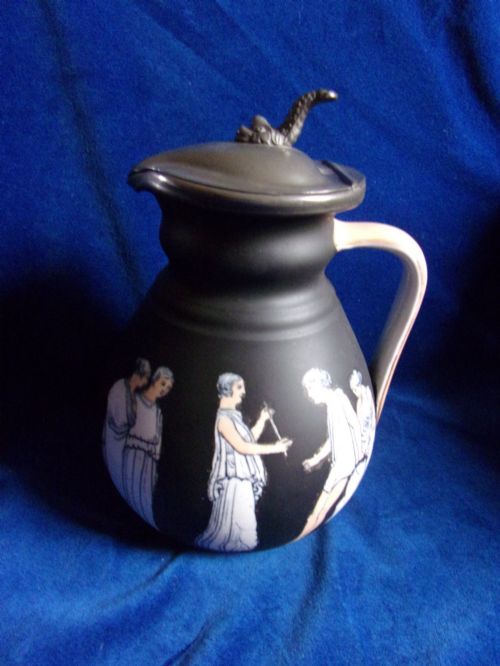
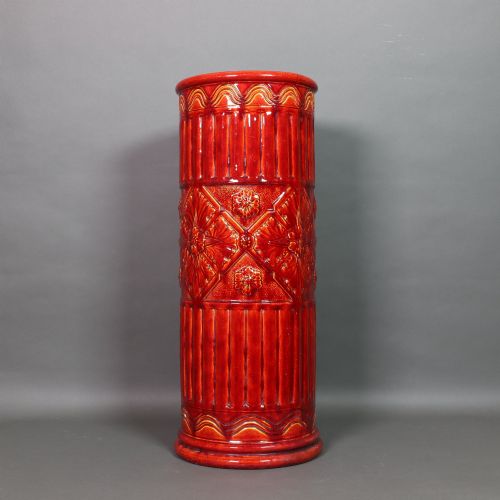
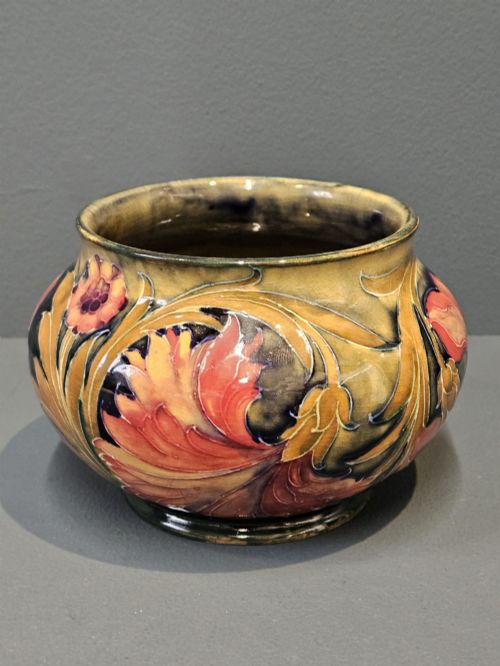
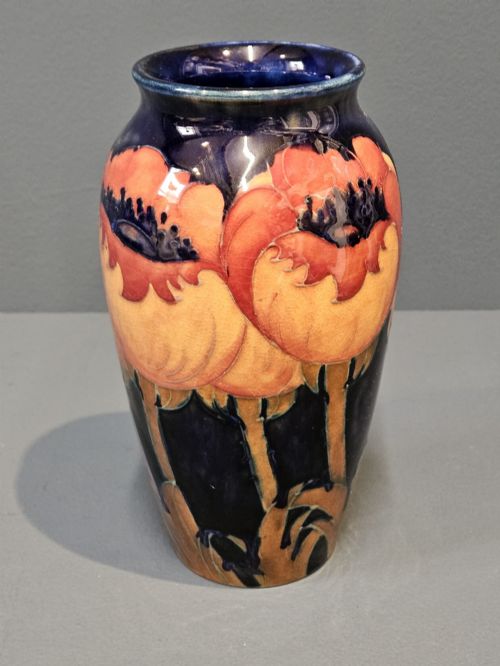
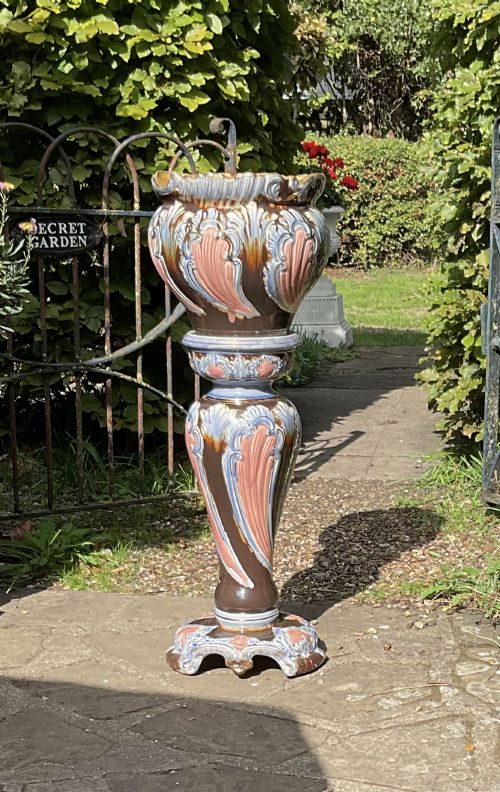
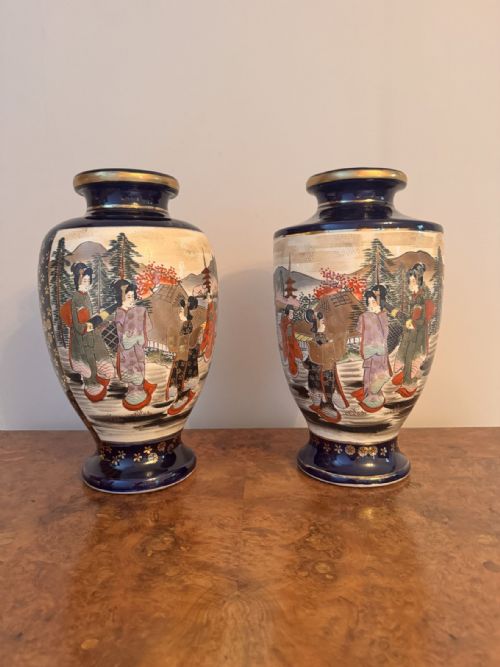
Vintage ceramic pottery spans a broad landscape of utilitarian vessels and decorative objects originating from the eighteenth, nineteenth and early twentieth centuries. These pieces encompass everything from sturdy French confit pots and salt-glazed water filtration fountains to refined Minton and Moorcroft vases.
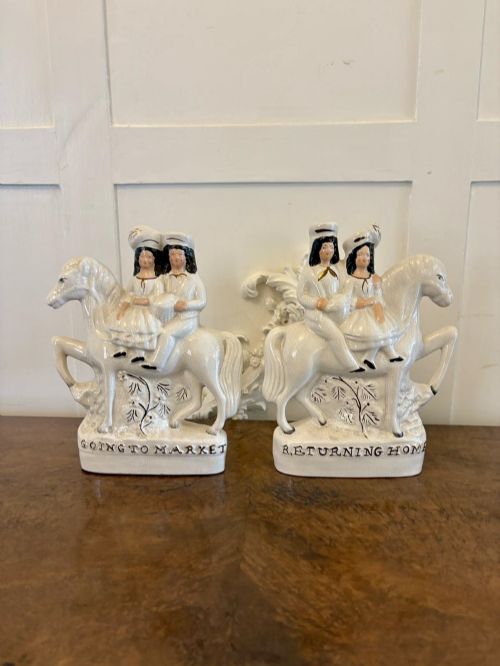
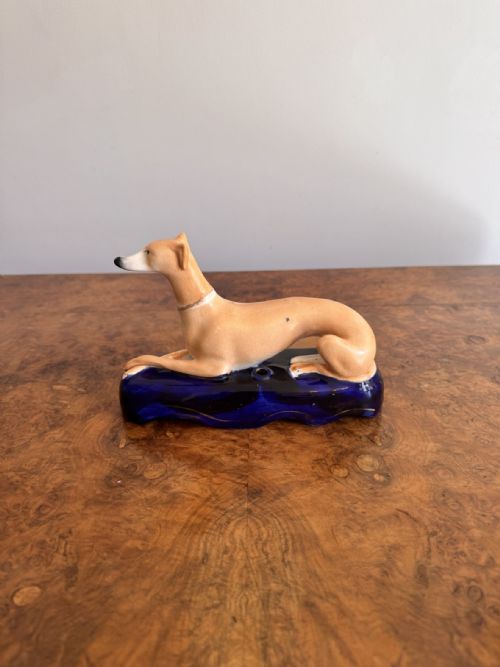
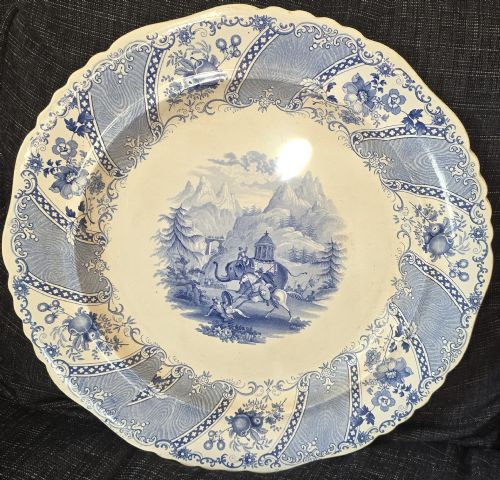
The selection on this page leans heavily toward nineteenth-century items, alongside Edwardian and Art Deco productions. Buyers encounter diverse regional forms, including Sunderland lustre jugs, Dutch Delft chargers and Staffordshire animal models.
Vessels for the table and home dominate the inventory, stretching from cheese domes and jelly moulds to decorative wall plaques and oil jars. Each category reflects the domestic or commercial habits of its period.
Distinctions in quality and execution
Quality rests in the crispness of the moulding, the control of the glaze and the ambition of the design. Pieces with hand-painted details or specialised tube-lined patterns demand greater skill from the potter than plain utilitarian containers.
Preservation of the original surface, bright lustre finishes, and clear maker marks or naming inscriptions elevate certain examples above standard production wares.
A pair of ceramic cows stands quietly among the vases, proving that historical potters enjoyed sculpting livestock just as much as functional jugs.
Moorcroft·Minton·Royal Doulton·Royal Dux Bohemia·Mason's·Wedgwood·Doulton Lambeth
The Vintage Ceramic Pottery Glossary
- Earthenware
- Porous pottery fired at lower temperatures, typically requiring a glaze to hold liquids. This material forms the base for much of the traditional domestic ware found in early collections.
- Stoneware
- A dense, impermeable pottery vitrified at high temperatures. It resists moisture naturally and often appears in heavy storage jars and flasks.
- Lustreware
- Pottery finished with a metallic glaze that creates an iridescent sheen. Sunderland pieces frequently use pink splash lustre to frame transfer-printed scenes.
- Creamware
- A refined, pale-yellow earthenware developed in the eighteenth century. It provided a smooth, light surface ideal for tableware.
- Tube-lining
- A ceramic decoration technique where thin trails of clay slip are squeezed onto a vessel through a nozzle to outline a pattern. Minton Secessionist wares employ this method.
Vintage Ceramic Pottery: Frequently Asked Questions
How do I clean vintage pottery safely?
Dust dry surfaces gently with a soft brush to protect fragile glazes and aged earthenware bodies. Avoid harsh detergents or soaking pieces that show signs of old hairline fractures.
Keep antique ceramics away from modern dishwashers and sudden temperature shifts. Hand washing in lukewarm water with mild soap is sufficient for robust stoneware and glazed items.
Are these ceramic pieces safe for food?
Many nineteenth-century utilitarian vessels were made with lead-based glazes or materials suited for dry storage rather than daily dining. Consider display or careful dry use for older items.
Verify whether a piece has interior cracking or glaze flaking before using it to serve food or liquids. Purely decorative vases and advertising flasks are best kept off the dining table.
What is the difference between earthenware and stoneware?
Earthenware is fired at lower heats and remains porous unless coated in a protective vitreous glaze. It accounts for much of the traditional decorative pottery and colourful jugs.
Stoneware reaches higher firing temperatures until the clay vitrifies into a non-porous, stone-like body. This makes it heavier and naturally waterproof without heavy glazing.
How do I identify a lustre jug?
Lustre jugs feature a distinctive metallic sheen applied over the glaze during a secondary, low-heat firing. Sunderland pieces often display pink splash effects alongside transfer-printed maritime or Masonic motifs.
Inspect the surface under good light to spot the characteristic copper or silver iridescence. These jugs date primarily from the late eighteenth and nineteenth centuries.