



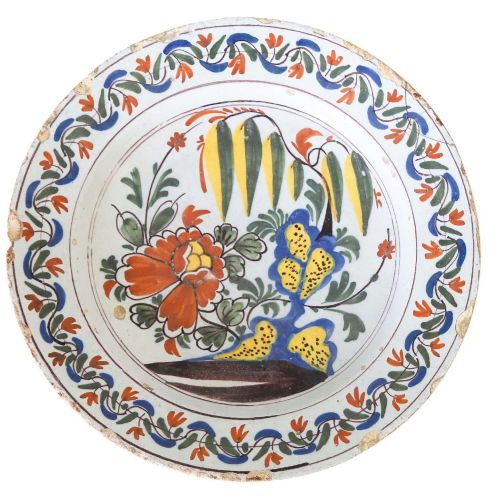
Vintage Ceramic Display Plate
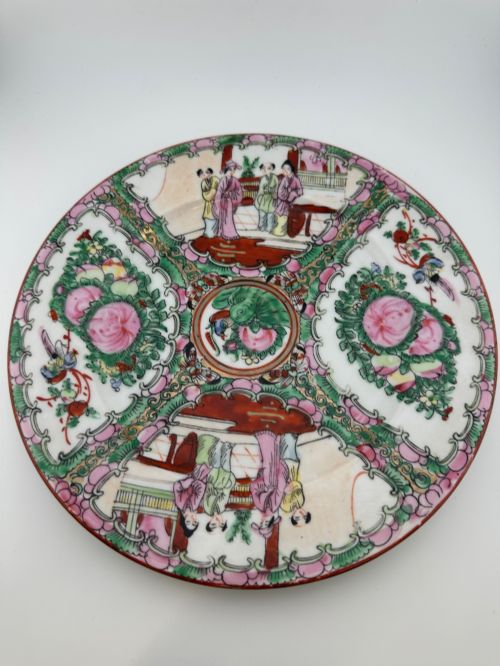
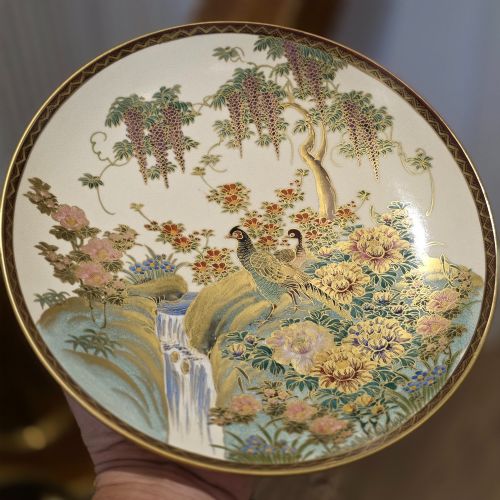
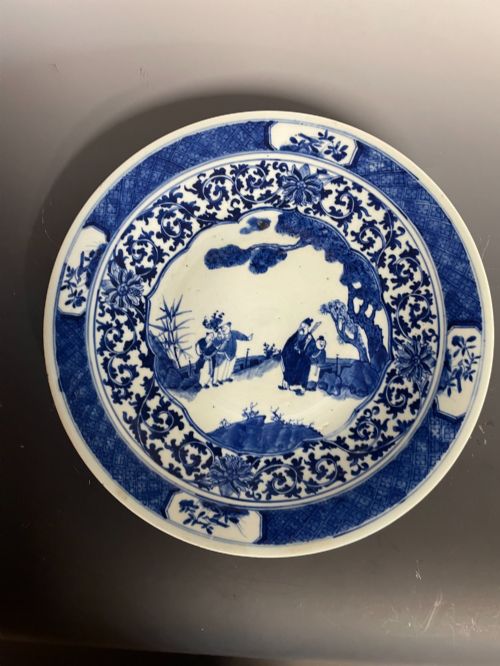
These vintage ceramic display plate examples bring together centuries of painted porcelain, earthenware and ironstone made for walls and cabinets.
Vintage Ceramic Display Plate
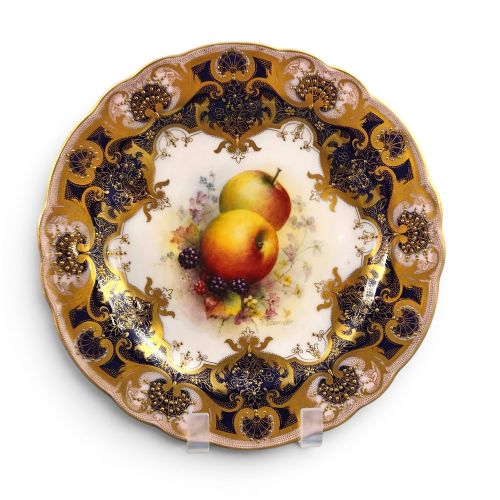
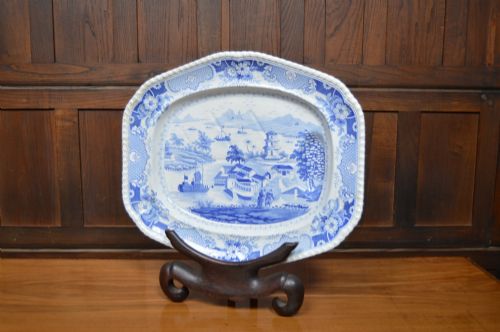
A vintage ceramic display plate is typically a cabinet plate, charger, or decorative dish created to be shown rather than used at the dining table. The pieces found here span the eighteenth, nineteenth, and early twentieth centuries, encompassing English ironstone, Dutch and English Delftware, French faience, and Japanese Imari porcelain.
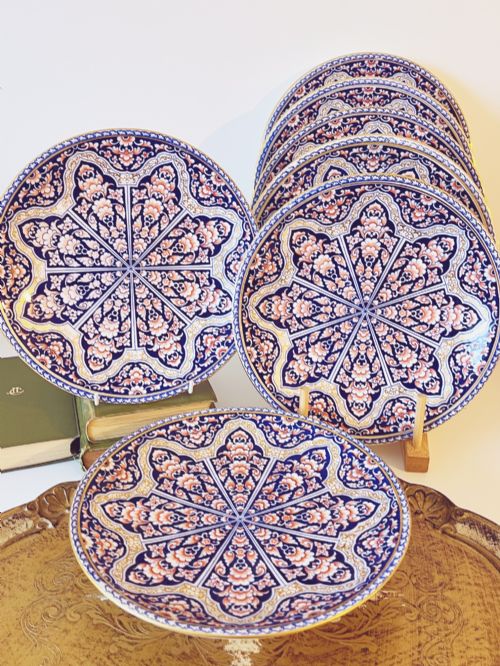
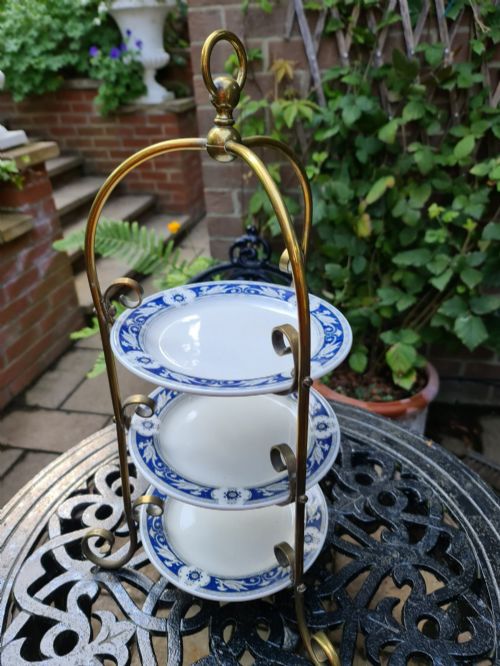
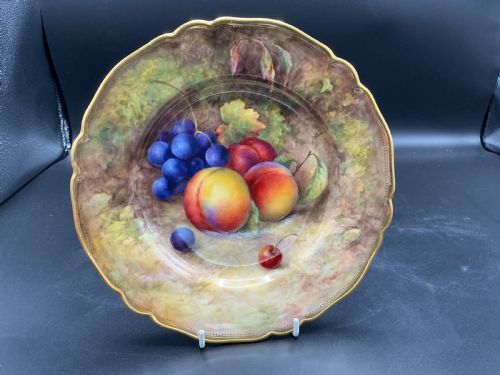
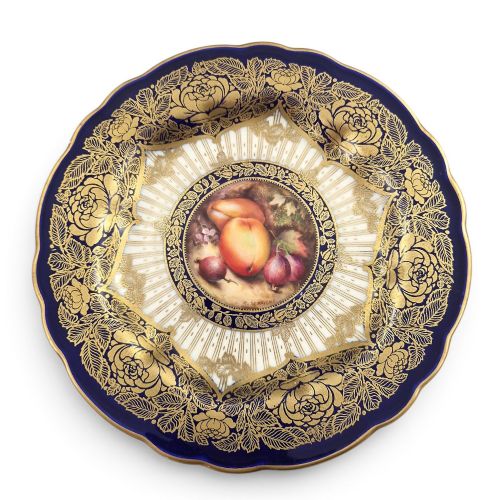
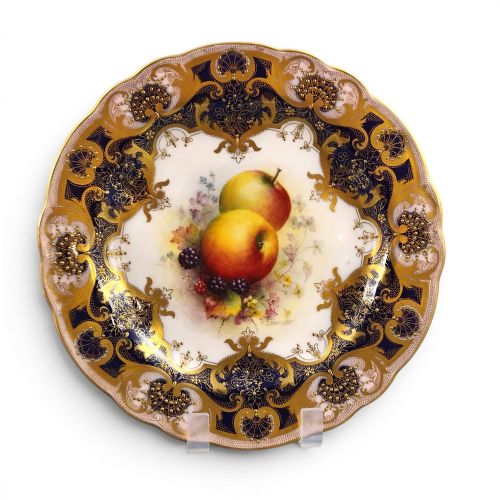
Buyers will encounter large chargers alongside sets of dessert plates and individual cabinet plates painted with fruit, florals, or traditional scenes. Styles range from Georgian and Victorian Imari to Edwardian cake stands and Art Deco Royal Worcester pieces.
How They Were Made
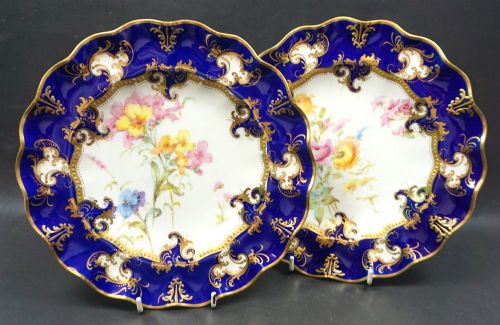
The makers utilised ceramic, porcelain, earthenware, and ironstone bodies finished with intricate glazes and hand-painted pigments. Many pieces incorporate gold leaf, enamel, and gilt highlights applied over the fired glaze.
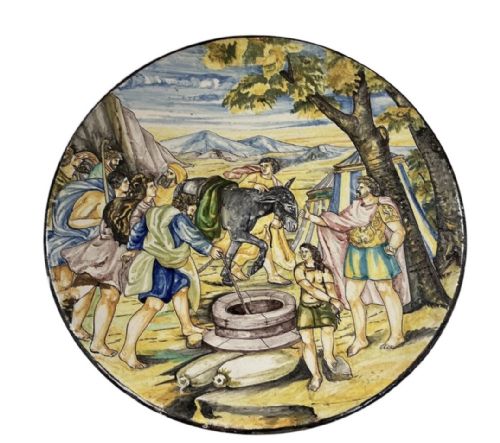
Techniques include blue and white transfer printing, hand-painted polychrome decoration, and specialised styles such as Japanese Meiji period Imari and Italian maiolica.
Several plates depict the Seven Lucky Gods, reminding viewers that breakfast can occasionally involve divine intervention.
What Varies in Quality
The standard of a vintage ceramic display plate rests on the precision of the hand painting and the complexity of the polychrome or gilt design. Works signed by known artists or produced by notable potteries show superior brushwork and glaze stability.
Form and decoration also dictate distinction, such as square shaped plates, ribbon edges, or large chargers depicting detailed figurative scenes rather than standard floral patterns.
Royal Crown Derby·Royal Worcester·Royal Doulton·Mason·Koshida
The Vintage Ceramic Display Plate Glossary
- Charger
- A large decorative plate traditionally used for display or as a base for smaller service dishes. These broad ceramic pieces often feature prominent painted scenes.
- Cabinet Plate
- A fine decorative plate intended to be showcased in a cabinet or mounted on a wall rather than used for dining. They frequently display high-level artistic painting.
- Imari
- A style of Japanese porcelain featuring distinctive underglaze blue and iron red, often supplemented with gold. It became widely imitated in European factories.
- Ironstone
- A heavy, durable type of earthenware patented in the nineteenth century. It provides a strong body for transfer-printed and brightly coloured designs.
- Delftware
- Tin-glazed earthenware produced in England, Holland, and France. It is recognised by its opaque white glaze and hand-painted blue or polychrome decoration.
Vintage Ceramic Display Plate: Frequently Asked Questions
How do I hang a display plate safely?
Plates can be mounted using spring-loaded brass wall hangers that grip the rim securely without damaging the ceramic body. Ensure the wire or hook is rated to support the weight of heavier ironstone chargers.
For cabinet display, use sturdy wooden or acrylic plate stands that tilt the piece back at a safe angle. Avoid placing heavy porcelain pieces near the edge of shelves where they might be easily knocked.
What is the difference between a plate and a charger?
A charger is substantially larger than a standard dining or dessert plate, typically measuring well over thirty centimetres across. They were designed to dominate a tablescape or create a strong focal point on a wall.
Standard plates found in these listings usually form part of a dessert service or act as individual cabinet display pieces. Their smaller scale suits enclosed glass display cabinets and smaller wall spaces.
Can I use these plates for serving food?
Most antique and vintage display pieces are intended purely for decorative use and may contain historical glazes unsuited for modern culinary standards. Hand-painted enamels and gold leaf decorations can easily scratch or wear away with regular use and washing.
Service sets from the nineteenth and twentieth centuries were functional in their original period, but age has made their surfaces too fragile for daily dining. Preservation requires keeping them in display cabinets or mounted on walls.
How do I identify Japanese Imari?
Japanese Imari porcelain is instantly recognisable by its distinct palette of cobalt blue, iron red, and sparing applications of gold leaf. The patterns frequently combine floral motifs with complex brocade borders.
Pieces dating from the Meiji period and earlier exhibit rich, dense hand-painting directly on the porcelain paste. European imitations often use transfer printing beneath the glaze rather than hand-applied enamels.