






Vintage Ceramic Display Dishes
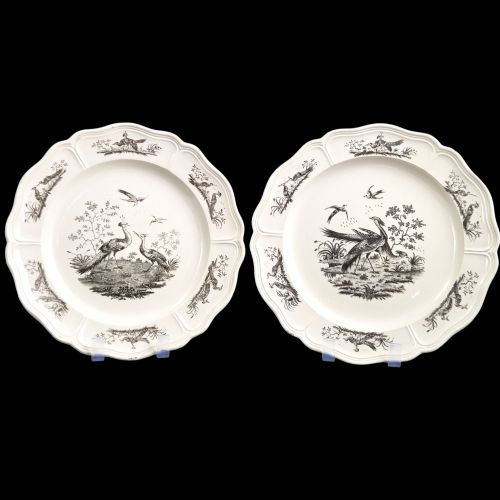
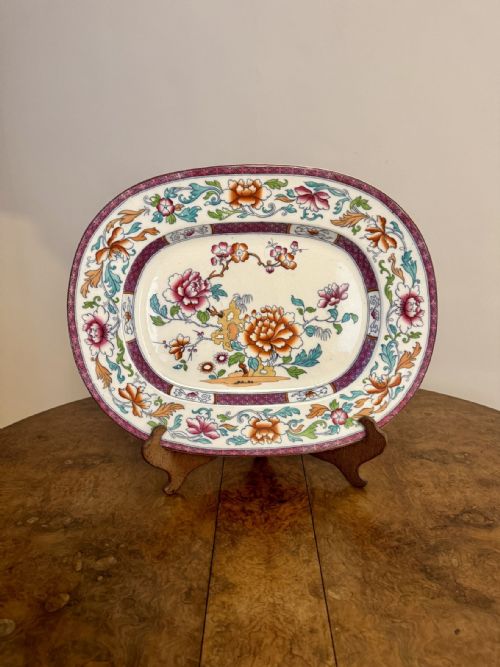
These vintage ceramic display dishes bring together centuries of painted porcelain, earthenware and delftware made to be shown on walls and cabinets.
Vintage Ceramic Display Dishes
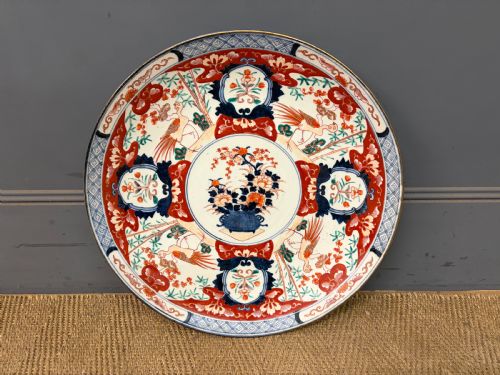
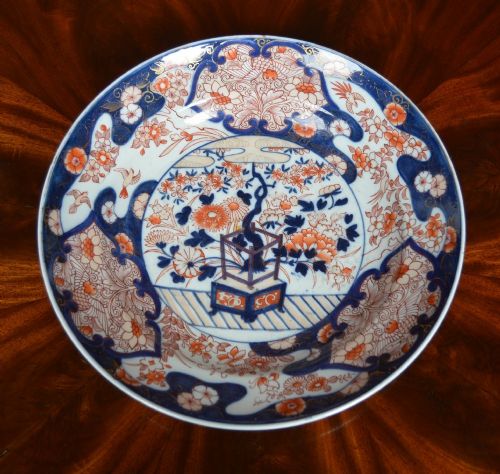
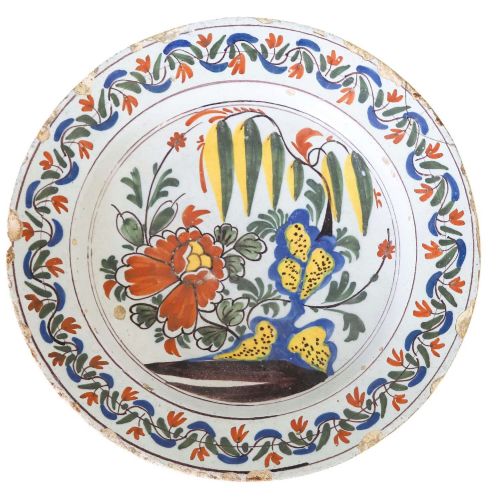
Vintage ceramic display dishes encompass a broad range of decorative plates, chargers, bowls and cabinet plates originating from European and Asian kilns. When searching for vintage ceramic display dishes, buyers frequently encounter Japanese Imari chargers and bowls from the Meiji period alongside English and French delftware from the eighteenth century.
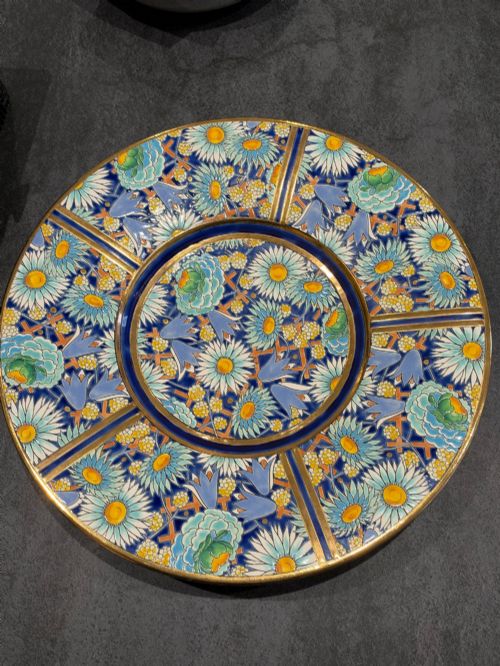
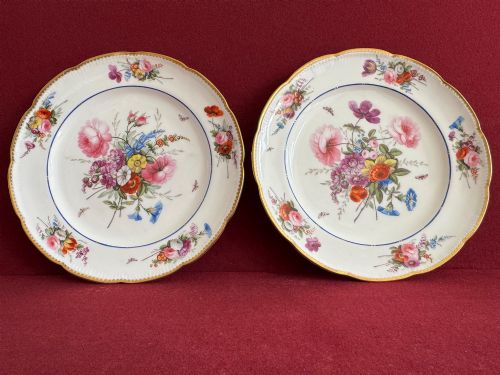
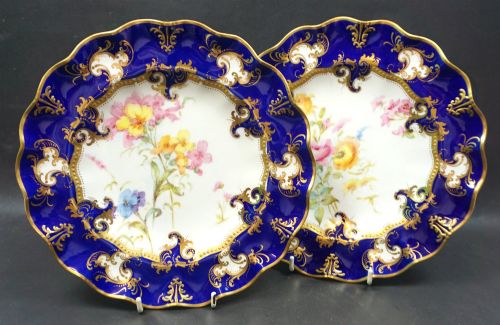
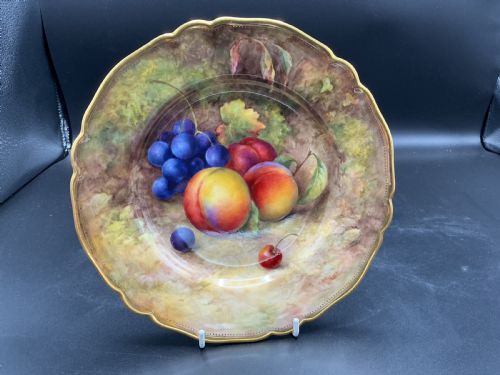
The selection ranges from large decorative chargers designed for central wall hanging to delicate cabinet plates created for enclosed display. Pieces span multiple centuries, capturing the distinct aesthetic shifts from eighteenth-century floral Delft and Sevres porcelain to twentieth-century Art Deco tubelined designs and hand-painted fruit compositions.
Materials and Techniques
Potters utilised porcelain, earthenware, and ironstone as the structural bodies for these display pieces, applying lead and tin glazes to create smooth surfaces. Cobalt underglaze, enamel colours, and hand-painted pigments were then applied across the body before firing.
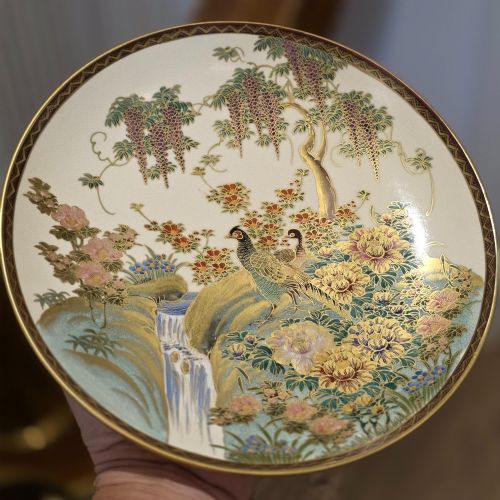
Gilding with gold leaf frequently highlights the borders and central motifs of cabinet plates and chargers, particularly in English and Japanese production. Specialised techniques such as tubelined decoration and transfer printing also appear on twentieth-century and Victorian pieces.
Vintage Ceramic Display Dishes Retail Price Guide 2026
Typical asking prices for vintage ceramic display dishes among the pieces listed under this phrase on Sellingantiques today, from the lower quarter to the upper quarter. They describe what is for sale here now, not the wider market.
Materials represented across the inventory include porcelain, earthenware, enamel, gold leaf, and cobalt underglaze.
Assessing Quality
Quality rests primarily on the crispness and complexity of the hand-painted decoration, where assured brushwork elevates a piece above standard production. The depth of cobalt underglaze, the vibrancy of enamel palettes, and the precise application of gold leaf dictate the visual success of the surface.
The ambition of the form also separates standard plates from exceptional chargers and cabinet pieces, particularly where scalloped edges, square profiles, or large diameters demand greater technical skill from the potter during firing.
Royal Worcester·Royal Crown Derby·Royal Doulton·Crown Ducal·Mason·Sevres
The Vintage Ceramic Display Dishes Glossary
- Charger
- A large decorative plate traditionally used for display on a sideboard or wall rather than for dining. These substantial pieces often feature rich hand-painted cobalt or enamel decoration.
- Cabinet Plate
- A fine decorative plate intended for display in a glass-fronted cabinet rather than everyday service. They frequently showcase elaborate hand-painted fruit or figural scenes by named artists.
- Imari
- A style of Japanese porcelain featuring a distinctive palette of underglaze blue, iron red, and gilt. Originating in Arita, these export wares were widely collected across Europe from the seventeenth century onwards.
- Delftware
- Tin-glazed earthenware produced in England, the Netherlands, and France, typically decorated with blue and white or polychrome motifs. The opaque white glaze mimics the appearance of Chinese porcelain.
- Transferware
- Pottery decorated by applying a printed design from an engraved copper plate onto the ceramic surface. This technique allowed for intricate narrative and floral scenes to be reproduced consistently.
Vintage Ceramic Display Dishes: Frequently Asked Questions
What is a charger plate?
A charger is a large decorative dish measuring significantly wider than a standard dinner plate. They were made primarily to be displayed on walls, sideboards or central tables.
In older interiors, chargers served as focal points of decorative display rather than functional tableware. Their substantial surface area provided makers with ample space for complex painted scenes.
How do I hang a display plate?
Display plates and chargers require secure fixings that distribute the weight evenly across the ceramic body. Wire spring hangers with protective rubber tips are commonly used for wall mounting.
Care must be taken to choose a hanger sized correctly for the diameter of the dish. For very large or heavy chargers, solid wall brackets or specialised display ledges offer safer support.
How are Japanese Imari plates dated?
Dating Imari porcelain involves examining the weight of the ceramic body, the tone of the underglaze blue, and the quality of the iron red and gilt enamels. Meiji period pieces often display bright, varied palettes and clean white bases.
Earlier pieces from the Edo period typically feature heavier bodies and deeper, slightly greyer underglaze tones. stylistic clues like the rendering of borders and floral panels also help narrow down the production period.
What is the difference between earthenware and porcelain?
Earthenware is a porous, opaque ceramic body fired at lower temperatures, requiring a glaze to become impermeable. It forms the foundation for traditional delftware and ironstone chargers.
Porcelain is a dense, vitrified ceramic fired at much higher temperatures until it becomes semi-translucent and non-porous. This material underpins fine cabinet plates and many Japanese export wares.