





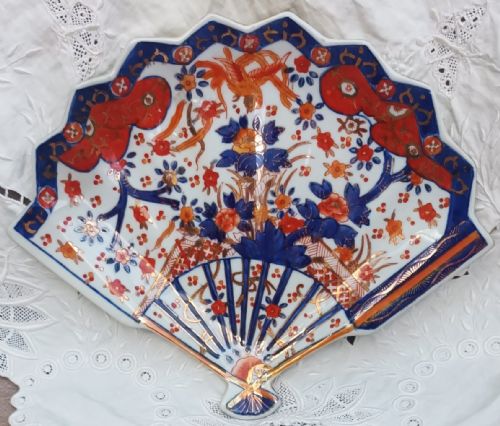


Red Gilded Porcelain Plates
These red gilded porcelain plates combine rich crimson pigments and gold leaf, offering centuries of decorative artistry for your table or cabinet.
Red Gilded Porcelain Plates
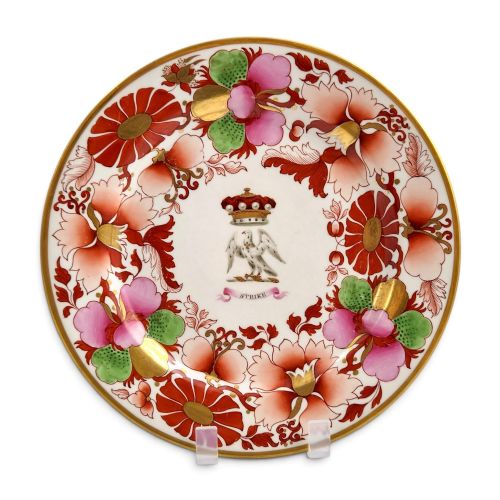
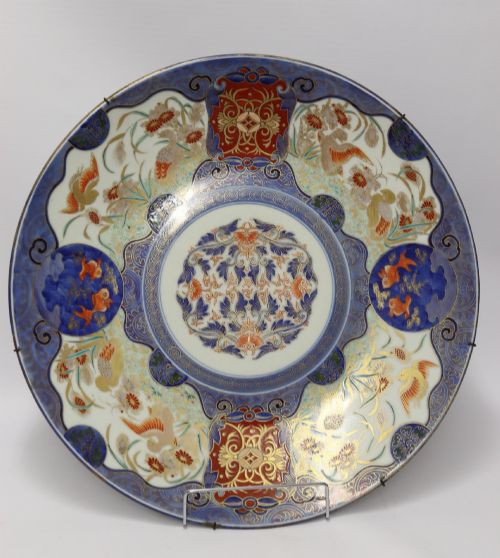
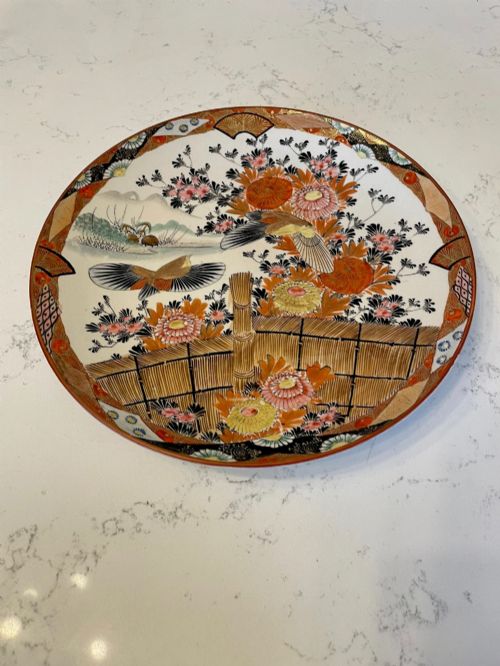
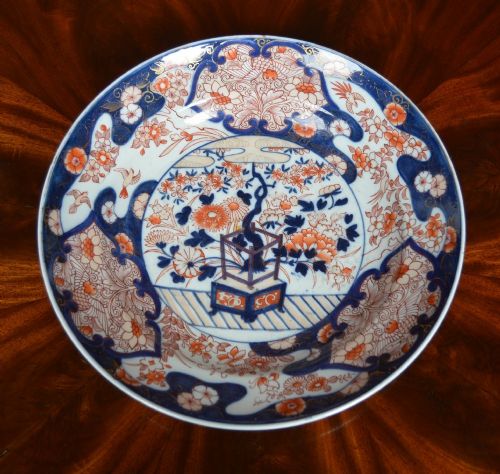
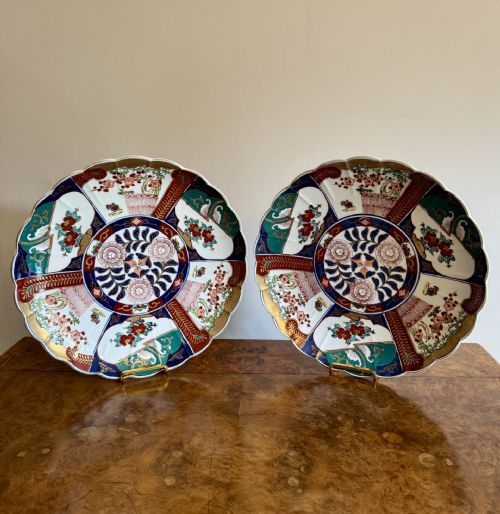
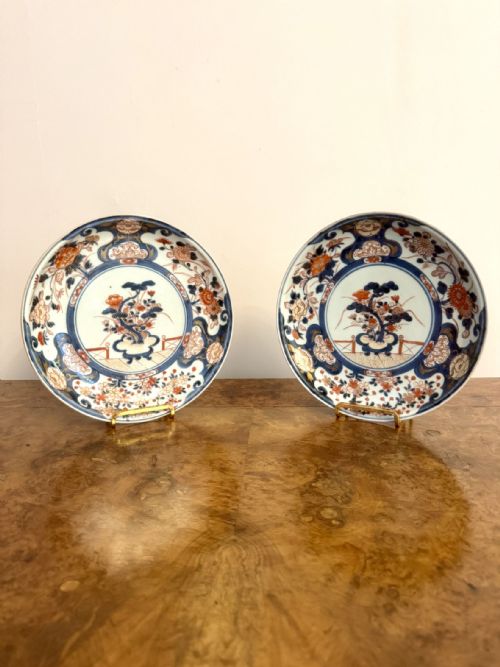
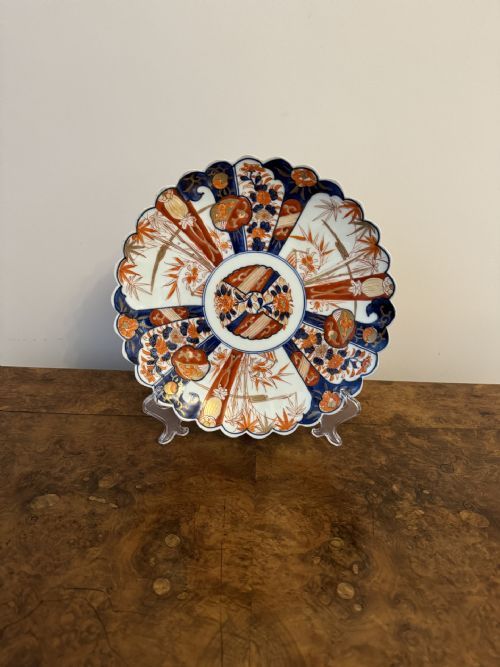
When you search for red gilded porcelain plates, you encounter chargers, cabinet plates, and decorative dishes spanning several centuries. The majority of pieces on this page originate from Japan during the Meiji period and the broader nineteenth century, showcasing traditional Imari designs alongside Chinese wares from the Qing dynasty and European porcelain from factories such as Royal Worcester, Vienna, and Mintons.
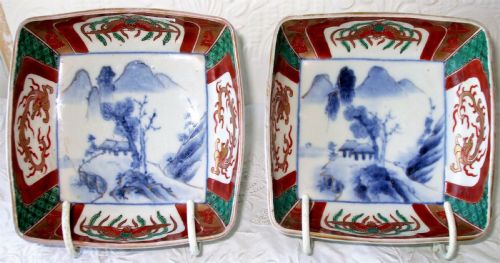
The physical forms vary considerably beyond standard circular plates. Listings include scalloped edges, shell shapes, square profiles, and massive chargers exceeding twenty inches in diameter. These serve primarily as decorative display items rather than utilitarian tableware, intended for placement on sideboards or mounting on walls.
How they were made
Makers utilised porcelain bodies finished with specialised glazes and cobalt underglaze beneath hand-painted enamel decoration. Iron-red pigments and gold leaf or gilt were then applied over the glaze, often requiring multiple firings in kilns to fix the vibrant colours.
Japanese Arita and Imari traditions relied on local clay formulations shaped by hand or wheel before receiving intricate floral, bird, or geometric motifs. European potteries like Royal Worcester and Vienna adopted these stylistic cues while applying their own distinct nineteenth-century paste recipes and factory marks.
Red Gilded Porcelain Plates Retail Price Guide 2026
Typical asking prices for red gilded porcelain plates among the pieces listed under this phrase on Sellingantiques today, from the lower quarter to the upper quarter. They describe what is for sale here now, not the wider market.
Periods represented span from the eighteenth century through the Victorian era and into the early twentieth century.
What varies in quality
The crispness of the hand-painted brushwork separates standard decorative items from superior examples. Fine pieces display precise control in the iron-red enamel and deliberate placement of the gold leaf, whereas lesser items show hurried brushstrokes and uneven pigment saturation.
The complexity of the form and the preservation of the gilding also dictate the tier of the piece. Scalloped edges, unusual shell moulds, and intact gold leaf without rubbing indicate higher workshop standards during production.
The Red Gilded Porcelain Plates Glossary
- Imari
- A style of Japanese porcelain originating from the port of Arita, traditionally decorated in underglaze blue, iron-red, and gold. These pieces were heavily exported to Europe from the seventeenth century onward.
- Charger
- A large decorative plate or dish, typically measuring over twelve inches across. They were historically used for formal service or displayed upright on sideboards.
- Underglaze
- A method of decorating pottery where pigments are applied to the unfired ceramic body before the clear glaze is added. This technique protects the design from wear during use.
- Enamel
- Opaque glass-like coloured paints applied over the fired glaze and then heated at a lower temperature to fuse with the surface. Iron-red is a prominent enamel colour in these wares.
- Gilding
- The application of gold leaf or powdered gold onto the surface of porcelain to highlight rims, motifs, and borders.
Red Gilded Porcelain Plates: Frequently Asked Questions
What is an Imari plate?
An Imari plate is a piece of Japanese porcelain featuring a distinct palette of cobalt blue, iron-red, and gold. These were produced primarily for export and display.
They span multiple centuries and include both traditional plates and large chargers decorated with floral and bird motifs.
How do I display a charger?
Chargers are large decorative dishes designed to be stood on plate rails, mounted on walls with specialised hangers, or rested on cabinets.
Because of their substantial size and delicate gilding, they function best as visual centrepieces rather than functional tableware.
Are these plates dishwasher safe?
These antique porcelain plates require hand washing with mild soap and warm water. Abrasive sponges or modern dishwashers will damage the hand-painted enamels and delicate gold leaf.
Careful handling preserves the original pigments applied during the nineteenth century or earlier.
How do I date a porcelain plate?
Dating relies on identifying factory marks, reign stamps, and stylistic markers such as cobalt underglaze techniques or iron-red enamel saturation. Reference marks from makers like Royal Worcester or Qing dynasty periods provide specific chronological context.
Physical characteristics of the porcelain paste and glaze finish also help determine the era of production.