


Vintage Ceramic Creamer Pitcher
These vintage ceramic creamer pitcher items bring traditional craftsmanship and daily utility to the table, offering a tangible connection to past domestic rituals.
Vintage Ceramic Creamer Pitcher
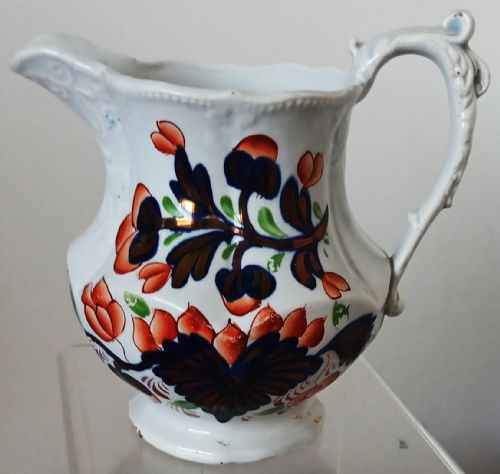
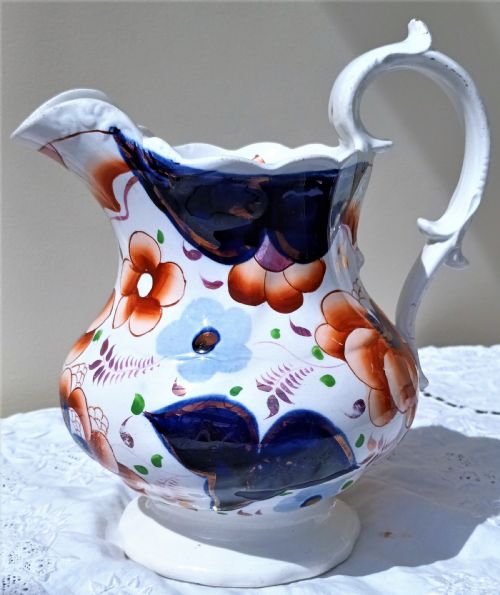
A vintage ceramic creamer pitcher serves the classic purpose of holding and pouring milk or cream at the table. These vessels range from utilitarian dairy containers to refined porcelain serving pieces.
The pieces available here span several centuries and stylistic traditions, including Georgian neomania, Victorian earthenware, and mid-century painted designs. Jugs and pitchers appear in varied forms such as cream jugs, creamers, and novelty cow creamers.
Makers and potteries from English and European traditions dominate the selection, showing distinct regional characteristics in shape and glaze. Buyers often encounter earthenware, pearlware, and porcelain examples reflecting the domestic habits of their respective periods.
How They Were Made
Makers utilised earthen clays, creamware, pearlware, and fine porcelain bodies, shaping them by hand or throwing them on a potter's wheel before firing. Many vessels received an opaque or clear glaze to seal the porous ceramic body.
Decoration relied on handpainted motifs, such as birds, insects, and fruit, alongside transfer printing and applied gold leaf accents. Specific regional potteries employed lustre techniques and distinctive slipware patterns to finish their wares.
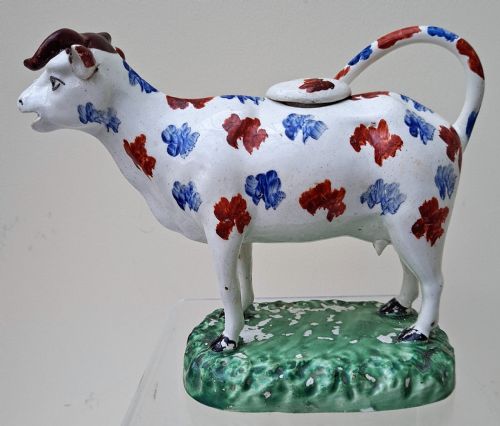
Several cows stand ready to pour tea, proving that historic breakfast tables held a deep appreciation for bovine utility.
What Varies In Quality
The refinement of the ceramic body and the crispness of the moulded details distinguish finer specimens from standard utility ware. Thinner porcelain walls and delicate handles demonstrate higher technical skill in shaping and firing.
The precision and artistic merit of the painted or transfer-printed decoration dictate the upper tier of the range. Handpainted botanical or animal scenes executed with fine brushwork elevate a utilitarian creamer into a display piece.
Leeds Pottery·Masons·Chamberlain Worcester·Royal Worcester·New Hall·Meissen·Copeland Spode·Herculaneum
The Vintage Ceramic Creamer Pitcher Glossary
- Creamware
- A type of fine earthenware with a pale yellowish lead glaze, developed in the 18th century by English potters like those in Leeds. It superseded heavier salt-glazed stonewares for table service.
- Pearlware
- An refined earthenware featuring a bluish-white glaze that pooled in crevices, created to mimic the appearance of Chinese porcelain. It gained widespread popularity during the late Georgian and Regency periods.
- Transfer printing
- A decoration technique where an engraved metal plate transfers a design onto paper, which is then stamped onto the ceramic surface before glazing. This allowed for intricate repeating patterns to be applied efficiently.
- Lustre
- A metallic glaze application that imparts an iridescent sheen to the ceramic surface, often achieved using copper, silver, or gold compounds. It creates a reflective, polished finish prized in 19th-century wares.
- Cow creamer
- A whimsical ceramic vessel shaped like a cow, with a opening on the back for filling and milk pouring from the mouth. Originating in 18th-century Staffordshire potteries, these function as both containers and novelties.
Vintage Ceramic Creamer Pitcher: Frequently Asked Questions
What is a cow creamer used for?
These whimsical vessels served as milk or cream jugs on tea tables, designed to pour liquid directly from the animal's mouth.
Filled through an aperture on the back, they combined playful domestic novelty with practical utility during the Georgian and Regency periods.
How do I distinguish pearlware from creamware?
Creamware exhibits a warm, buttery, yellowish tone in its glaze, whereas pearlware has a subtle blue tint that settles in the recesses of the piece.
Potters added a small amount of cobalt to the glaze formula specifically to achieve this whiter, porcelain-like appearance.
Are these pitchers safe for daily use?
While historic ceramics can hold liquids, antique pieces with delicate overglaze painting or fine earthenware bodies benefit from gentle handling.
Many collectors prefer to display these items or reserve them for occasional gentle service to preserve their historic glazes and surfaces.
How can I tell the period of a jug?
Stylistic clues such as neoclassical shapes, transfer-printed motifs, and handle types offer strong indications of a piece's manufacturing era.
Examining the base for maker marks, paste composition, and glaze characteristics helps narrow down the production decade.