



Vintage Ceramic Bird
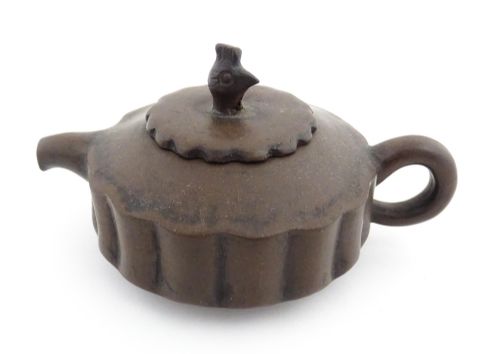
These vintage ceramic bird figures and vessels bring colour and feathered form into a room, spanning nineteenth-century figures to art deco pieces.
Vintage Ceramic Bird
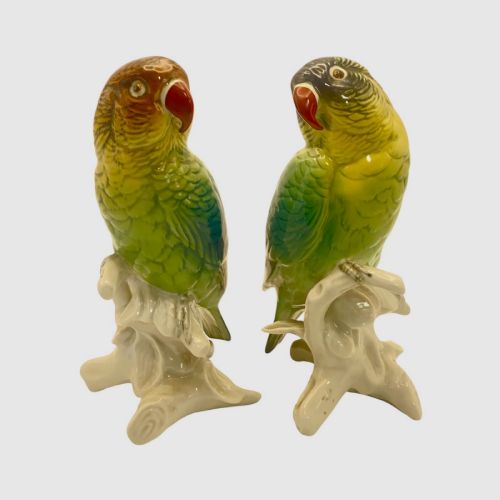
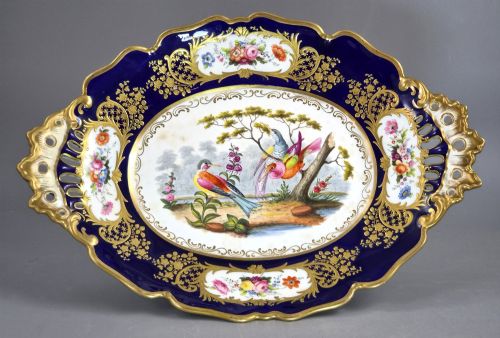
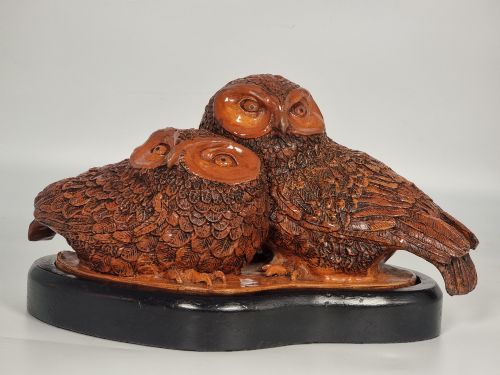
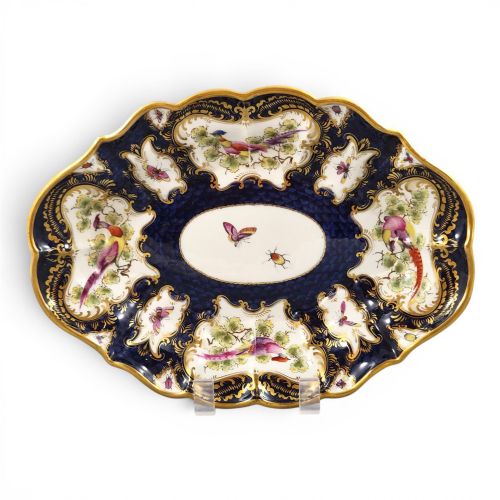
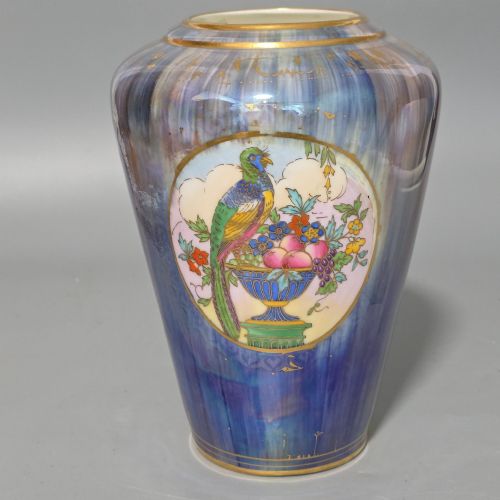
A vintage ceramic bird brings sculptural presence to a room, taking the form of painted parrots, hand-sculpted owls, and decorative plates adorned with exotic plumage.
The selections span nineteenth-century Victorian pieces and early twentieth-century creations, encompassing earthenware, porcelain, and ironstone vessels.
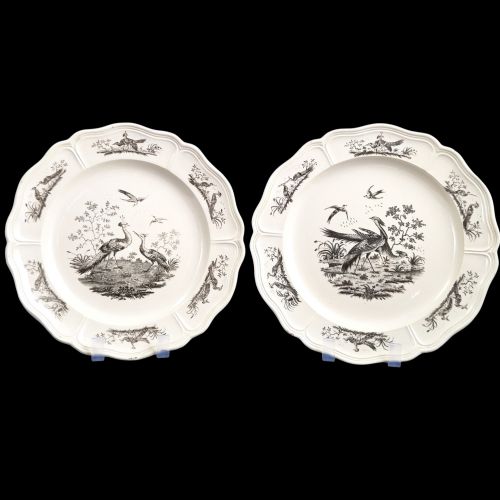
Buyers encounter everything from large decorative chargers and vases to delicate table figurines and wall brackets originating from English, European, and Asian workshops.
How They Were Made
Potters shaped these figures from porcelain, earthenware, and ironstone, applying glaze and enamel to capture detailed feather patterns.
Many items incorporate hand-painted decoration, sometimes paired with gold leaf, gilding, or lacquer over-paint.
Techniques range from moulded earthenware production to intricate hand-sculpting on ebonised or ceramic bases.
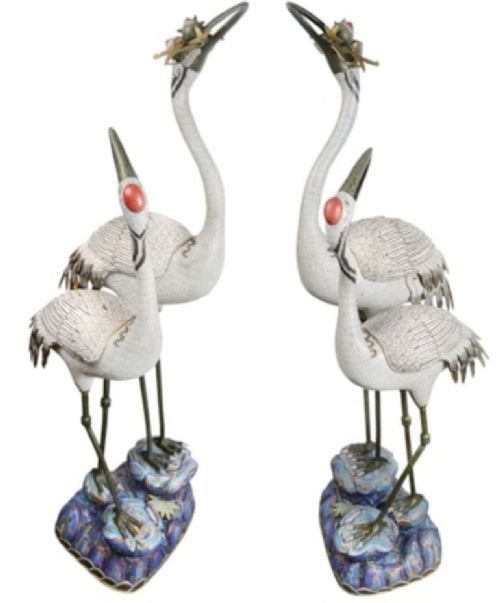
Among the feathered menagerie sit vigilant terracotta cockerels, watchful ceramic owls, and imposing cloisonné cranes.
What Varies in Quality
The standard of a piece rests upon the precision of the hand-painting, particularly in the rendering of bird plumage and fine floral details.
Subtlety in modeling distinguishes finer sculptural forms, where feathered textures appear crisp and anatomical proportions remain convincing.
The integrity of the glaze and the preservation of enamel or gilding dictate the overall visual preservation of the object.
Karl Ens·Coalport·Royal Worcester·Booths·Mason·Grainger And Co·Longwy·Samson of Paris·Volkstedt·Minton and Hollins·Royal Dux·Bassano
The Vintage Ceramic Bird Glossary
- Ironstone
- A dense, durable type of earthenware developed in the nineteenth century for heavy-duty tableware and decorative vessels. It provided a sturdy surface for vibrant coloured transfers and hand-painted motifs.
- Porcelain
- A fine, vitrified ceramic material fired at high temperatures to achieve a white, impermeable body. It allows for delicate moulding and translucent glaze effects.
- Enamel
- Vitrified glass paste fused to the ceramic surface through firing to impart bright, durable colours. Artisans used it to paint intricate plumage and botanical details.
- Charger
- A large decorative plate intended for display on a wall or sideboard rather than daily dining. These often display elaborate painted scenes of birds or landscapes.
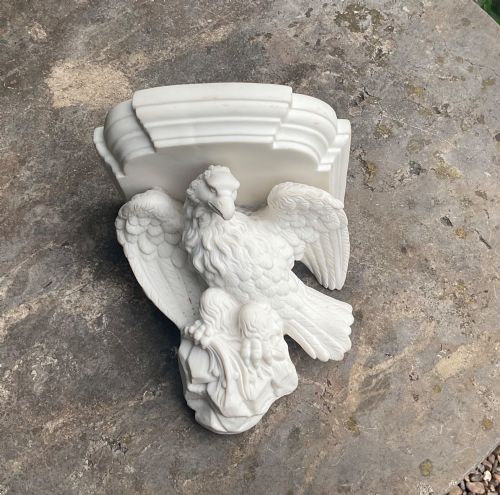
- Parian
- A fine white bisque porcelain resembling marble, introduced in the nineteenth century for sculptural figures and architectural wall brackets. It has a matte finish that highlights modeled details.
Vintage Ceramic Bird: Frequently Asked Questions
How do I clean a ceramic bird figure?
Dust the surface gently with a soft, dry brush to prevent dirt accumulation in crevices.
Avoid using water or chemical cleaners on pieces with delicate enamel or gilding.
Are these bird figures meant for display only?
Most sculptural pieces and decorative plates are intended for interior display on shelves, mantels, or walls.
Functional items like dishes and vases can hold dry arrangements but should be handled with care.
How can I tell a Victorian piece from an Edwardian one?
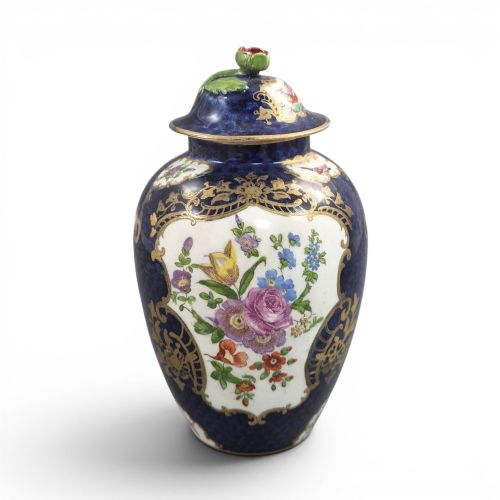
Victorian items often display heavier ornamentation, rococo influences, or deep cobalt blue grounds.
Edwardian and later pieces frequently adopt cleaner lines, brighter enamel palettes, or art nouveau styling.
What materials are common in these listings?
Potters utilised porcelain, earthenware, ironstone, and terracotta across the nineteenth and twentieth centuries.
Surfaces are frequently enhanced with coloured glazes, hand enamelling, and occasional gold leaf.