


Art Deco Bird Figurine
An art deco bird figurine captures the sleek dynamism of avian life through the sharp geometry of the interwar period.
Art Deco Bird Figurine
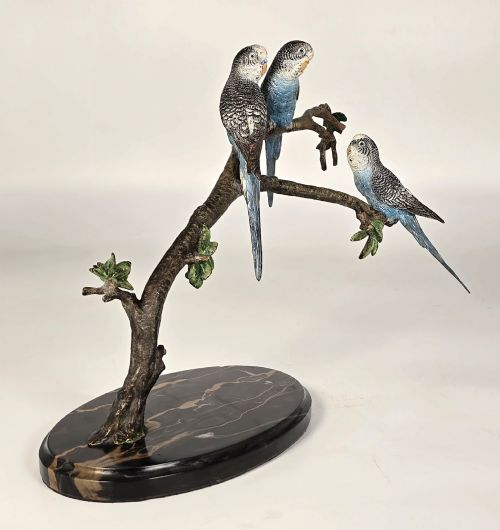
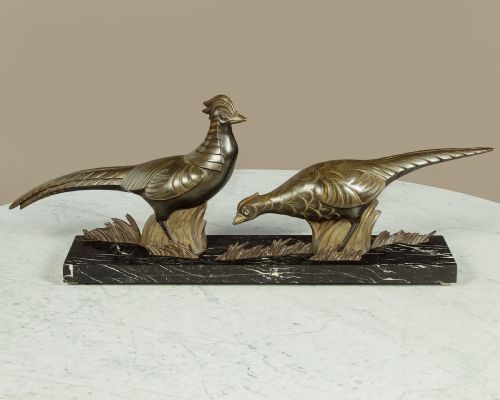
An art deco bird figurine represents winged creatures rendered in the characteristic aesthetic of the nineteen-twenties and nineteen-thirties. You will frequently encounter depictions of sparrows, pigeons, pheasants, and budgerigars taking various sculptural forms.
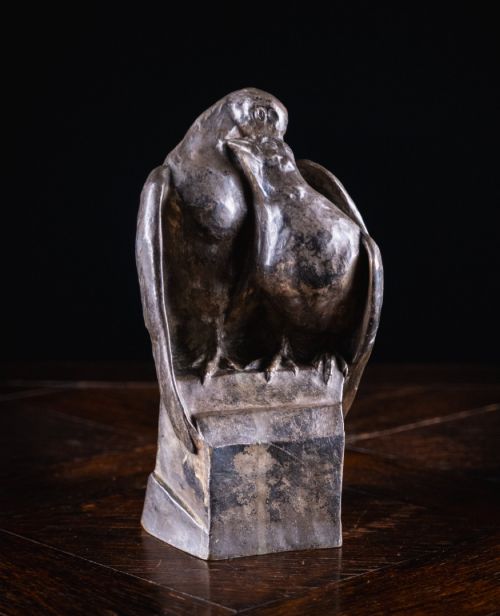
These pieces function primarily as decorative sculptures, paperweights, or car mascots. They capture subjects ranging from single perched birds to pairs of lovebirds and embraces.
Originating largely from French, Austrian, and Spanish studios, these works translate natural avian forms into stylised geometric shapes.
How they were made
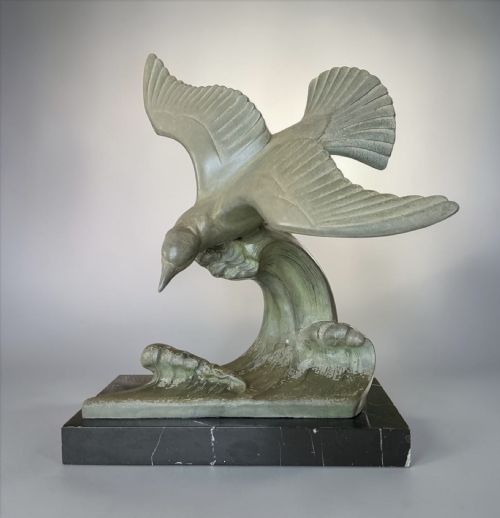
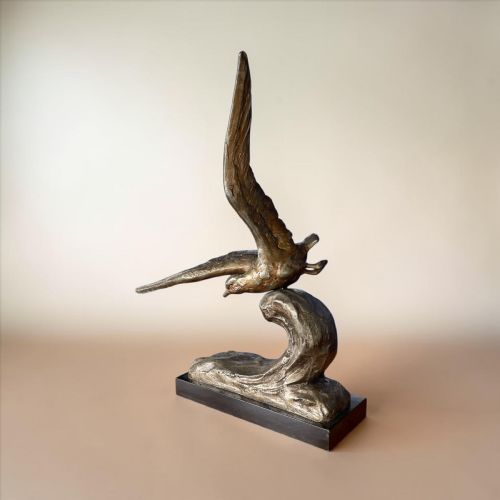
Makers utilised bronze, nickel bronze, and patinated metal to cast substantial figures, frequently mounting them upon heavy marble or onyx bases. Cold painting and gilding added surface colour to metals, bringing realism to plumage.
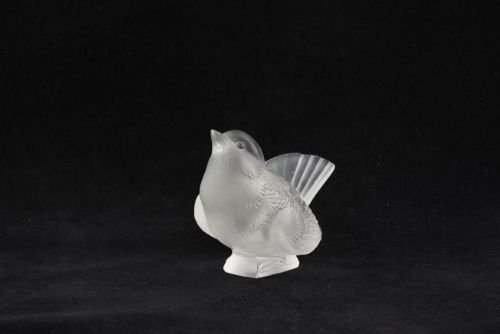
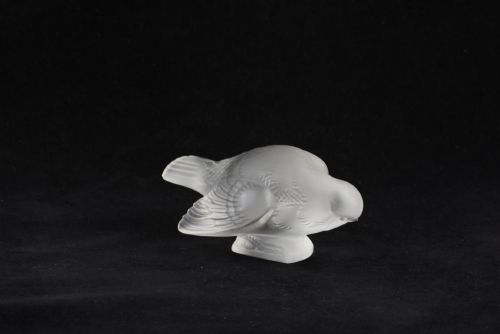
Moulded crystal and frosted glass served as primary mediums for translucent designs, occasionally enhanced with blue staining. Ceramic production also contributed glazed figures to the period's output.
Materials span cast bronze, nickel bronze, patinated metal, frosted glass, crystal, marble, onyx, and ceramic.
What varies in quality
The definition in the casting separates standard production pieces from finer works, particularly where feather detail and beak alignment are sharply rendered. Heavier metal alloys and the integration of substantial marble or onyx plinths elevate the presence of a bronze sculpture.
In glass works, the clarity of the moulding and the subtlety of surface finishes determine the distinction between ordinary paperweights and exceptional studio pieces. The prestige attached to identified designers and founders also influences the standing of individual figures.
Frederique Cederlund Ozanne·Rene Lalique·Zoldan Kovats·Le Manceau·Paul Joris·P Marec
The Art Deco Bird Figurine Glossary
- Cold painted
- A method where metallic objects are painted with oil-based paints without the application of heat. This technique allowed intricate multi-coloured details on bronze plumage.
- Patinated metal
- Metal treated with chemicals to produce a decorative surface sheen or colour. It protects the base alloy while accentuating sculptural contours.
- Socle
- A short plinth or pedestal supporting a sculpture or paperweight. It provides a stable base and visual lift to glass figures.
- Mascot
- A sculptural ornament mounted on the radiator caps of automobiles during the period. These aerodynamic figures often took avian forms.
- Frosted glass
- Glass treated to create a textured, opaque surface finish. It diffuses light across moulded details like wings and feathers.
Art Deco Bird Figurine: Frequently Asked Questions
What birds do they depict?
The available pieces predominantly feature sparrows, pheasants, budgerigars, pigeons, seagulls, and albatrosses. Artists favoured birds with distinct silhouettes suited to stylised interwar design.
Pairs of lovebirds and embracing pigeons also appear frequently in metal castings.
How were glass pieces used?
Glass figures such as sparrows function primarily as desk paperweights or small decorative sculptures. Many were designed to sit independently or upon dedicated socles.
Their substantial moulded forms allowed them to hold down documents while catching the light.
Which metals were utilised?
Foundries employed bronze, nickel bronze, and patinated or bronzed metal for durable figures. These were often combined with contrasting marble or onyx bases.
Cold painting and gilding were frequently applied to highlight plumage and surface details.
How do I date them?
Dating relies on stylistic markers associated with the nineteen-twenties and nineteen-thirties. The geometric simplification of forms and the choice of materials point directly to this era.
Signatures, foundry marks, and established operating dates of makers provide further chronological evidence.