




1920s Ceramic Statue
A 1920s ceramic statue brings striking period character and sculptural form into a room.
1920s Ceramic Statue
A 1920s ceramic statue encompasses figures, animal models, and decorative objects shaped from porcelain, earthenware, and terracotta. These pieces reflect the dominant design movements of the era, ranging from graceful revival models to sharp modernist silhouettes.
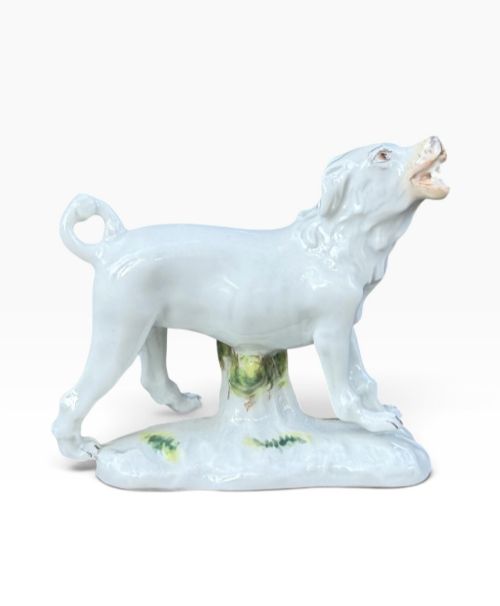
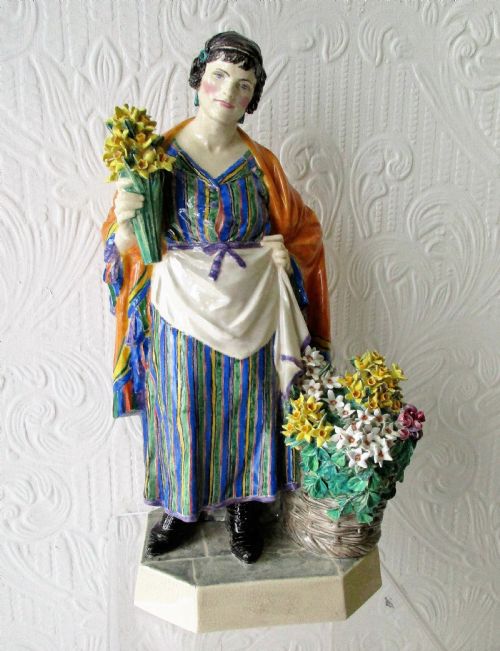
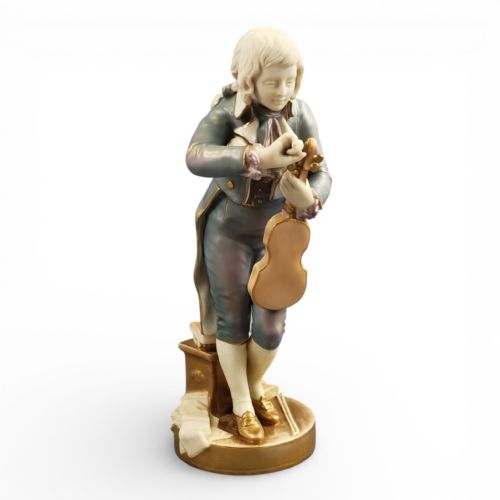
Buyers are most likely to encounter figures produced by major factories alongside studio pottery and Continental models. The selection spans factory-modelled ladies and musicians as well as characterful animal sculptures.
Makers drew on both classical traditions and contemporary Art Deco aesthetics to shape these ceramic statues. The resulting objects function both as tabletop display pieces and, in some instances, as fitted table lamps.
How they were made
Makers shaped these statues using porcelain, earthenware, and terracotta bodies, which were then fired and finished with coloured glazes or enamel paint. Some pieces received additional decorative detail through the application of gold leaf or gilt highlights.
Forming methods combined traditional slip-casting and hand-modelling techniques to achieve detailed figures and animals. Factories and studio potters utilised these processes to secure clean lines and durable structures before the final glazing stage.
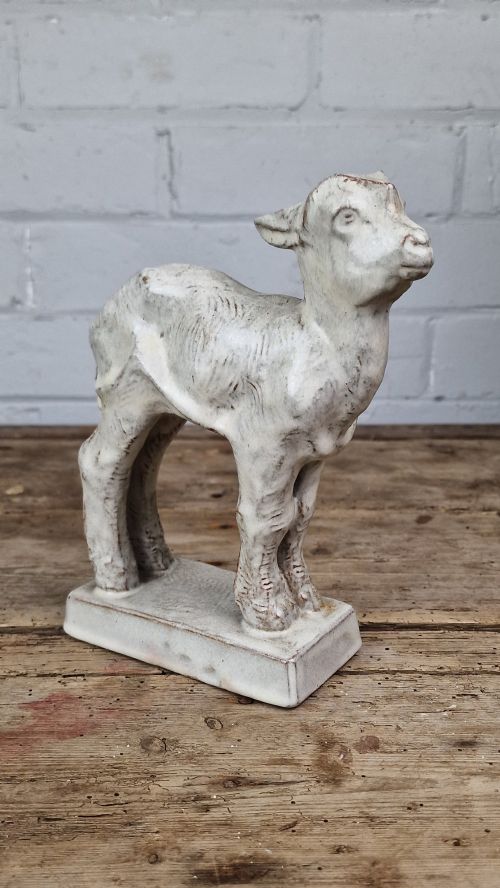
A stoic kid goat stands ready to bring architectural charm to a modernist bookshelf.
What varies in quality
The sophistication of the design and the reputation of the workshop or modeller elevate certain examples above standard production pieces. Studio pottery and factory figures alike depend on balanced proportions and confident execution for their standing.
Charles Vyse·Royal Worcester·Royal Dux·Meissen
The 1920s Ceramic Statue Glossary
- Terracotta
- A porous, unglazed or glazed fired clay body with a warm reddish-brown tone. It was commonly utilised for anatomical models and animal figures.
- Porcelain
- A fine, hard white ceramic material fired at high temperatures to achieve vitrification. It provides a smooth base for detailed painting and glazing.
- Earthenware
- A lower-fired ceramic body that remains porous until coated with a vitreous glaze. It forms the structural base for many studio pottery figurines.
- Enamel
- Opaque vitreous colours fused onto the ceramic surface during a secondary firing. It allows for sharp decorative patterns and vivid costume details.
- Gilt
- A thin layer of gold applied to surface details or borders to catch the light. This finish is frequently found on revival and Art Deco figures.
1920s Ceramic Statue: Frequently Asked Questions
What materials make up a 1920s ceramic statue?
Makers used porcelain, earthenware, and terracotta as the primary clay bodies for these sculptural objects. These materials were then finished with coloured glazes, enamels, or gilt highlights.
Studio potters and major factories selected different bodies depending on whether they wanted a crisp white porcelain finish or the warm, heavy texture of terracotta.
How do I identify an Art Deco piece?
Art Deco pieces typically feature stylised geometric forms, sharp angles, and representations of modern fashion or dance. Look for streamlined clothing, stylised hair, and bold colour palettes.
These designs depart from earlier Victorian and Edwardian realism in favour of simplified, energetic silhouettes.
Where should I place a ceramic statue at home?
These statues suit prominent display on mantelpieces, sideboards, and dedicated console tables where their form can be appreciated from multiple angles. Some examples are adapted as table lamps, serving a dual functional and decorative purpose.
Keep them away from areas of heavy household traffic to protect delicate extremities and painted surfaces.
How do factory figures differ from studio pottery?
Factory figures, such as those from established porcelain works, were produced in larger editions with standardised moulds and uniform glaze formulas. Studio pottery pieces emerged from individual artists working independently, often resulting in unique surface textures and experimental glazes.
Both approaches produced distinct aesthetic qualities characteristic of the period.