

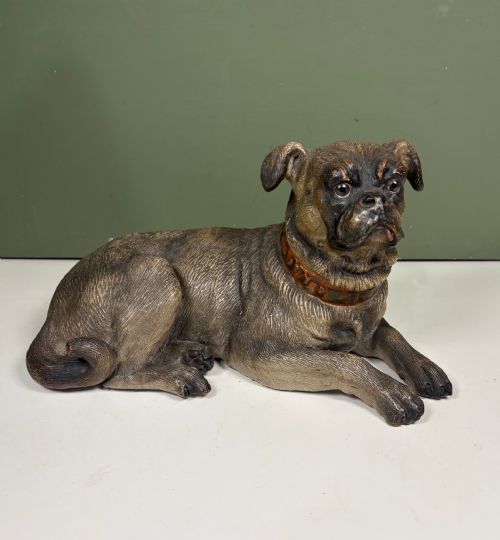


Vintage Ceramic Animal Figurine
These vintage ceramic animal figurine selections bring character into a room, drawing on decades of European and Asian pottery traditions.
Vintage Ceramic Animal Figurine
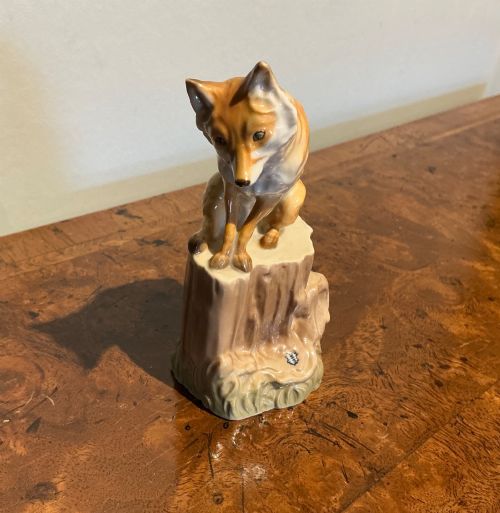
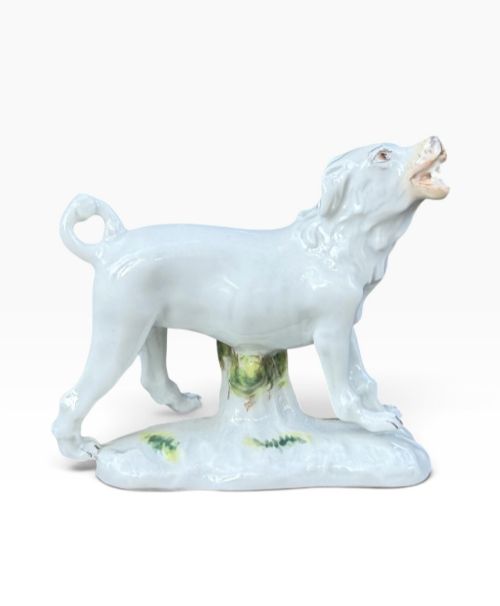
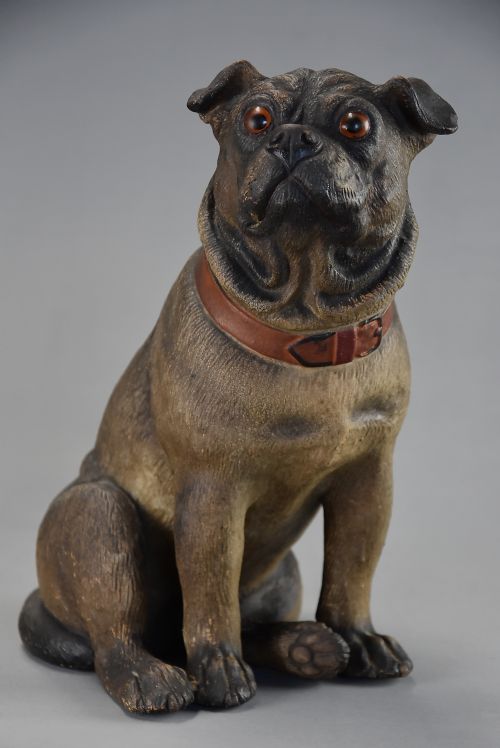
A vintage ceramic animal figurine encompasses domestic pets, farmyard creatures and exotic beasts shaped in clay, porcelain and earthenware. You will encounter domestic dogs like pugs and terriers alongside lions, cats, deer and birds.
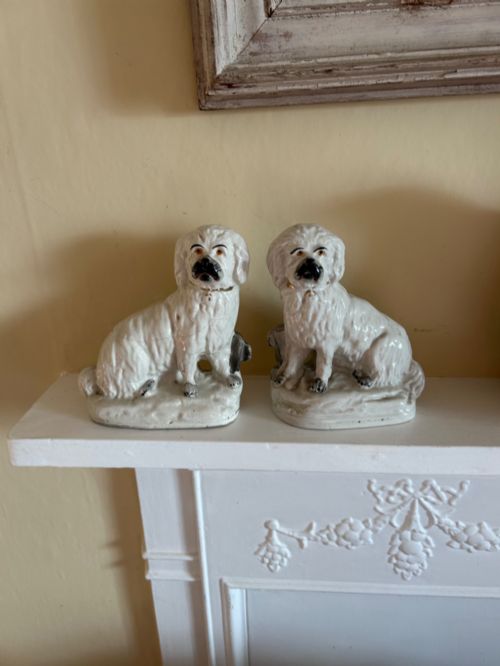
The selection ranges across nineteenth-century Staffordshire pottery pairs and Victorian pieces up to Art Deco designs from the nineteen-thirties and nineteen-forties. Continental European factories and English potteries dominate the origins.
Makers from Germany, France, Austria and England produced both single shelf ornaments and functional items such as table lamps and decorative figures carrying puppies or kittens.
Materials and Techniques
Techniques varied from hand-modelling to slip-casting in moulds, followed by careful painting under or over the glaze. Terracotta pieces often received hand-carved detailing before firing.
Listings feature 19th Century, Victorian, Art Deco and 1920 periods across porcelain, earthenware, terracotta and glazed ceramic.
Defining Quality
Quality rests on the sharpness of the moulding and the sensitivity of the hand-painting, particularly around the eyes and facial expressions of the animals. Finer pieces maintain crisp anatomical detail rather than soft, blurred contours.
The depth and consistency of the glaze application distinguish superior works from simpler commercial output. Well-preserved gilding and original painted highlights elevate the presence of the sculpture.
Nymphenburg·Meissen·Royal Dux·Derby porcelain·Carl Thieme Dresden·Bernard Bloch Austria
The Vintage Ceramic Animal Figurine Glossary
- Bocage
- Foliage background ornamentation made of porcelain, frequently found behind eighteenth-century and nineteenth-century animal figures.
- Animalier
- A nineteenth-century artistic genre dedicated to the realistic portrayal of animals in sculpture.
- Staffordshire pottery
- Earthenware figures produced by numerous potteries in the English county of Staffordshire, famous for seated dogs and zebras.
- Copper lustre
- A metallic glaze technique that produces a reflective, iridescent copper sheen on the ceramic surface.
Vintage Ceramic Animal Figurine: Frequently Asked Questions
How do I identify a Staffordshire dog?
Staffordshire dogs are typically earthenware figures of spaniels or pugs modelled in pairs to sit on either side of a fireplace mantel. They often feature painted gold chains, locks and facial markings typical of nineteenth-century English kilns.
Look for craquelure in the glaze and weight in the ceramic body to help determine their age and authenticity.
What is an animalier sculpture?
Animalier sculptures focus on the lifelike depiction of animals, capturing them in natural poses or dramatic action scenes. This style gained popularity across Europe during the nineteenth century.
Artists worked in terracotta, bronze and ceramic to render musculature and movement with high accuracy.
Are these figurines marked by makers?
Many European porcelain and ceramic figures bear factory stamps, impressed numbers or painted signatures on the base. English pottery pairs often lack marks, relying instead on distinctive modelling and glaze characteristics.
Checking the unglazed base rim provides the clearest indication of origin and period.
How should I display ceramic animal figures?
Display these pieces on stable surfaces away from direct sunlight and heavy foot traffic to protect fragile glazes and delicate extremities. Pairing symmetrical figures on mantelpieces or shelves reflects their original Victorian arrangement.
Ensure the support shelf is level, especially for heavier terracotta sculptures and large ceramic pieces.