
Vintage Central Asian Embroidery
These vintage central asian embroidery pieces bring rich tribal textiles into modern interiors.
Vintage Central Asian Embroidery
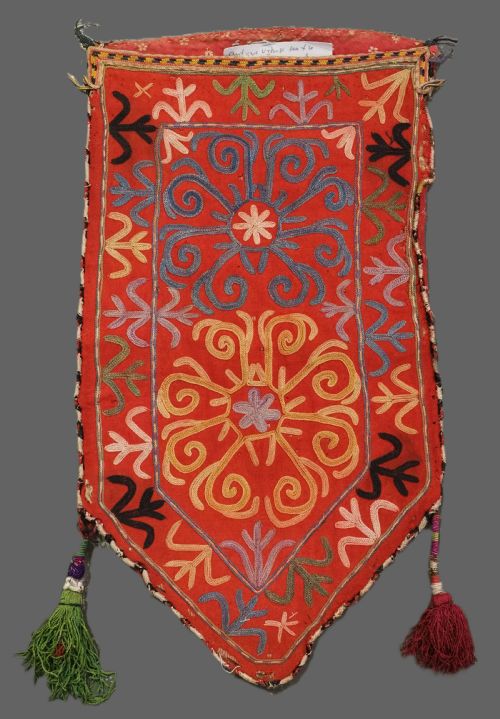
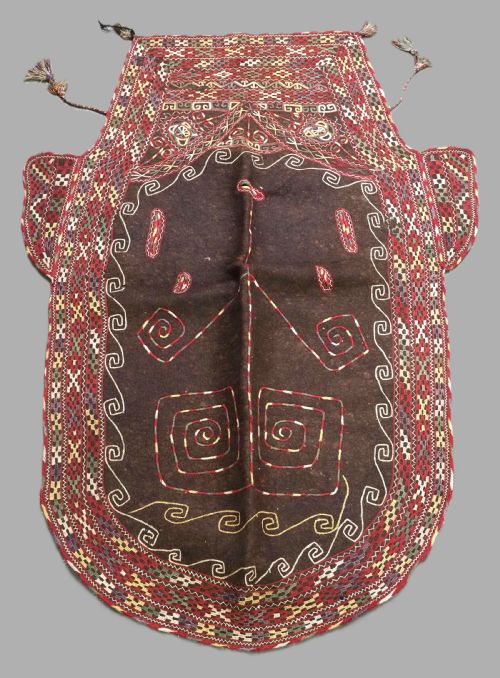
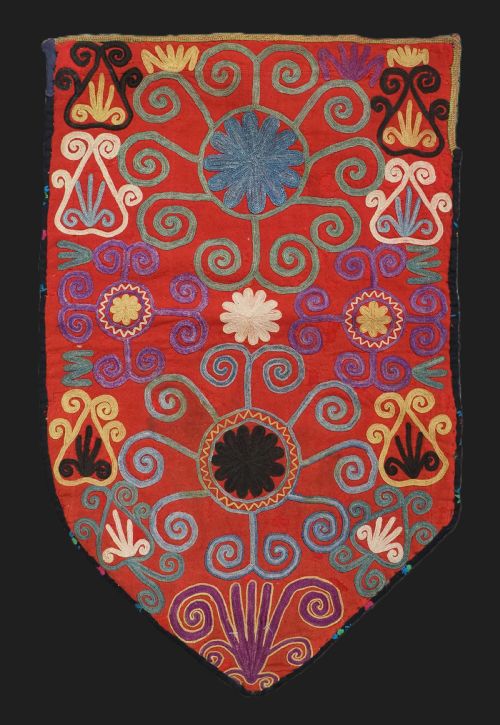
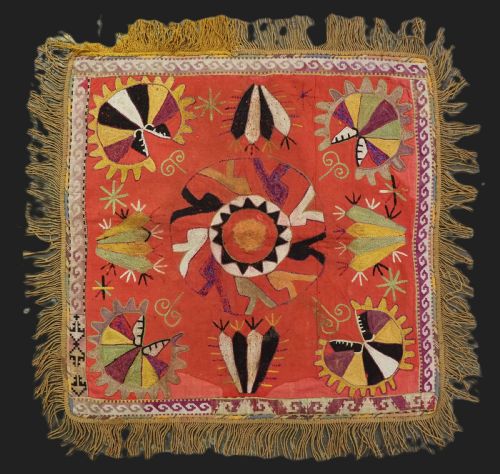
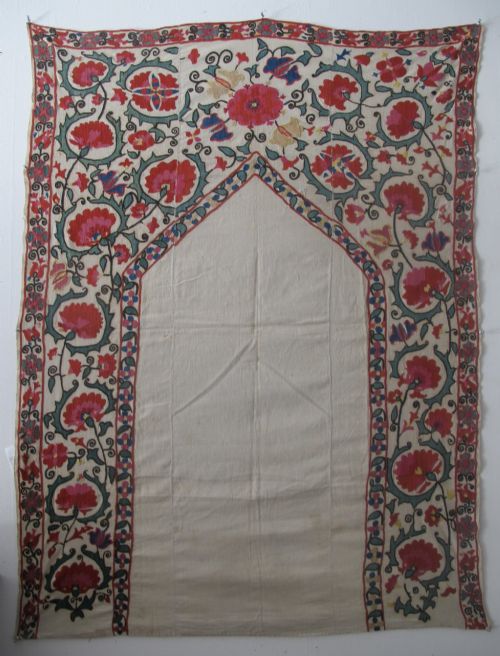
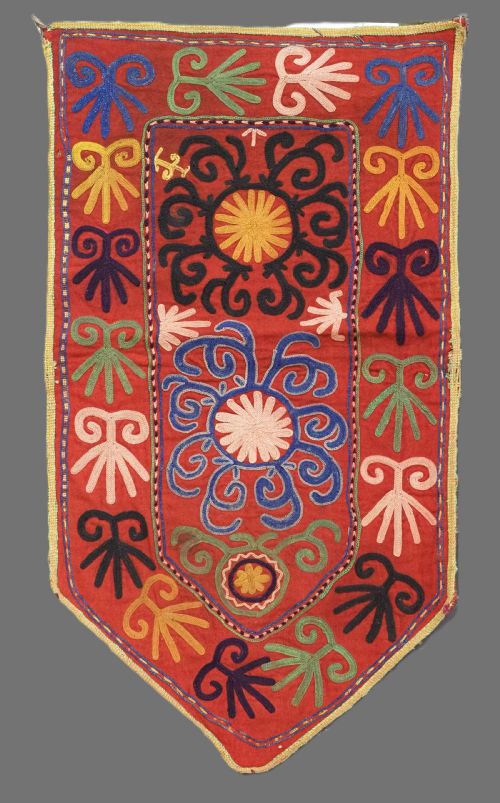
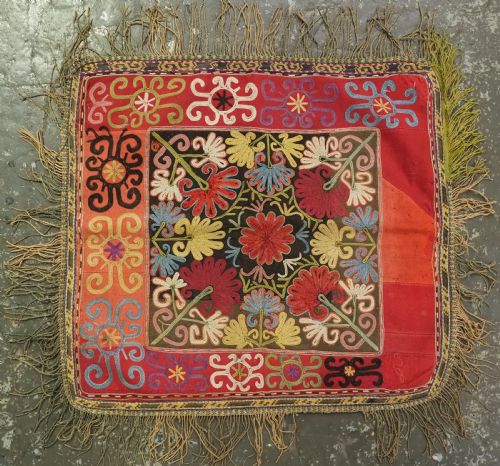
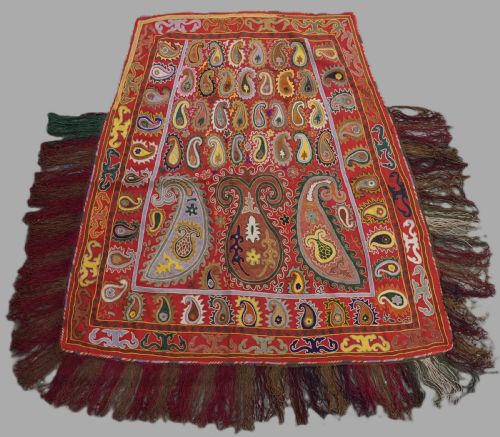
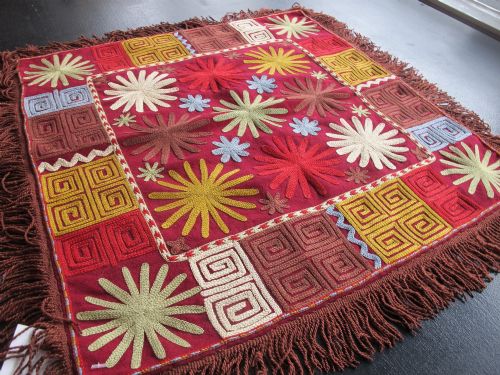
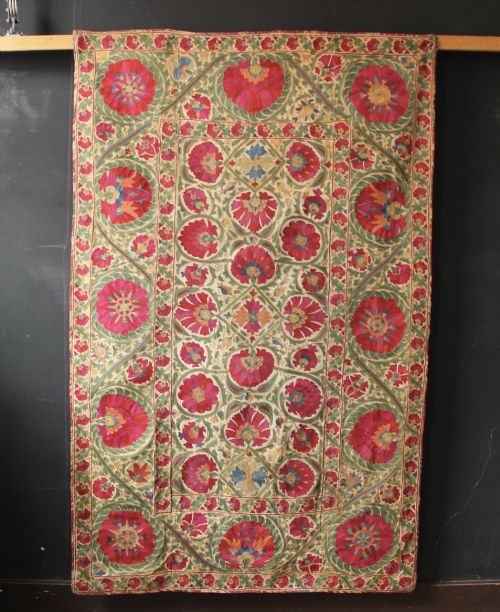
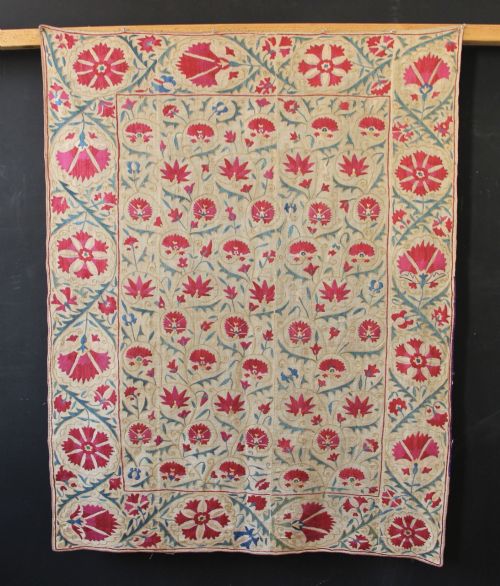
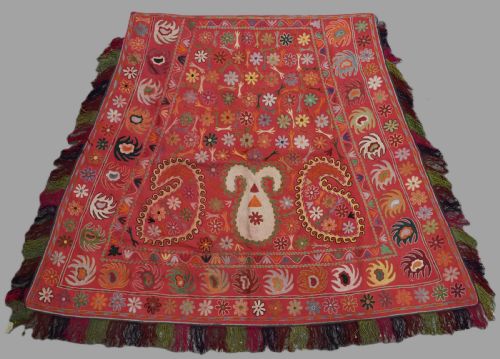
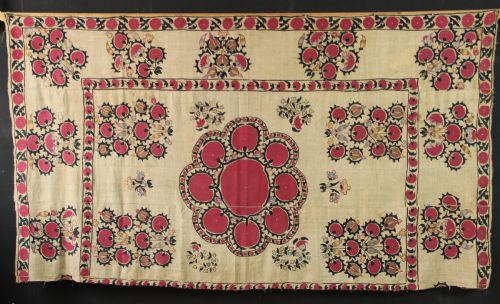
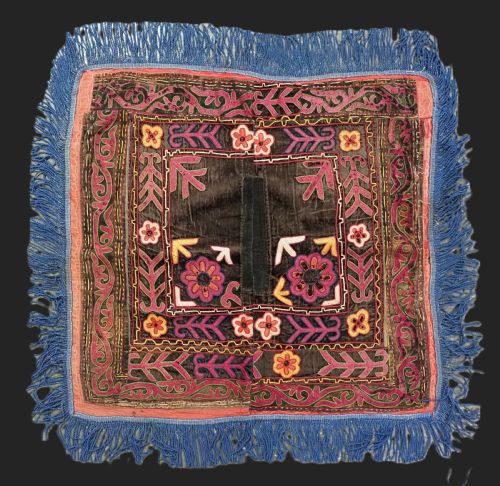
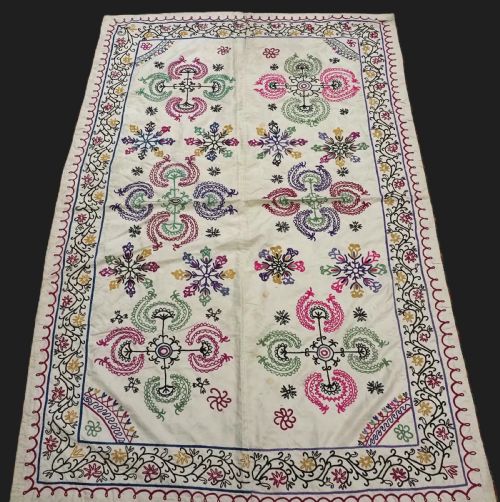
When exploring vintage central asian embroidery, a buyer encounters textile panels, wall hangings, and decorative covers originating from nomadic and settled communities. The selection frequently includes Suzanis, dowry hangings known as ilgich, and ceremonial horse covers associated with specific tribal groups.
The evidence shows work originating primarily from Uzbekistan, Turkmenistan, and Kyrgyzstan, spanning the mid-nineteenth century through to the early twentieth century. Pieces range from large bed covers and architectural suzanis to smaller square wall elements and felt horse blankets.
How they were made
Materials recorded in the listings rely heavily on silk, cotton, and wool grounds, often worked with fine silk thread, cotton thread, or metal thread brocade. Artisans utilised diverse foundation fabrics, incorporating velvet, felted wool, and dyed cotton grounds.
Techniques involve intricate needlework applied to regional textiles, creating dense patterns such as medallion variants, architectural motifs, and traditional folk art arrangements. Specialised tribal embroidery includes double-faced stitching and detailed embellishments on felt and wool.
Vintage Central Asian Embroidery Retail Price Guide 2026
Typical asking prices for vintage central asian embroidery among the pieces listed under this phrase on Sellingantiques today, from the lower quarter to the upper quarter. They describe what is for sale here now, not the wider market.
Listings feature textiles spanning from the 1850s to the 1930s, utilising silk, wool, velvet, and felted grounds across various Central Asian regional styles.
What varies in quality
The distinction between tiers rests upon the density of the needlework and the complexity of the compositional layout. Fine examples display meticulous execution of silk thread on silk or wool grounds, with harmonious colour placement across large formats like nim suzanis and bed covers.
Material choice and ground integrity also differentiate the range, as pieces worked on specialised dyed grounds or heavy velvet and wool demonstrate superior regional craftsmanship. The precision of traditional tribal motifs further elevates the standing of individual textile panels.
The Vintage Central Asian Embroidery Glossary
- Suzani
- A large, embroidered tribal wall hanging or bed cover from Central Asia, traditionally worked in silk on a cotton or linen ground. These textiles formed an essential part of a bride's dowry.
- Ilgich
- A specific form of Central Asian embroidery used for wall hangings or dowry items, frequently associated with the Lakai tribe. They display bold geometric and figurative tribal motifs.
- Uut Kap
- A storage bag or hanging panel produced by nomadic groups in Central Asia, often highly decorated with intricate embroidery. They were utilised inside traditional yurts.
- Torba
- A small ceremonial bag or trapping, often placed on horses or used within the nomadic tent. These items feature distinctive regional patterns and felt or wool construction.
- Tush Kyiz
- Large embroidered yurt wall hangings traditionally created in Kyrgyzstan to celebrate the marriage of a son or daughter. They incorporate symbolic designs celebrating family and local flora.
Vintage Central Asian Embroidery: Frequently Asked Questions
What is a suzani used for?
Suzanis were traditionally created as part of a bride's dowry in Central Asia, functioning as wall hangings, bed covers, or decorative textiles within the home. Families utilised them to mark significant domestic milestones and weddings.
Today, collectors mount these large embroidered textiles on walls as art or drape them over furniture to introduce texture and colour to an interior space.
How do I identify Lakai embroidery?
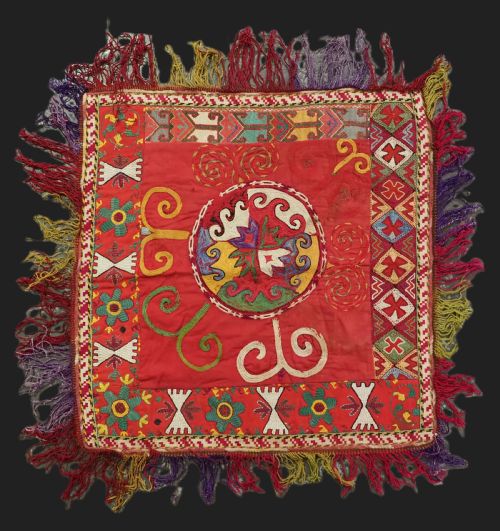
Lakai embroidery originates from Uzbek tribal groups and is recognised by its dynamic, abstract motifs and energetic use of colour. These pieces often take the form of small square ilgich panels or horse covers.
Needlework on Lakai items frequently employs couching stitches to form hooked patterns and joyous geometric arrangements that differ from formal urban suzanis.
How are silk on silk suzanis dated?
Dating relies upon examining the materials, natural dyes, foundation fabrics, and stylistic attributes recorded in the textile tradition. Pieces from the mid-nineteenth century often display specific regional palettes and fine handspun silk threads.
Comparing the layout and motifs to documented examples from periods like the late nineteenth or early twentieth century helps establish an approximate timeframe.