



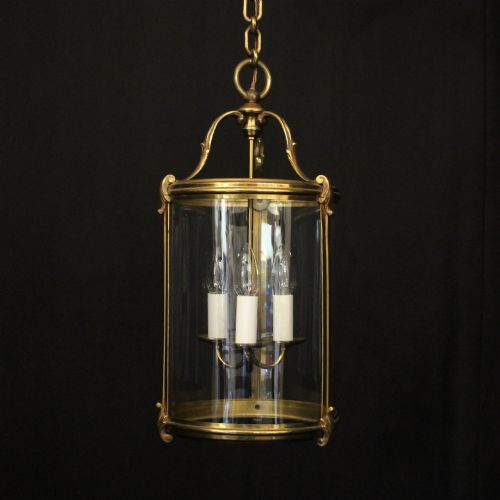
Vintage Ceiling Light Fitting
These vintage ceiling light fitting examples span brass, crystal and glass across the nineteenth and early twentieth centuries to transform your space.
What these pieces are
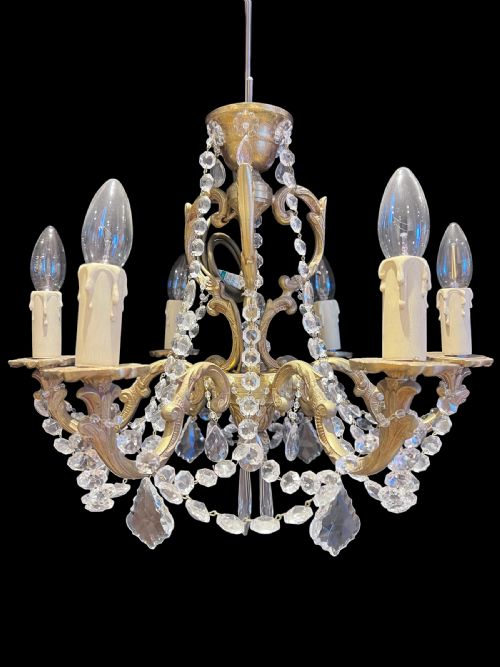
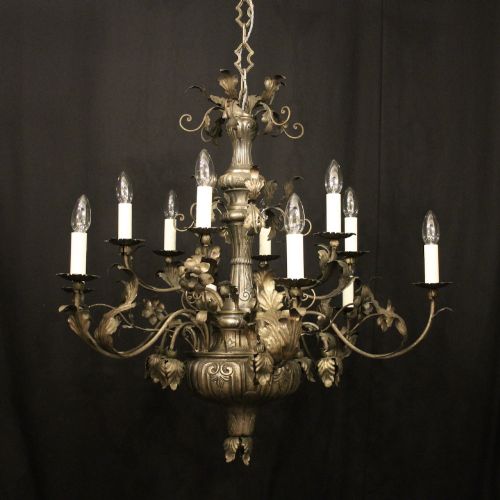
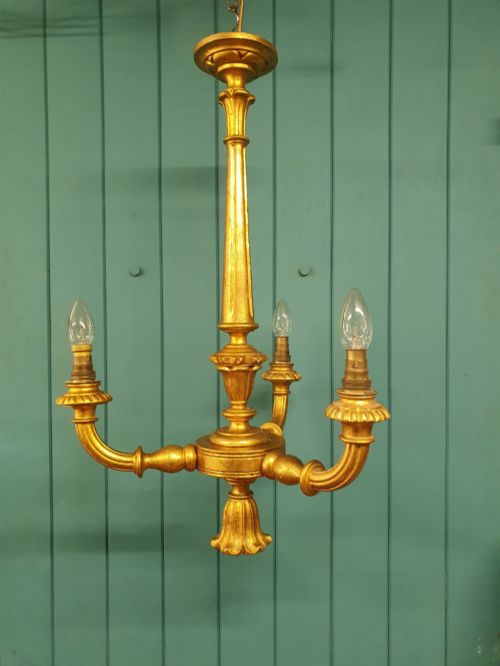
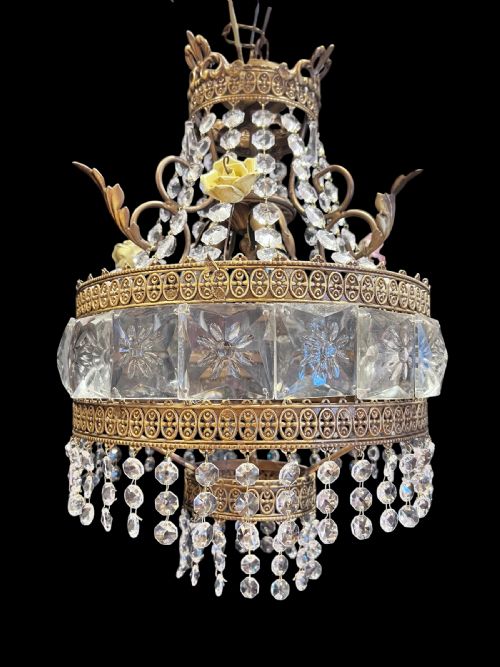
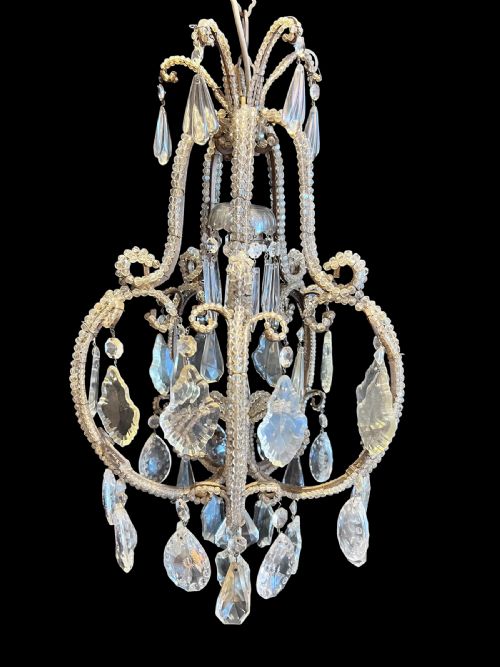
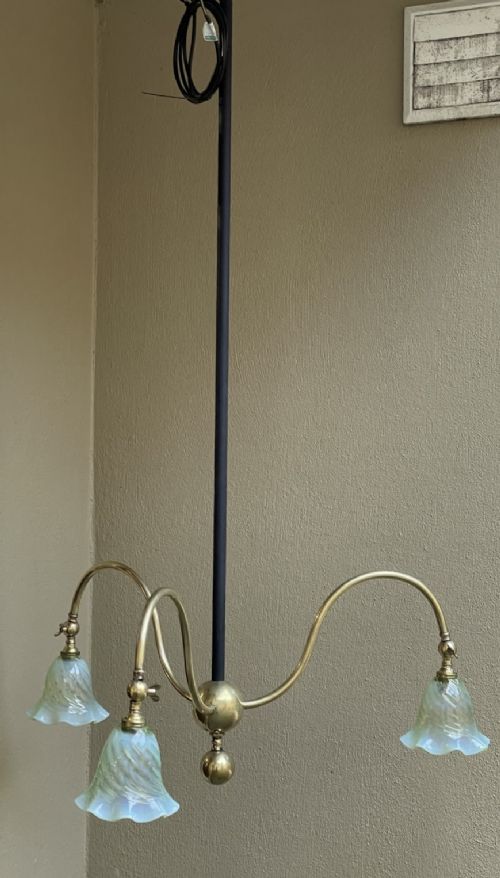
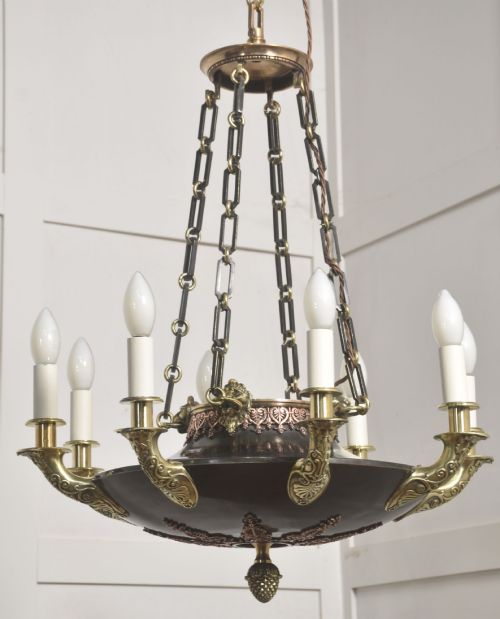
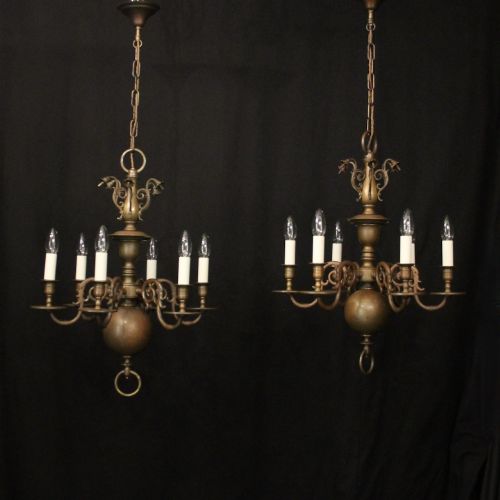
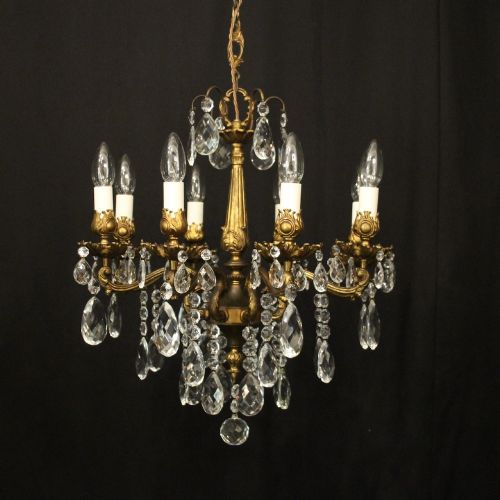
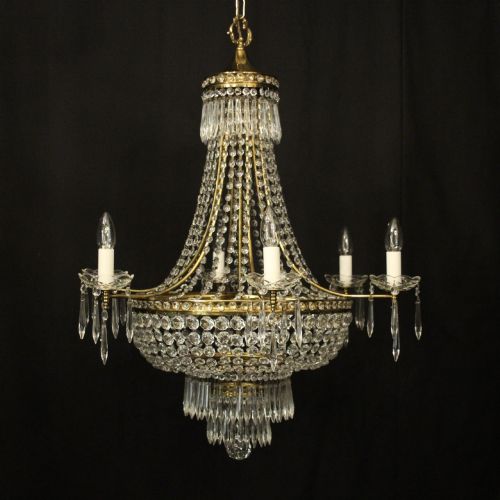
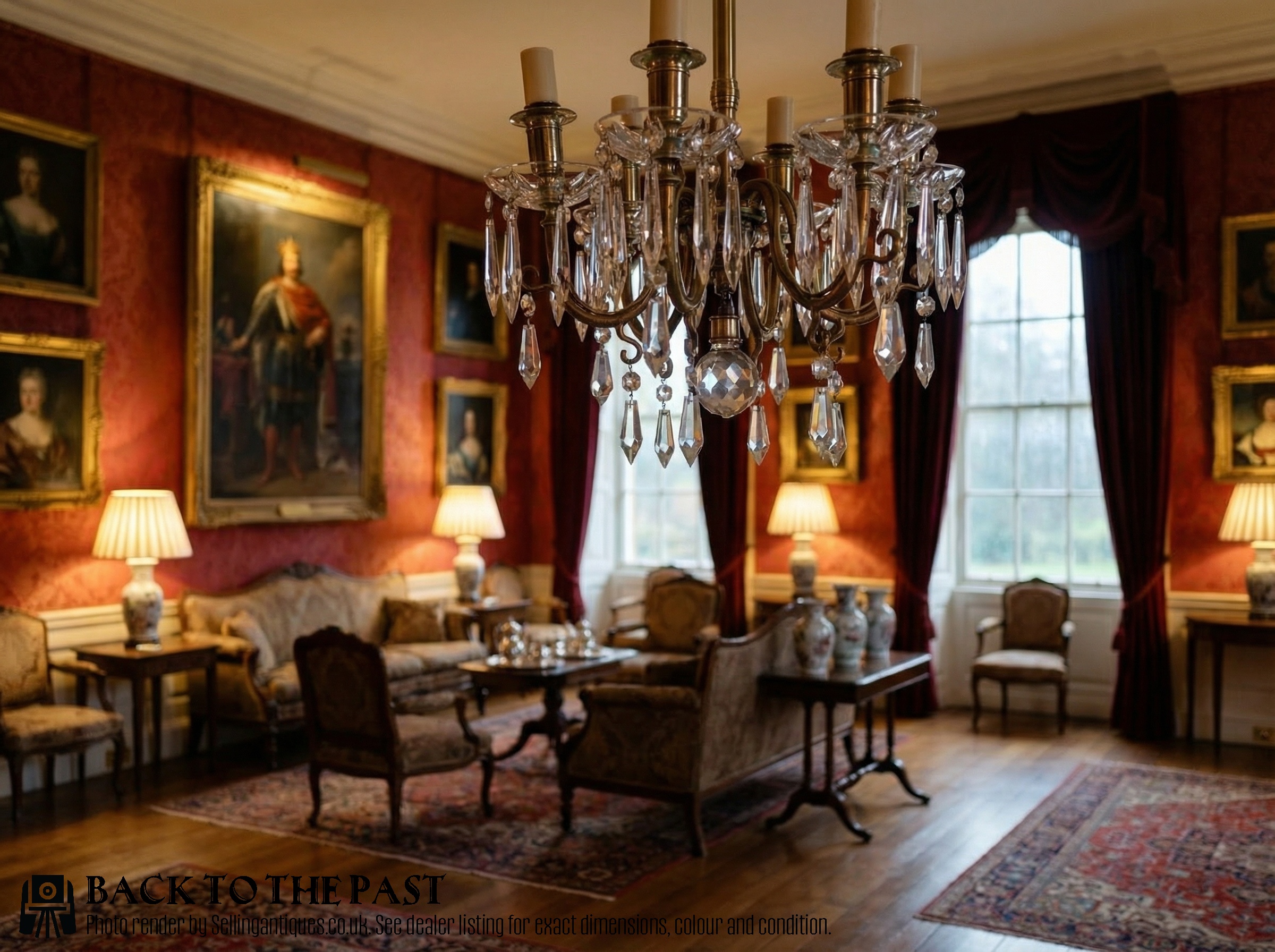
A vintage ceiling light fitting brings period character overhead through chandeliers, hanging lamps and dome ceiling lights. The selection includes multi-arm brass chandeliers and striking central hanging fixtures.
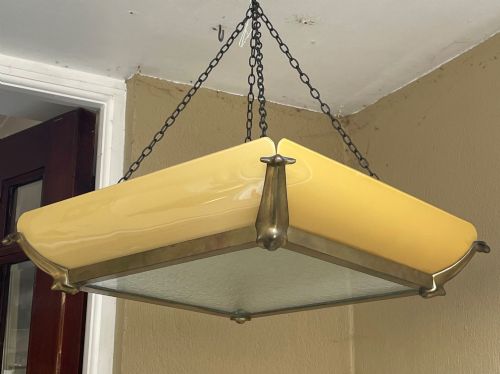
Most pieces date from the nineteenth century up to the 1930s, showing styles such as French Empire, Amsterdam School and Art Deco. These fittings range from small six-arm chandeliers to large domed ceiling lights.
Origins span French chateau designs and Dutch Amsterdam School works, offering diverse lighting solutions for period interiors.
How they were made
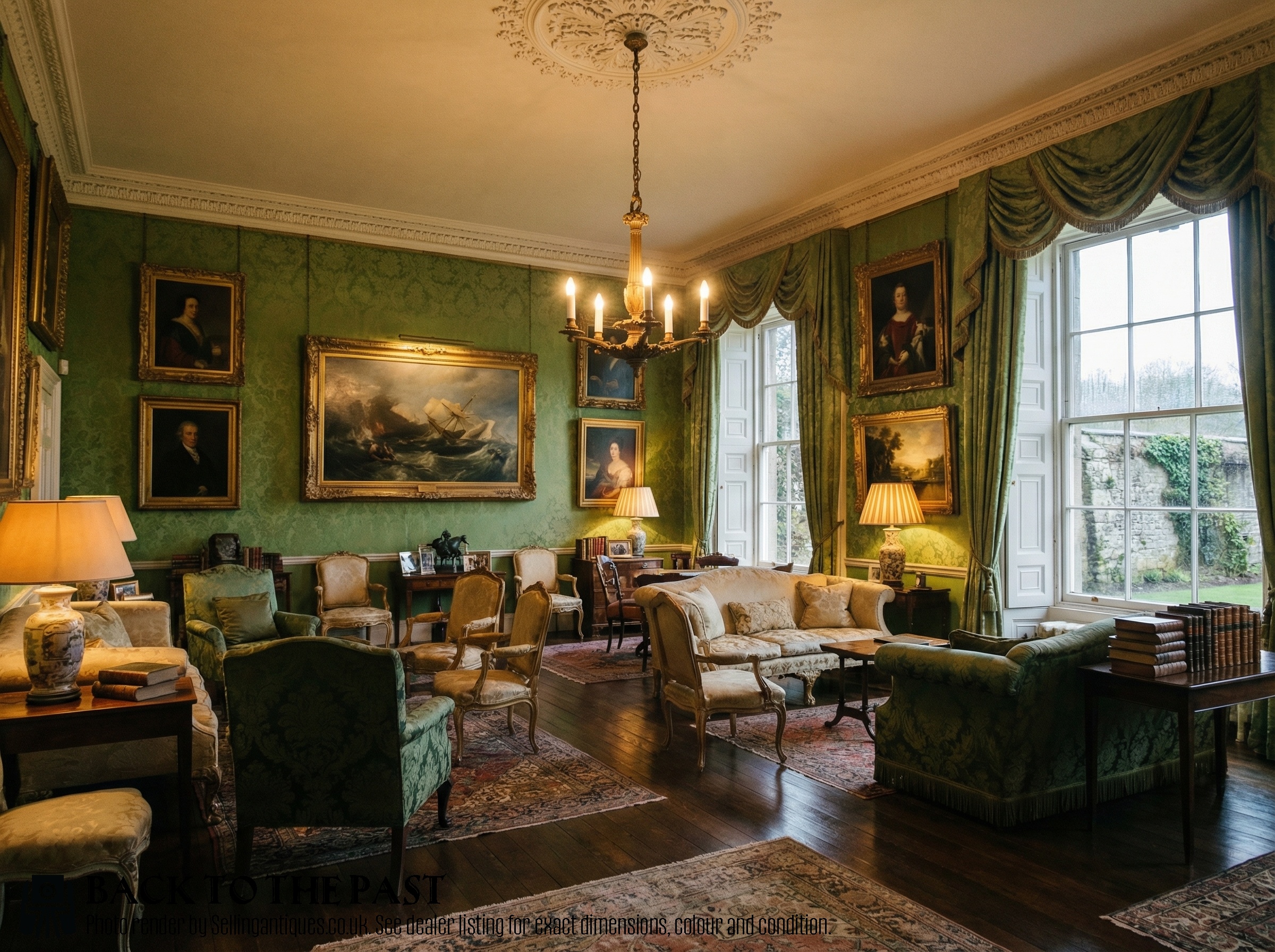
Construction relies heavily on brass frames combined with crystal, glass, gilt bronze and chrome elements. Metalwork forms the structural skeleton for multiple arms and central hanging bowls.
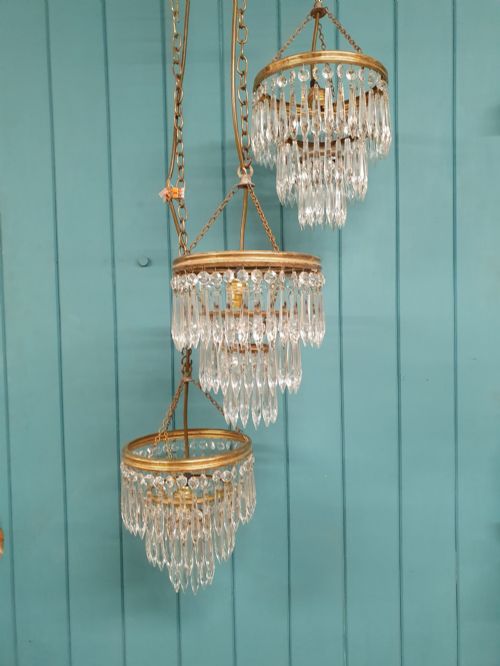
Surfaces feature etched glass panels, frosted glass shades and gilded bronze finishes. Crystal components refract light while metal structures provide durable support for multi-light configurations.
Retail Price Guide 2026
Typical UK retail prices for vintage ceiling light fitting, calculated from the Sellingantiques database of over a million retail prices indexed since 2003. This retail price guide relies exclusively on Sellingantiques data; no external sources or auction records are used, so the figures do not describe the wider market.
Current listings feature items from five distinct periods including the nineteenth century, 1900, 1910, 1920 and 1930.
What varies in quality
Quality rests in the precision of the metal casting, the clarity of the crystal and the integrity of the period style. Finer examples display intricate gilt bronze work and carefully etched glass.
The sophistication of the design dictates the upper tier, seen in authentic Amsterdam School geometry or classical French neoclassical detailing. Lesser pieces use simpler metal forms and plain glass without decorative etching.
The Vintage Ceiling Light Fitting Glossary
- Chandelier
- A branched ceiling light fixture designed to hold multiple lamps or candles. These multi-arm fittings form the centrepiece of grand rooms.
- Amsterdam School
- An architectural and design style originating in the Netherlands during the early twentieth century. It focuses on traditional craftsmanship and organic, expressive forms.
- Gilt Bronze
- Bronze metal coated with a thin layer of gold or gold-coloured alloy. This technique provides a rich, enduring metallic lustre.
- Etched Glass
- Glass decorated with patterns or images carved into the surface using acid or abrasive materials. This treatment diffuses light while adding decorative detail.
Frequently Asked Questions
What styles of ceiling lights are available?
The available lighting spans several distinct historical aesthetics from the nineteenth and early twentieth centuries. You will find French Empire, French Neoclassical, French Chateau, Amsterdam School and Art Deco designs.
These varied styles incorporate brass, crystal, frosted glass and gilt bronze to suit different period interiors.
How do I choose the right size?
Consider the scale of your room alongside the dimensions of the specific fitting. Options range from small six-arm brass chandeliers measuring fifteen inches to large dome ceiling lights.
Matching the physical scale of the fixture to your ceiling height ensures balanced proportions in the space.
What materials are used in these fittings?
Construction materials primarily feature brass, metal and chrome for the structural frames and hanging mechanisms. Decorative elements incorporate crystal, glass, frosted glass, etched glass and gilt bronze.
These components work together to diffuse light and provide robust overhead support.
How do I date a vintage light fitting?
Dating relies on stylistic markers and material combinations from specific eras between the nineteenth century and the 1930s. Amsterdam School works point towards the early twentieth century, while gilt bronze points to nineteenth-century French manufacture.
Examining the metalwork and glass techniques helps identify the period of production.