


Vintage Cast Iron Stand
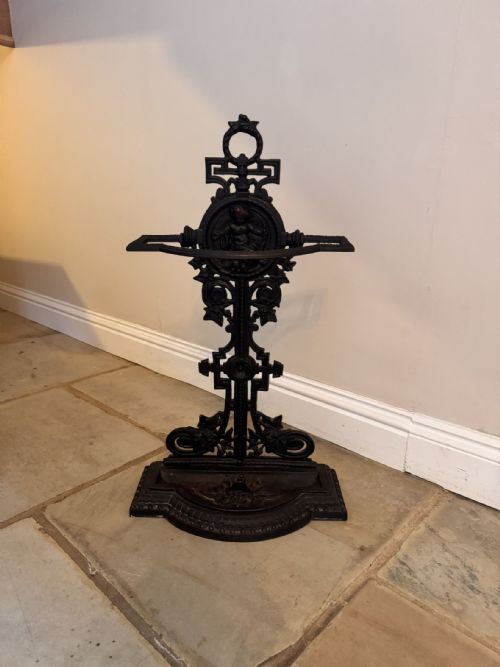
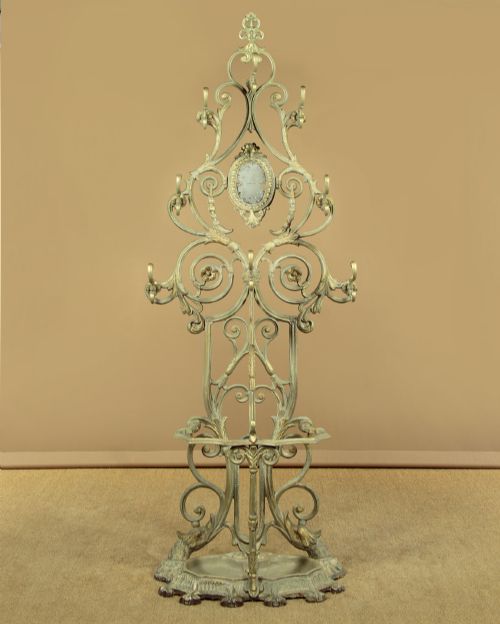
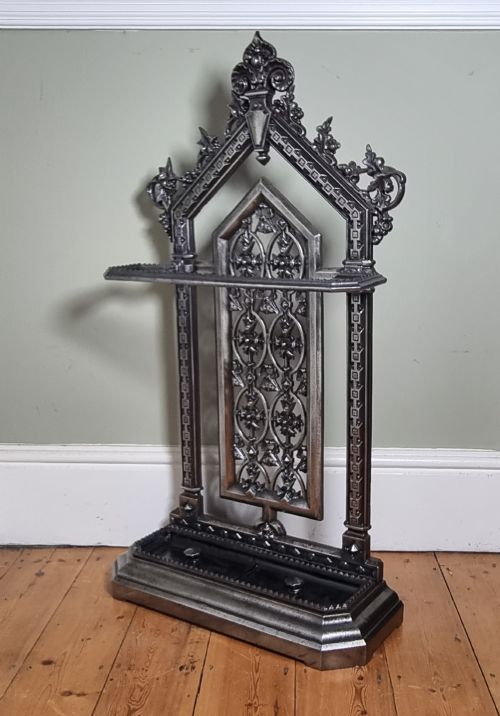
A vintage cast iron stand brings robust utility and sculptural form to an entrance, holding damp umbrellas or supporting hall coats with quiet industrial weight.
Vintage Cast Iron Stand
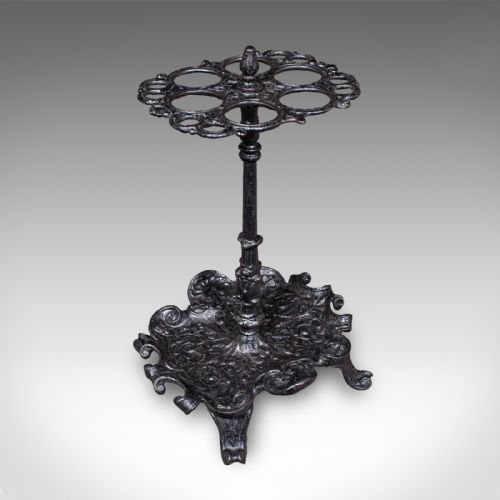
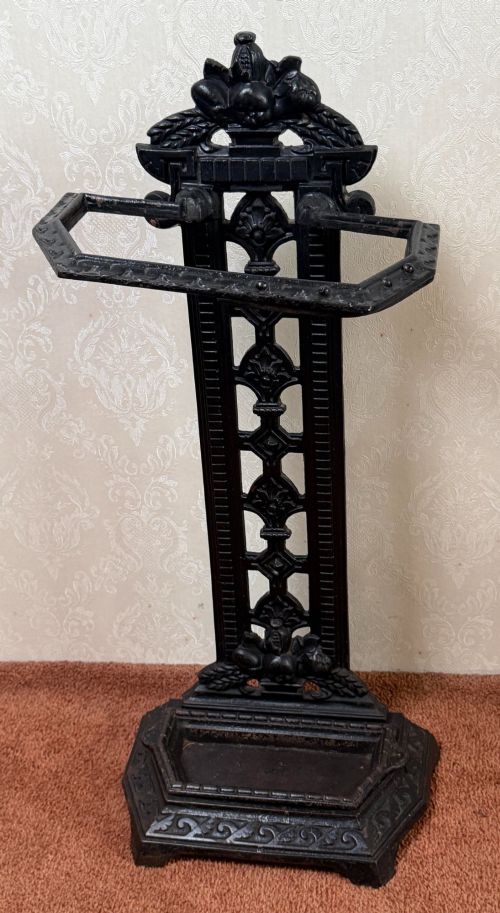
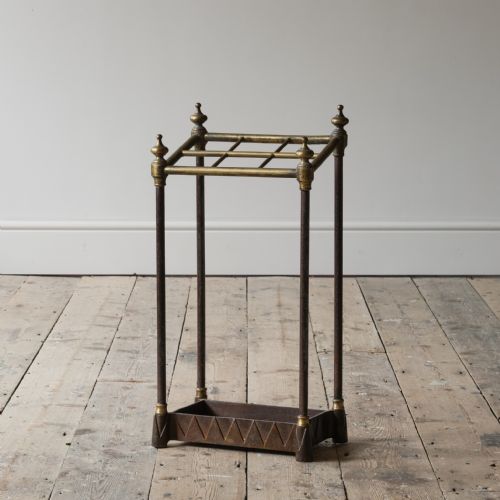
A vintage cast iron stand serves primarily as an umbrella or stick stand, designed for domestic entrance halls to manage damp weather accessories. Pieces span the Victorian, Edwardian, and Art Deco periods, alongside late nineteenth century designs.
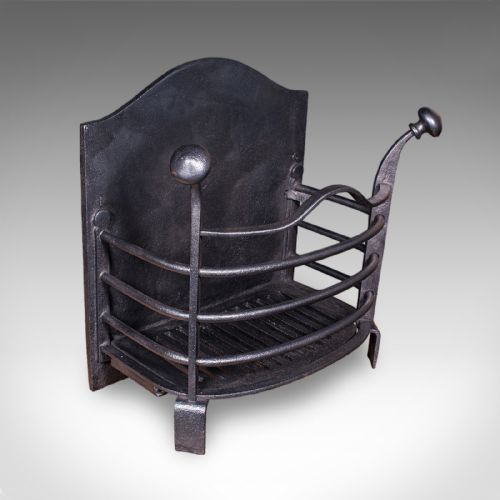
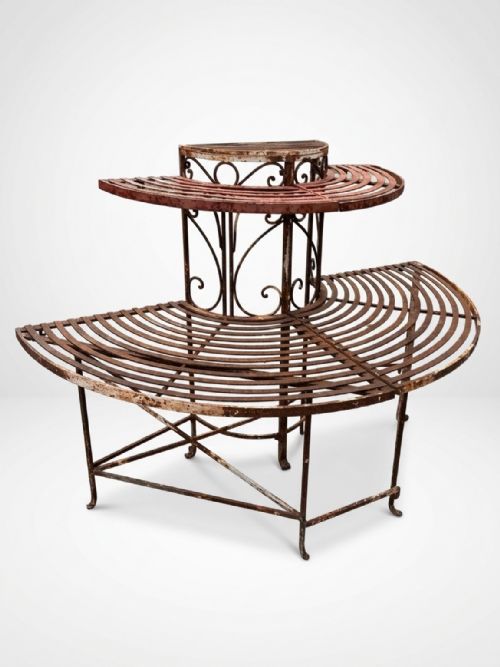
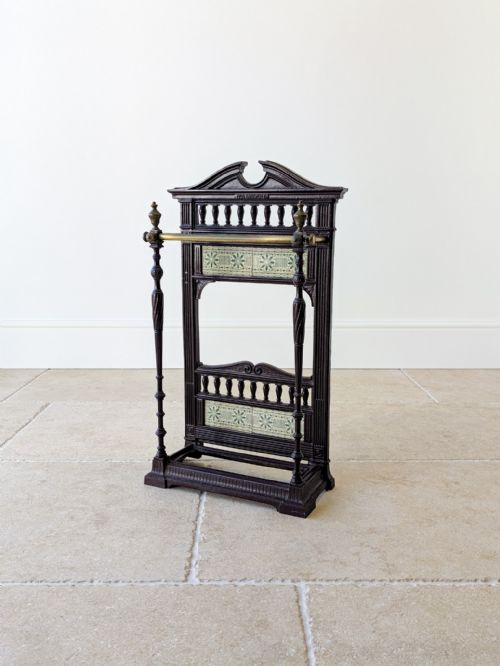
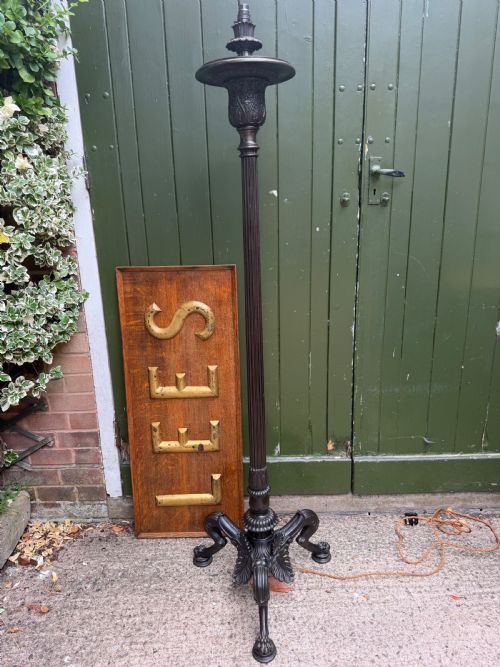
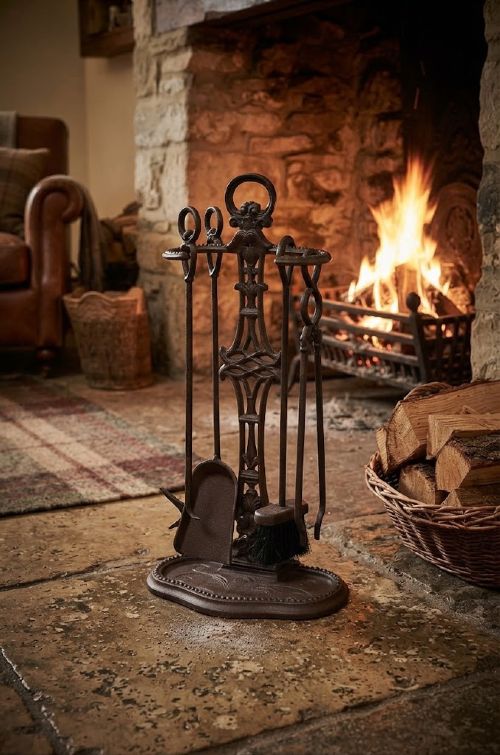
Beyond hall and umbrella stands, the category includes plant stands, side tables, standard lamps, and specialised forms like fire tool holders and coat stands. Makers utilised heavy metal framing combined with brass, glass, and wood to create functional hallway furniture.
Materials and construction
Foundries utilised cast iron poured into intricate moulds to achieve structural rigidity and ornamental detail, often pairing the heavy metal with brass accents, steel rods, or wrought iron elements. Surfaces received various finishes, including bronze patination, nickel plating, white enamel, or traditional paint.
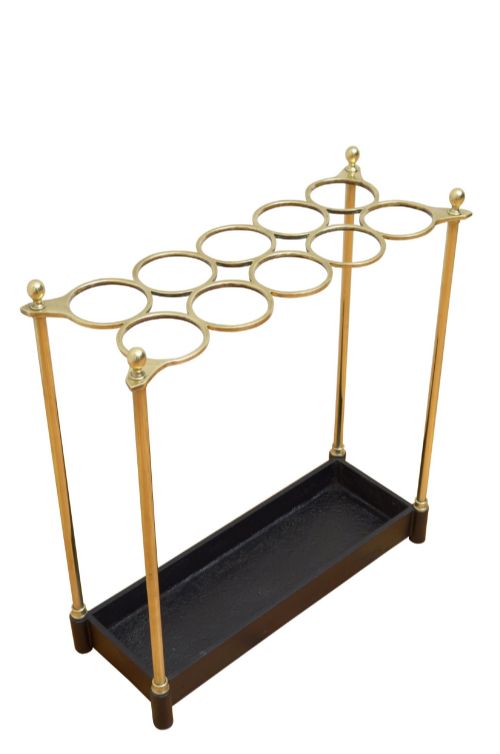
Many examples incorporate removable metal drip trays to collect water from wet umbrellas and protect flooring. Design motifs range from structural faux bamboo and botanical patterns to classical Grecian styling and geometric Art Deco divisions.
Among the hall furniture sits a cast iron footballer stick stand, proving that even Victorian sports fans needed a place for their wet gear.
Quality and craftsmanship
Quality rests in the crispness of the casting and the depth of the ornamentation, where superior pieces retain sharply defined patterns rather than softened, blurred relief. Foundries such as Coalbrookdale achieved notable refinement in their decorative ironwork.
Structural integrity depends on the original assembly remaining intact, particularly around the junctions of iron frames, brass rails, and drip trays. Examples retaining their original patination or finish demonstrate greater integrity than those subject to heavy over-painting.
Coalbrookdale·Osborne Garrett And Co·Archibald Knox
The Vintage Cast Iron Stand Glossary
- Cast iron
- A strong, rigid alloy of iron and carbon formed by pouring molten metal into a mould. It allows for intricate surface ornamentation and heavy structural support.
- Aesthetic movement
- A late nineteenth century design style emphasising visual beauty over narrative meaning. Pieces from this movement often feature stylized natural forms and linear discipline.
- Art nouveau
- A decorative style prevalent around nineteen hundred characterised by asymmetrical flowing lines and organic motifs inspired by plants and stems.
- Demi-lune
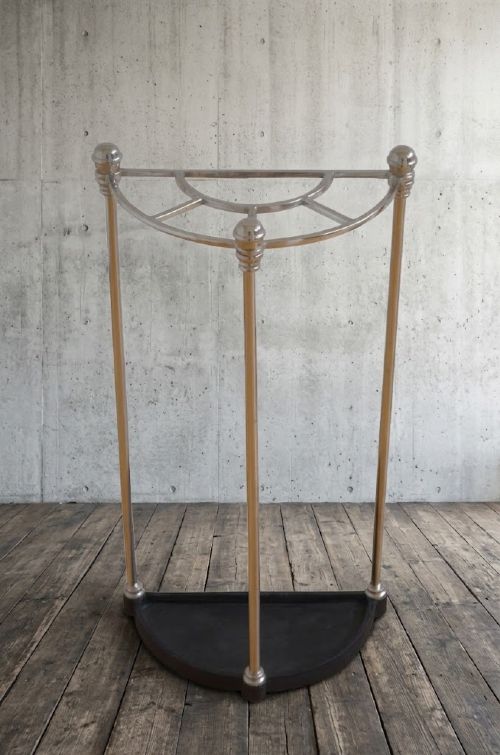
- A half-moon shape used for stands designed to sit flush against a hallway wall. This profile optimizes floor space in narrow corridors.
- Faux bamboo
- A decorative treatment simulating the segmented stalks of bamboo. Foundries frequently cast this motif directly into iron hall and umbrella stands during the Victorian era.
Vintage Cast Iron Stand: Frequently Asked Questions
How do I clean a cast iron stand?
Dust regularly with a soft brush and wipe metal surfaces with a dry cloth to prevent moisture accumulation. Avoid harsh chemical cleaners that can strip original patination or enamel finishes.
For stubborn grime, use a slightly damp cloth followed immediately by thorough drying. Ensure removable drip trays are emptied and cleaned separately to protect the interior base from rust.
Where should I place a hall stand?
Position the piece in an entrance hallway or boot room where damp umbrellas and walking sticks require organised storage. The narrow footprint of demi-lune designs makes them suitable for confined corridors.
Keep the stand away from direct and constant moisture sources to preserve any iron or brass surfaces. Placing the piece on a level floor ensures stability when heavy walking sticks or umbrellas are loaded into the divisions.
How do I date a cast iron stand?
Examine the stylistic cues, such as the flowing organic lines typical of nineteen hundred Art Nouveau or the geometric precision of nineteen thirty Art Deco pieces. Victorian examples often feature registration marks, maker stamps, or gothic revival motifs.
Material combinations also indicate age, as brass rails and intricate casting techniques evolved across the nineteenth and early twentieth centuries. Comparing the construction methods to documented foundry catalogues helps narrow the production window.
Are these stands heavy to move?
Cast iron is dense and heavy, providing the necessary ballast to prevent tipping when loaded with multiple wet umbrellas or heavy walking sticks. This substantial weight requires care during relocation to avoid damaging flooring.
When moving a stand, lift it rather than dragging it across wooden floors or tiles. Removing loose components like drip trays or fire tools first makes handling much easier.