

Victorian Cast Iron Umbrella
When you need a victorian cast iron umbrella stand, these sturdy hallway pieces manage wet weather with distinctive nineteenth-century design.
Victorian Cast Iron Umbrella
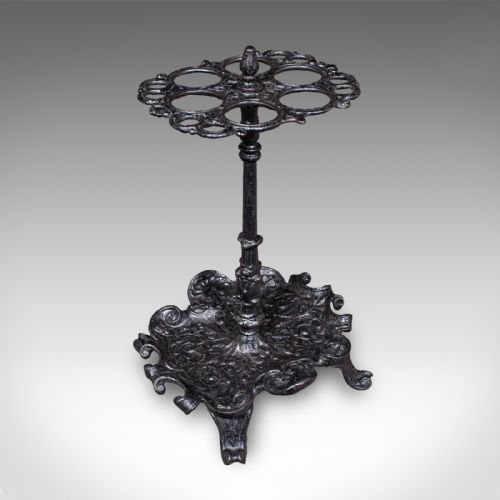
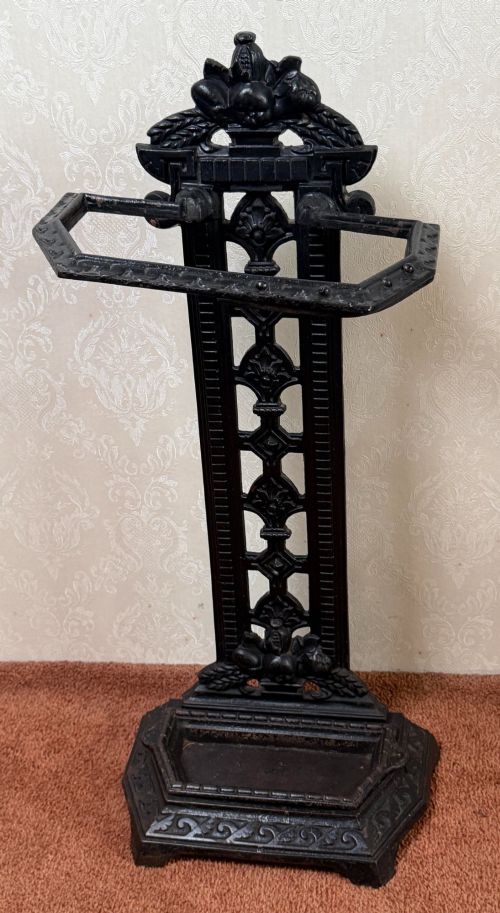
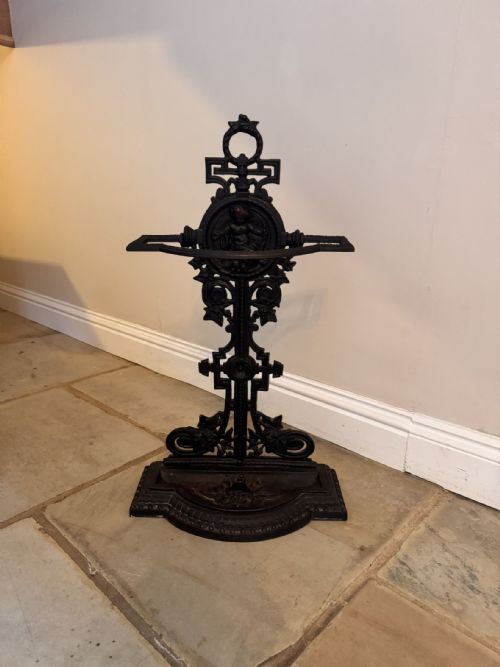
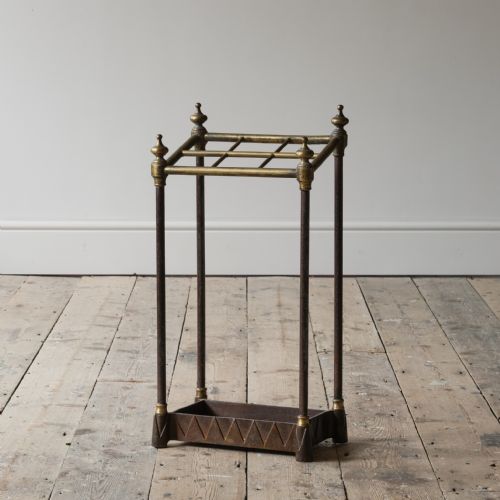
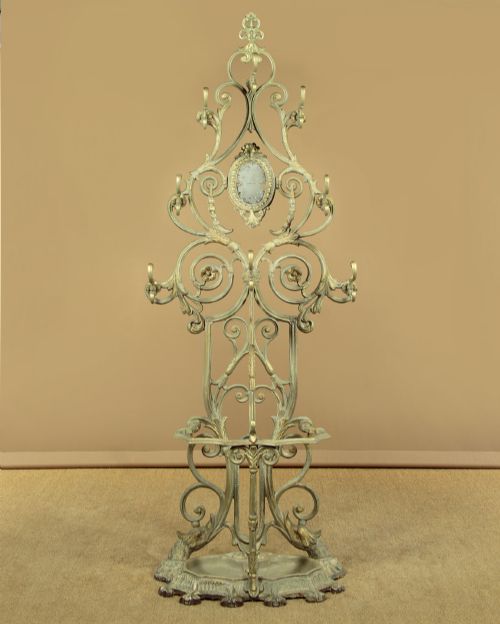
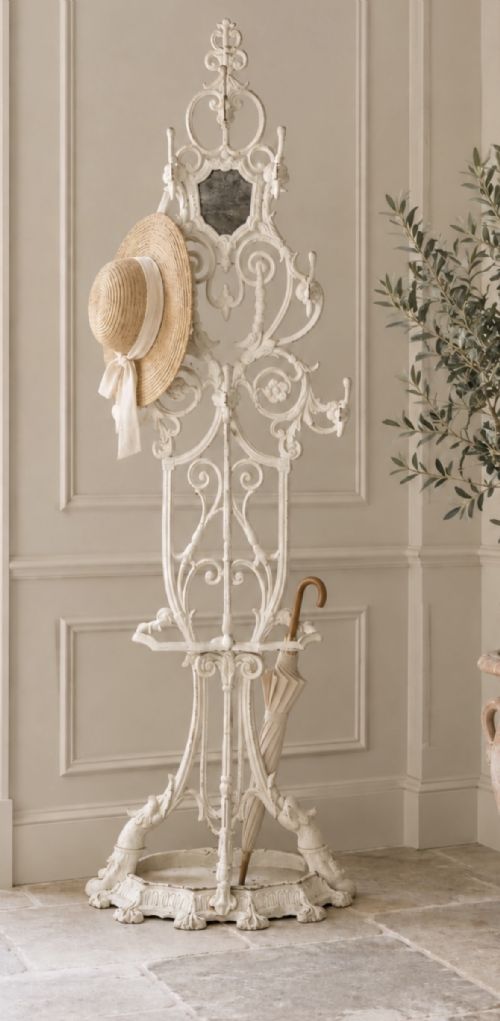
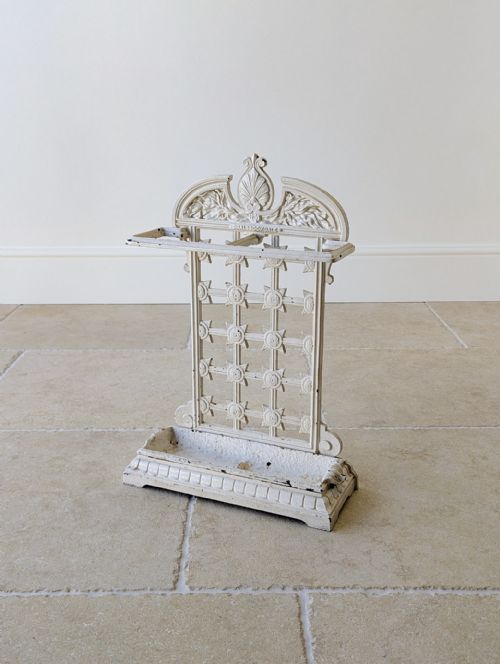
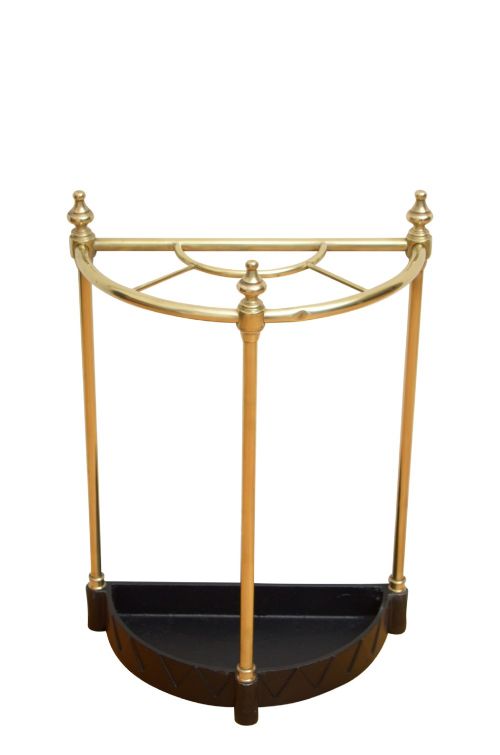
A victorian cast iron umbrella stand serves as a functional hallway accessory designed to hold wet walking sticks, umbrellas, and parasols. These items range from compact corner units to large hall stands incorporating coat hooks and mirrors.
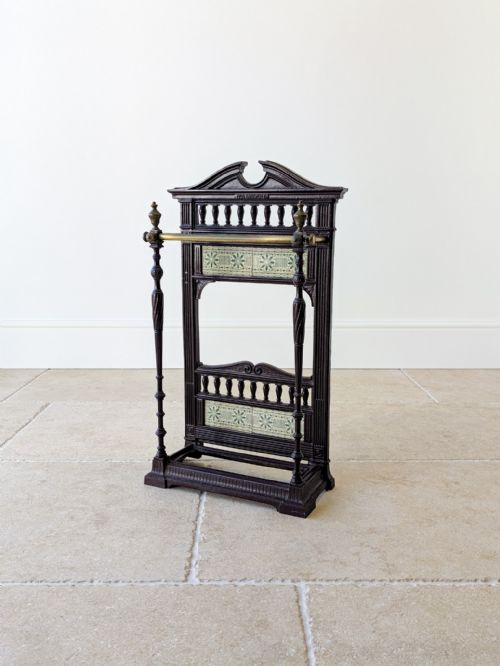
The pieces appearing on this page date predominantly from the nineteenth century, spanning Victorian, Edwardian, and Aesthetic Movement periods. Makers utilised robust metal casting to create intricate patterns suited to domestic entrance halls.
How they were made
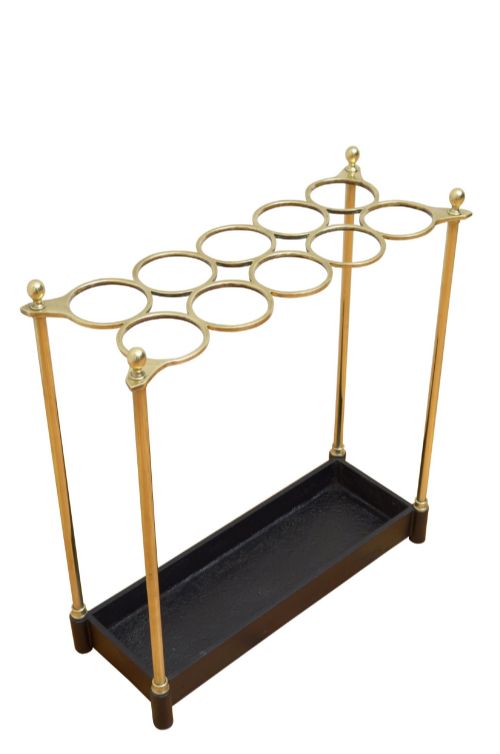
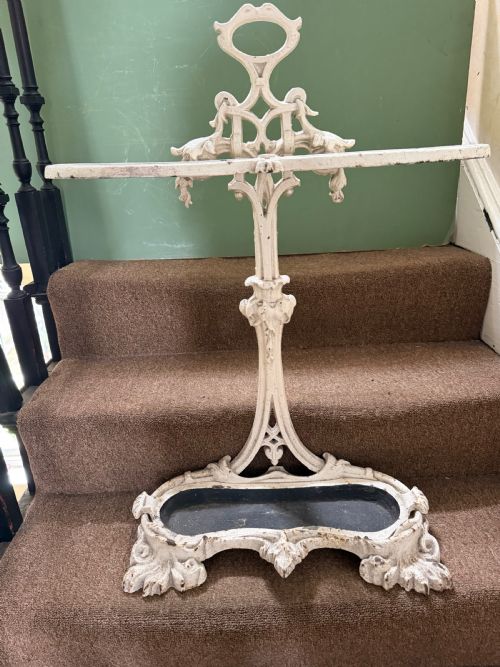
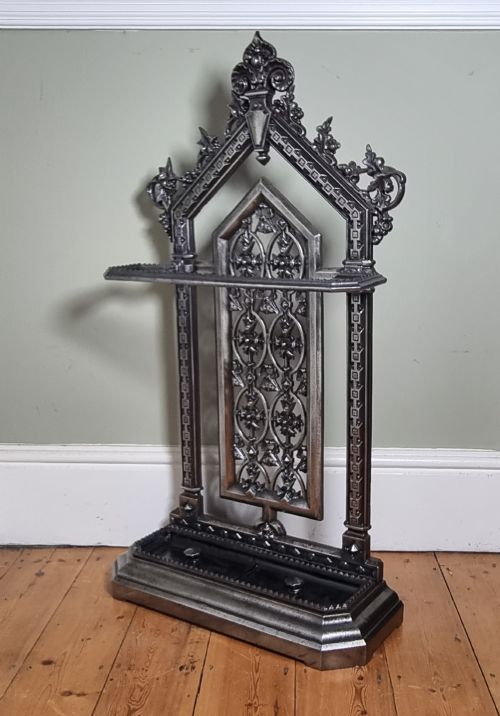
Foundries utilised cast iron poured into detailed moulds to form the structural frames and decorative panels of these umbrella holders. Many examples incorporate removable drip trays made from brass, ceramic, or painted iron to catch rainwater.
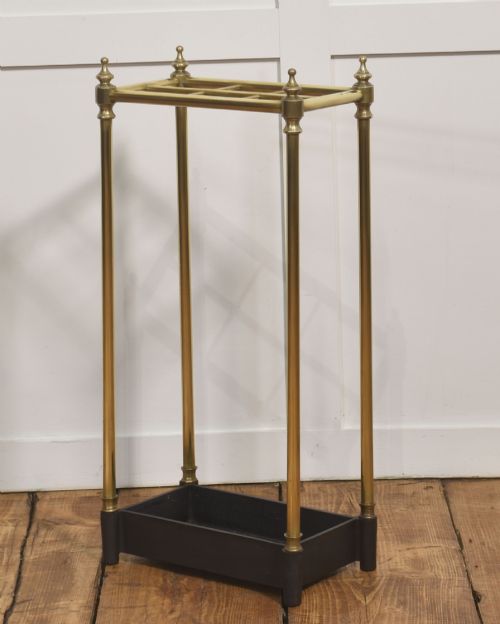
Manufacturers finished the cast iron surfaces with protective paint, enamel, or japanning to prevent corrosion in damp entryways. Brass finials, copper details, and mirrored plates frequently augmented the metal structure.
Listings feature robust materials including cast iron, brass, copper, ceramic, and mirror glass across Victorian and Edwardian periods.
What varies in quality
Design complexity and crispness of the metal casting distinguish standard foundry work from superior artistic production. Pieces carrying factory stamps or attributable to renowned makers demonstrate greater sculptural depth.
The presence of original drip trays and the integrity of delicate pierced decoration determine the overall standard of preservation. Heavier, more substantial castings offer superior stability for everyday hallway use.
Coalbrookdale·Thomas Jeckyll·Falkirk Ironworks·A. Kenrick & Sons
The Victorian Cast Iron Umbrella Glossary
- Demi lune
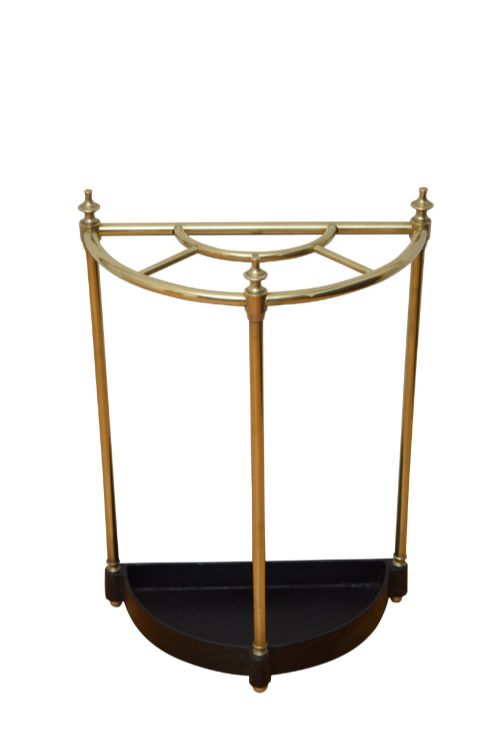
- A half-moon shape allowing the stand to sit flush against a hallway wall. This profile suits narrow corridors.
- Drip tray
- A removable metal or ceramic basin positioned at the base to collect water. It protects floor coverings from dampness.
- Japanning
- A type of durable dark varnish finish applied to metalwork. It mimics Asian lacquer techniques popular in period interiors.
- Faux bamboo
- Moulded metal designed to resemble natural bamboo stalks. This decorative motif appeared frequently during the late nineteenth century.
Victorian Cast Iron Umbrella: Frequently Asked Questions
Where were these umbrella stands placed?
These pieces stood primarily in entrance halls, boot rooms, and vestibules of Victorian and Edwardian homes. Their position near the front door allowed residents and visitors to deposit wet walking sticks and umbrellas immediately upon entering.
Larger versions featuring integrated coat hooks and mirror panels often occupied prominent wall spaces in grand hallways. Corner units utilised awkward angles in smaller entrance spaces efficiently.
How do I maintain a cast iron stand?
Keep the metal dry and clean away accumulated dust from intricate scrollwork using a soft brush. Regularly empty and dry the lower drip tray to prevent moisture damage to the surrounding floor.
Avoid placing the stand in damp environments where condensation might affect historic paint or enamel finishes. Apply a light microcrystalline wax if the bare iron requires surface protection.
Are original drip trays common?
Original drip trays frequently separated from the main iron frames over decades of use and cleaning. Finding a stand with its matching brass, ceramic, or iron tray remains a distinct advantage.
Replacement trays appear often, so examining the fit and material helps determine whether the basin belongs to the original construction.
How do I identify a period piece?
Period pieces display heavier iron weight, sand-cast textures on reverse surfaces, and construction methods consistent with nineteenth-century foundries. Design motifs such as Aesthetic Movement geometry or Gothic revival tracery point to specific decades.
Maker marks, registration numbers, or foundry stamps cast into the iron provide definitive evidence of origin and date.