


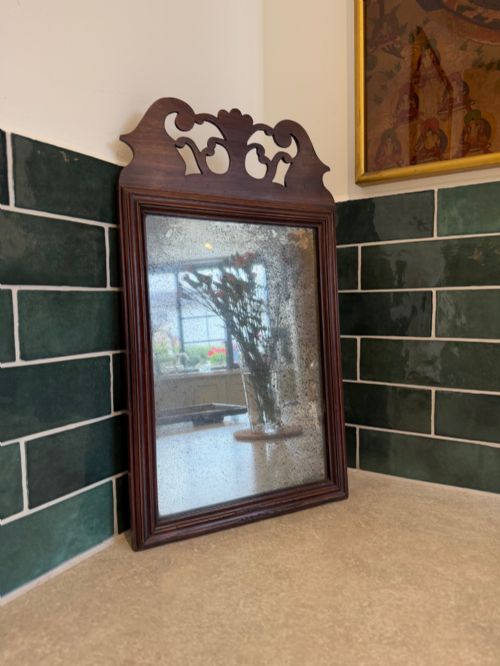
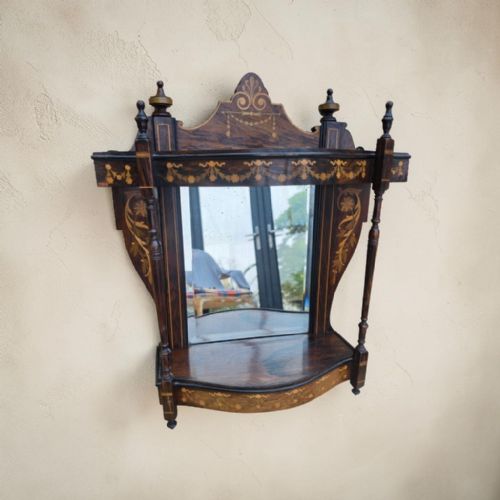
Vintage Carved Wooden Mirror
A vintage carved wooden mirror brings warmth and depth to a room through the rich texture of timber and the confident hand of the carver.
Vintage Carved Wooden Mirror
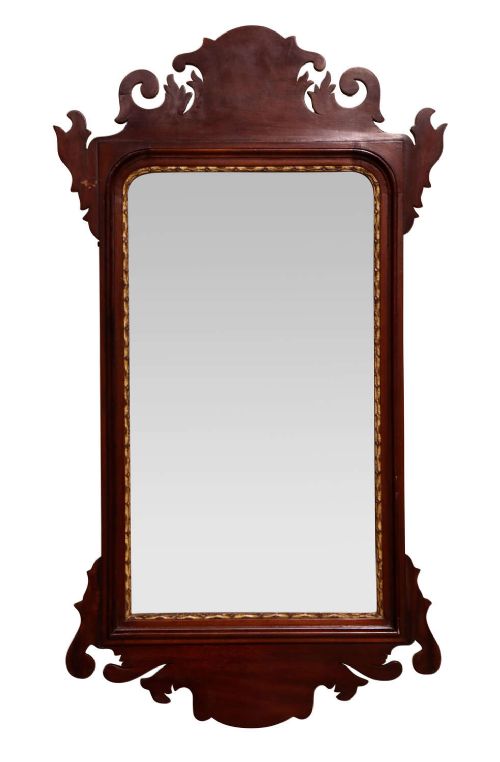
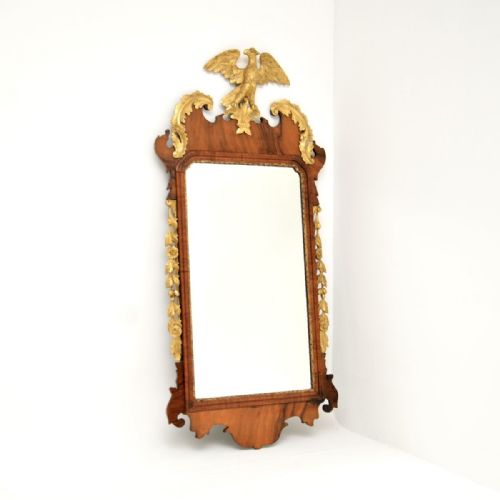
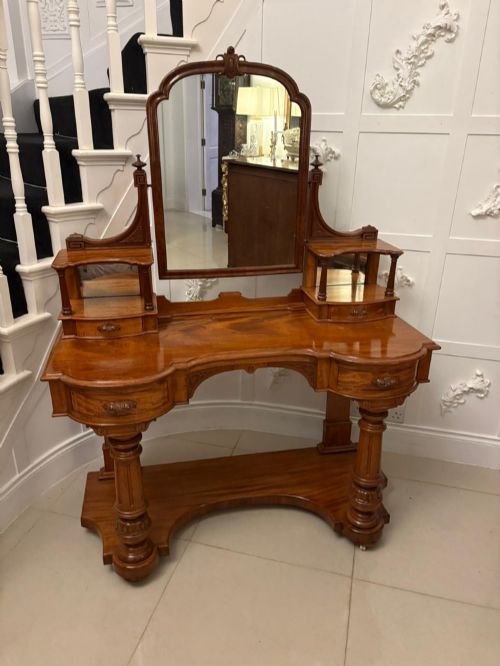
A vintage carved wooden mirror encompasses wall mirrors, overmantel pieces, and dressing table glasses selected for domestic spaces. These items originate predominantly from the nineteenth and early twentieth centuries, spanning Victorian, Edwardian, and Arts and Crafts periods.
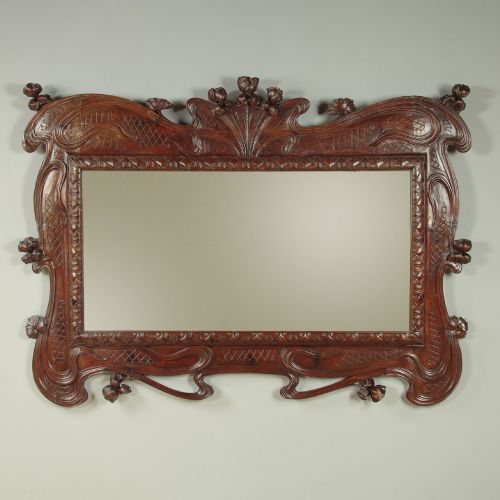
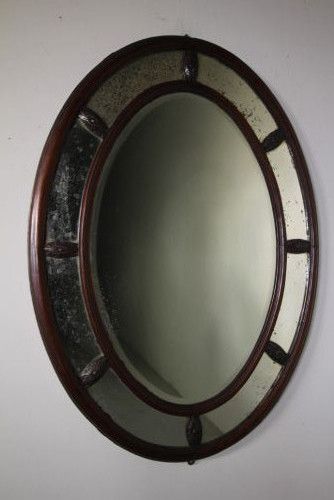
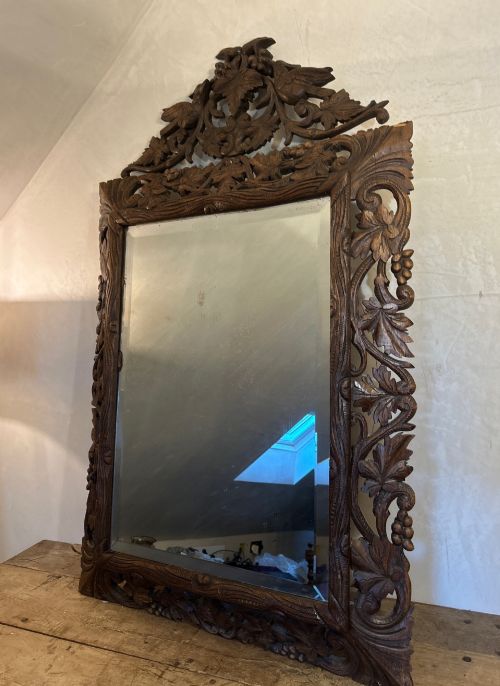
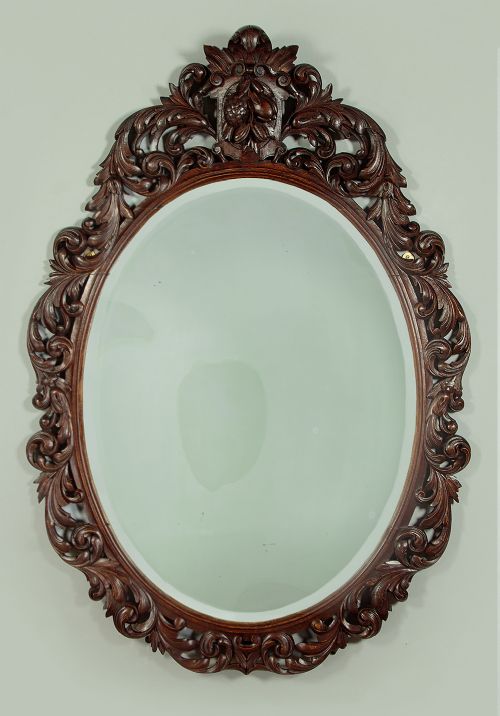
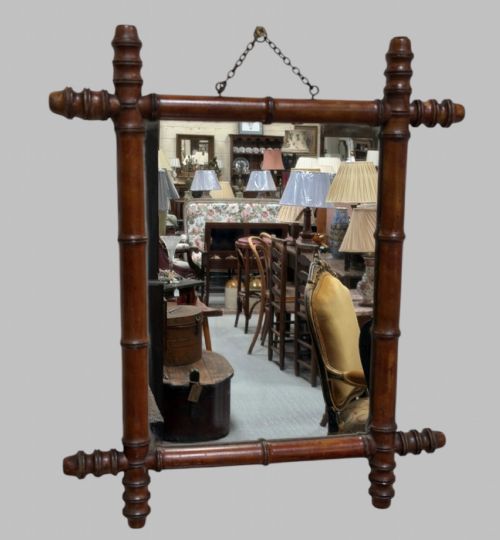
The most common variations on this page include oval and rectangular wall mirrors framed in carved oak or mahogany. Makers from different regions applied distinct decorative vocabularies, ranging from simple provincial framing to elaborate continental carving.
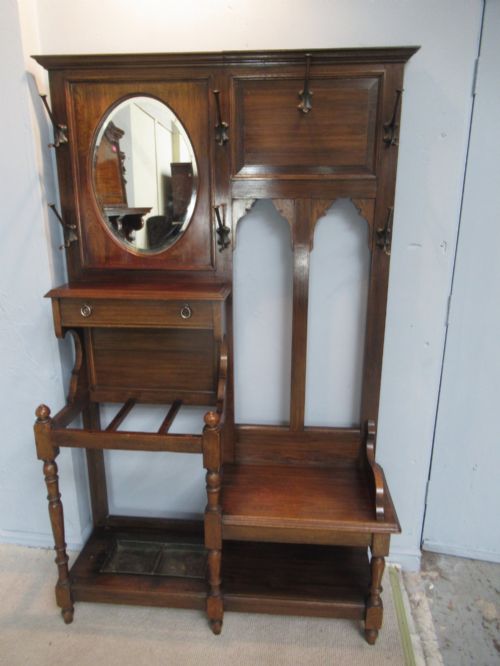
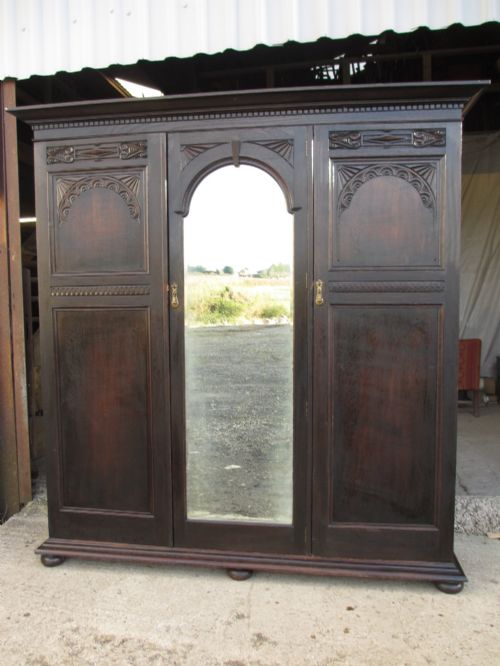
Beyond standalone wall mirrors, the selection includes fitted elements from larger furniture such as wardrobe doors and sideboard backs. Each piece reflects the interior trends of its era, utilising native and imported timbers to shape domestic light.
How they were made
Makers utilised solid timbers such as oak, mahogany, and walnut, selecting woods for their grain pattern and density. Carvers worked directly into the timber frame, using gouges and chisels to create relief patterns, scrolling foliage, and architectural mouldings.
Secondary materials included brass fixings, gesso for detail preparation, and silvered glass plates. Frames were assembled with traditional joinery before receiving finishes of wax, polish, or parcel gilding to protect the wood and enhance its colour.
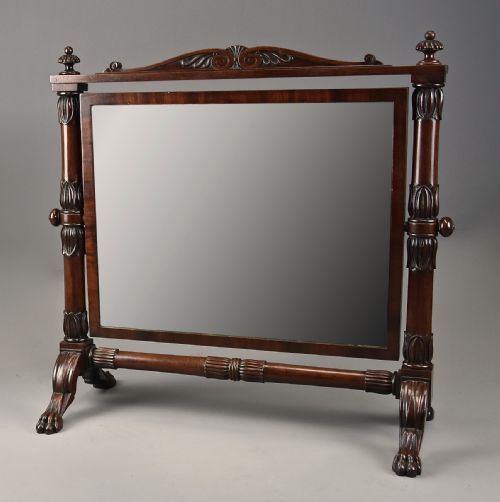
A shaving stand provides an adjustable mirror for grooming, proving that nineteenth-century mornings required just as much adjustment as modern ones.
What varies in quality
Depth and precision of the carving separate standard workshop pieces from superior examples. Crisp undercut relief work demonstrates greater skill than shallow, machine-influenced moulding.
The choice of timber and the retention of original surface patination dictate the character of the object. High-grade items display well-figured grain and harmonious proportions between the wooden frame and the glass plate.
The Vintage Carved Wooden Mirror Glossary
- Gesso
- A plaster-like mixture applied to wooden surfaces to provide a smooth base for gilding or painting. It is built up in thin layers before being carved or stamped.
- Overmantel mirror
- A large mirror designed specifically to hang above a fireplace mantelpiece. These pieces often incorporate wide wooden frames to anchor the visual weight of the hearth.
- Parcel gilt
- A decorative treatment where specific carved details of a wooden frame are partially gilded with gold leaf while the rest of the timber remains exposed.
- Fretwork
- Openwork ornamentation cut from thin boards of wood using a saw. This technique creates delicate geometric or scrolling patterns within the frame.
- Patina
- The surface sheen and colour acquired by wood and metal over decades of handling, exposure to light, and polishing. It indicates age and previous use.
Vintage Carved Wooden Mirror: Frequently Asked Questions
How do I hang a heavy wooden mirror?
Heavy wooden mirrors require secure wall fixing into masonry or direct wooden studs using appropriate heavy-duty brackets. The substantial weight of nineteenth-century frames demands load-bearing hardware rather than standard picture hooks.
Ensure the hanging wire or integrated D-rings on the back of the frame match the weight of the timber and glass. Professional installation is recommended for large overmantel and wall pieces.
How should I clean the wooden frame?
Dust the carved wooden frame regularly with a dry, soft cloth to prevent grime accumulation in the recesses of the carving. Avoid chemical sprays or water, which can damage aged finishes and open grain.
Apply a microcrystalline wax sparingly once or twice a year if the timber appears dry, buffing gently to maintain the natural sheen.
Are the mirror plates original?
Many mirrors retain their original glass plates, which often display subtle imperfections, minor foxing, or light distortion characteristic of historical manufacture. These minor signs of age confirm the period authenticity of the piece.
Some mirrors have received replacement glass plates over their lifespan to improve reflection clarity, particularly when the original silvering degraded beyond restoration.
How do I identify the period of a mirror?
Period identification relies on a combination of timber selection, joinery techniques, and the stylistic vocabulary of the carving. Victorian and Edwardian pieces often exhibit distinct motifs influenced by Arts and Crafts or revivalist movements.
Examining the backboards, screws, and framing construction provides further evidence of the manufacturing era and workshop origin.