


Foliate Carved Frame Mirror
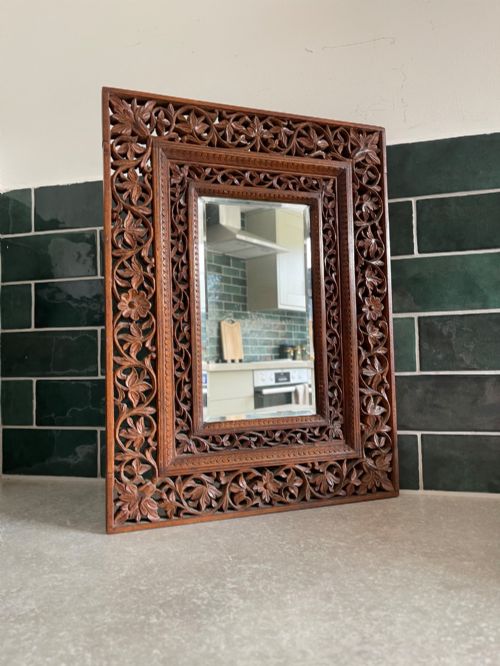
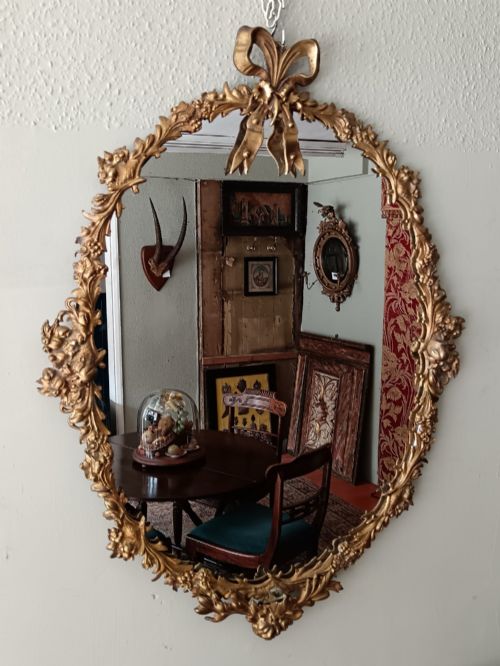
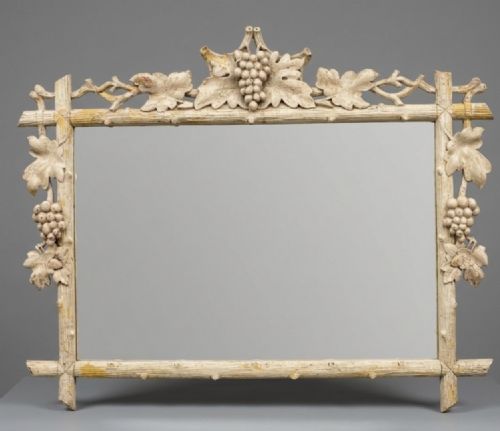
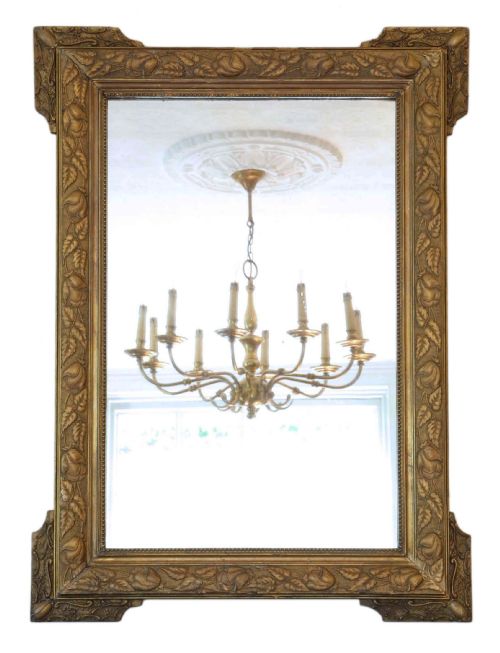
These foliate carved frame mirror pieces bring organic leaf and vine motifs into a room, offering both function and decorative depth.
Foliate Carved Frame Mirror
A foliate carved frame mirror brings together carved woodwork and reflective glass, appearing across wall mirrors, overmantels, and picture frames. These pieces span the nineteenth century, Victorian era, Edwardian period, and seventeenth century, showing how cabinetmakers applied leaf motifs across centuries.
You will most frequently meet nineteenth century and Victorian wall mirrors or overmantel mirrors on this page. They employ styles ranging from Victorian Gothic Revival and Louis XVI Revival to Rococo, Jacobean Revival, Anglo-Indian, and rustic designs.
Origins vary across English, French, Venetian, and North Indian workshops, giving you a choice of regional carving traditions. The wood or metal frames carry carved foliage, from simple oak leaves to elaborate giltwood scrolls.
How they were made
Carvers shaped these frames from timber, oak, teak, and hardwood, cutting deep leaf and vine details directly into the solid material. Other pieces utilise gesso built up over a wooden base to hold crisp, intricate relief work before gilding.
Giltwood and gilt bronze finishes provide a reflective metallic sheen over the carved forms, while painted surfaces offer alternative textures. Glass plates are fitted into the rebated backs, secured with traditional wooden slips or backing boards.
The listings on this site record foliate carved frame mirror examples spanning the seventeenth century through to the Edwardian period.
What varies in quality
The depth and sharpness of the carving separate the finer pieces from simpler work, as skilled hands create undercut leaves and layered foliage that catch the light. The choice of material also dictates quality, distinguishing solid oak and gilt bronze from softer painted woods.
Proportion and execution define the overall success of a frame, with balanced leaf work complementing the mirror glass rather than overpowering it. The integrity of the original finish, whether giltwood or polished hardwood, marks the distinction between a well-preserved piece and a heavily altered one.
The Foliate Carved Frame Mirror Glossary
- Foliate
- Decorated with leaves, flowers, and plant motifs. This style of ornamentation defines the carved borders of these frames.
- Giltwood
- Wood that has been covered with a thin layer of gold leaf. It provides a bright, reflective surface popular in revival styles.
- Gesso
- A plaster mixture applied to wood frames as a base for gilding or painting. It allows carvers to achieve fine, sharp details.
- Overmantel
- A large mirror designed to hang above a fireplace mantel. These pieces often feature wide frames and substantial proportions.
- Rebate
- A recess or groove cut into the edge of a frame to hold the mirror glass securely in place.
Foliate Carved Frame Mirror: Frequently Asked Questions
Where should I hang a foliate carved frame mirror?
These mirrors suit chimney breasts as overmantels, entryways as wall mirrors, or above sideboards where the carved frame acts as a primary focal point.
Ensure the wall fixings match the substantial weight of timber, giltwood, or bronze frames to support them securely.
How do I identify the period of a carved mirror?
Look to the combination of wood type, carving style, and the construction of the frame back. Seventeenth-century and nineteenth-century pieces employ different tool marks and assembly methods.
Stylistic revivals like Jacobean or Louis XVI borrow earlier motifs, so examining the physical materials helps confirm the actual date.
What is the difference between giltwood and gilt bronze?
Giltwood consists of carved timber coated in gold leaf, giving a warm, slightly textured metallic finish. Gilt bronze involves cast metal alloy treated with gold, offering a heavier and sharper detail.
Both materials were used across nineteenth-century European mirror frames to create opulent decorative surfaces.
Are these mirrors suitable for bathrooms?
Historic frames featuring exposed timber, gesso, or traditional gilding react poorly to high humidity and direct moisture. Placing them in dry living spaces or hallways preserves the original materials.
Steam from showers can damage gesso grounds and cause gilt surfaces to flake over time.