
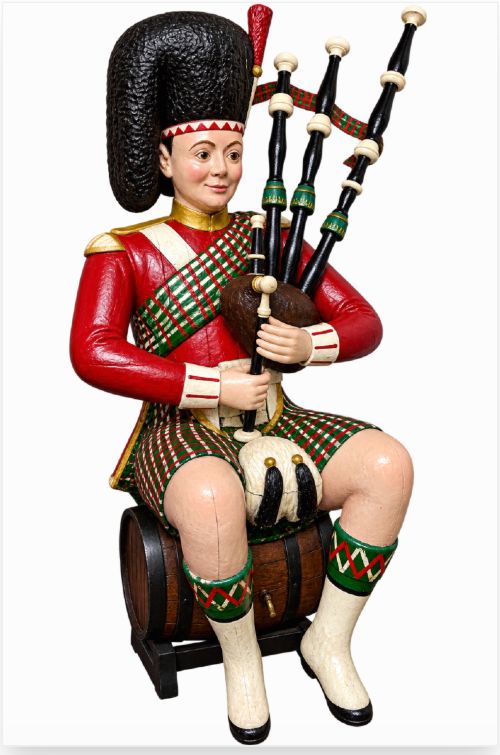
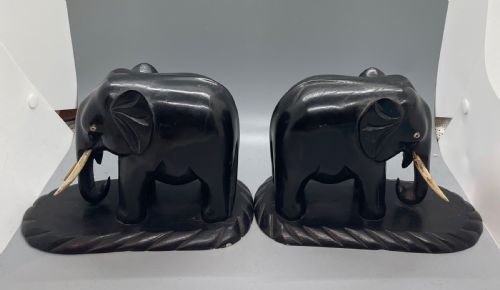
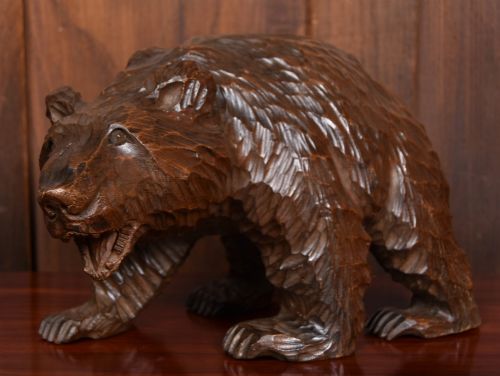
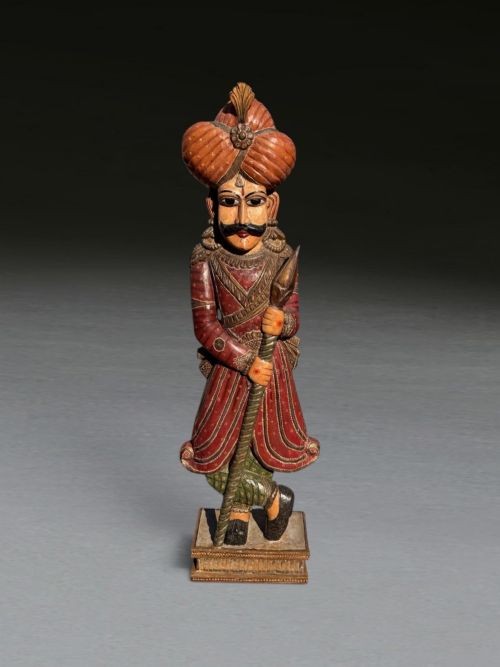
Vintage Carved Wood Statue
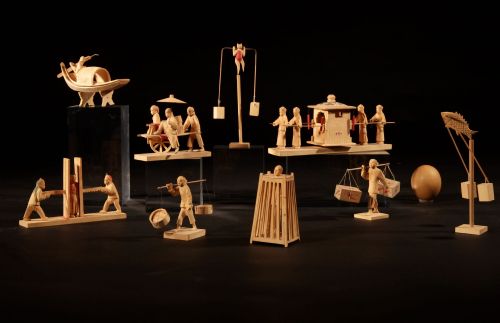
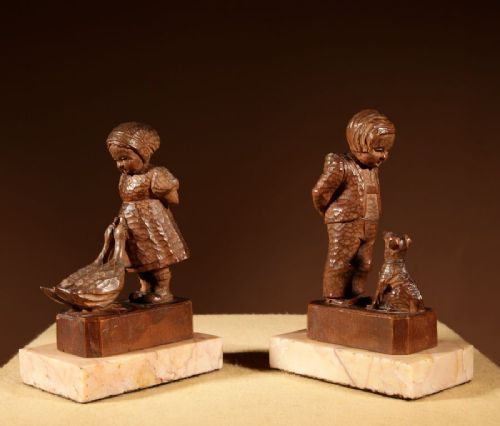
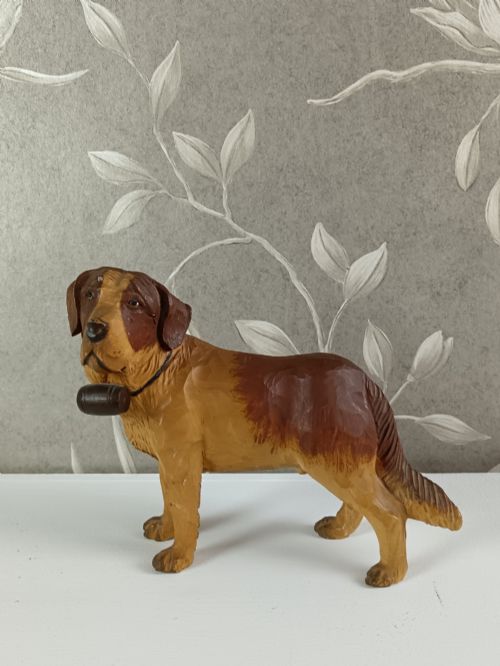
When you search for a vintage carved wood statue, you encounter figures ranging from Black Forest bears to Asian deities carved across the nineteenth and twentieth centuries.
Vintage Carved Wood Statue
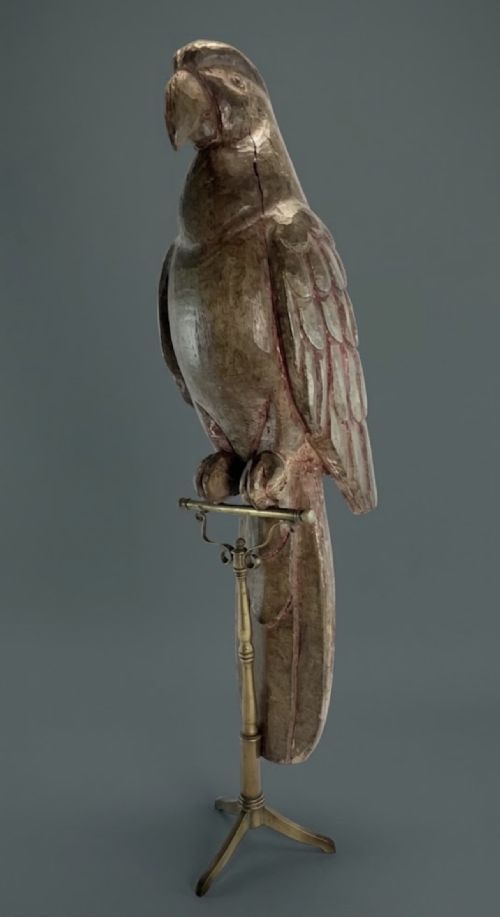
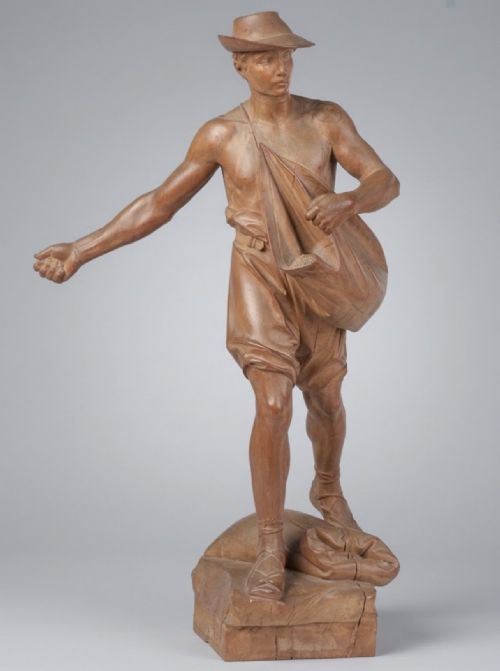
A vintage carved wood statue encompasses a broad sweep of sculptural objects, including human figures, animals, and architectural ornaments originating from diverse global traditions. When browsing this specific selection, the most common pieces you meet include nineteenth-century animal carvings, folk art figures, and decorative objects from European and Asian workshops.
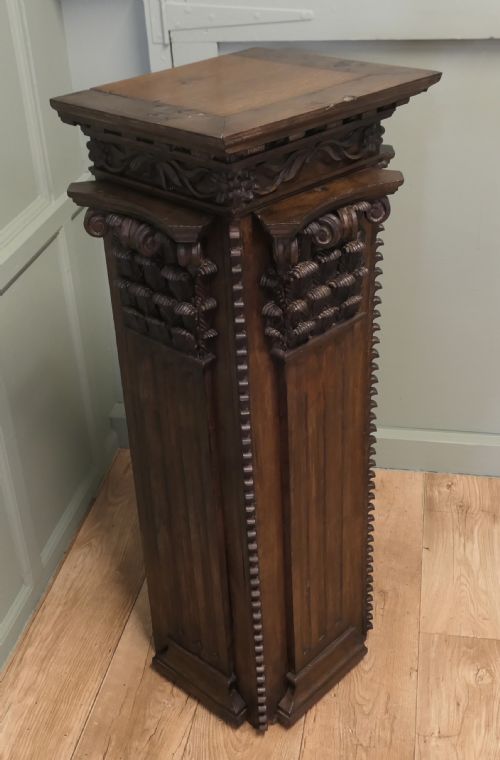
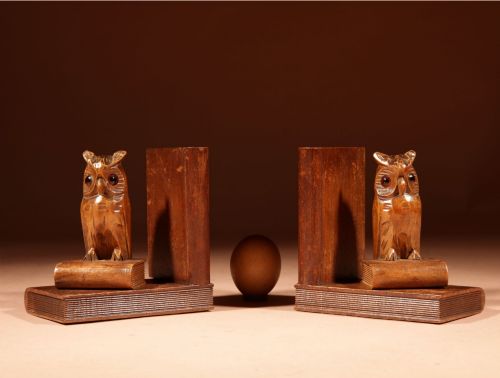
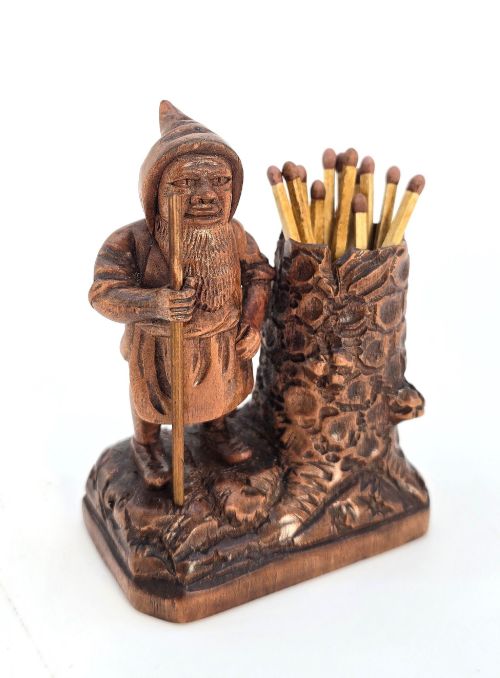
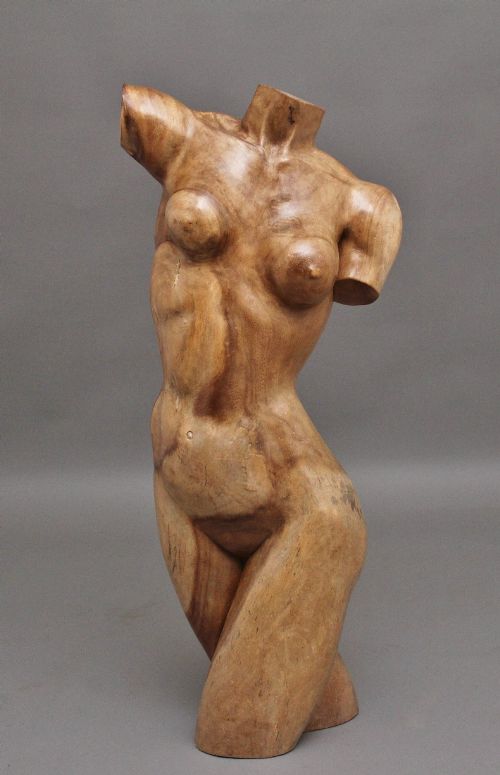
The material forms vary considerably, stretching from small bookends and match holders to life-size figures, trade signs, and column display pedestals. Makers utilised native and exotic timbers to shape subjects as varied as saints, soldiers, bears, and mythological deities.
The chronological scope spans from the Victorian era and the nineteenth century through the Art Deco period and into the nineteen-forties. These pieces served practical domestic functions, commercial trade displays, or purely decorative roles in period interiors.
Materials and Techniques
Carvers worked in a variety of woods selected for their grain and density, including limewood, fruitwood, oak, boxwood, teak, and heavy hardwoods. Soft and hard timbers alike received hand-chiselled detailing, often enhanced with gesso preparation layers before finishing.
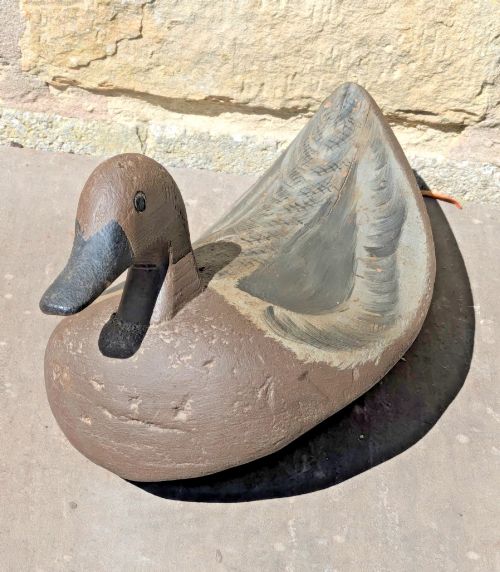
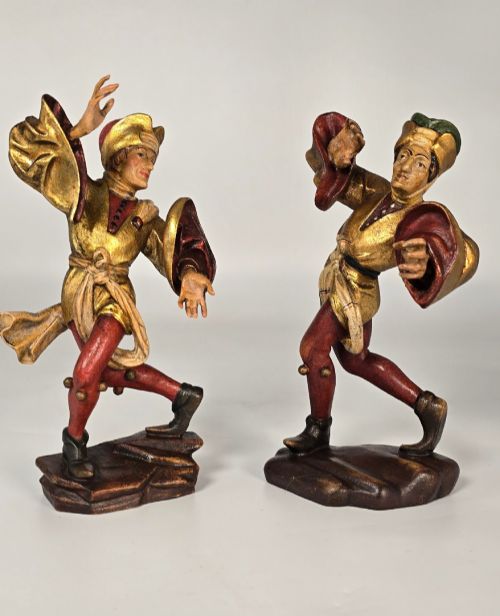
Many sculptures display polychrome paint, gold leaf, or lacquer applications that altered the raw timber appearance. Surface decoration ranged from natural polished wood grains to bright hand-painted details on trade figures and folk art horses.
Listings feature woods such as oak, fruitwood, limewood, and boxwood, alongside materials like glass, gesso, and gold leaf.
Judging Quality
The distinction between standard commercial pieces and superior examples lies in the depth and precision of the carving. Master carvers achieved anatomical accuracy and expressive vitality in figures, whereas lesser works display rigid posture and simplified tool marks.
Original surface treatments dictate much of the desirability, with untouched historic patinas and original paint retaining more integrity than later overpainting. The harmony between the timber's natural properties and the sculptor's execution separates utilitarian items from fine works of art.
The Vintage Carved Wood Statue Glossary
- Black Forest
- A style of wood carving originating from the mountainous region of Central Europe, renowned for realistic animal sculptures, particularly bears.
- Polychrome
- Decorated in multiple colours, frequently seen on folk art figures, trade signs, and religious statues where paint brings realism to the carved timber.
- Gesso
- A plaster-based mixture applied to wood surfaces to prepare them for gilding or painting, providing a smooth base for fine detail.
- Limewood
- A pale, fine-grained timber favoured by traditional carvers because its lack of prominent grain allows intricate undercut details without splintering.
- Folk Art
- Objects created by self-taught or traditional artisans outside the formal academic academies, often characterised by naive charm and regional character.
Vintage Carved Wood Statue: Frequently Asked Questions
How do I identify a Black Forest carving?
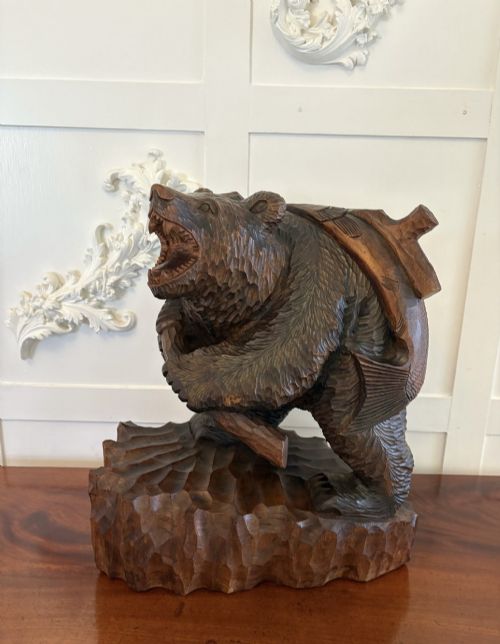
Black Forest carvings are typically rendered in limewood or walnut and most famously depict bears, owls, or forest animals with glass eyes. They often function as practical items like bookends, tobacco holders, or inkwells.
The carving style is remarkably lifelike, capturing textured fur and dynamic poses that reflect nineteenth-century European chalet craftsmanship.
What is the difference between folk art and academic sculptures?
Folk art sculptures display a naive, direct approach to form and proportion, often created by local craftsmen for trade signs or domestic use. Academic works adhere strictly to classical proportions and anatomical precision.
Folk carvings rely heavily on bold painted surfaces and charm rather than anatomical perfection.
How should I care for antique wooden statues?
Keep wooden sculptures away from direct heat sources and dramatic humidity fluctuations to prevent the timber from splitting or warping. Dust gently with a dry, soft cloth rather than applying modern chemical polishes.
Allowing the wood to retain its natural breathability preserves the historic patina over decades.
Were all wooden statues painted originally?
Many sculptures were left as bare wood to showcase the natural grain, polished with wax or oil by the maker. Others received gesso and polychrome paint, gold leaf, or dark staining.
The finish depends entirely on the region of origin, such as brightly lacquered Asian figures or European trade signs.