
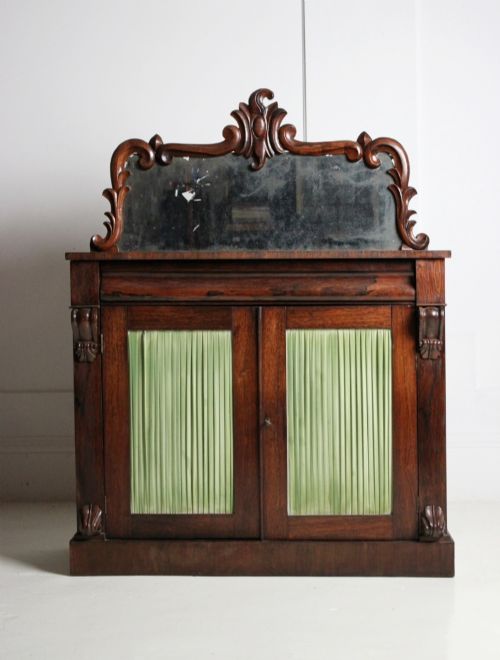
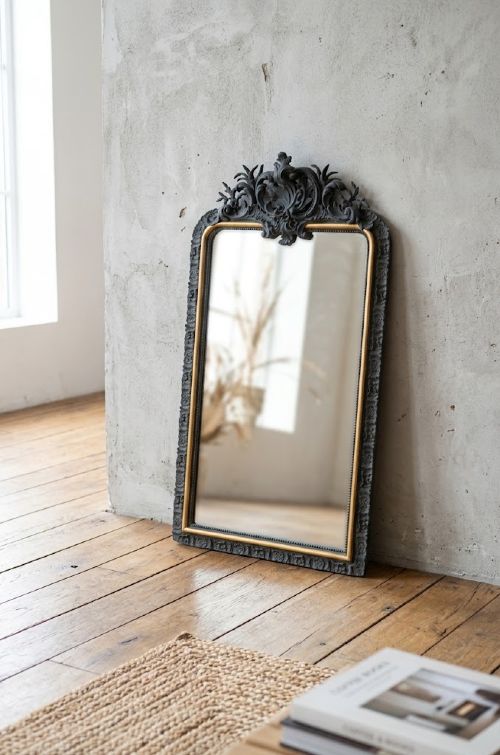
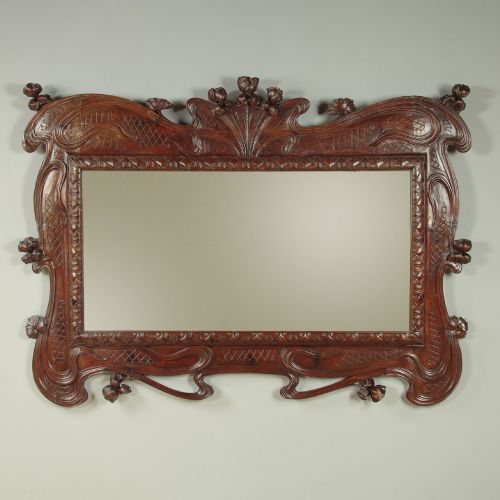
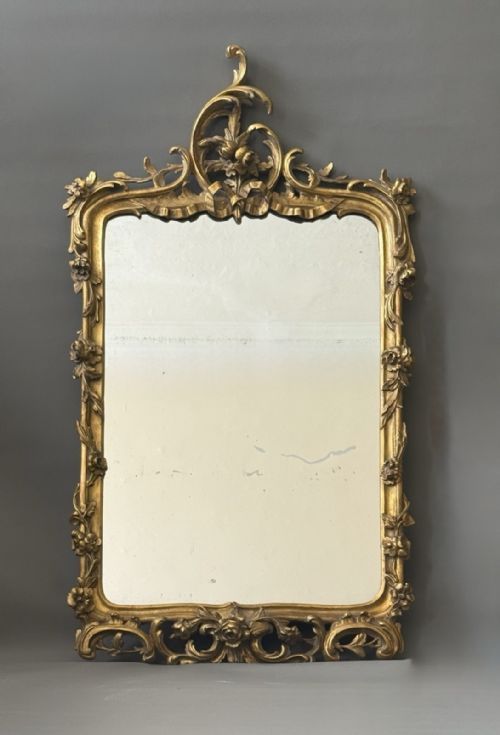


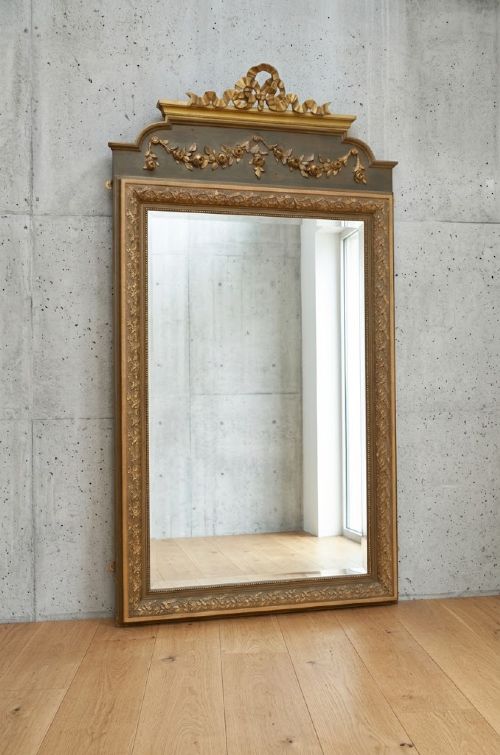
Vintage Carved Wood Mirror
A vintage carved wood mirror brings warmth and character to a room, offering craftsmanship that modern frames simply cannot replicate.
Vintage Carved Wood Mirror
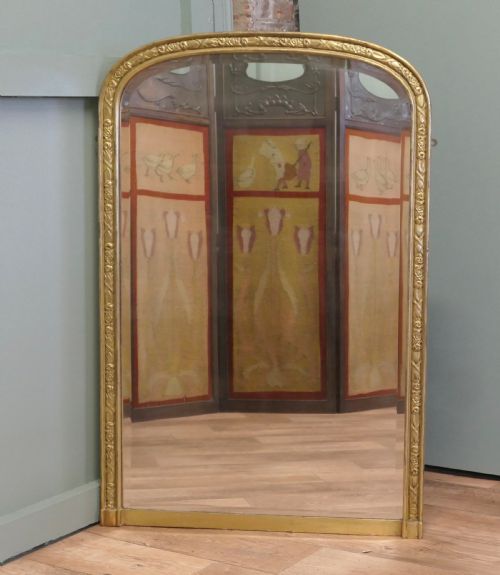
When searching for a vintage carved wood mirror, buyers encounter a diverse selection ranging from compact Edwardian hall glasses to large nineteenth-century overmantel frames. These pieces serve practical daily functions while acting as significant decorative focal points within traditional and contemporary interiors alike.
The inventory includes various forms such as wall mirrors, cheval mirrors, and pier mirrors originating from British, French, and Italian workshops. Surviving examples span multiple periods, predominantly showcasing Victorian, Edwardian, and eighteenth-century aesthetics executed in timber or gilded gesso.
Buyers frequently find regional variations, including English mahogany country house styles alongside ornate continental giltwood designs. Each object reflects the prevailing taste of its era, from simple oak frames to elaborate rococo carvings.
How they were made
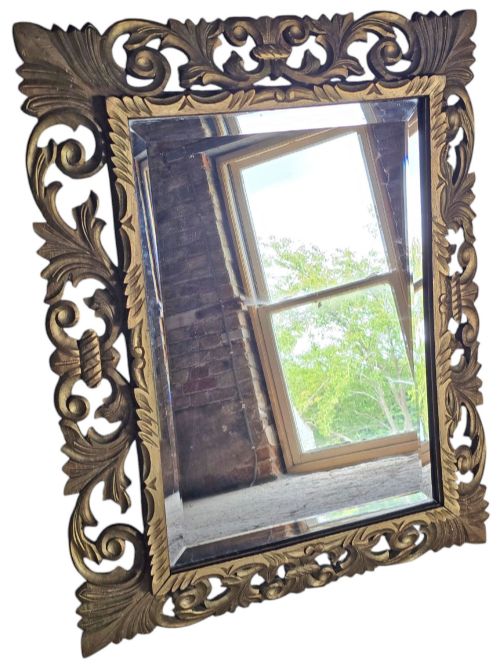
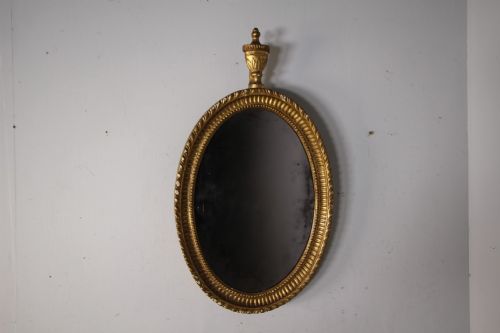
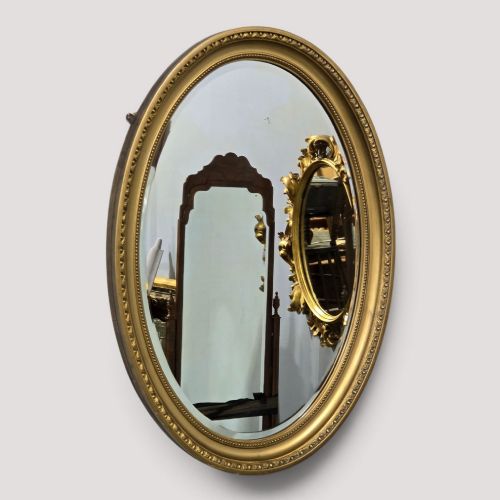
Cabinetmakers and carvers utilised dense hardwoods such as mahogany, oak, and walnut, shaping the timber by hand with chisels and gouges. Frames often received layers of gesso before gilding with gold leaf, creating a luminous surface that catches the light.
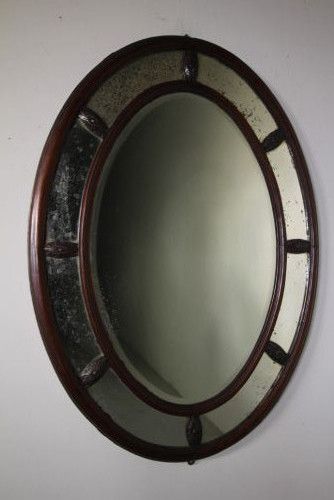
Joinery techniques varied according to the period and form, utilising mortise and tenon joints for structural stability in larger overmantel and cheval mirrors. Glass plates were traditionally silvered using mercury or older methods, resulting in the characteristic foxing seen on antique examples.
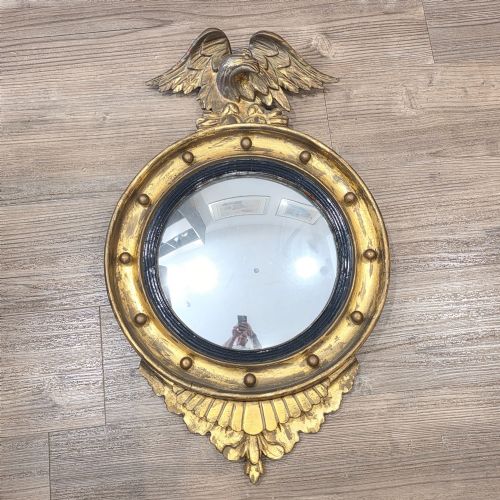
Several mirrors feature small carved creatures, including a prominent spread eagle keeping watch from the top of the frame.
What varies in quality
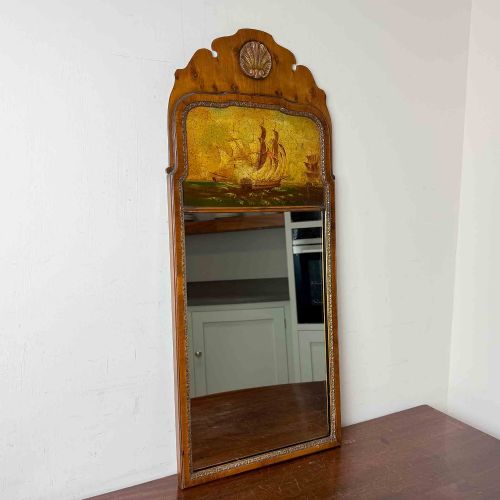
The depth and crispness of the hand-carving separate ordinary production from superior examples, as skilled artisans achieved intricate relief work with sharp undercut details. The quality of the underlying timber or the evenness of the gesso application dictates the long-term durability and visual richness of the frame.
Original mirror plates retain distinct optical characteristics and silvering patinas that distinguish them from modern replacements. The integrity of the original construction, including untouched backing boards and secure joints, defines the preservation standard of each piece.
The Vintage Carved Wood Mirror Glossary
- Gesso
- A plaster-like mixture applied to wood frames to provide a smooth base for gilding or painting. It is built up in layers before being carved or moulded.
- Giltwood
- Timber that has been coated with gold leaf or gold paint. This finish was widely favored in French and English decorative pieces.
- Foxing
- Age-related brown spots and speckles that develop on antique mirror glass due to the breakdown of the silvering backing over time.
- Overmantel mirror
- A large horizontal mirror designed specifically to hang above a fireplace mantelpiece. These frames often match the architectural scale of the room.
- Cheval mirror
- A full-length freestanding mirror suspended in a frame on pivots, allowing the glass to tilt. They became popular for dressing rooms during the eighteenth and nineteenth centuries.
Vintage Carved Wood Mirror: Frequently Asked Questions
How do I hang a heavy antique mirror?
Heavy frames require secure wall fixings anchored directly into masonry or substantial timber studs to support the weight safely. Using professional mirror plates or heavy-duty wire rated for the specific load ensures stability.
Position the mirror at a height that reflects eye level or catches natural light from a nearby window to maximise its impact in the room.
What is foxed glass?
Foxed glass refers to the natural oxidation of the reflective silver coating behind the mirror plate. This process creates mottled patches and dark spots over decades of exposure to air and moisture.
Many collectors value foxed glass as an authentic sign of age that distinguishes antique plates from modern float glass.
Are these mirrors original antique pieces?
The selection comprises authentic items dating from the eighteenth century through the early twentieth century, reflecting genuine period craftsmanship. Descriptions note specific materials, styles, and approximate eras to establish their historical context.
Examining the construction methods, backing boards, and glass helps confirm the age of each individual piece.