

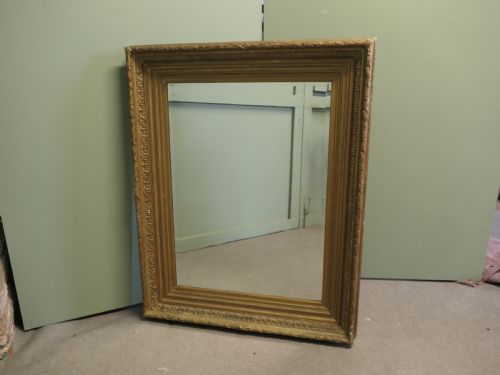

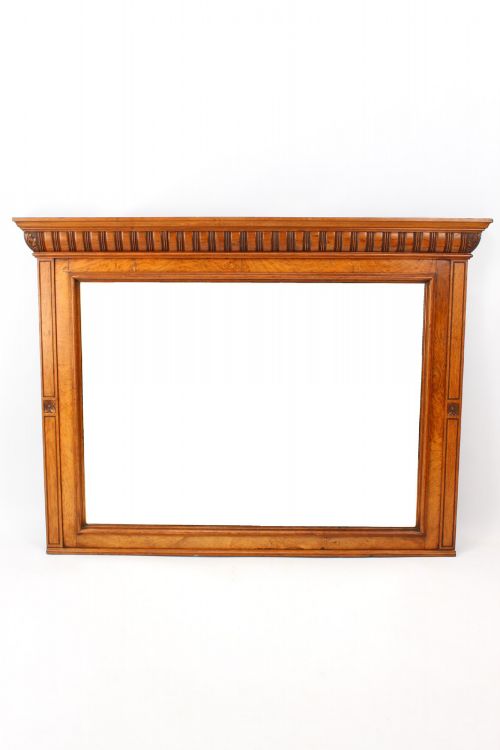
Traditional Wood Framed Mirror
A traditional wood framed mirror brings depth and character to a room, offering functional reflection through centuries of craftsmanship.
Traditional Wood Framed Mirror
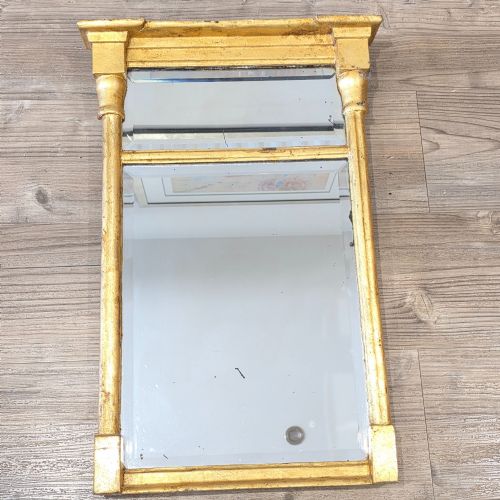
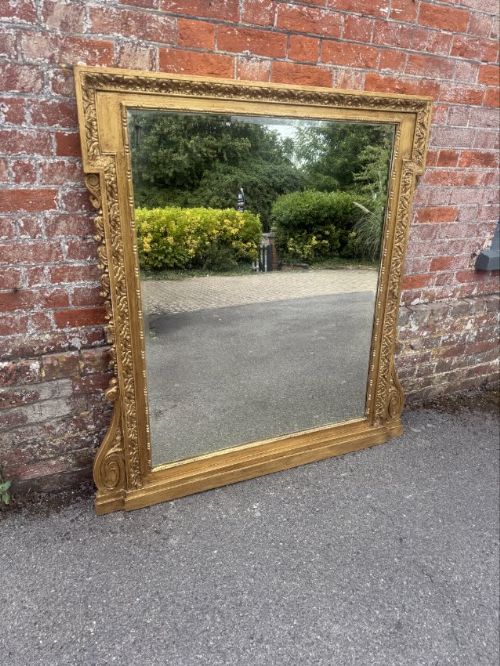
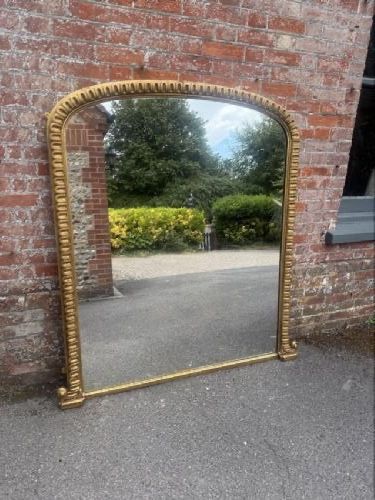
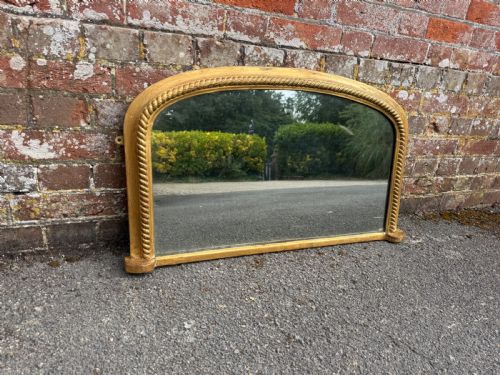
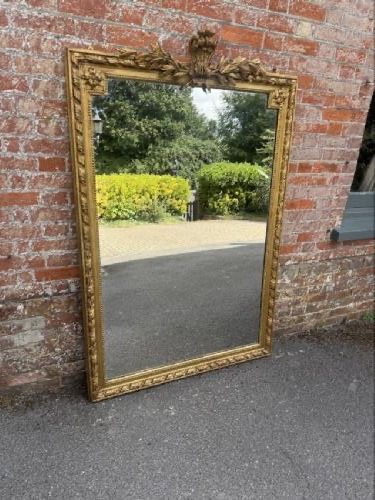
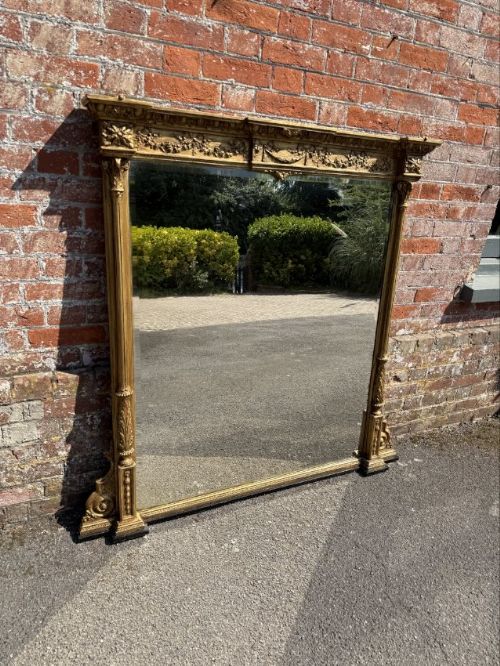
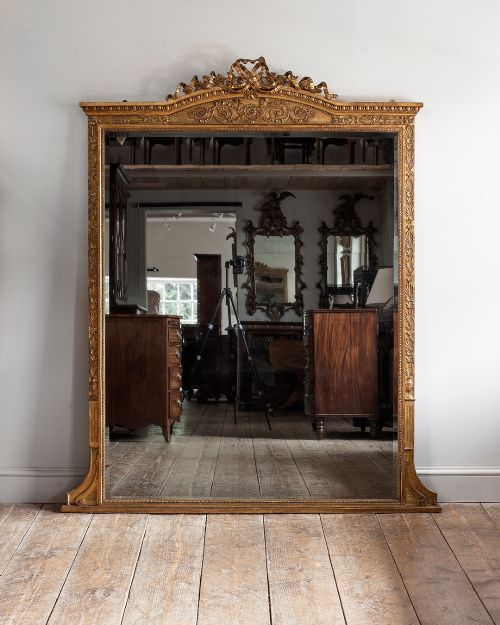
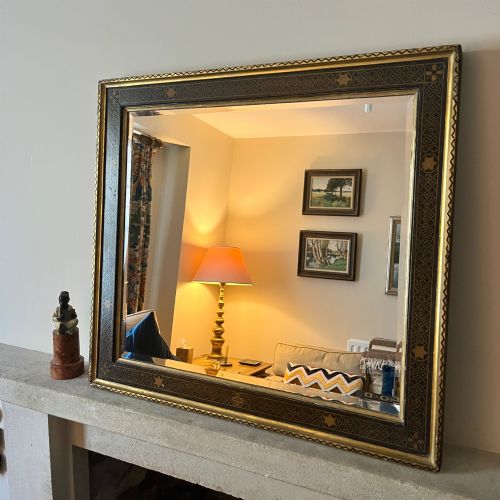
A traditional wood framed mirror serves as both a practical household object and a significant decorative feature within domestic interiors. These pieces range from compact wall-hanging designs to substantial overmantel fixtures meant to command a room.
The selection here encompasses various historical periods, with nineteenth-century examples and Victorian designs appearing frequently alongside Georgian, Edwardian, and twentieth-century interpretations. Overmantel mirrors and wall mirrors dominate the forms, supplemented by pier mirrors, cheval mirrors, and occasional picture frames.
Origins span English, French, and continental workshops, reflecting shifts in taste from architectural neoclassical symmetry to elaborate nineteenth-century gilt schemes.
How they were made
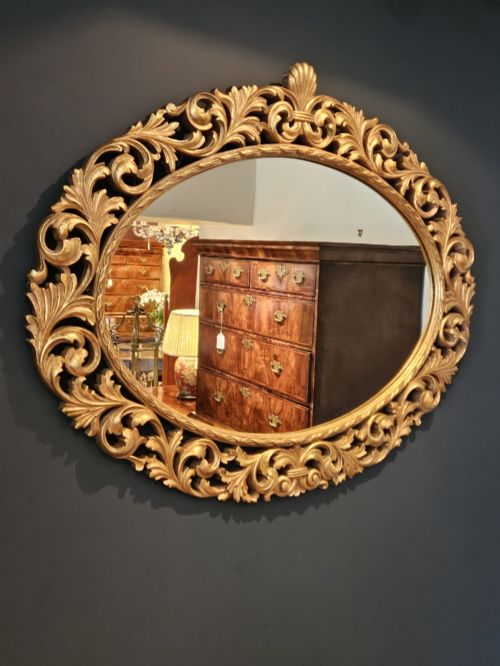
Carpenters and joiners built the primary structures using timbers such as mahogany, walnut, oak, and rosewood, often employing intricate fret-cutting and carving techniques. Frames were frequently coated in gesso, a plaster-like preparation layer applied to wood to create a smooth surface for subsequent gilding.
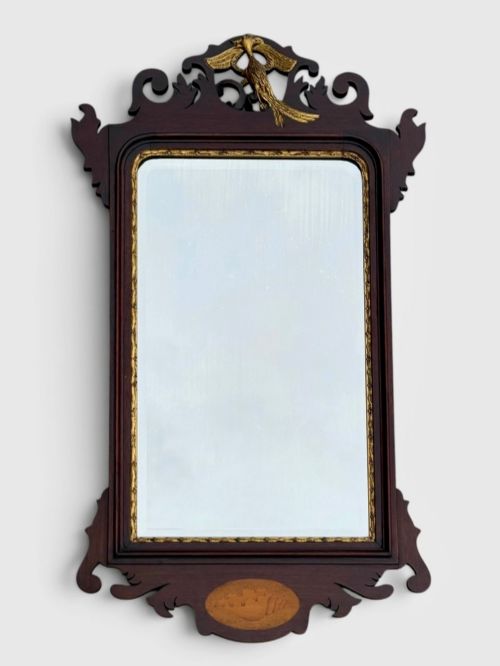
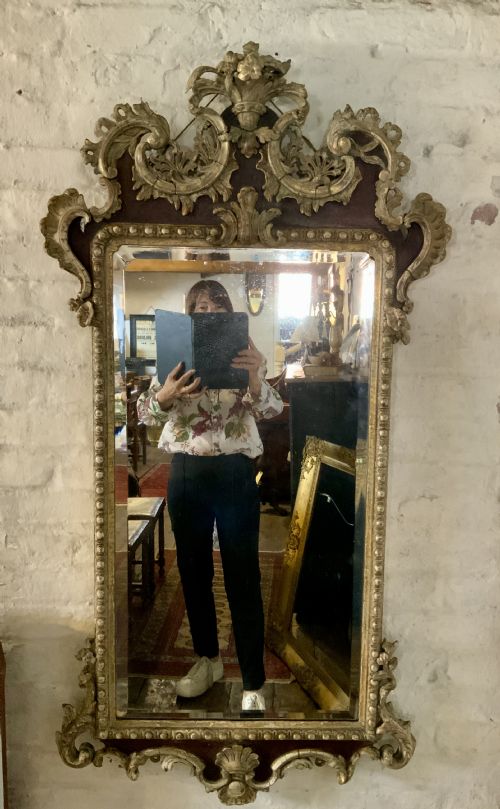
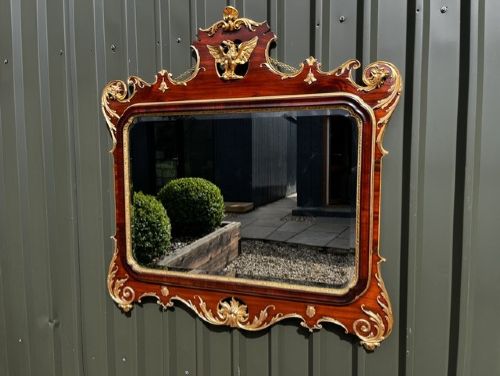
Gilding involved the application of gold leaf or gilt finishes to the gessoed wood, catching ambient light and creating the opulent sheen characteristic of period interiors. Parcel gilding highlighted specific carved details against contrasting dark wood grounds, while other frames remained in natural polished timber.
Sorcerer's mirrors were once believed to ward off evil spirits by gathering negative energy into their curved glass surfaces.
What varies in quality
The sophistication of the timber carving largely dictates the distinction between standard and superior examples, particularly in details like acanthus leaves, columns, or fret-cut silhouettes. Hand-carved elements exhibit depth and precision that distinguish them from simpler moulded decoration.
The integrity of the original gesso and the preservation of the gold leaf layer significantly influence the character of gilded frames. Furthermore, the presence of original mirror glass with natural foxing adds historical authenticity compared to later replacement plates.
The Traditional Wood Framed Mirror Glossary
- Gesso
- A mixture of binder and chalk applied to wooden frames to prepare the surface for gilding or painting. This smooth layer holds crisp carved details before the gold leaf is applied.
- Overmantel mirror
- A large mirror designed specifically to hang on the wall directly above a fireplace mantelpiece. These pieces often feature arched tops to complement architectural chimney breasts.
- Pier mirror
- A tall, narrow mirror designed to hang on the wall space between two windows, known as the pier. They frequently sit above small console tables.
- Cheval mirror
- A freestanding full-length mirror mounted in a frame with pivots that allow the glass to tilt. The name derives from the French word for horse, referring to the four-legged supporting trestle.
- Parcel gilt
- A finishing technique where only specific parts of an object are covered in gold leaf, leaving the underlying wood or paint exposed elsewhere on the frame.
Traditional Wood Framed Mirror: Frequently Asked Questions
Where should I hang an overmantel mirror?
These large mirrors traditionally occupy the wall space directly above a fireplace mantel, anchoring the room's proportions and reflecting light across the interior.
Ensure secure wall fixings support the considerable weight of timber and glass construction, positioning the frame at a height that balances the fireplace opening.
How do I identify a Victorian mirror?
Victorian pieces often display robust proportions, heavy gesso ornamentation, and arched tops designed for nineteenth-century domestic reception rooms.
Examining the construction methods, backing boards, and glass silvering helps confirm the period of manufacture alongside stylistic cues.
What is a convex mirror?
Convex mirrors feature curved glass that provides a wide, distorted panoramic reflection of the entire room. Often called witch's mirrors, they frequently appear within circular gilt frames decorated with small spheres.
Historically, these pieces allowed servants to monitor multiple areas of a room simultaneously from a single vantage point.
Can I clean the original glass?
Original mirror glass requires gentle cleaning with a soft cloth and mild solution to preserve fragile silvering and historical foxing spots. Avoid harsh commercial cleaning agents that might seep behind the plate and damage the backing.