
Vintage Carved Wood Figurine
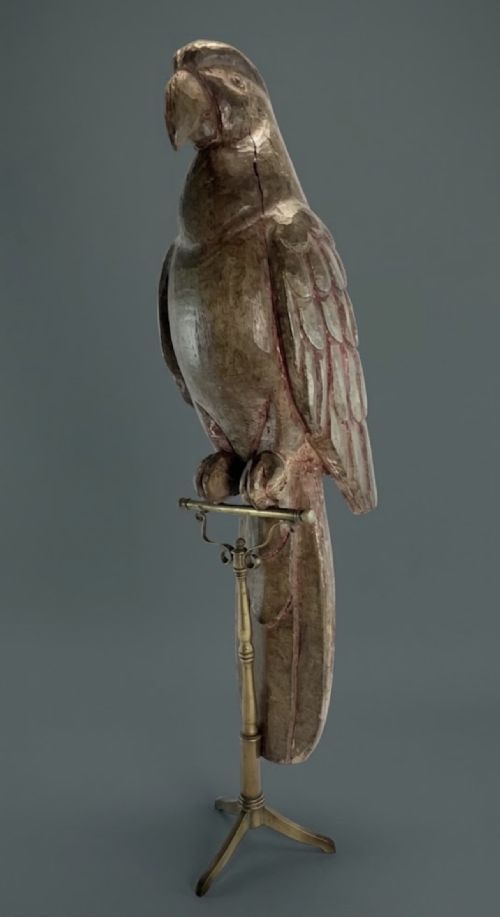
These vintage carved wood figurine selections bring character to a room, ranging from folk art animals to classical figures.
Vintage Carved Wood Figurine
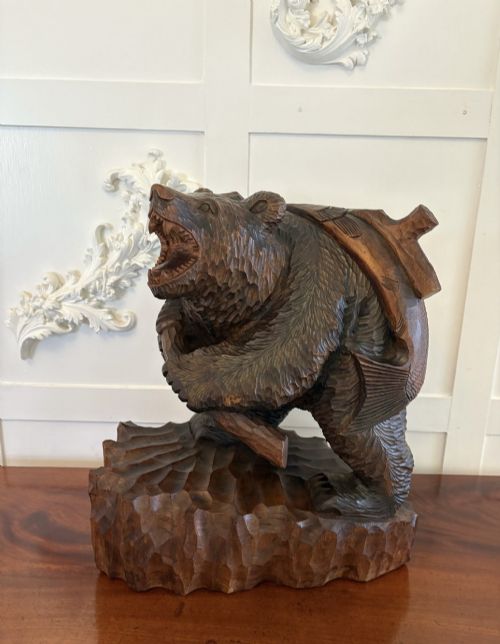
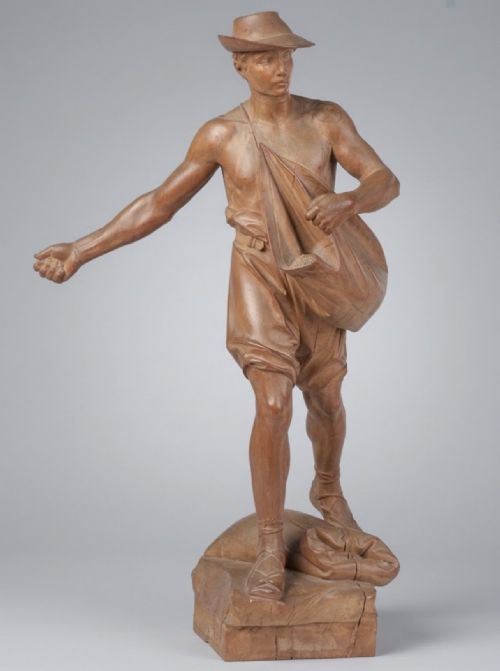
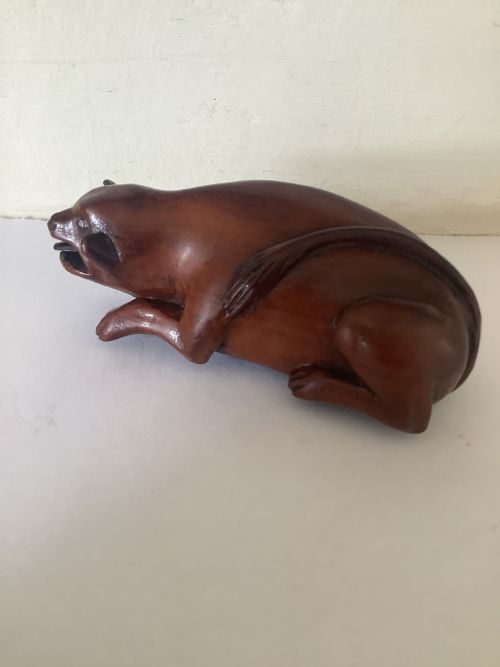
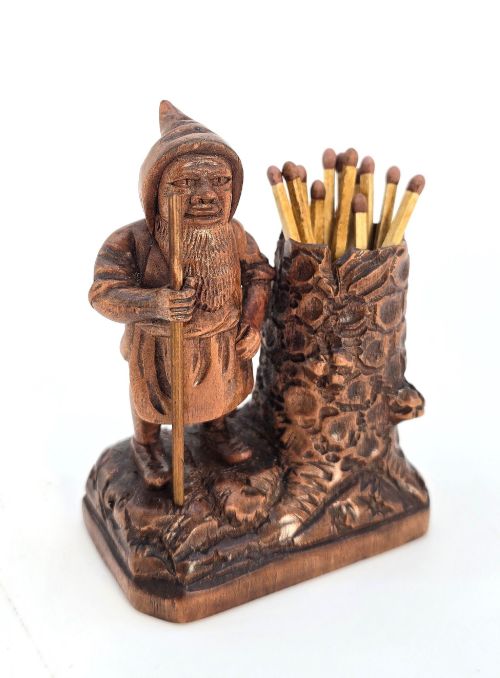
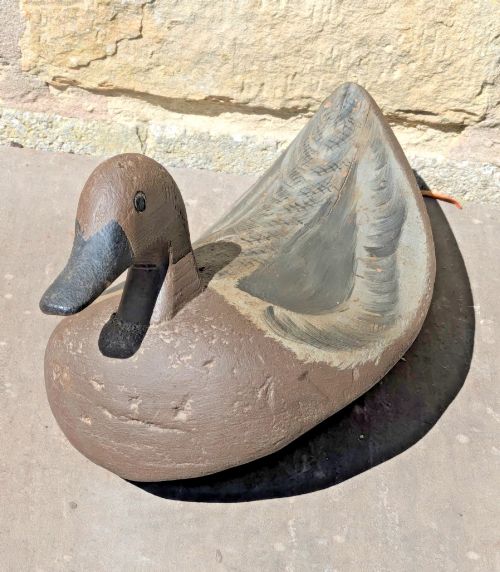
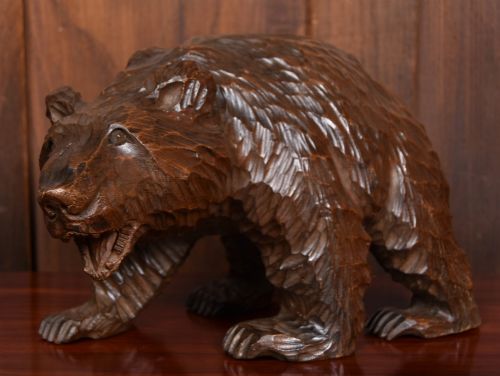
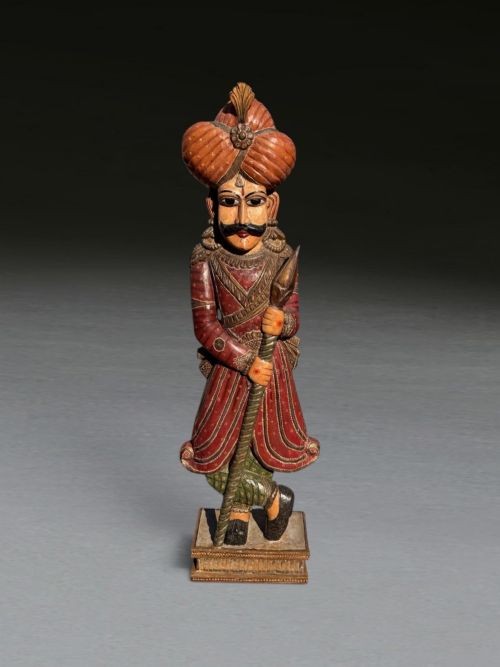
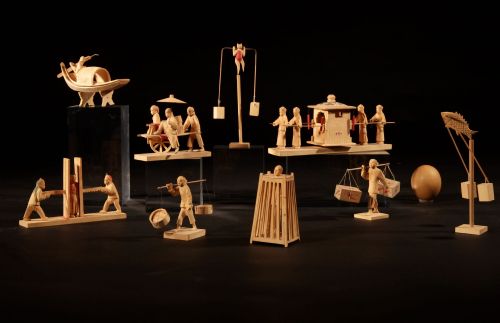
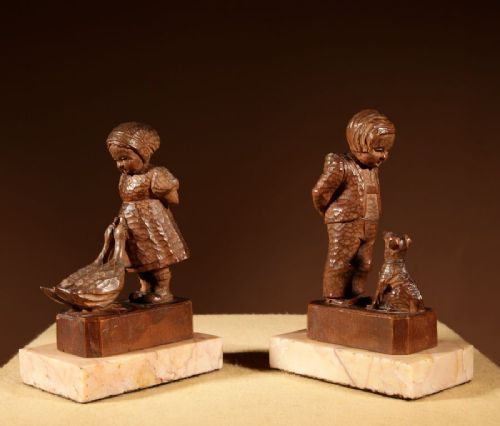
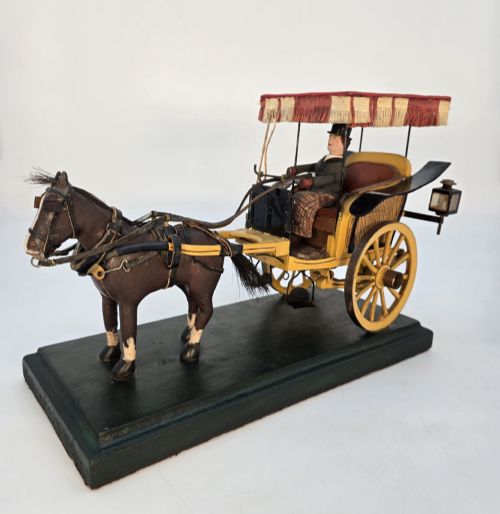
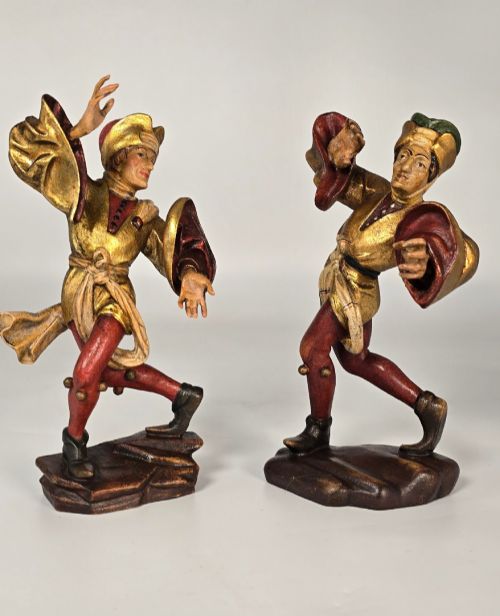
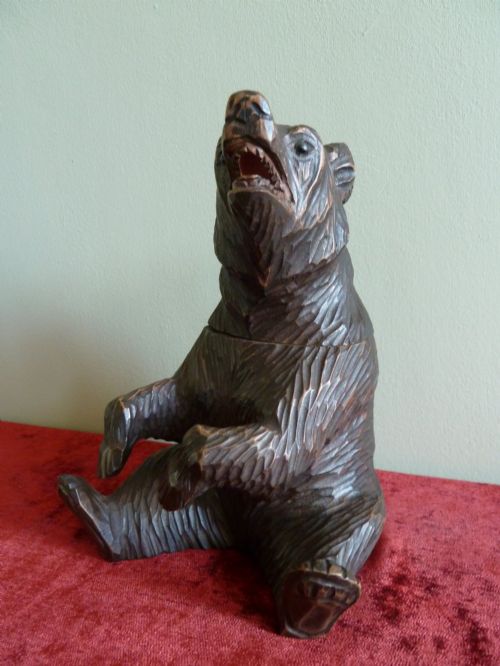
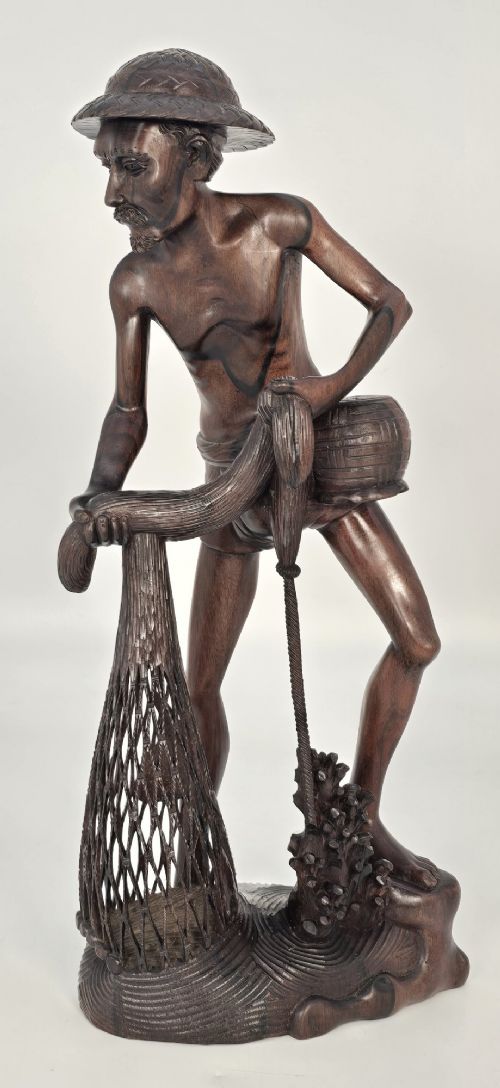
A vintage carved wood figurine encompasses diverse subjects, including animals, human soldiers, dancers, and regional deities originating from varied global traditions. Buyers searching for a vintage carved wood figurine regularly encounter Black Forest bears, Japanese carvings, and European folk art pieces spanning the nineteenth and twentieth centuries.
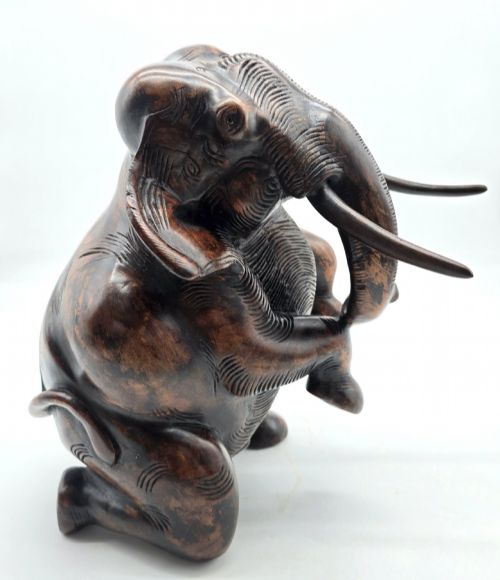
The objects serve multiple purposes beyond simple display, functioning variously as match holders, tobacco jars, bookends, and snuff boxes. Many examples reflect specific cultural practices, such as Balinese deities, Anglo-Indian elephants, and Chinese boxwood figures.
Materials and carving techniques
Carvers utilised local and exotic timbers, selecting hard woods, fruitwoods, limewood, boxwood, teak, and pine depending on regional availability and the desired detail. Selected pieces show applied paint finishes, glass elements, or bone details that enhance the carved surfaces.
Makers employed traditional hand tools to shape the timber, ranging from naive folk methods to precise European studio techniques and specific regional styles like the Japanese Nata-Tsukuri method.
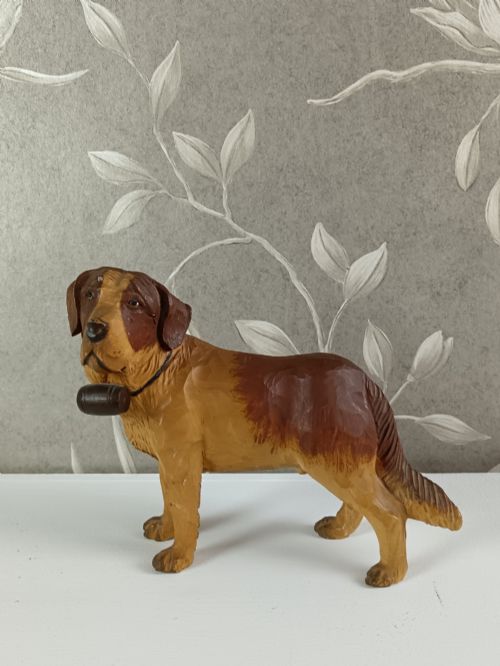
Among the carved company, a patient Saint Bernard rescue dog stands ready with a tiny cask.
Assessing the carving standard
The depth of the carving and the complexity of the composition distinguish workshop pieces from mass-produced items, particularly in the rendering of fur, drapery, and regional costume details.
Hans Muller
The Vintage Carved Wood Figurine Glossary
- Limewood
- A pale timber favoured by European carvers for its fine grain and consistent density, allowing intricate undercut details without splitting. It takes a smooth finish and patinates richly over time.
- Folk art
- Items created by self-taught or traditional artisans for utilitarian or decorative community use, often displaying charming naive proportions rather than academic precision. These pieces rely on regional materials and local aesthetic traditions.
- Black Forest
- A regional style of wood carving originating in Switzerland and Germany, traditionally depicting animals such as bears, owls, and dogs combined with functional elements like umbrella stands or bookends.
- Boxwood
- A dense, pale hardwood with a very tight grain, utilised for small miniature sculptures and detailed netsuke or figures requiring extreme precision.
- Raj period
- The era of British administration in the Indian subcontinent, producing distinctive hardwood carvings of elephants, soldiers, and local figures intended for European export.
Vintage Carved Wood Figurine: Frequently Asked Questions
How do I date a wooden figure?
Examine the tool marks, surface patina, and timber shrinkage to estimate the age of a piece. Wear patterns around handling areas also indicate the passage of time.
Compare the style of clothing or subject matter against known periods such as Art Deco or the nineteenth century for further context.
What is Black Forest carving?
Black Forest carving refers to nineteenth-century wooden sculptures, primarily animals produced in the Alpine regions of Switzerland and Germany. These pieces often incorporate practical functions like match holders or tobacco jars.
Bears and dogs remain the most common subjects encountered within this specific tradition.
How should I clean my wooden sculpture?
Dust the surface gently with a soft, dry brush to remove loose particles without disturbing the aged patina. Avoid using water, detergents, or modern furniture polishes on antique timber.
Apply microcrystalline wax very sparingly only if the wood appears dry, and buff gently with a clean cloth.
Are these figures signed by the maker?
Some pieces bear artist signatures, monograms, or dates carved into the base or integrated into the composition. Signed works often indicate European studio production rather than anonymous folk art.
Many historic carvings remain unsigned because their makers worked within cooperative village workshops.