



Oriental Carved Wooden Animal
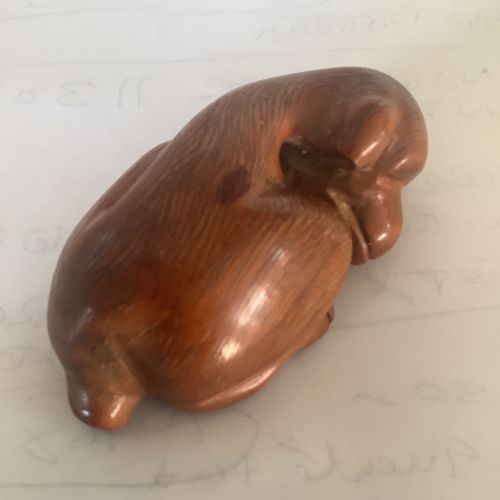
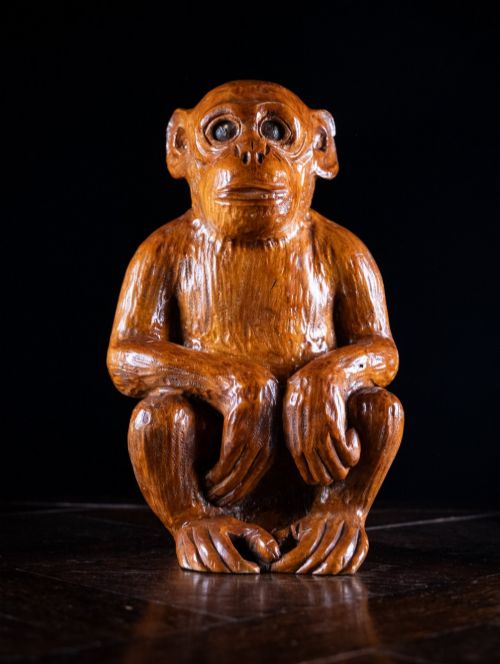
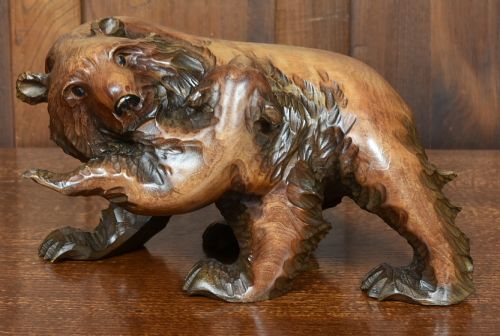
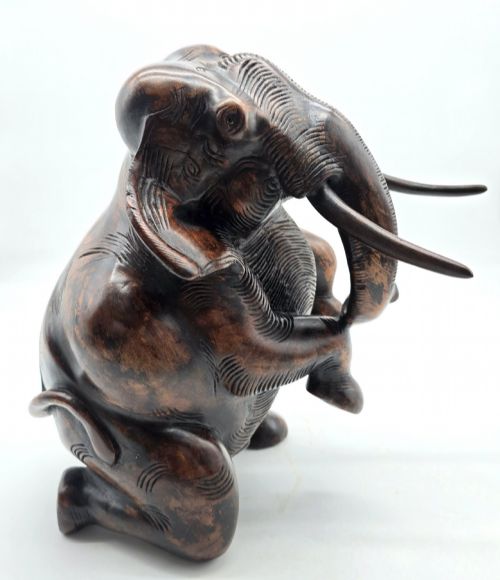
These oriental carved wooden animal figures bring tangible character to a room, ranging from water buffaloes to temple elephants.
Oriental Carved Wooden Animal
An oriental carved wooden animal represents a sculptural tradition spanning diverse Asian aesthetics, capturing creatures from elephants and monkeys to horses and birds. When searching for an oriental carved wooden animal, collectors encounter sculptural forms rendered in dense timber, often bearing the distinct stylistic markers of Chinese, Japanese, or Indian craftsmanship. The pieces available here encompass substantial floor models, ceremonial processions, and smaller tabletop studies.
The inventory leans heavily towards hardwood sculptures originating from the nineteenth and early twentieth centuries. Pieces reflect specific regional motifs, including Qing Dynasty ducks, Raj period elephants, and Japanese Meiji period subjects. Buyers frequently find pairs of animals, such as Mandarin ducks or water buffaloes, designed for balanced display.
Materials and construction methods
Makers utilised dense hardwood, selecting timbers capable of holding intricate detail under deep relief carving. Artisans shaped these resistant materials using traditional hand chisels and gouges, creating textured surfaces that denote fur, hide, or plumage without excess smoothing.
Some works incorporate contrasting elements, integrating bone details or dark stain finishes to heighten visual depth. Sculptures frequently sit upon dedicated wooden stands or integrate architectural bases as part of the primary carving process.
Oriental Carved Wooden Animal Retail Price Guide 2026
Typical asking prices for oriental carved wooden animal among the pieces listed under this phrase on Sellingantiques today, from the lower quarter to the upper quarter. They describe what is for sale here now, not the wider market.
Listings feature hardwood and bone materials across nineteenth and twentieth-century periods, including Qing Dynasty and Raj era pieces.
Distinguishing quality in carved animal sculptures
The measure of a superior carving lies in the anatomical conviction and naturalism of the posture. Master carvers capture tension in the musculature of a horse or the relaxed weight of an elephant, whereas lesser workshops produce stiff, formulaic outlines.
Depth of execution separates standard production from exceptional artistry. High-tier works display undercut elements and varied textural tool marks that reward close inspection, avoiding the uniform machine-like smoothness found in later tourist pieces.
The Oriental Carved Wooden Animal Glossary
- Hardwood
- Timber derived from broad-leaved trees, providing the dense, durable foundation necessary for intricate Oriental carving. It resists splitting and holds fine detail over centuries.
- Okimono
- A Japanese decorative sculpture designed for display on a shelf or in a traditional alcove. These pieces focus on natural subjects rendered with careful observation.
- Qing Dynasty
- The final imperial dynasty of China, spanning from the seventeenth to the early twentieth century. Objects from this period often display formal symbolic motifs and deep reverence for traditional craftsmanship.
- Raj Period
- The era of direct British rule on the Indian subcontinent, influencing the production of decorative arts intended for export and official use. Carvings from this time frequently depict processional elephants and ceremonial figures.
- Sancai Glaze
- A three-colour ceramic glazing technique originating in China, notable for amber, green, and cream tones. While distinct from wood, glazed elements occasionally appear alongside related sculptural works.
Oriental Carved Wooden Animal: Frequently Asked Questions
How do I date these carvings?
Dating relies on timber patination, tool mark evidence, and stylistic conventions associated with periods like the Raj era or Qing Dynasty. Late nineteenth-century pieces show distinct hand-chiselled surfaces.
Wear patterns on the base and natural darkening of the hardwood offer additional clues to age.
Where were these pieces displayed?
Original placements ranged from scholar's desks in China to drawing rooms in Britain during the colonial period. Many larger sculptures functioned as focal points on sideboards or mantelpieces.
Tabletop studies and okimono occupied smaller display spaces within traditional interiors.
Are these pieces usually signed?
Signatures or maker marks occur less frequently on utilitarian or export-oriented hardwood animal carvings than on fine ceramics or metalwork. When present, marks usually appear discreetly on the underside or integral base.
Stylistic attribution relies primarily on carving technique, regional wood choice, and period iconography.
How should I care for wooden sculptures?
Maintain stable indoor humidity levels to prevent the hardwood from drying out and splitting over time. Avoid placing carvings in direct sunlight or near heat sources.
Dust gently with a dry, soft cloth rather than applying liquid polishes or modern cleaning agents.