


Antique Indian Animal Carving
These antique Indian animal carving pieces bring character to a room, ranging from small desk ornaments to larger furniture.
Antique Indian Animal Carving
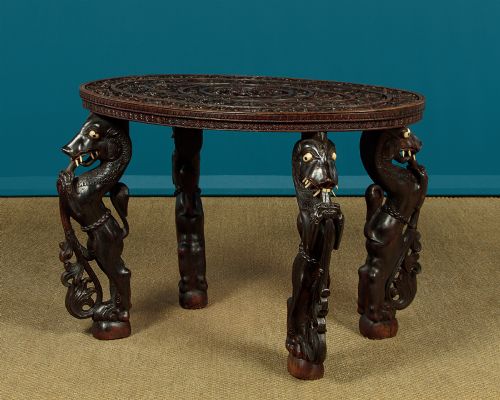
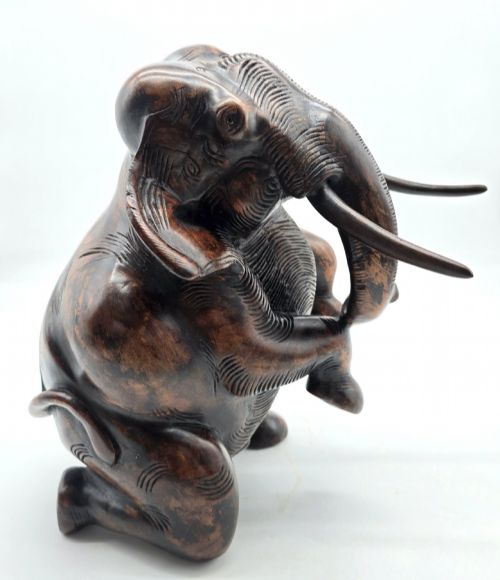
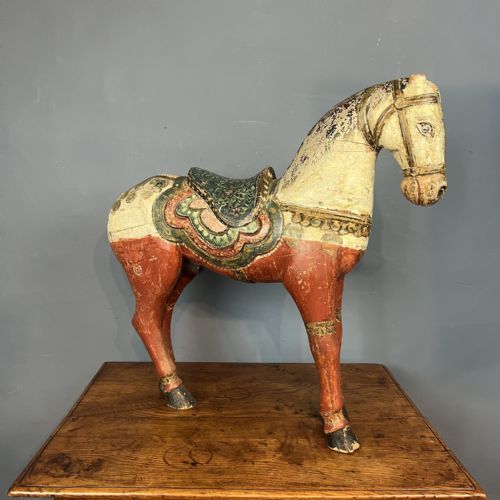
An antique indian animal carving represents subjects like elephants, horses, and bulls created across various periods including the nineteenth century and the Victorian era. Buyers searching this phrase typically encounter sculptural studies, bookends, and occasional furniture items such as coffee tables and benches.
The objects derive from distinct regional traditions, encompassing Anglo-Indian, Colonial Raj, and Indian folk art styles. Many pieces focus on domestic or ceremonial animals rendered in realistic or decorative postures.
How they were made
Carvers utilised dense timbers such as teak, ebony, and hardwood to achieve detailed animal forms. Certain items incorporate bone inlay, paint, or brass elements to accentuate the sculptural details.
Makers shaped these materials by hand, producing both free-standing figures and integrated elements on furniture like chairs and tables.
One listed piece depicts a star tortoise functioning as a trinket box, combining reptile anatomy with storage.
What varies in quality
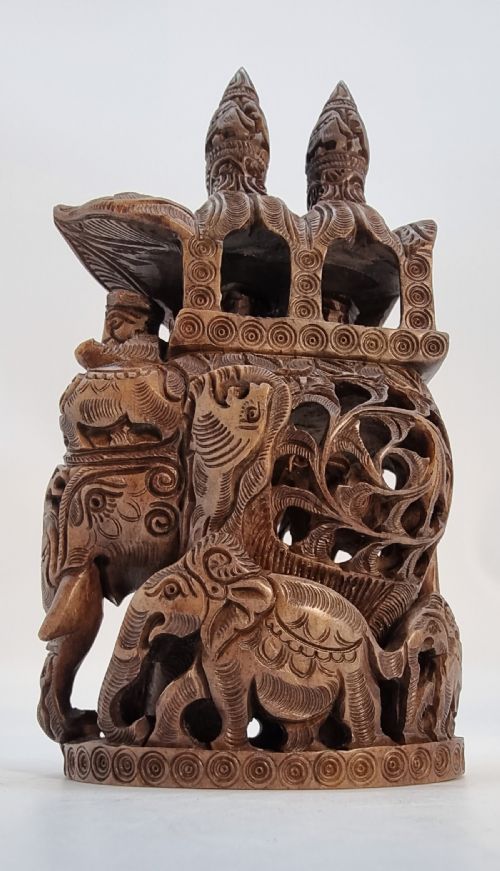
The standard of carving determines the visual success of each piece, distinguishing lively, naturalistic anatomical forms from stiffer renditions. Mastery of proportion in complex subjects, such as ceremonial processions with keepers, indicates superior execution.
The choice of material influences the character of the object, with tightly grained hardwoods and crisp bone inlay offering greater longevity and visual depth than simpler painted surfaces.
The Antique Indian Animal Carving Glossary
- Anglo-Indian
- A descriptive term for items produced during the British period in India, often combining local craftsmanship with British taste. These pieces frequently merge indigenous motifs with Western furniture forms.
- Raj period
- Refers to the era of British direct rule on the Indian subcontinent, spanning from the mid-nineteenth century to the mid-twentieth century. Items from this time often reflect colonial interest in native fauna and craftsmanship.
- Hardwood
- Dense timber derived from broad-leaved trees, commonly utilised for durable furniture and intricate carving. Woods such as ebony and teak fall into this category.
- Coromandel
- A heavy, dark wood prized for fine cabinet-making and carving. It provides a rich, polished surface for decorative objects.
Antique Indian Animal Carving: Frequently Asked Questions
How do I date an antique Indian animal carving?
Dating relies on stylistic markers, wood types, and construction methods associated with periods like the Raj era or the nineteenth century. Examining tool marks and wear patterns also helps determine the approximate age.
Documentation or provenance can provide further confirmation, though many pieces are judged primarily on their material characteristics and regional style.
Where were these carvings originally placed?
Many smaller animal studies served as desk ornaments, bookends, or cabinet display pieces in British and Indian colonial homes. Larger figures and carved furniture functioned as statement pieces in halls and living spaces.
Functional items like tables and card cases combined utility with decorative animal motifs suited for daily use.
How should I care for wooden animal carvings?
Keep wooden pieces away from direct sunlight and extreme humidity fluctuations to prevent splitting or warping. Dust gently with a dry, soft cloth rather than using liquid polishes.
Maintaining a stable indoor climate preserves the natural finish of hardwoods like ebony and teak over time.
What is the difference between folk art and colonial pieces?
Folk art carvings generally display regional, traditional aesthetics created for local use, often featuring simpler painted finishes. Colonial and Anglo-Indian works typically cater to British tastes and export markets, utilising dense hardwoods and complex realism.
Both categories share traditional hand-carving techniques while reflecting different cultural audiences.