
Antique Oriental Wood Statue
These carved figures shape interior spaces with character, bringing depth and historical presence to a room.
Antique Oriental Wood Statue
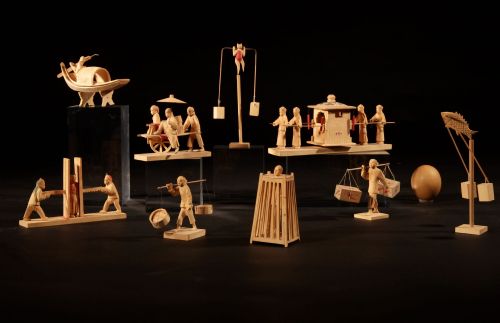
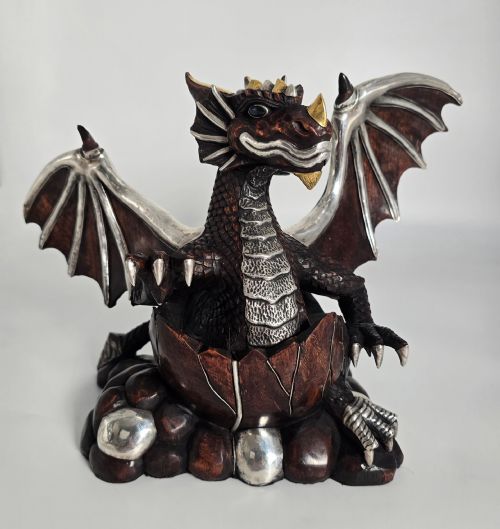
When searching for an antique oriental wood statue, collectors encounter carved sculptures and figures spanning multiple centuries and regions. The pieces available include figures of deities, scholars, animals, and mythological creatures carved from various timbers.
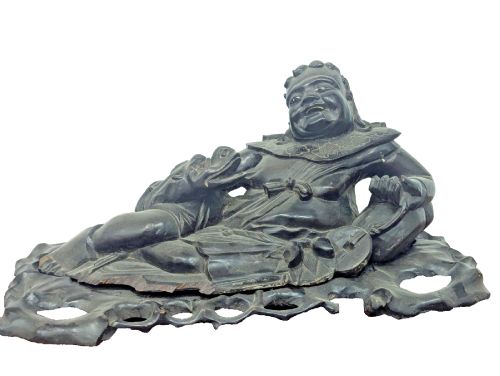
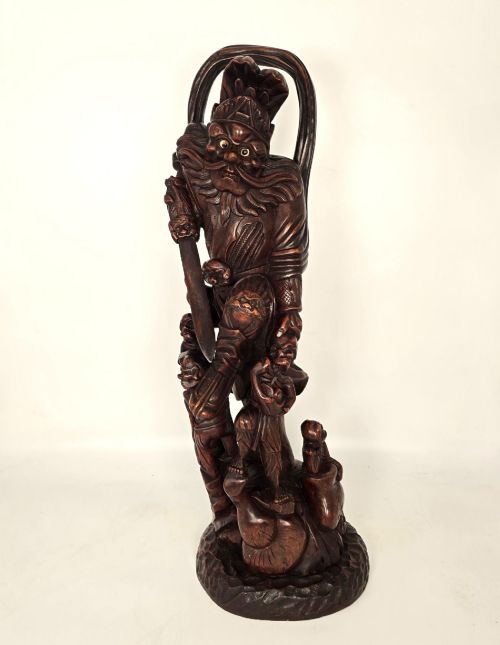
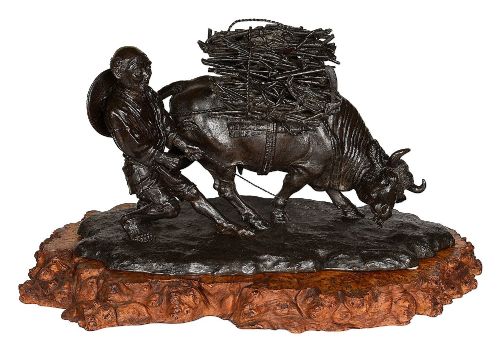
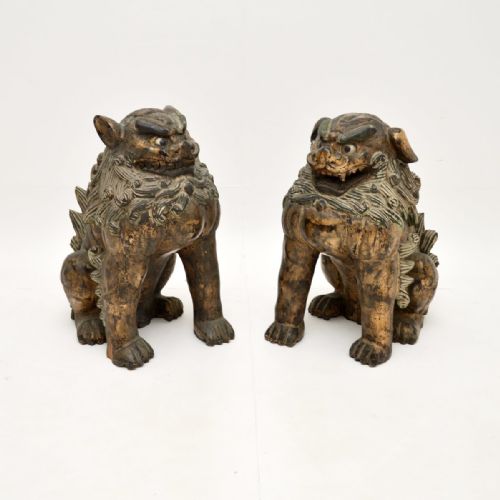
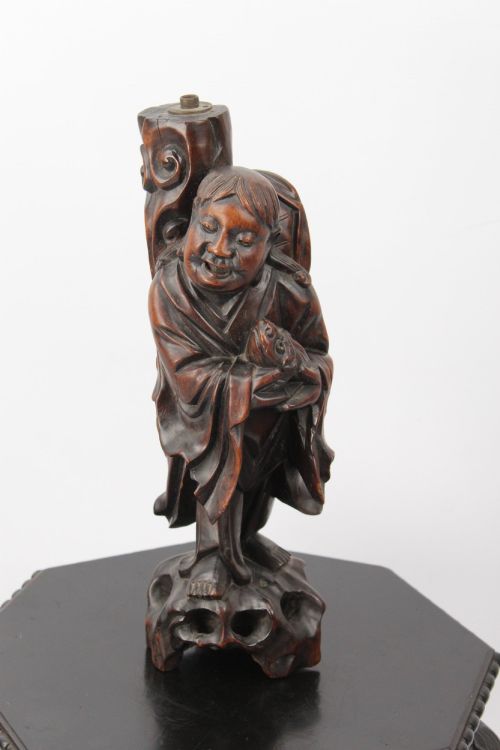
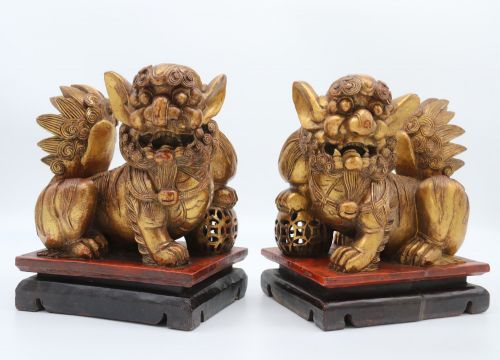
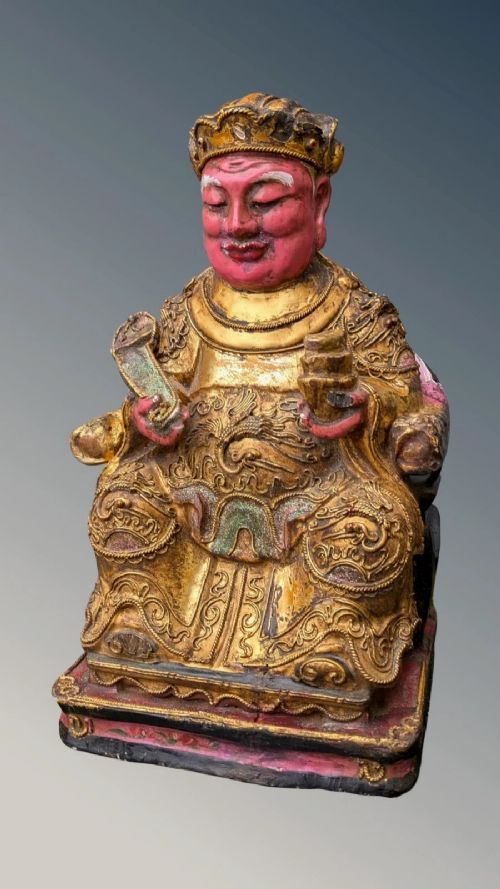
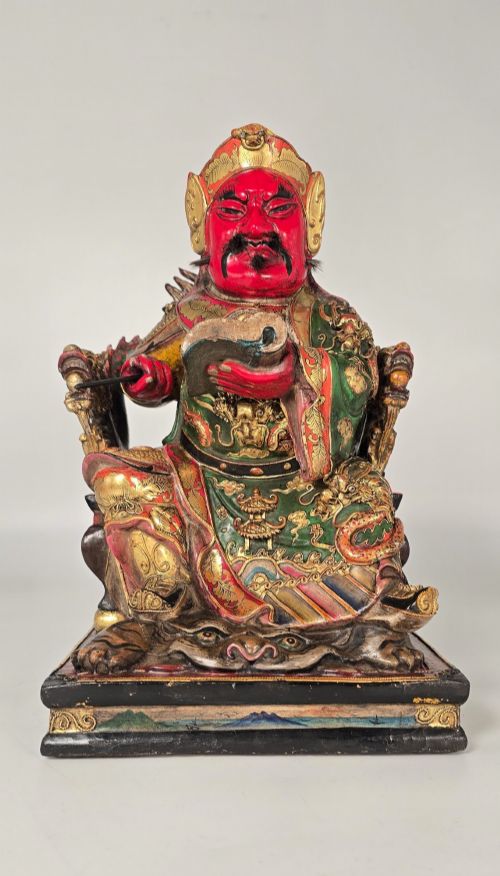
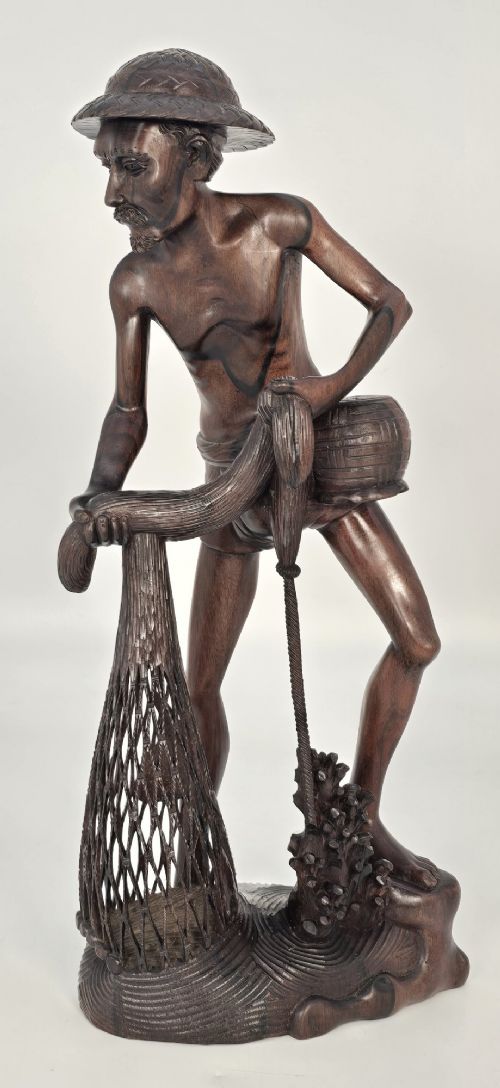
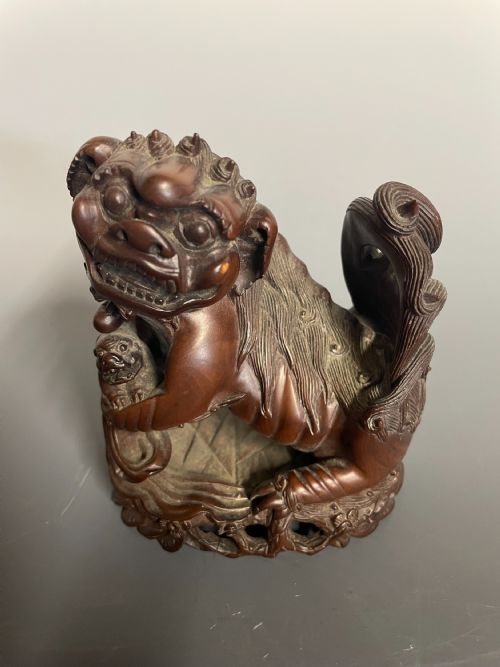
Chinese and Japanese works dominate the selection, ranging from nineteenth-century temple guardians to Meiji period okimono and devotional deities. Examples frequently depict traditional subjects such as Buddha, Foo dogs, scholars, and fishermen.
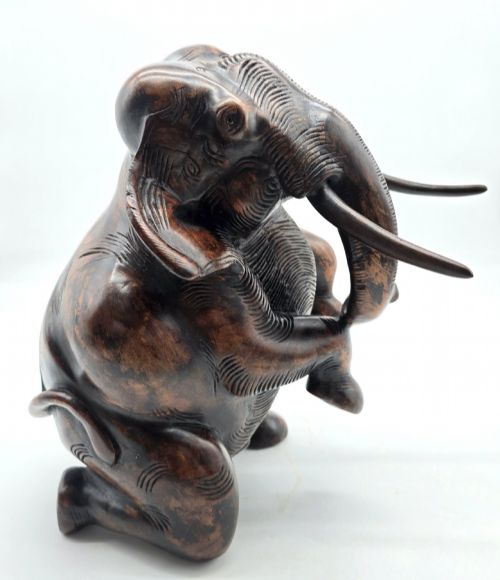
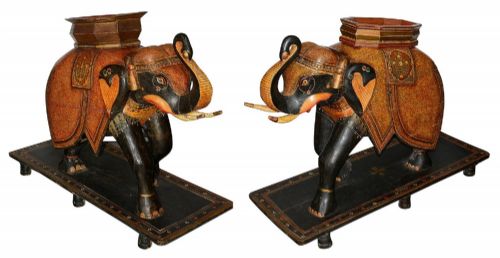
The assortment also encompasses Raj period Indian elephants, Burmese gilt wood Buddhas, and Indonesian dancers. These sculptures take the form of standalone figures, pairs on stands, and larger architectural temple carvings.
Materials and construction methods
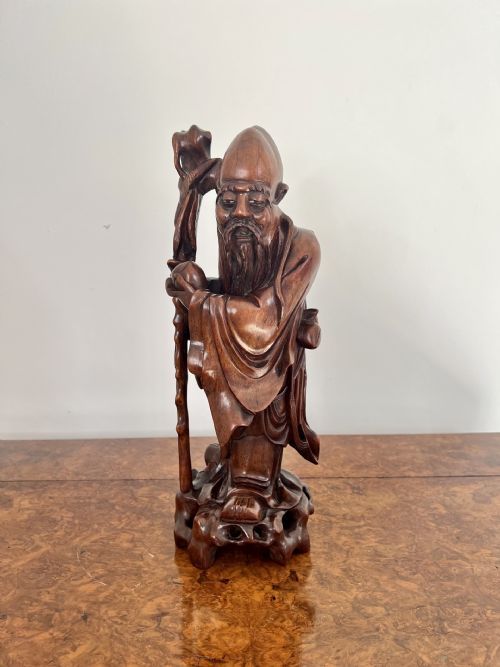
Carvers utilised native hardwoods, boxwood, and burr root wood to create these sculptures, often selecting dense timbers that permitted intricate detail. Root wood pieces exploited the natural contours of the material to form the bodies of scholars and mythical beasts.
Surface decoration frequently involved layers of lacquer, gold leaf, gesso, and polychrome hand-painted pigments. Gilding and polychrome finishes highlighted the robes and facial expressions of Buddhist figures and temple guardians.
Several sculptures depict scholars deep in thought while accompanied by mythical beasts.
Assessing craftsmanship and execution
The preservation of original surface finishes, including polychrome paint, lacquer, and gold leaf, distinguishes finer works. The integration of natural grain in root wood sculptures also influences the visual impact of the piece.
The Antique Oriental Wood Statue Glossary
- Okimono
- A Japanese ornamental carving intended for display on a shelf or in a tokonoma alcove. These figures typically represent deities, animals, or figures from daily life.
- Foo Dog
- A traditional guardian lion depicted in pairs to protect sacred spaces and domestic entrances. They frequently feature curling mannes and playful paws resting on brocade balls.
- Polychrome
- Decoration utilising multiple colours applied to the surface of wood. Artisans employed this technique to bring realism and vibrancy to robes and flesh tones.
- Gesso
- A plaster mixture applied to wood surfaces as a preparation for paint or gold leaf. It provided a smooth base for rich surface ornamentation.
- Root wood
- Timber sourced from the root system of a tree, prized for gnarled and twisted shapes. Carvers transformed these organic forms into imaginative figures and scholars.
Antique Oriental Wood Statue: Frequently Asked Questions
How are antique oriental wood statues displayed?
These sculptures sit comfortably upon mantelpieces, sideboards, and dedicated stands within domestic interiors. Their presence anchors a room, drawing the eye toward intricate grain patterns and carved details.
Larger temple figures and pairs of guardian animals command floor space or dedicated pedestals. Positioning them away from direct heat sources protects the timber and preserves delicate lacquer surfaces.
What subjects do these wood sculptures represent?
The subjects span religious icons, mythological beasts, and figures from folklore and daily life. Buddhist deities, Daoist immortals, and temple guardians feature prominently among the devotional pieces.
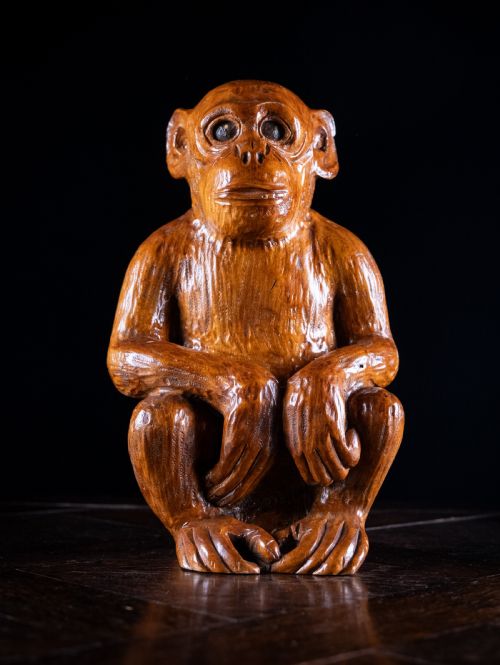
Secular figures include scholars, fishermen, and dancers captured in characteristic poses. Animal carvings frequently depict elephants, water buffaloes, monkeys, and Foo dogs.
How do I care for carved wooden figures?
Maintenance requires stable indoor humidity levels and protection from direct sunlight to prevent timber splitting. Gentle dusting with a soft, dry cloth maintains the surface without harming aged finishes.
Avoid liquid cleaners, polishes, and moisture, which can degrade historic lacquer, gesso, and gold leaf. Handling should be minimal and focused on stable structural points rather than delicate projections.
How can I tell the period of a statue?
Dating relies upon stylistic markers, tool marks, and the condition of surface materials such as lacquer and polychrome paint. Nineteenth-century pieces often display distinct regional carving traits linked to the Qing Dynasty or Meiji period.
Examination of the timber's patina and shrinkage cracks offers additional clues regarding age. Comparing the garment styles and iconography with dated examples helps confirm the era of origin.