
Vintage Carved Oak Buffet
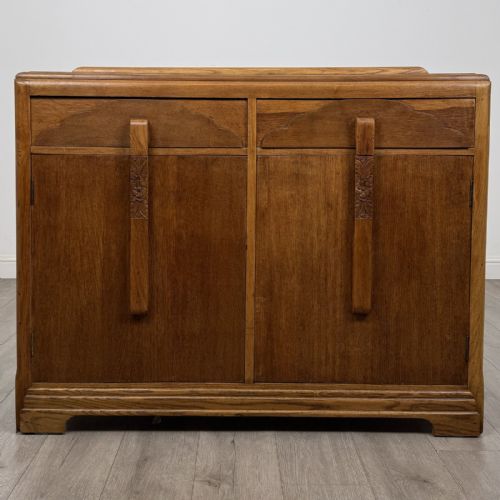
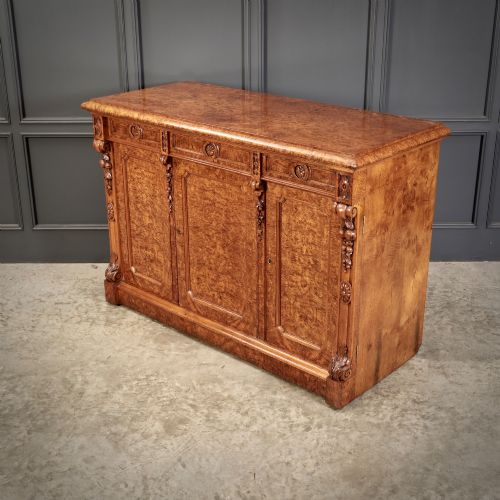
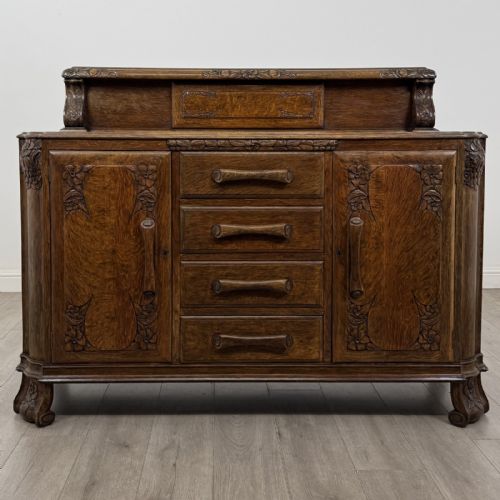
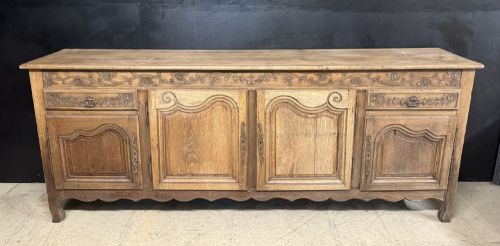
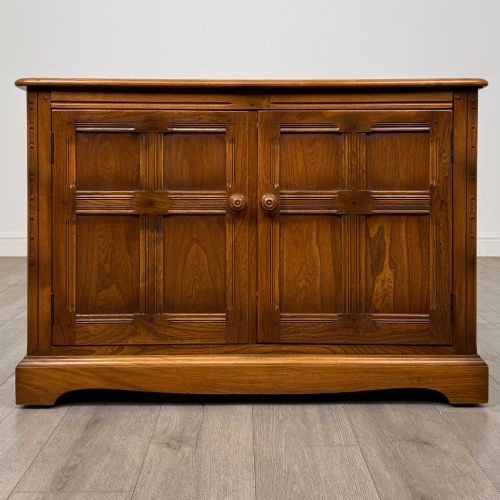
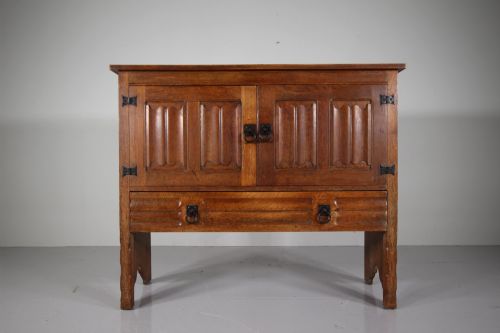
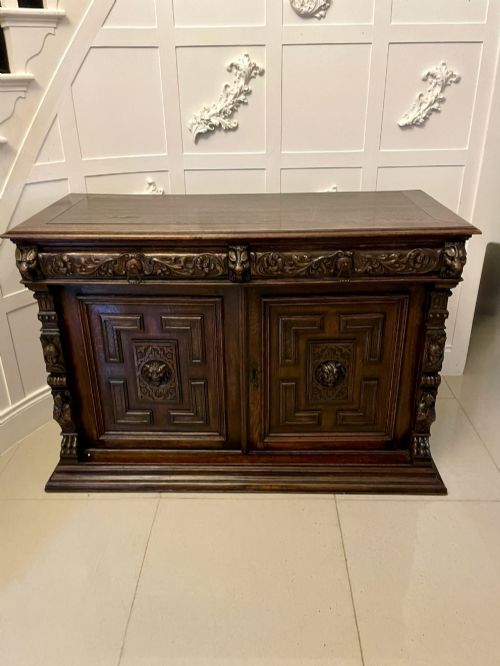
A vintage carved oak buffet is a substantial storage piece built for dining rooms, combining heavy timber construction with decorative relief carving.
Vintage Carved Oak Buffet
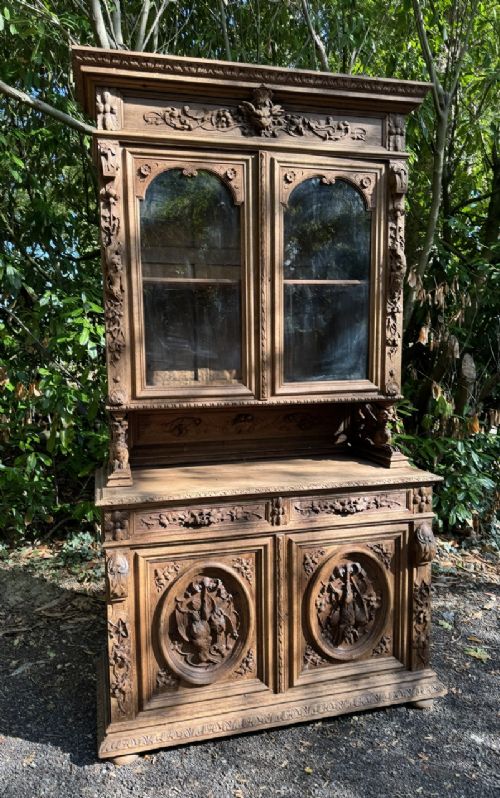
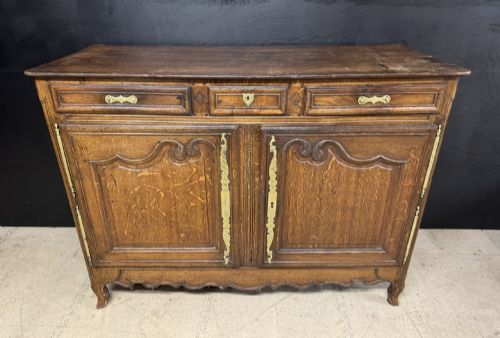
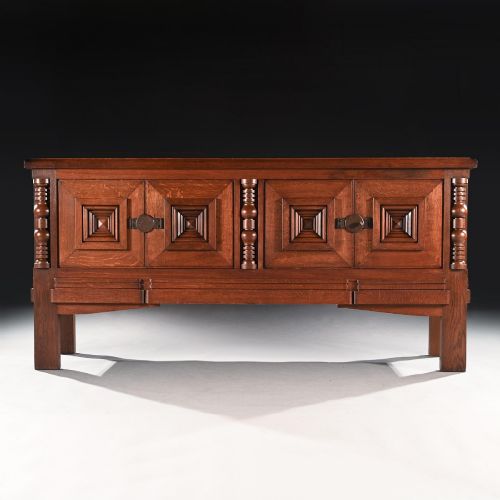
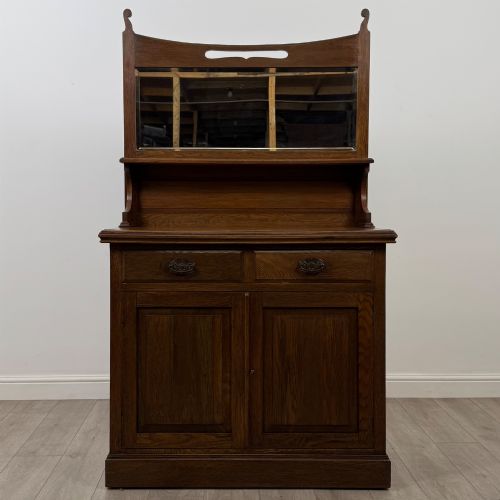
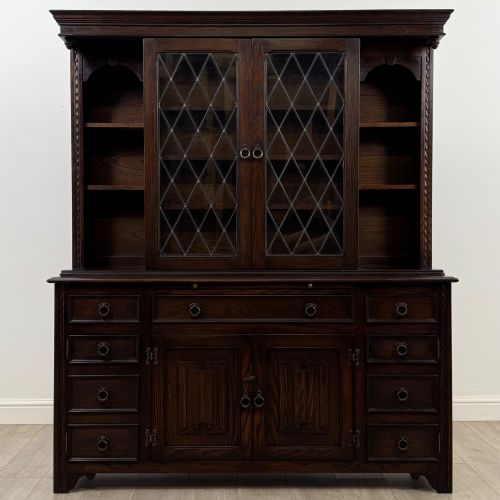
A vintage carved oak buffet brings substantial dining room storage and historical character into a modern interior. When searching for a vintage carved oak buffet, buyers encounter diverse forms ranging from 19th Century sideboard bases to Edwardian cupboards and Jacobean Revival dressers.
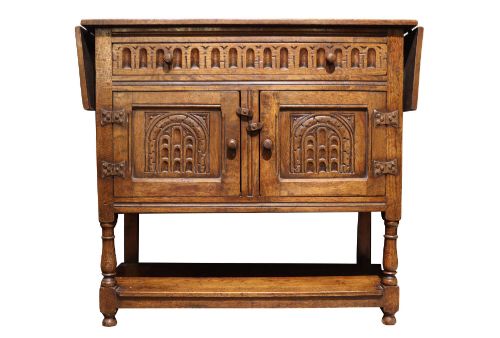
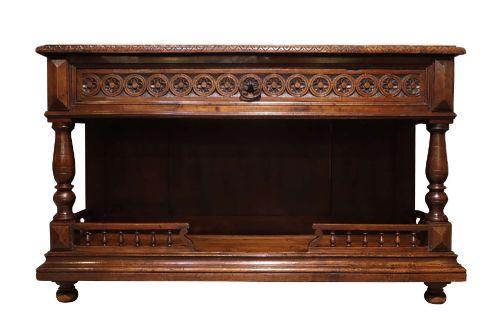
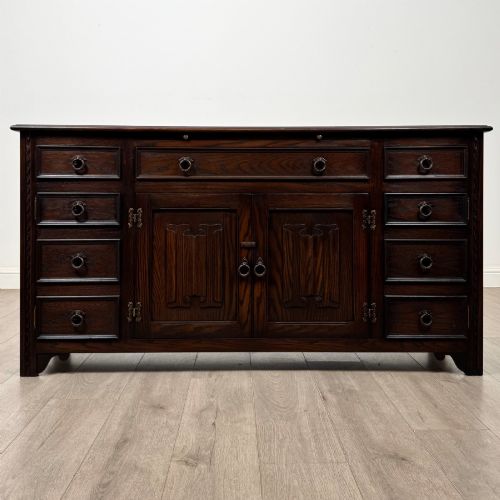
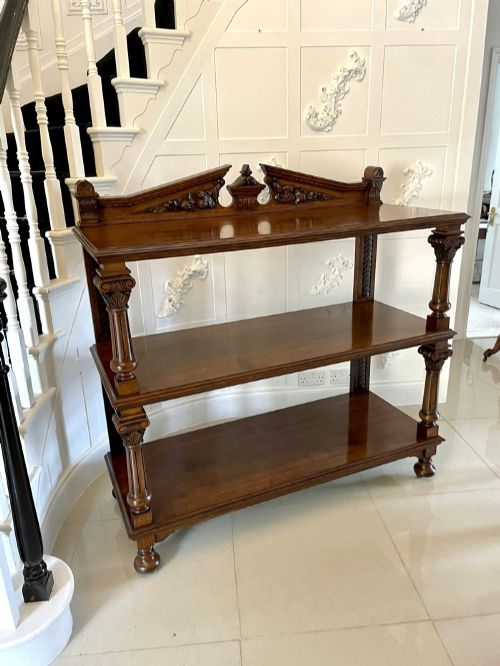
The pieces listed on this page span several decades, with Edwardian and Victorian examples appearing frequently alongside 19th Century and early 20th Century variants. Forms include court cupboards, dresser bases, dumbwaiters and pedestal sideboards utilised for dining and living spaces.
Stylistic influences vary significantly across the selection, incorporating Gothic Revival, Arts and Crafts, French Provincial, and English Country traditions. Oak remains the central material, frequently paired with brass hardware, glass panels, and mirror inserts.
What varies in quality
Quality in these pieces depends upon the crispness of the hand carving and the selection of timber figure, such as tiger oak or burr walnut accents. Heavier mouldings and well-proportioned architectural details elevate an example above standard production models.
The integrity of the original hardware, including brass drop handles and working locks with matching keys, contributes to overall authenticity. Superior construction is evident in solid oak drawer linings and stable, substantial frames that endure decades of domestic use.
The selection includes regional variations such as French Provincial, Dutch, and English Country furniture styles.
Charles Dudouyt
The Vintage Carved Oak Buffet Glossary
- Court cupboard
- A short, enclosed cupboard traditionally used for storing food and utensils in great houses. These pieces often feature recessed upper sections supported by carved posts.
- Barley-twist
- A decorative turning technique resembling a spiral rope, frequently utilised on the vertical leg supports of Edwardian and Carolean Revival furniture.
- Dresser base
- A long, low cabinet featuring drawers and cupboards beneath a flat top surface, originating as a functional kitchen workspace before moving into dining rooms.
- Tiger oak
- Quarter-sawn oak timber displaying prominent medullary rays that produce a distinctive striped pattern resembling tiger markings.
- Green Man
- A sculptural architectural motif depicting a human face disgorged from foliage, commonly found on Gothic Revival and Flemish carved panels.
Vintage Carved Oak Buffet: Frequently Asked Questions
What rooms suit a vintage carved oak buffet?
These substantial items anchor large dining rooms or spacious hallways, providing generous surface area and enclosed storage for tableware. Their deep timber tones integrate well with traditional interior schemes and warm neutral palettes.
Placing one in a living space offers a display surface for lamps and ceramics while concealing household items behind heavy panelled doors.
How do I care for antique oak furniture?
Maintain the timber by applying a quality beeswax periodically to nourish the grain and protect the carved surfaces from drying out. Avoid positioning the piece near direct heat sources or strong sunlight to prevent timber splitting.
Dust regularly with a soft, dry cloth and lift items rather than sliding them across the top surface to preserve the finish.
How can I tell Jacobean Revival from Arts and Crafts?
Jacobean Revival pieces display heavy geometric mouldings, strapwork carving, and turned barley-twist supports reminiscent of seventeenth-century English joinery. They emphasise dark finishes and elaborate decorative relief.
Arts and Crafts examples favour simpler, honest construction with exposed pegged joints, hammered copper or brass hardware, and minimal ornamentation that highlights the natural grain of the oak.
Were these buffets used as sideboards?
Dining room layouts changed during the Victorian and Edwardian periods, leading makers to build multi-functional cabinets that served as both buffets and sideboards. They held serving dishes during meals and stored linens within internal shelves and drawers.
Lower dresser bases performed similar duties in country kitchens and sculleries before transitioning into formal dining furniture.