


Vintage Carved Lion Mask
These vintage carved lion mask pieces bring bold, sculptural timber and bronze work straight into a room with striking historical presence.
Vintage Carved Lion Mask
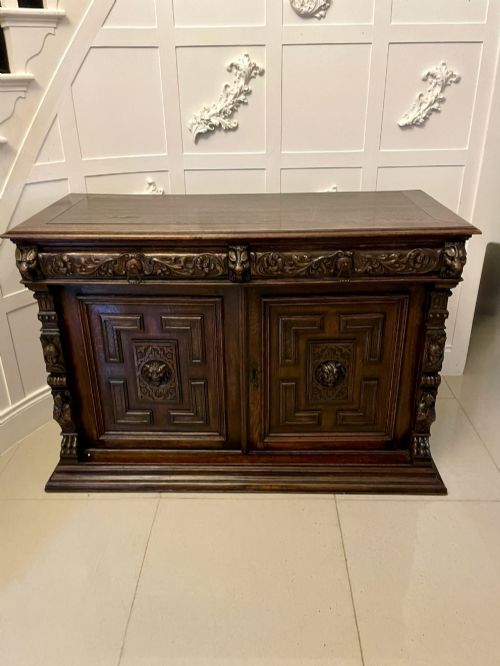
When you search for a vintage carved lion mask, you encounter robust architectural salvage, wall carvings, and furnishings adorned with fierce feline visages. These items emerge from periods spanning the seventeenth century through the Edwardian era, carrying centuries of decorative tradition.
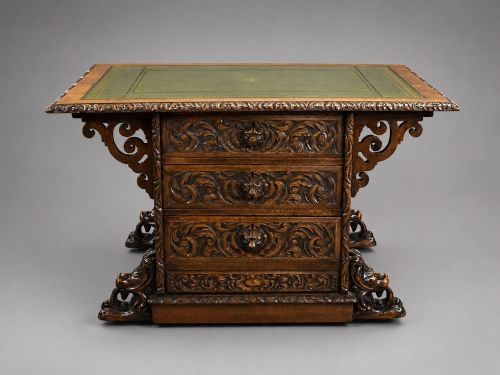
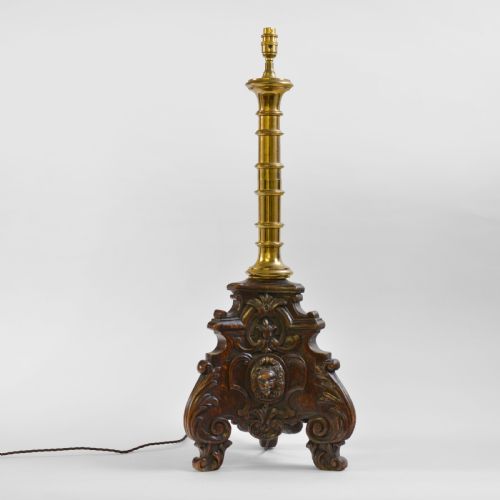
The selections available here lean heavily into nineteenth-century oak and walnut furniture, alongside distinct architectural wall ornaments and decorative lamps. Sideboards, footstools, and architectural fragments dominate the offerings, each integrating the iconic carved lion motif into functional or decorative objects.
Makers across different decades utilised the motif to project strength and classical authority in domestic interiors. Whether rendered as a prominent wall mask or detailed on a piece of furniture, the imagery remains distinct and commanding.
How they were made
Artisans carved these pieces primarily from dense hardwoods like oak, walnut, and mahogany, selecting timber with strong grain patterns to support deep relief work. Some decorative elements also incorporate brass and marble, matching the sculptural demands of the period.
Manual chiselling and gouging created the intricate mane textures, prominent brows, and open mouths characteristic of the masks. Joinery techniques varied by object type, uniting solid timber panels with traditional framing methods appropriate to sideboards, tables, and wall carvings.
Among the fierce lions glowers a solitary walnut Tiger head from the Black Forest.
What varies in quality
Depth of relief and anatomical conviction separate superior carvings from simpler production work. The most successful examples display confident handling of the facial structure, where the fur, eyes, and expression possess genuine sculptural weight rather than generic patterning.
The choice and preservation of timber also dictate the overall standard of the piece. Well-figured oak and walnut retain crispness in the carved details, whereas softer execution or heavy wear can blunt the impact of the design.
The Vintage Carved Lion Mask Glossary
- Architectural salvage
- Building elements and decorative fixtures rescued from older structures for reuse or display. These items often include structural carvings and panels.
- Relief carving
- Sculpture in which figures project from a background surface. In these pieces, the lion mask is typically carved in high relief from the surrounding timber.
- Black Forest
- A nineteenth-century regional style known for highly naturalistic animal carvings, particularly bears and big cats in walnut and other local woods.
- Partners desk
- A large double-sided writing table designed for two people to work opposite one another, frequently embellished with carved wooden details.
Vintage Carved Lion Mask: Frequently Asked Questions
What periods do these carved lion mask pieces come from?
The listings span several centuries, starting from seventeenth-century works up through eighteenth-century Georgian items, nineteenth-century Victorian and Regency examples, and Edwardian pieces.
This broad chronological range means you find everything from early architectural fragments to later Victorian furniture integrating the same classical motif.
Where were lion masks typically used on furniture?
Makers placed these powerful motifs on the corners of sideboards, the legs of writing tables, and the terminals of architectural bed posts and wall carvings.
They served both a structural function as mounts or supports and a decorative purpose to project status and strength within the interior space.
What woods are most common for these carvings?
Oak and walnut appear most frequently in the listings, chosen for their stability and capacity to hold crisp, deep hand-carved details.
Mahogany is also utilised in fine Regency sideboards and tables, offering a smooth dark surface that contrasts with heavily carved elements.
How do I distinguish between a wall mask and furniture salvage?
Wall carvings are manufactured specifically as standalone decorative plaques intended for hanging, often featuring a mounting point on the reverse.
Architectural salvage and furniture fragments originate as integrated components of larger pieces like sideboards or architectural woodwork before being separated.