

Vintage Carved Dresser
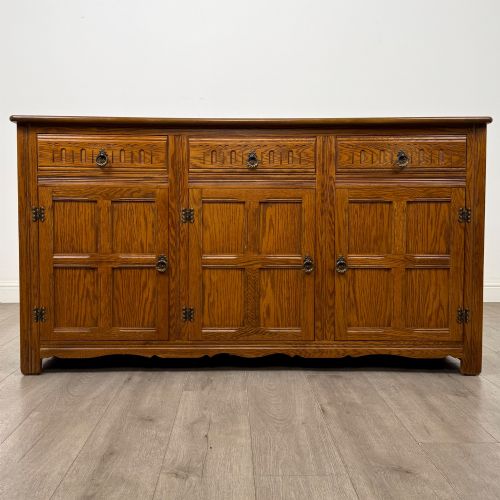
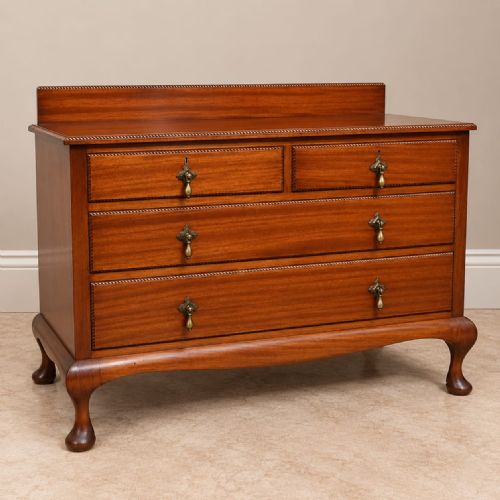
A vintage carved dresser brings centuries of cabinetmaking skill into a room, offering both generous storage and striking decorative relief.
Vintage Carved Dresser
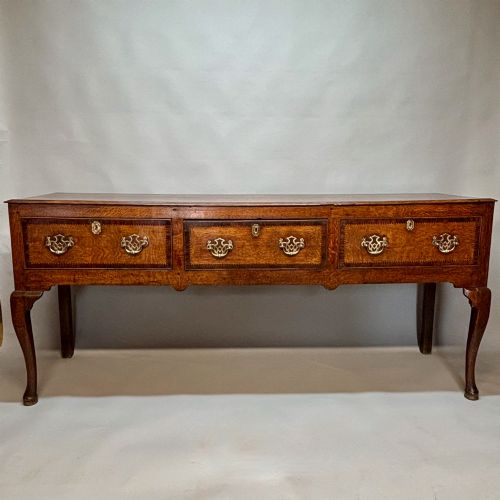
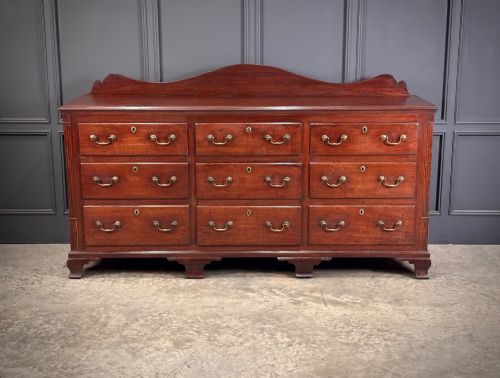
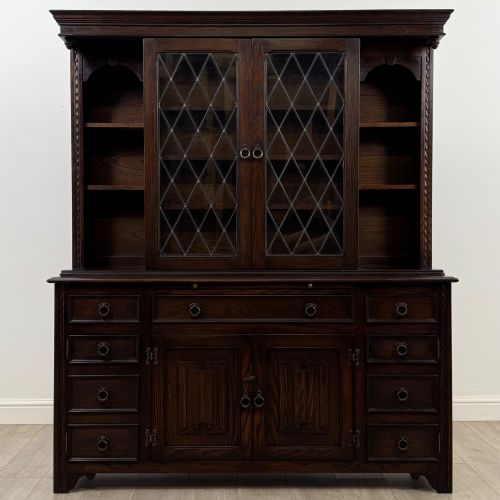
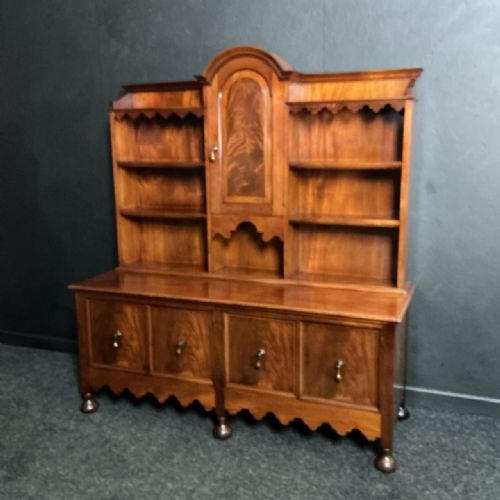
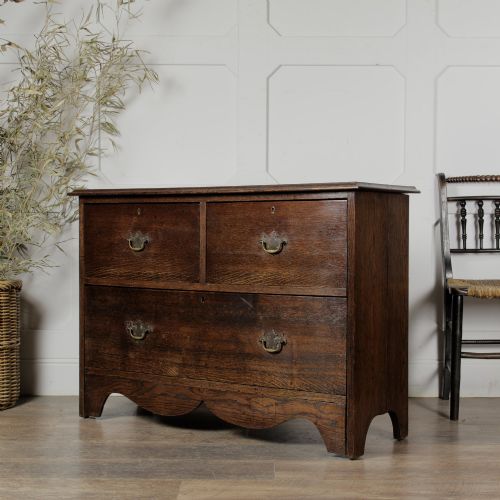
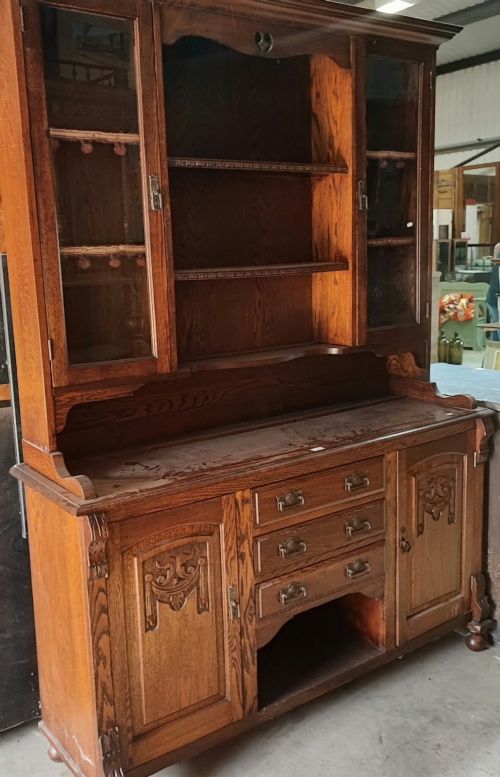
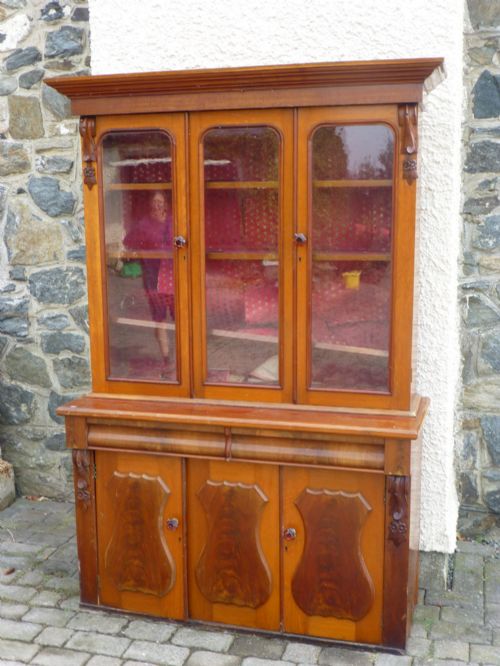
When you search for a vintage carved dresser, you encounter heavy timber furniture designed for storage and display, spanning centuries from the seventeenth century through to the Edwardian era. These pieces frequently take the form of Welsh dressers with upper shelving, dresser bases, court cupboards, and related sideboards.
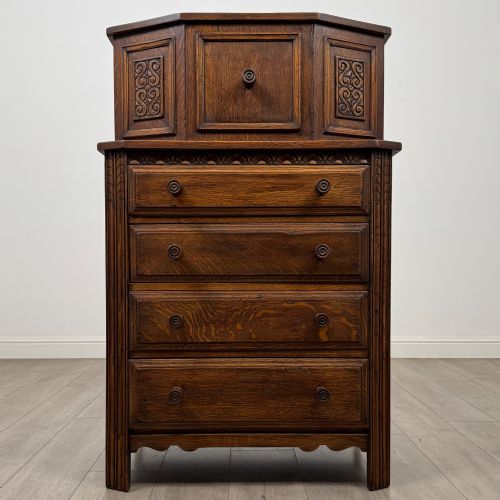
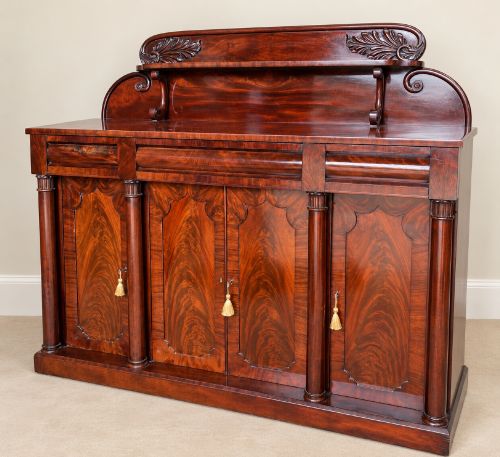
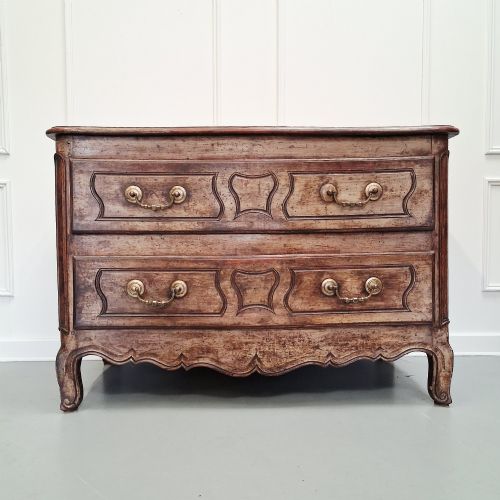
The versions most commonly met on this page date from the Edwardian period and the nineteenth century, often constructed in solid oak or mahogany. Alongside traditional British regional pieces, the selection includes French commodes and provincial sideboards displaying distinct regional carving traditions.
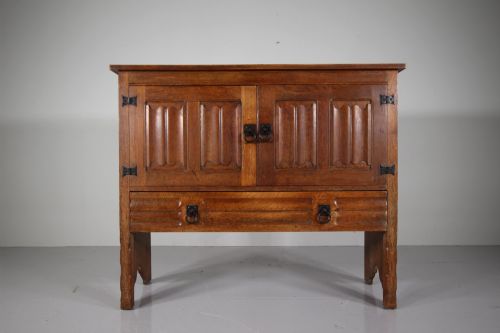
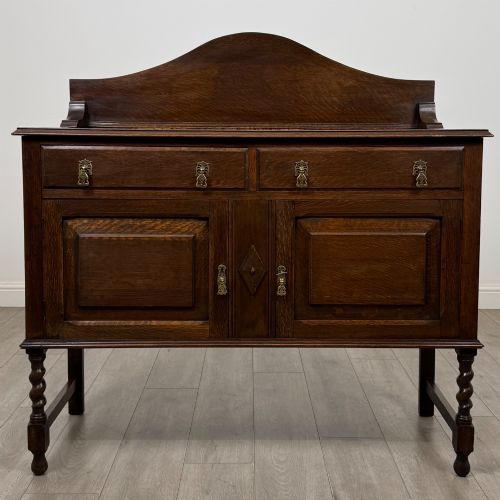
Many examples incorporate decorative flourishes such as linenfold panels, barley twist supports, and Gothic tracery. Buyers find that these items function practically as storage units while anchoring a room with substantial period presence.
How they were made
Cabinetmakers relied heavily on solid oak, mahogany, and pine, selecting woods based on structural demands and regional availability. Timber was joined using traditional methods such as mortise and tenon, allowing frames to withstand heavy daily use over generations.
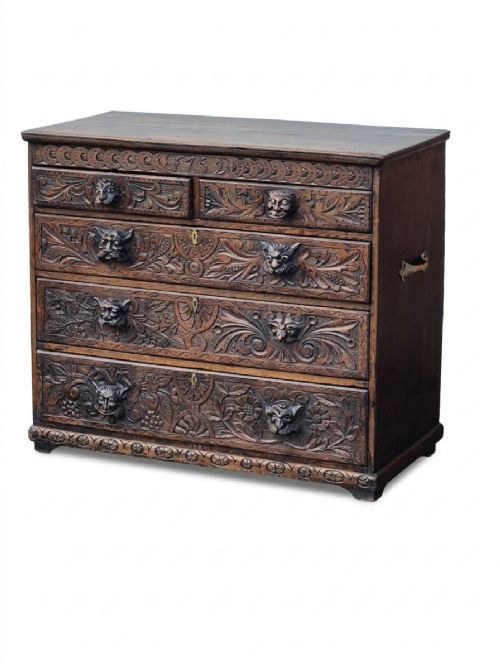
Carving was executed entirely by hand using gouges and chisels to produce deep relief motifs like Green Man grotesques and geometric diamond points. Iron, brass, and glass elements were integrated for hardware, hinges, and glazed display cabinet doors.
Listings feature woods including oak, mahogany, pine, and walnut across periods spanning the seventeenth century to nineteen thirty.
What varies in quality
The caliber of a piece depends heavily on the depth and crispness of the hand carving, where sharper chisel work distinguishes superior craftsmanship from routine production. Timber selection also dictates grade, with quarter-sawn tiger oak and dense old-growth mahogany representing the higher tiers.
Structural integrity remains central, separating items that retain their original backs, hardware, and joined frames from those altered or overly restored over time. Finer examples maintain harmonious proportions and balanced grain patterns across drawers and panelled doors.
The Vintage Carved Dresser Glossary
- Dresser base
- The lower section of a Welsh dresser, functioning independently as a sideboard or serving table with surface top and drawers.
- Court cupboard
- An antique enclosed wooden cabinet featuring a recessed upper tier, commonly associated with seventeenth-century joinery.
- Linenfold
- A style of wood carving that mimics vertical folds of folded fabric, frequently seen on Tudor and Edwardian panels.
- Barley twist
- A turned wooden furniture leg or support shaped into a helical spiral resembling twisted barley sugar.
- Commode
- A decorative low chest of drawers or cabinet originating in France, often featuring serpentine fronts and fine veneers.
Vintage Carved Dresser: Frequently Asked Questions
What is a Welsh dresser?
A Welsh dresser combines a lower set of drawers and cupboards with an upper plate rack designed to display ceramic tableware.
Traditionally constructed from local oak, these kitchen and dining pieces evolved to provide both utilitarian storage and open display space.
How do I care for antique oak furniture?
Protect antique oak by keeping it away from direct heat sources and sudden humidity changes that cause timber to split.
Apply traditional beeswax periodically to nourish the wood and maintain a soft, protective sheen without sealing the pores.
What is a court cupboard?
A court cupboard is an enclosed storage piece from the sixteenth or seventeenth century, identified by a recessed upper section supported on short columns.
These heavy oak items were used to store valuables and food provisions in large domestic halls.
How do I identify Edwardian furniture?
Edwardian furniture, made between nineteen hundred and nineteen ten, often reinterprets earlier Jacobean and Georgian styles using lighter oak and mahogany.
Machine assistance became more common in manufacturing, though decorative elements like linenfold panelling and brass hardware remained hand-finished.
Where were serpentine chests made?
Serpentine chests of drawers feature an undulating front curving outward at the centre and inward at the sides.
Master cabinetmakers in both England and eighteenth-century France produced these sophisticated forms using mahogany or walnut veneers over sturdy carcases.