
Vintage Carved Bedside Cabinet
A vintage carved bedside cabinet brings practical storage and distinct period character directly to the bedside.
Vintage Carved Bedside Cabinet
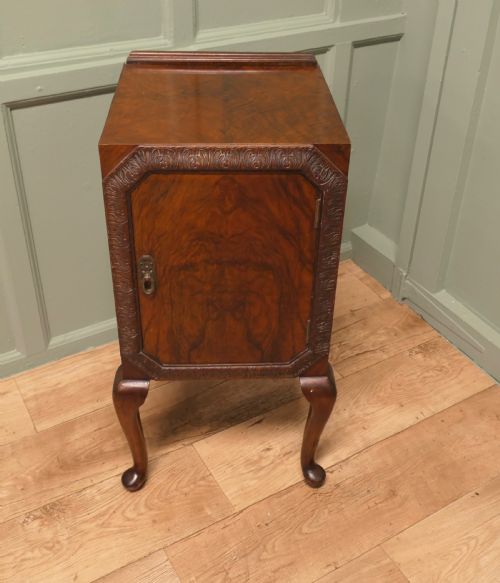
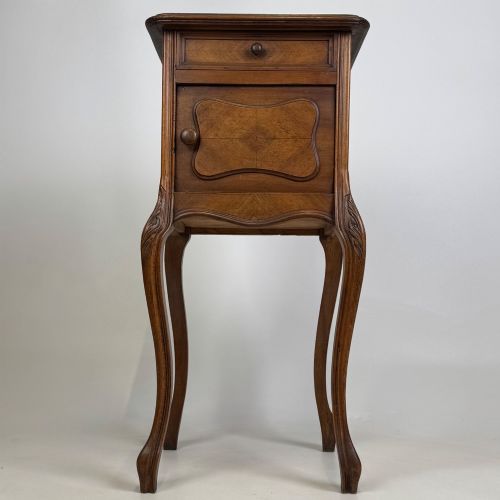
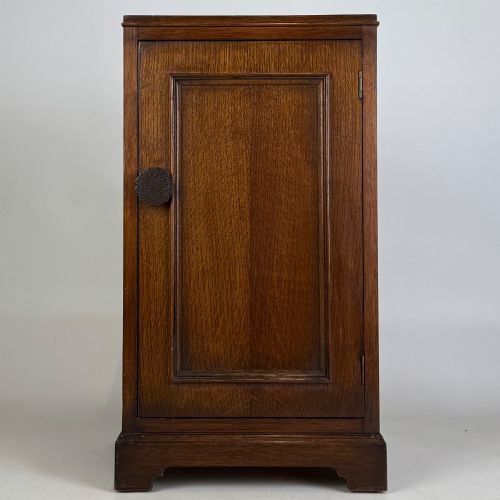
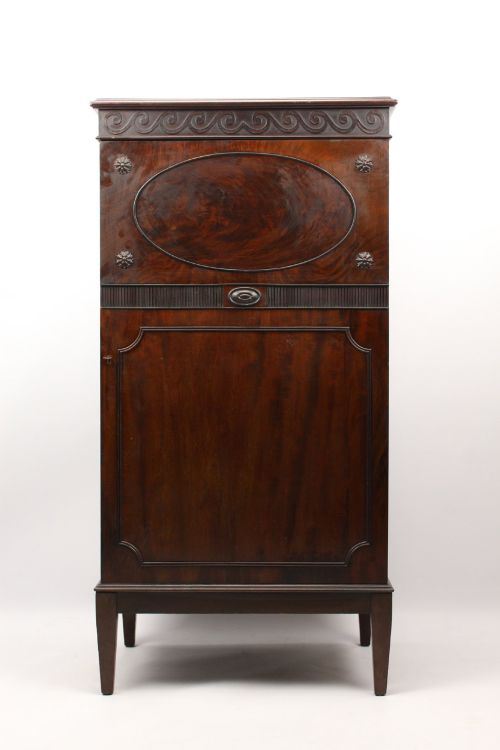
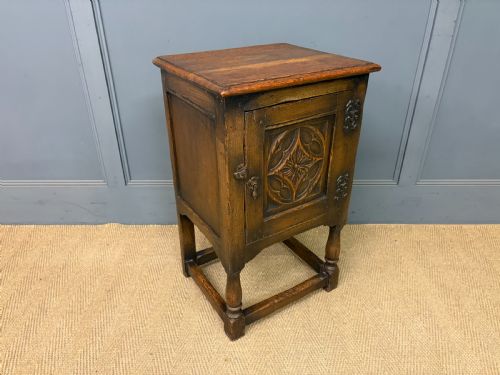
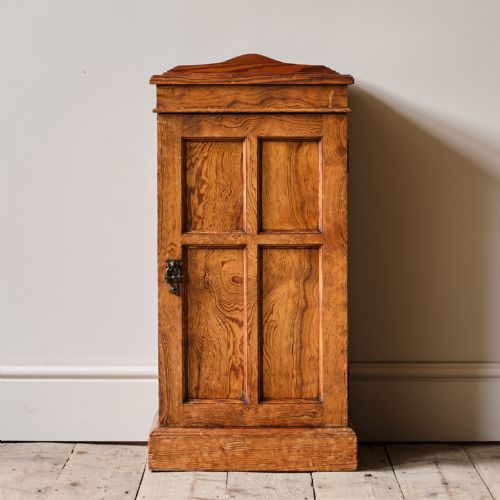
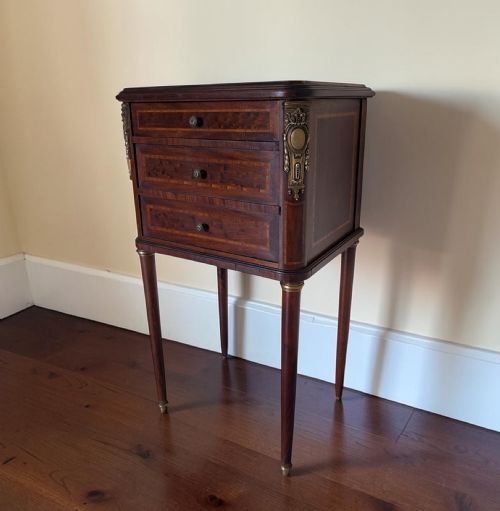
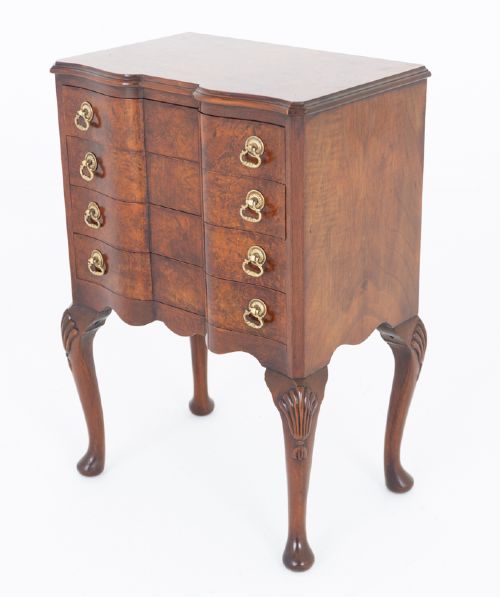
A vintage carved bedside cabinet is a compact bedroom piece designed to hold night-time essentials while adding architectural detail to a room. These pieces take the form of small cupboards, pedestal cabinets, and low chests of drawers originating from various decades.
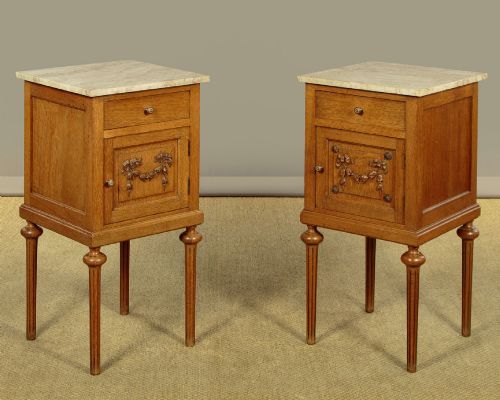
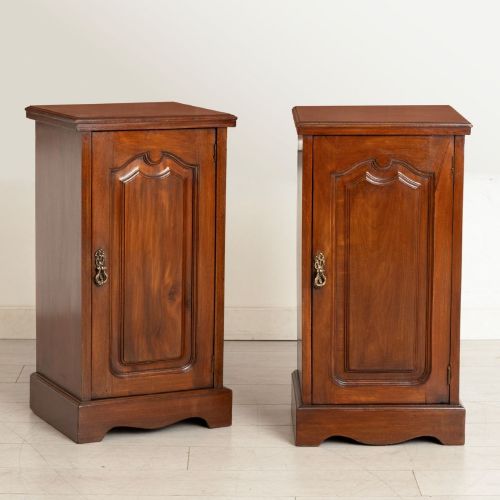
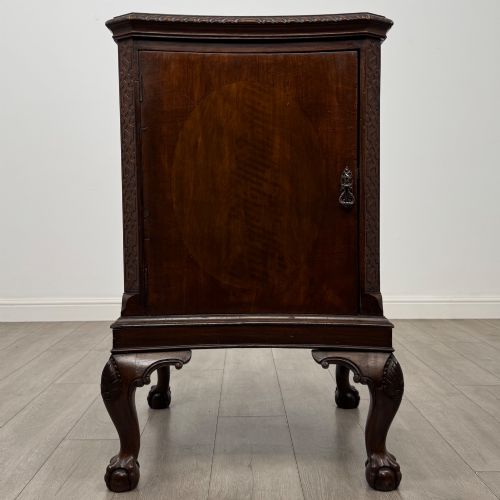
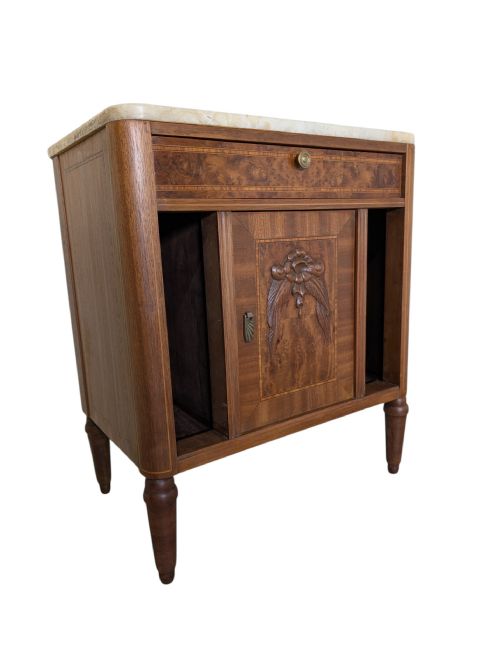
The selections span the nineteenth century through the nineteen-thirties, incorporating Edwardian designs alongside earlier Victorian and later art deco iterations. Buyers frequently encounter oak and mahogany examples embellished with period carving alongside French provincial and chateau styles.
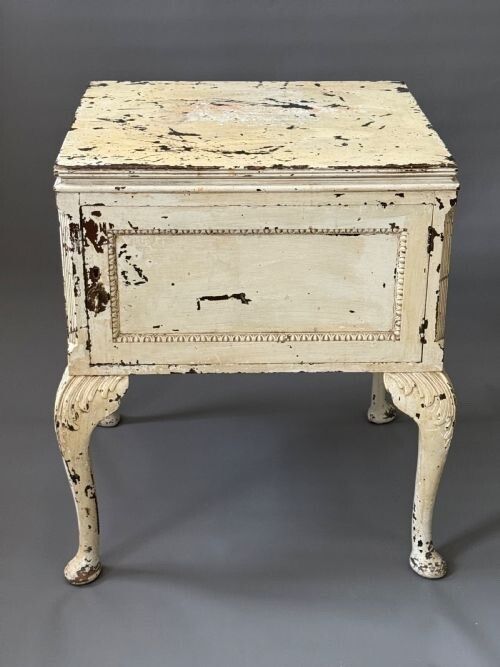
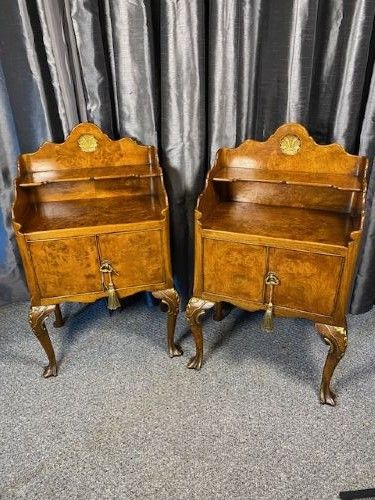
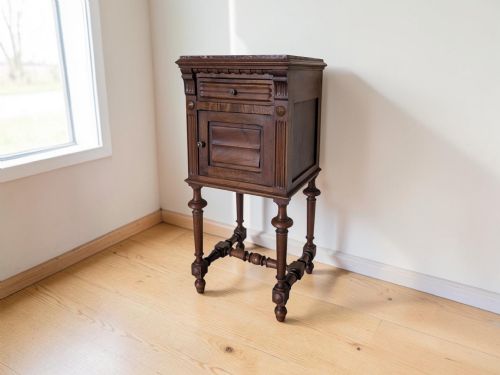
Makers utilised diverse timber species, meaning pieces range from dark figured walnut to lighter bleached oak and ash. The forms vary from simple pot cupboards to elaborate pairs with marble tops and turned legs.
Materials and construction methods
Carpenters constructed these cabinets using solid hardwoods like oak, mahogany, and walnut, frequently applying burr walnut veneers to create figured surfaces on doors and drawer fronts. Cabinetmakers employed traditional joinery techniques to ensure stability in items subject to daily domestic handling.
Surface ornamentation often includes hand carving, turned wooden legs, and painted finishes applied to pine or ash. Fitted elements incorporate polished marble tops on select French styles and brass hardware for handles and hinges.
Some cabinets doubled as music storage for sheet scores before finding a permanent home beside the bed.
Assessing build quality and material selection
Quality in a vintage carved bedside cabinet rests upon the selection of timber and the precision of the joinery rather than mere age. Pieces utilising well-figured burr walnut or dense mahogany with crisp, deep hand carving stand apart from plainer utility items.
The integration of secondary materials defines the tier of execution, such as heavy marble slabs fitted accurately to cabinet tops or sturdy brass fittings secured firmly into hardwood frames. Proportion and symmetry between matched pairs further distinguish superior workshop production from standard commercial output.
Denby and Spinks·Waring and Gillows
The Vintage Carved Bedside Cabinet Glossary
- Pot cupboard
- A compact bedside cabinet originally designed to enclose a chamber pot behind a single door. These utilitarian items evolved into general bedside storage.
- Burr walnut
- Timber taken from the burl growth of a walnut tree, yielding highly decorative swirling grain patterns. Cabinetmakers used veneers of this wood on prominent surfaces.
- Pedestal cabinet
- A tall, narrow freestanding cupboard standing on a plinth or feet. Such pieces maximise vertical storage space beside a bed.
- Arts and Crafts
- A design movement prioritising traditional craftsmanship and simple forms over mass production. Pieces from this style often display honest construction in materials like ash and oak.
- Etagere
- An open piece of furniture featuring multiple levels for display or storage. These occasionally appear alongside enclosed bedside cabinets in bedroom settings.
Vintage Carved Bedside Cabinet: Frequently Asked Questions
What fits inside a vintage bedside cabinet?
These cabinets typically house a single internal shelf behind a door or feature a small top drawer for personal items. They provide enclosed storage for reading materials and nighttime necessities.
Larger pedestal versions or low chests offer additional capacity while maintaining a compact footprint suited to spaces beside a bed.
How do I care for marble top cabinets?
Marble surfaces require gentle cleaning with a damp cloth and mild soap to protect the stone from staining or etching. Avoid placing acidic liquids directly onto the polished top.
Regular dusting keeps the surrounding wood and brass fittings in stable condition without harsh chemical polishes.
Are these cabinets sold as pairs?
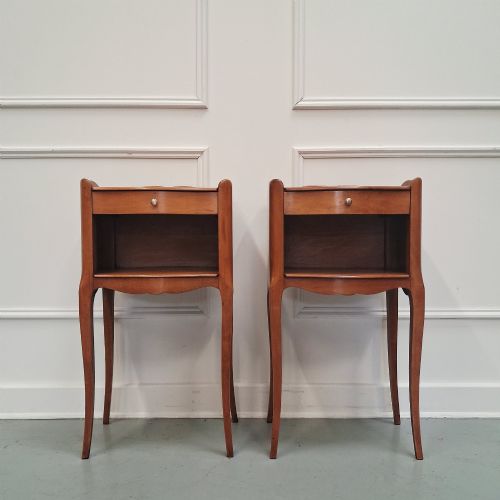
Many listings offer matched pairs of bedside cabinets, which originated together to flank a larger double bed. Single cabinets also appear frequently for standalone placement.
Pairs often exhibit identical carving patterns, timber grains, and hardware styles across both pieces.
How can I tell the period of a cabinet?
Stylistic clues such as Gothic revival pointed arches, Edwardian mahogany proportions, or art deco geometric lines indicate the era of manufacture. Wood selection, including nineteenth-century mahogany or twentieth-century bleached oak, also points to specific decades.
Construction methods and hardware types help narrow down the manufacturing date when exterior decoration remains understated.