


Vintage Carpet
A vintage carpet anchors a room through rich hand-knotted pile and enduring regional design traditions.
Vintage Carpet
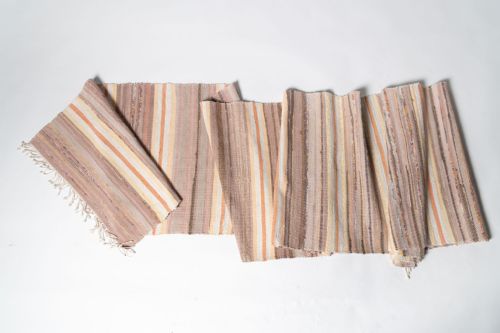
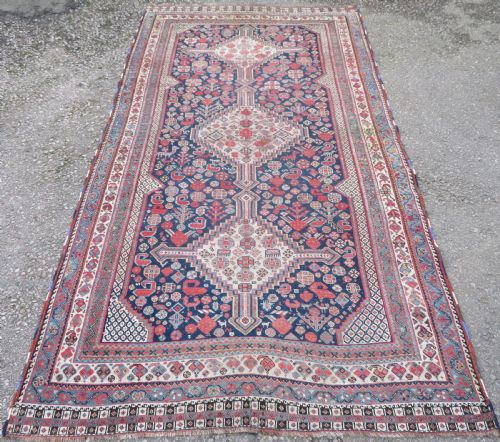
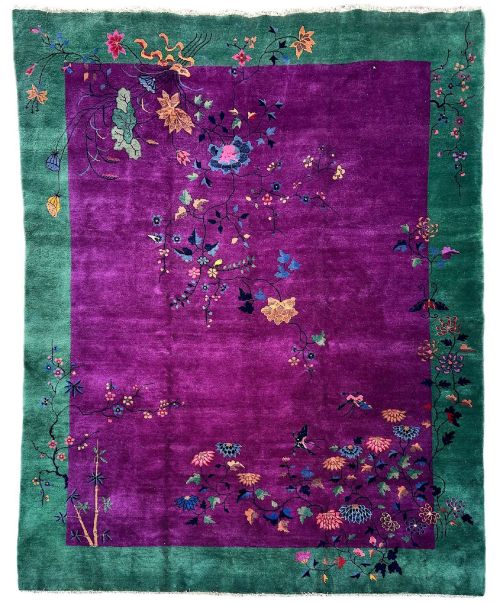
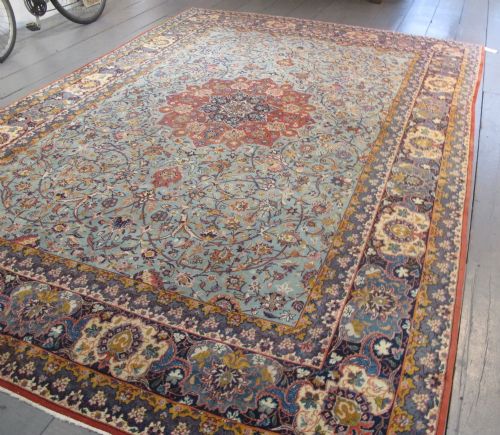
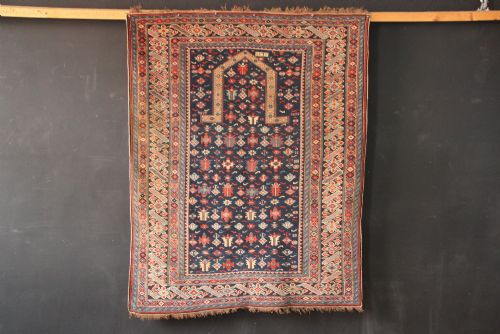
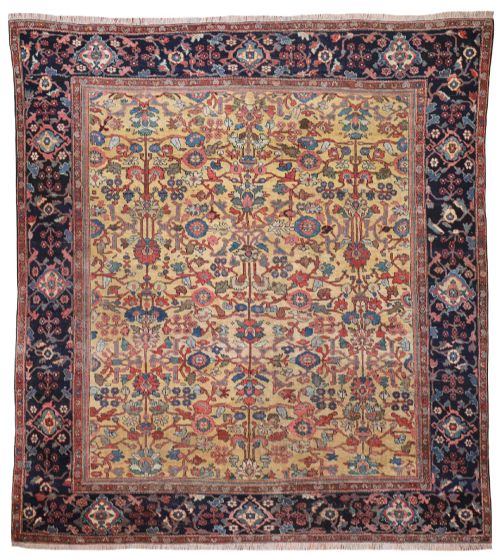
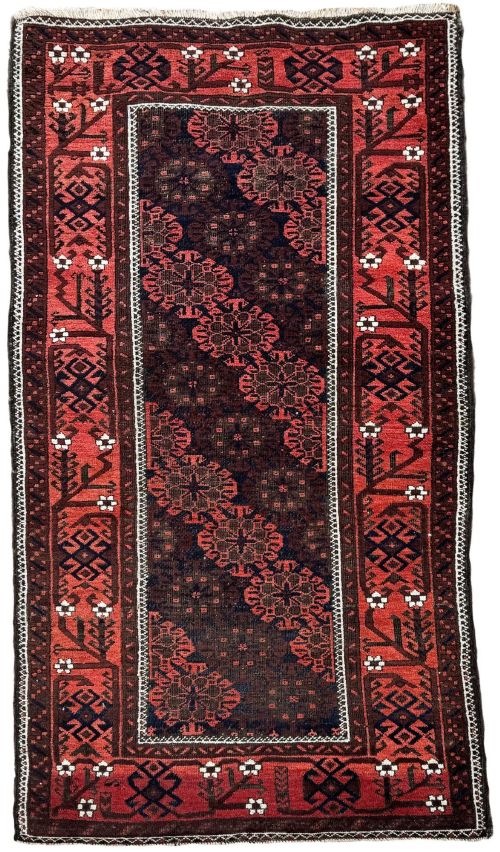
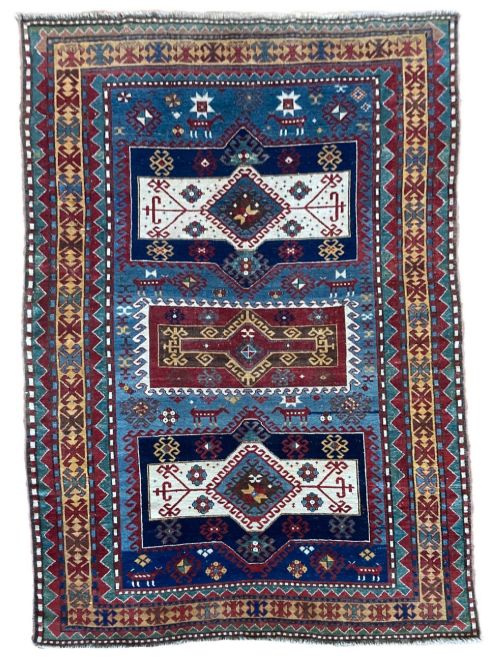
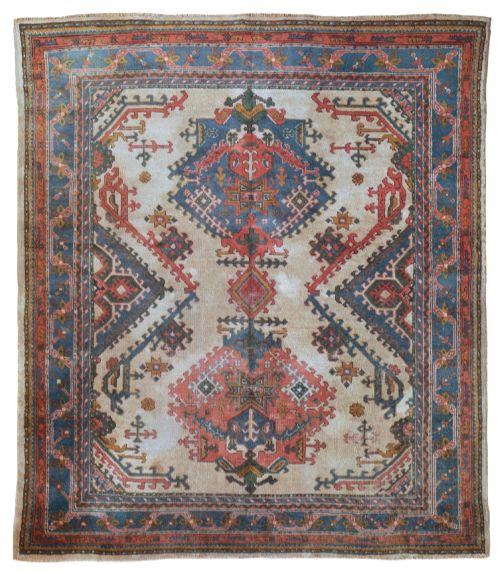
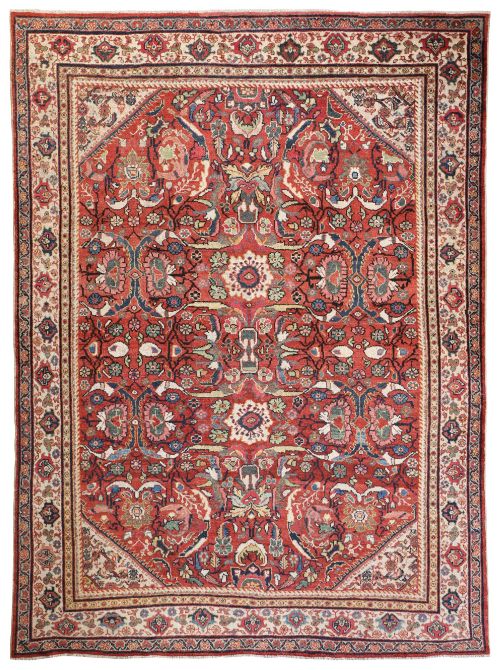
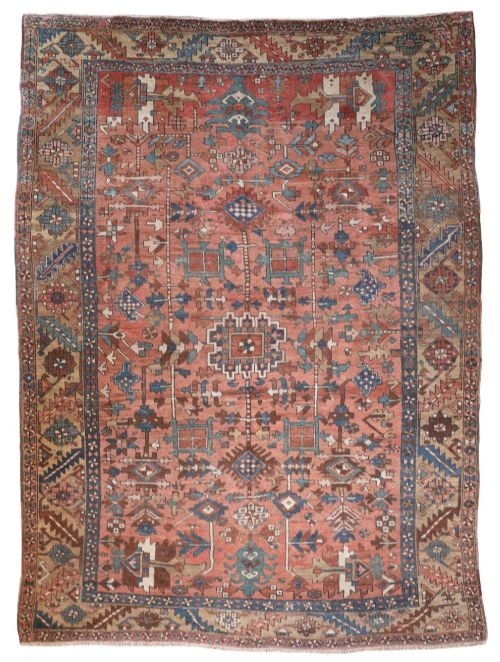
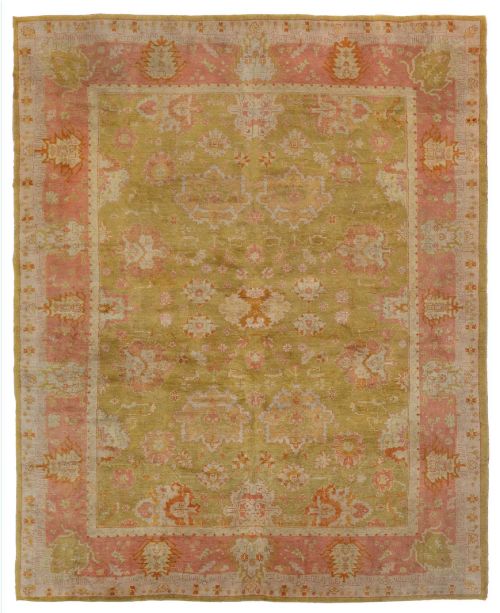
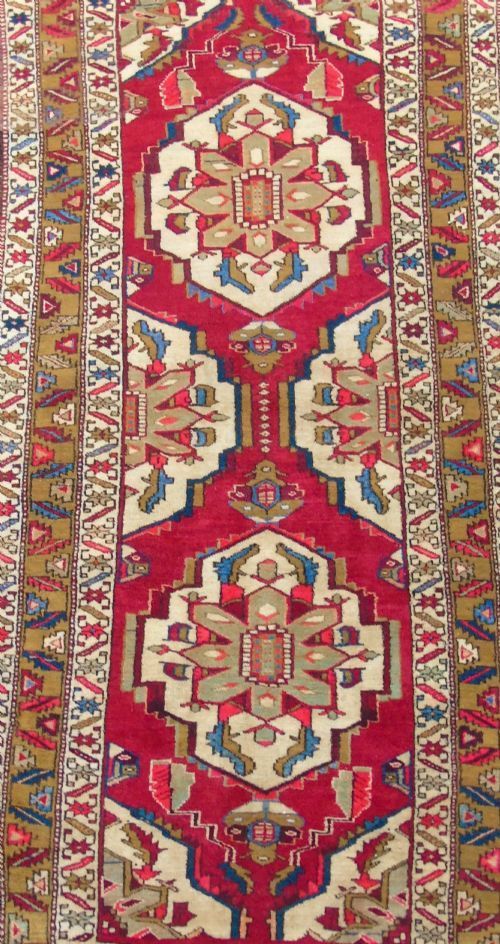
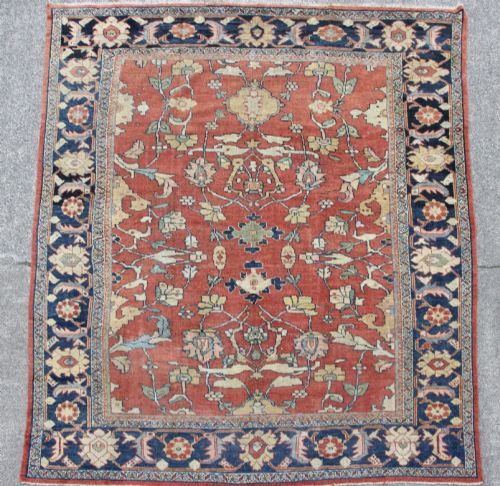
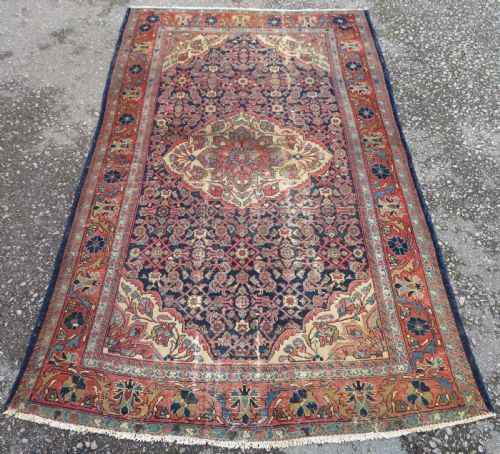
When buyers search for a vintage carpet, they encounter hand-knotted textiles originating from Persian, Caucasian, Anatolian, and Turkmen weaving traditions. These pieces span from the mid-nineteenth century through the early twentieth century, taking the form of large area carpets, long runners, and compact prayer rugs.
The selections on this page highlight regional styles such as Heriz, Kazak, Khamseh, and Oushak. Buyers find both room-sized carpets and smaller tribal formats suited to diverse interior spaces.
Materials and construction
Weavers utilised wool, cotton, and silk foundations and pile, often relying on hand-spun wool for durability and resilience. Natural dyes provided the deep reds, blues, greens, and white grounds characteristic of these textiles.
Makers knotted these materials by hand on vertical or horizontal looms, applying techniques passed down through generations within specific tribal and village workshops.
Vintage Carpet Retail Price Guide 2026
Typical asking prices for vintage carpet among the pieces listed under this phrase on Sellingantiques today, from the lower quarter to the upper quarter. They describe what is for sale here now, not the wider market.
Current listings span from the mid-nineteenth century to the 1930s, featuring wool, cotton, silk, and natural dye traditions.
Assessing quality
Quality rests in the integrity of the weave, the clarity of the design motifs, and the depth achieved by natural dyes. Finer knot density and balanced proportions separate exemplary village and workshop productions from standard utility pieces.
The preservation of the original borders and pile depth also dictates the standing of a carpet, alongside the vibrancy and stability of the colour palette.
The Vintage Carpet Glossary
- Pile
- The upright yarn loops that form the soft surface of the carpet. This layer bears the wear of foot traffic over decades.
- Warp
- The vertical foundation threads stretched tightly on the loom before knotting begins. Weavers build the entire structure upon this framework.
- Weft
- The horizontal threads passed across the warp strands after rows of knots. This locks the pile firmly into place.
- Prayer rug
- A small format textile featuring a mihrab arch design. Makers originally designed these for ritual daily devotion.
- Runner
- A long, narrow carpet format. These pieces serve hallways, corridors, and staircases.
Vintage Carpet: Frequently Asked Questions
How do I clean an antique rug?
Gentle surface brushing and professional specialist washing preserve the natural wool fibres and dyes. Avoid harsh chemical treatments and domestic steam cleaning.
Regular careful vacuuming without a rotating power head prevents dust accumulation within the pile foundation.
Where were these carpets made?
Weavers produced these textiles across Persia, the Caucasus, Anatolia, and Central Asia. Each region developed distinct geometric or floral vocabulary.
Village workshops, nomadic tribes, and larger city looms each contributed unique technical characteristics to their output.
Can I place a rug in sunlight?
Direct, harsh sunlight fades natural dyes over extended periods. Rotating the carpet periodically ensures even exposure and balanced ageing.
Window filters or blinds help protect sensitive colour pigments in rooms with intense light.
What is a tribal rug?
Nomadic and village groups wove tribal rugs from memory, utilising spontaneous geometric motifs and symbols. These pieces reflect local heritage rather than rigid urban workshop cartoons.
Asymmetrical designs and charming irregularities distinguish these authentic domestic creations.