





Vintage Canvas Wall Art
Vintage canvas wall art brings centuries of painted portraits, landscapes and maritime scenes into modern rooms.
Vintage Canvas Wall Art
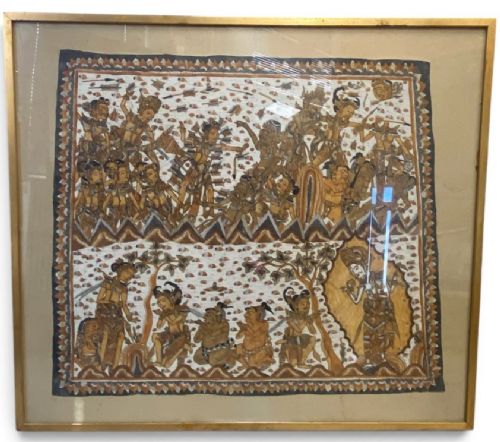
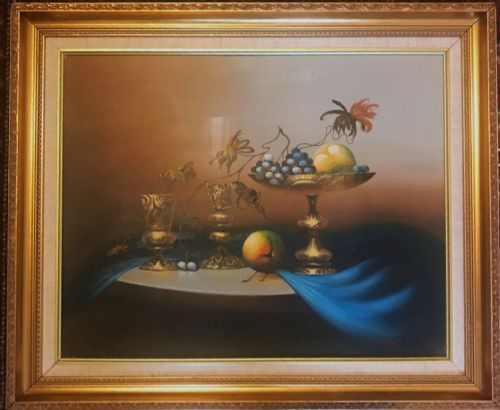
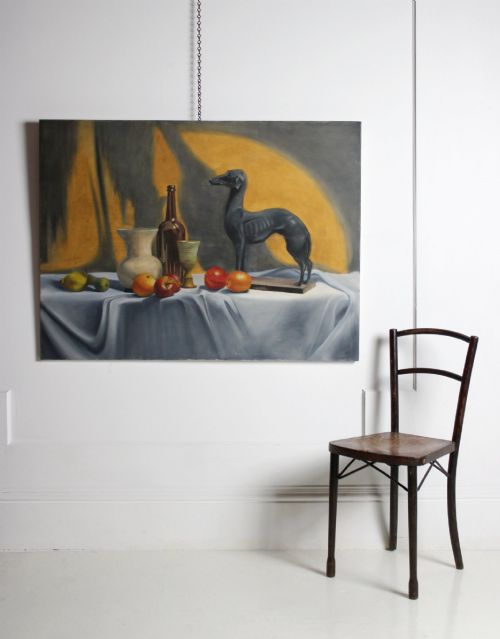
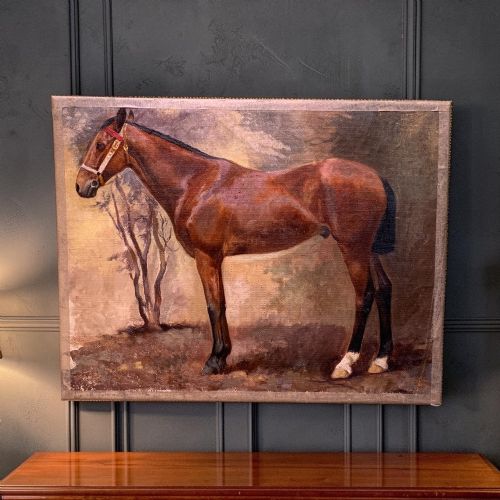
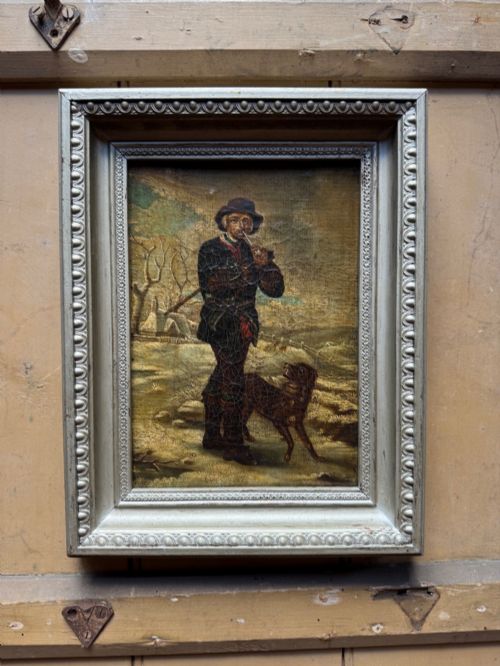
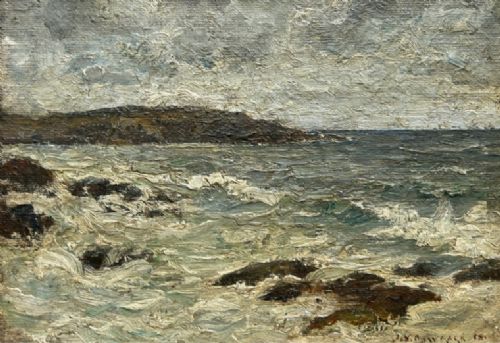
Vintage canvas wall art encompasses oil paintings and decorative panels spanning from the eighteenth century to the mid twentieth century. Buyers seeking this phrase encounter subjects ranging from equine portraits and floral still lifes to coastal seascapes and Dutch manner winter landscapes.
The pieces on this page originate from various periods including the Edwardian era, Victorian times, and the mid twentieth century. Works attributed to the nineteenth century and earlier decades sit alongside signed original paintings from the nineteen-fifties.
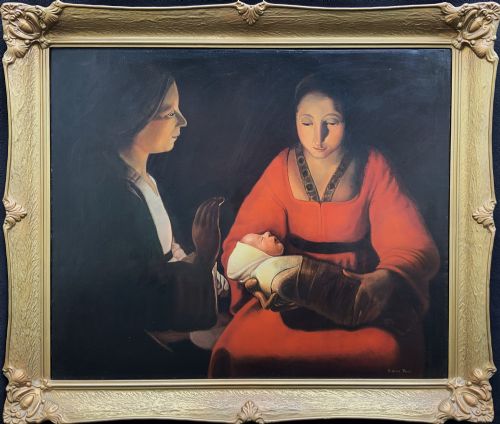
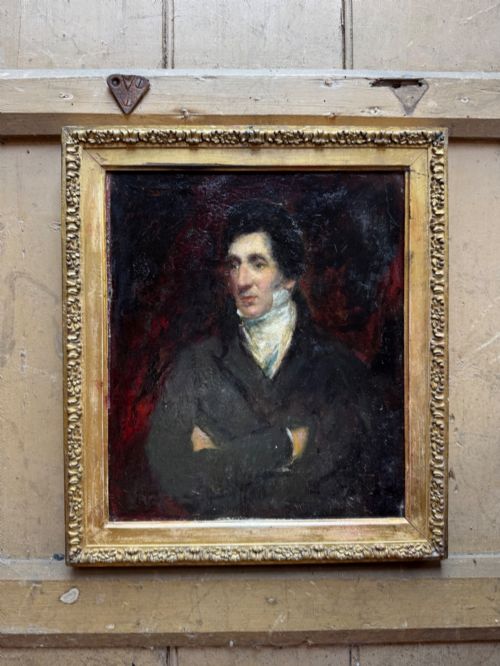
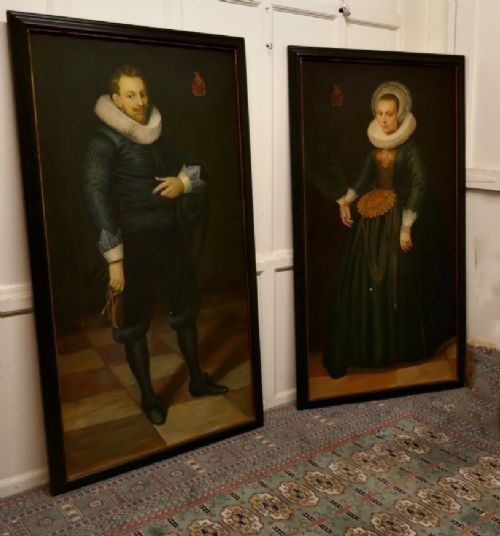
Subjects frequently depict British landscapes, maritime scenes, and classical portraiture. Works executed after earlier masters also appear alongside original compositions signed by period artists.
Materials and construction
These works rely primarily on oil paint applied to woven canvas supports or wooden boards. Many pieces utilise traditional grounds and primers beneath layers of oil colour.
Frames form an integral part of the construction, with gilt wood and gesso mouldings enclosing numerous canvases. Certain items incorporate oval stretchers or specialised vinyl canvas supports.
Vintage Canvas Wall Art Retail Price Guide 2026
Typical asking prices for vintage canvas wall art among the pieces listed under this phrase on Sellingantiques today, from the lower quarter to the upper quarter. They describe what is for sale here now, not the wider market.
Listings feature oil paintings on canvas and board from the eighteenth, nineteenth, and twentieth centuries, incorporating gilt wood frames and gesso details.
Distinctions in quality
Quality rests upon the execution of the brushwork and the confidence of the draughtsmanship. Works showing expressive impasto or detailed tonal control stand apart from more formulaic studio productions.
The preservation of the original paint layer and the integrity of the canvas support dictate the calibre of an individual piece. Original gilt gesso frames that match the period of the painting add significantly to the overall cohesion of the work.
Kenneth Cozens·Mona Lisa After Leonardo Da Vinci·Jozsef Molnar·Georges de La Tour·William H Myers·John Hayls·Dumini Leopoldo·Cornelis Van Der Voort·Eugène-Louis Gillot·William McAlpine·Reginald Arthur Borstel·Paul White·B Nash·George Houston·Herbert Royle·Thomas W Lascelles·James Kay·Augusto Alberici·Gabriel Mathieu
The Vintage Canvas Wall Art Glossary
- Canvas
- A heavy woven fabric used as a surface for painting. It provides the primary support for oil colours across numerous historical periods.
- Impasto
- Paint applied in thick layers that stand out from the canvas. This technique creates a textured surface that catches the light.
- Gesso
- A plaster-like mixture applied to wood or canvas as a base for painting. It also forms the carved relief details on ornate frames.
- Still life
- A painting featuring inanimate subject matter, such as fruit, flowers, or household objects. These compositions focus on arrangement and light.
- Post-Impressionism
- An art movement extending beyond impressionist methods to explore emotional response and structural form. Works from this style often feature bold colour applications.
Vintage Canvas Wall Art: Frequently Asked Questions
What periods do these paintings cover?
The selections span from the eighteenth century through the nineteenth century and into the mid twentieth century. Pieces represent distinct eras including the Edwardian period, Victorian era, and the nineteen-fifties.
Specific dates within titles indicate either the year of creation or the estimated stylistic period of the artwork. This chronological breadth offers access to diverse historical painting traditions.
How should I hang canvas art?
Canvases require secure fixings suited to the weight of the wooden stretcher and the accompanying frame. Heavy gilt gesso frames demand robust wall anchors to support their substantial mass safely.
Placement should avoid direct sunlight and extreme temperature fluctuations to protect the oil paint and canvas fibres. Proper positioning ensures the work remains stable over time.
What subjects are most common?
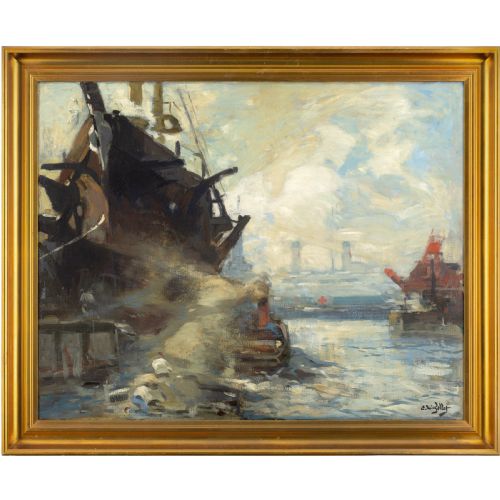
Landscapes and maritime scenes feature prominently among the available works, alongside equine portraits and botanical studies. Artists frequently recorded rural views, coastal waters, and urban waterways like the Thames.
Portraiture also forms a significant category, ranging from formal depictions of nobility to naive studies of animals and children. Still life compositions featuring fruit and flowers appear regularly.
Are these works signed by artists?
Many canvases feature legible signatures or inscriptions left by the original painter. Some pieces include detailed attribution notes within their historical records or titles.
Other works remain unsigned or carry indistinct signatures, representing anonymous studio output or naive school traditions. Both signed and unsigned pieces reflect the prevailing artistic practices of their respective eras.