





Vintage Cane Desk Chair
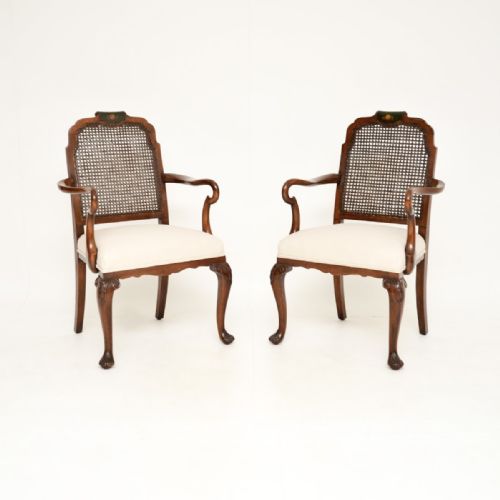
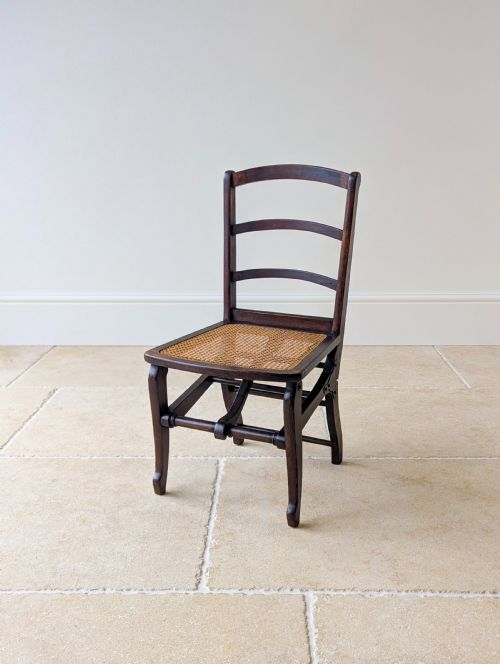
A vintage cane desk chair brings warmth and texture to a workspace, offering woven seating combined with timber frames.
Vintage Cane Desk Chair
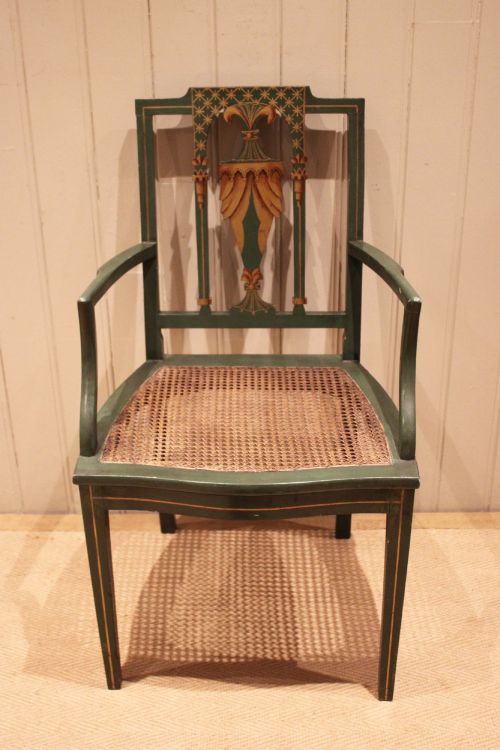
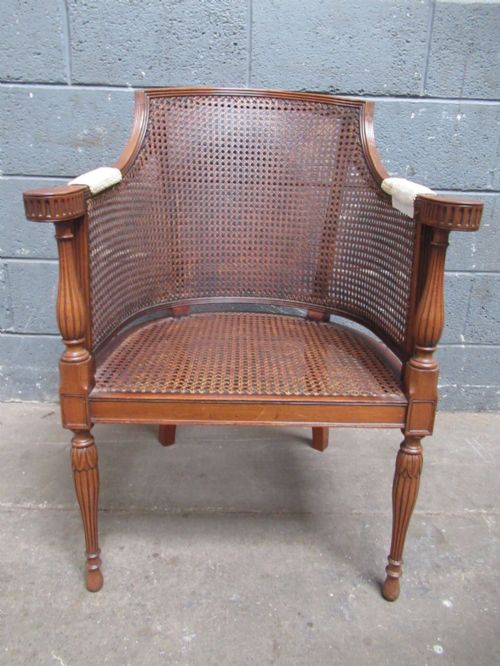
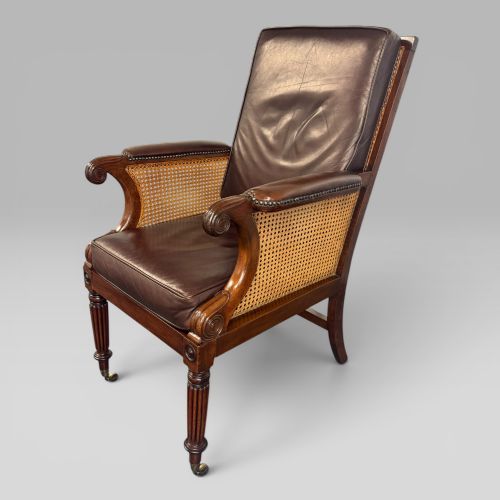
When you search for a vintage cane desk chair, you find seating solutions originating from the nineteenth and early twentieth centuries, designed for studies, libraries, and bedrooms. The pieces range from simple side chairs to generous library bergères with upholstered elements.
Mahogany and oak form the backbone of the selection, accompanied by walnut, painted surfaces, and occasional exotic woods. You will encounter styles spanning Regency, Victorian, Edwardian, and revival periods such as Hepplewhite and Jacobean.
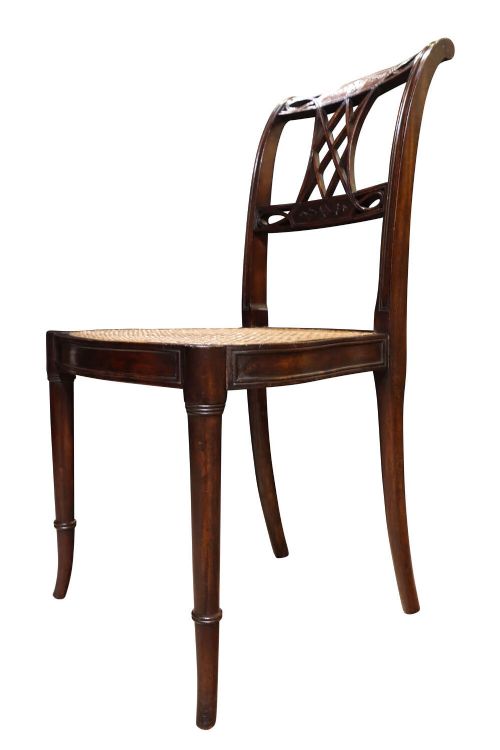
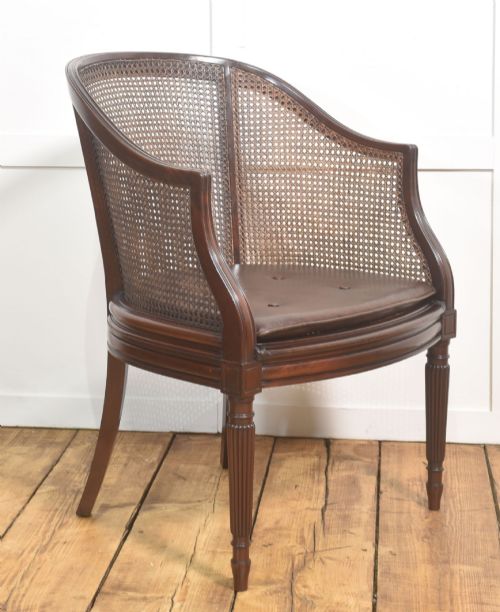
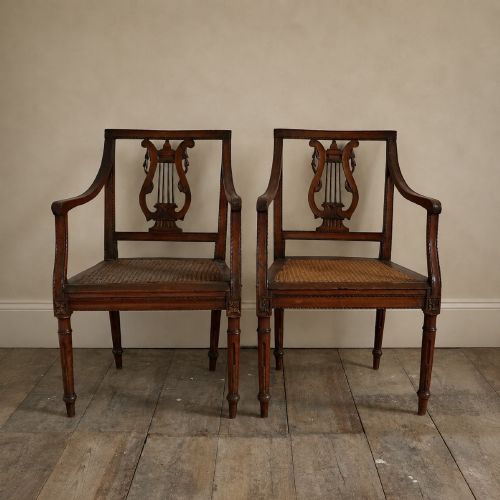
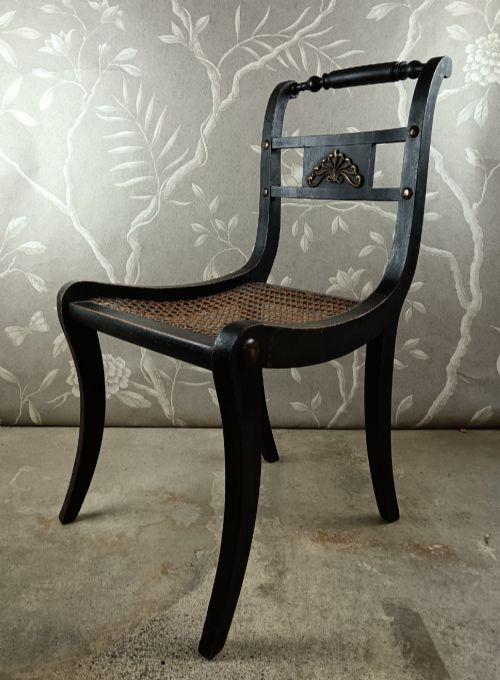
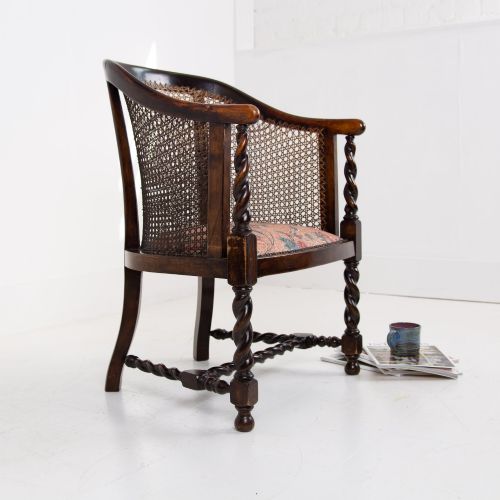
Most examples feature woven cane seats or back panels, sometimes paired with leather pads, fabric squabs, or brass details. Forms include tub shapes, sabre leg designs, lyre backs, and folding campaign formats.
How they were made
Joinery relies on solid hardwoods like mahogany and oak, shaped into frames through turning, carving, and steam bending. Timber sections are assembled using traditional mortise and tenon joints to withstand daily use at a desk.
Cane panels are hand-woven through holes drilled in the wooden framework, using rattan strips to create supportive, resilient seating surfaces. Decorative elements incorporate painted finishes, ebonisation, lacquer, and brass mounts.
The selection spans from the early nineteenth century through the Edwardian era, predominantly utilising mahogany, oak, and walnut with woven cane.
What varies in quality
The sophistication of the timber frame and the precision of the carving distinguish finer examples from simpler workshop output. Generous proportions, well-drawn curves, and original painted or decorated surfaces elevate a piece.
The integrity of the woven cane work matters greatly, alongside the survival of original leather pads or secondary materials. Elegance in silhouette, such as sabre legs or a balanced tub shape, separates standard seating from exceptional library bergères.
The Vintage Cane Desk Chair Glossary
- Bergère
- An enclosed upholstered armchair with wooden framing, often featuring cane sides and back panels. These deep chairs were designed for comfortable reading in libraries.
- Cane
- Woven rattan material used for seats and backrests, providing lightweight strength and flexibility. It appears across various nineteenth and twentieth-century styles.
- Tub chair
- An armchair with a continuous curved back and armrest rail forming a rounded enclosure. This form appears frequently in mahogany and walnut.
- Sabre leg
- A concave curving furniture leg that tapers toward the foot, typical of Regency design. This form provides both stability and visual lightness.
- Lyre back
- A chair back featuring a central splat shaped in the outline of a musical lyre. This motif recurs in Regency style seating.
Vintage Cane Desk Chair: Frequently Asked Questions
Are these chairs comfortable for daily desk work?
Many of these chairs offer supportive woven cane seats and curved wooden backrests designed for extended sitting periods. Adding a small leather or fabric pad can increase comfort for modern working hours.
Most examples allow proper posture at a standard desk height, though dimensions vary across different nineteenth and early twentieth-century periods.
Can damaged cane seats be repaired?
Skilled craftspeople can re-weave damaged cane panels using traditional hand-drilling and looping techniques. Preserving the original wooden frame while renewing the cane maintains the structural integrity of the chair.
Checking whether the cane is hand-woven or machine-pressed helps determine the appropriate restoration approach.
Where were these chairs originally used?
These pieces served primarily in domestic studies, home libraries, and grand bedrooms as writing or reading seats. Larger bergère models furnished gentleman's libraries and drawing rooms.
Lighter side chairs and bedroom chairs were easily moved around living spaces for various daily tasks.