

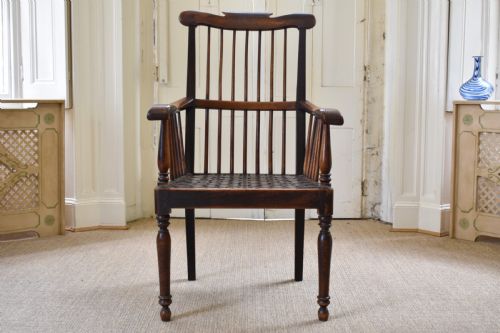
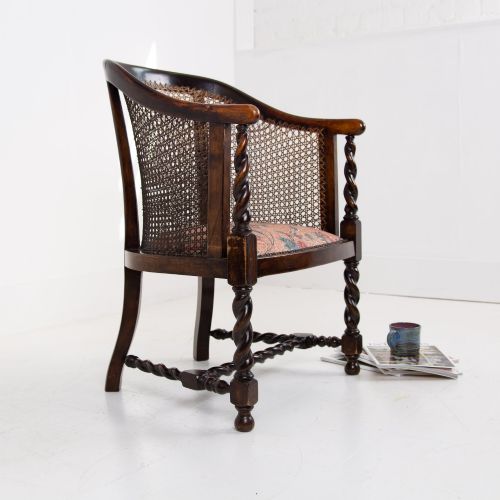
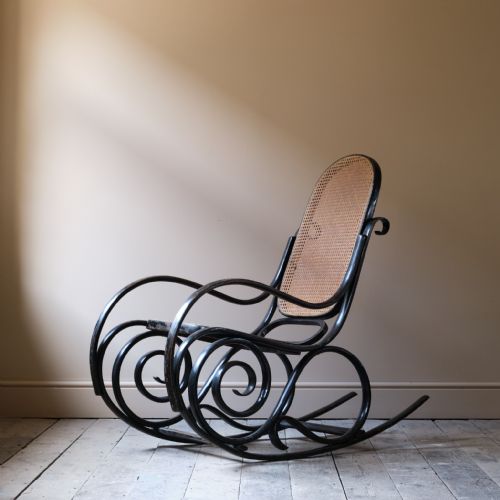
Antique Woven Armchair
An antique woven armchair brings tactile texture and organic warmth to a room, using natural materials like cane, rush, and rattan.
Antique Woven Armchair
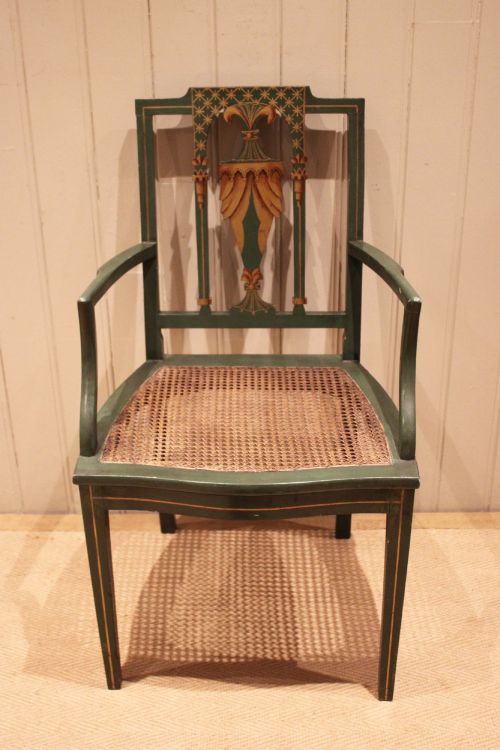
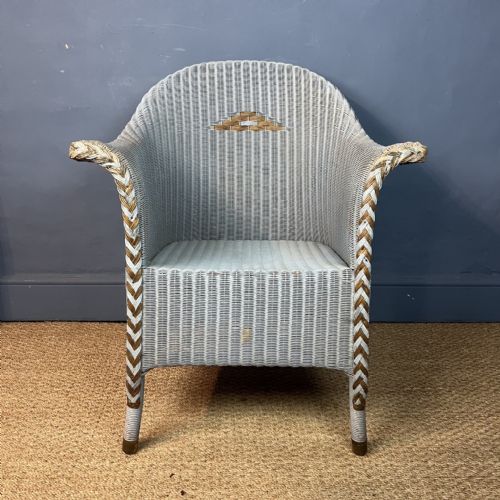
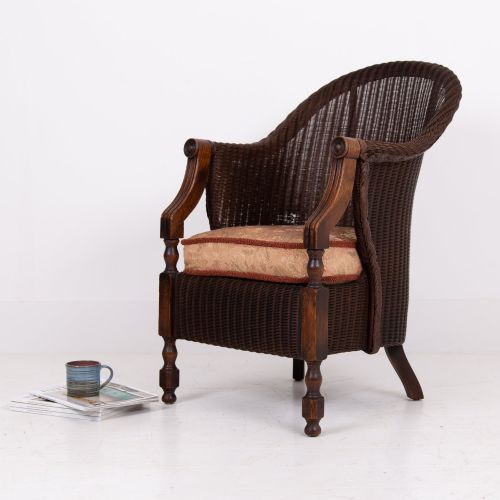
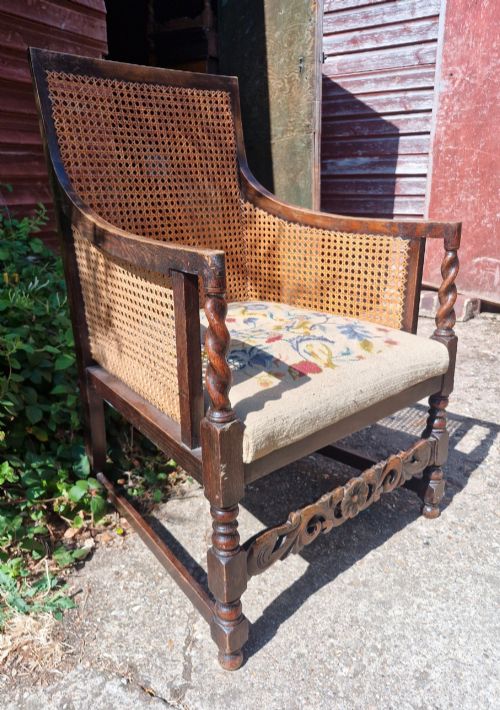
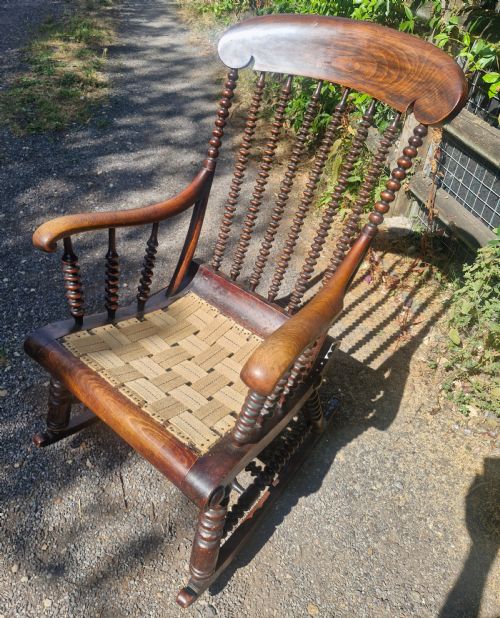
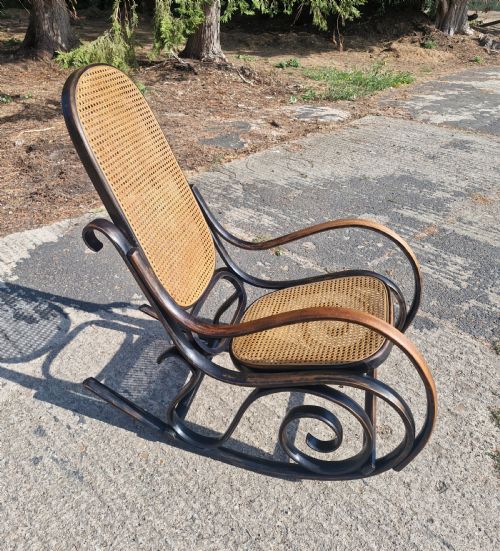
When you search for an antique woven armchair, you encounter seating constructed with plant-based materials set into wooden frames. These pieces span from the nineteenth century into the twentieth century, encompassing styles such as Arts and Crafts, Victorian, and Art Deco. Armchairs, rocking chairs, and bergère easy chairs dominate the available forms, reflecting diverse domestic uses from the parlour to the garden.
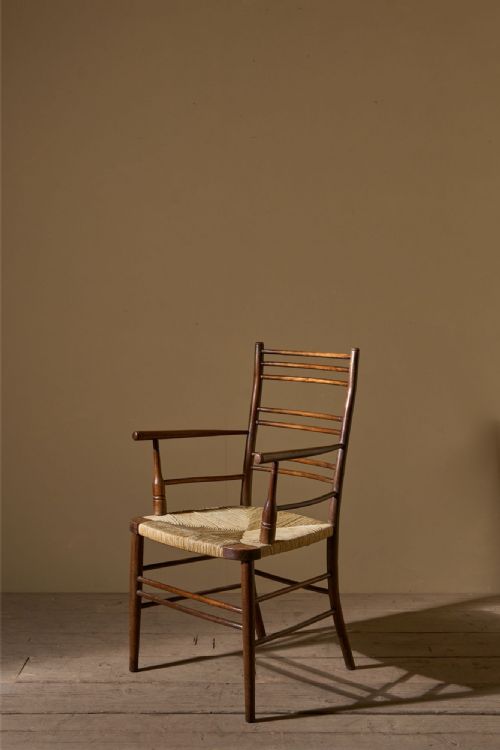
You are most likely to meet examples utilising cane, rush, or rattan woven directly into oak, mahogany, or walnut frames. Regional vernacular pieces, including Orkney chairs and ladderbacks, also appear alongside formal Regency and Carolean revival designs. The scope ranges from simple country seating to sophisticated maker-stamped library chairs.
Materials and construction methods
Frames rely upon traditional hardwoods such as oak, mahogany, elm, walnut, and teak, shaped through turning, steam-bending, or carving. Joinery typically employs mortise and tenon joints to secure the structural skeleton before the seating panels are integrated.
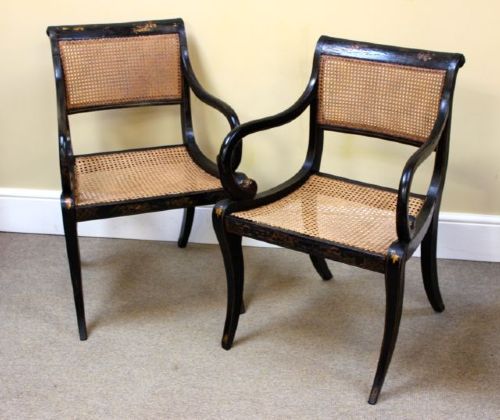
Weaving materials consist primarily of split cane, rattan, rush, and woven leather, threaded or bound directly through drilled holes or around frame edges. Master makers paired sturdy timber frames with pliable natural fibres to create resilient, flexible seating surfaces.
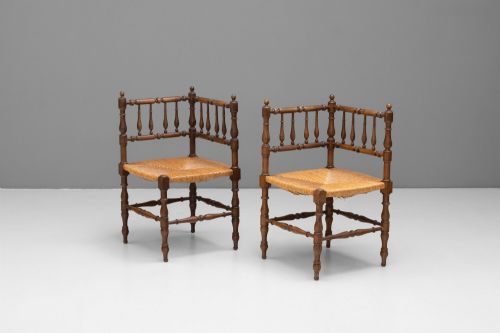
The selection includes rocking chairs, corner chairs, high chairs, and reclining garden armchairs.
Distinctions in quality and execution
Quality reveals itself in the tightness of the weave, the uniformity of the plant fibres, and the structural integrity of the timber frame. Fine examples demonstrate meticulous hand-weaving tension and harmonious proportions between the wooden chassis and the woven panels.
The distinction between standard utility seating and high-end atelier production lies in subtle details like hand-carved ornamentation, premium timber selection, and documented maker attribution. Superior pieces retain their original woven components or display expert historical restoration that respects the original technique.
Liberty Morris & Co·Angraves of Leicester·Dryad of Leicester·Dryad & Co·E W Godwin
The Antique Woven Armchair Glossary
- Bergère
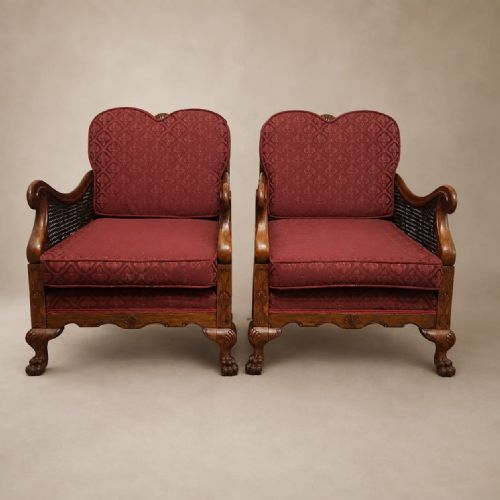
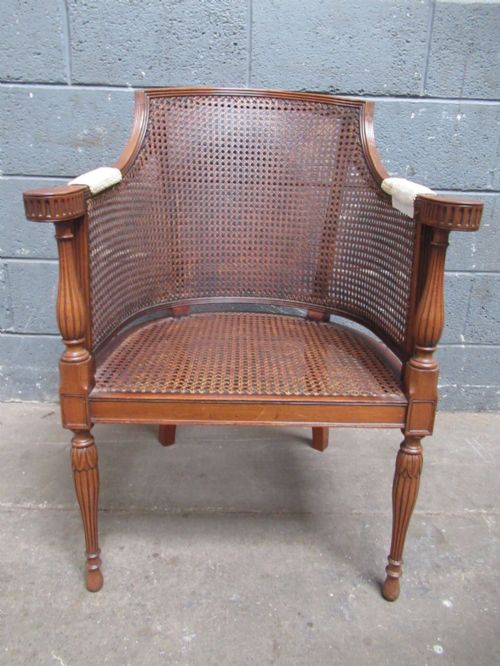
- An upholstered armchair with enclosed sides, often featuring exposed wooden frames and woven cane panels. This French-inspired form gained immense popularity in various British adaptations during the nineteenth and early twentieth centuries.
- Cane
- Strips derived from the outer bark of rattan palms, utilised for woven seats and backs. Split cane offers a smooth, durable surface that provides both flexibility and ventilation.
- Rush
- Dried marsh grasses twisted into cords and used for traditional bottoming and seat weaving. Rush seating requires considerable skill to wrap tightly around chair rails in concentric patterns.
- Orkney chair
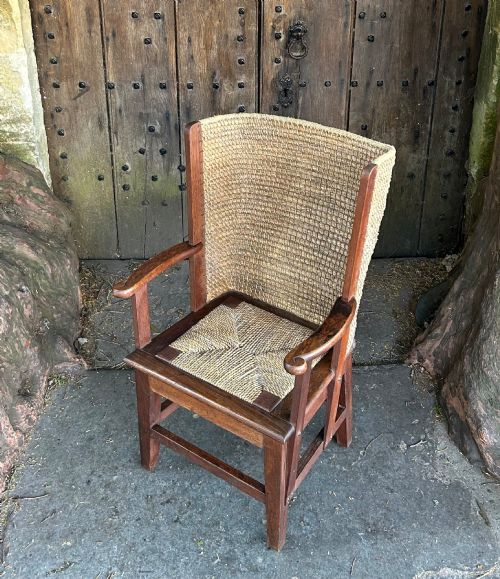
- A distinct traditional Scottish armchair characterised by a high, oat straw-woven back attached to a wooden frame. These regional pieces reflect adaptation to windy coastal climates.
- Arts and Crafts
- A design movement prioritising handcraftsmanship, natural materials, and vernacular styles over mass-produced ornamentation. Furniture from this ethos often highlights exposed joinery and simple woven rush seats.
Antique Woven Armchair: Frequently Asked Questions
How do I clean a cane seat?
Dust the woven surface gently using a soft brush and warm water applied sparingly with a damp cloth. Avoid soaking the natural fibres to prevent them from becoming brittle.
Allow the cane to dry naturally in a well-ventilated space away from direct heat sources. Periodic light moisture helps maintain the flexibility of older plant fibres.
Are rush and cane seats strong?
Both materials possess surprising tensile strength and flexibility when properly maintained and supported by a solid timber frame. They distribute weight evenly across the woven surface.
Heavy localized pressure or sharp impacts can damage individual strands. Normal daily use by adults poses no problem for sound historical weaving.
How do I date a woven chair?
Examine the timber species, tool marks, and framing construction styles to establish a baseline period. Styles like Arts and Crafts or Regency point towards specific eras of manufacture.
Look for maker stamps, paper labels, or characteristic regional building methods. Hardware screws and joinery types also provide clues regarding the decade of production.
Where should I place these chairs?
Position your chair in dry interior spaces away from direct sunlight and extreme temperature fluctuations. Conservatory or living room settings work well for cane and rattan pieces.
Keep natural woven seating away from heating vents and damp areas. Maintaining stable humidity preserves the integrity of both the wood and the plant fibres.