



Vintage Cane Couch
A vintage cane couch brings tactile warmth to a room, offering woven texture in walnut, beech, and ebonised wood.
Vintage Cane Couch
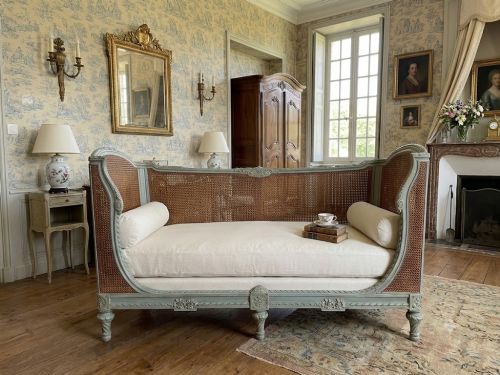
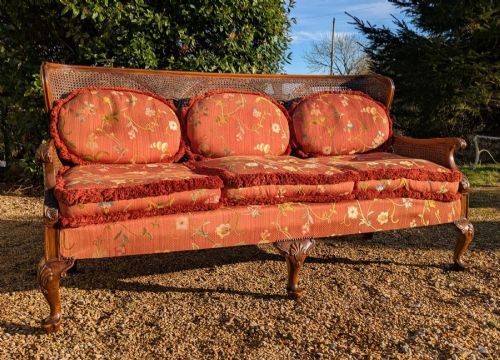
A vintage cane couch encompasses sofas, settees, and daybeds constructed across the nineteenth and twentieth centuries. Examples span multiple aesthetic traditions, including French Louis XVI and Louis XV styles, Anglo-Indian craftsmanship, and Georgian Revival pieces.
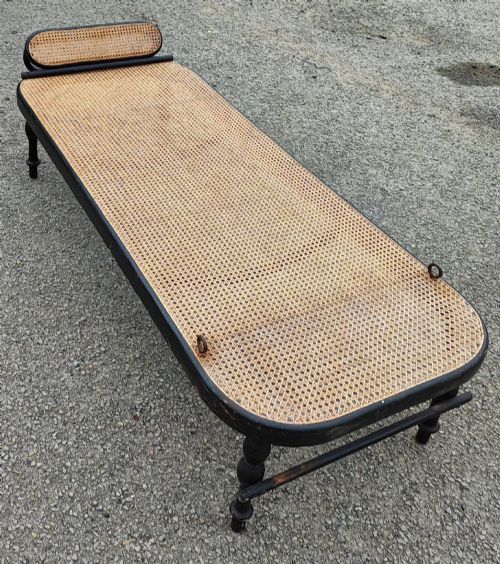
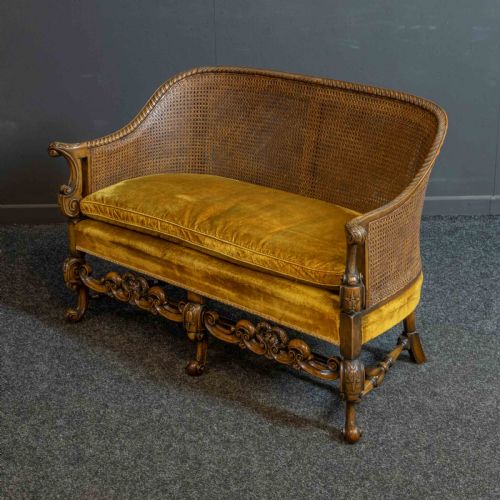
The most likely versions encountered here include painted daybeds, carved walnut settees, and ebonised long stools featuring woven cane panels. These items merge traditional seating forms with organic plant-fibre weaving, originating from periods such as the nineteen-tens, nineteen-twenties, and nineteen-thirties alongside nineteenth-century examples.
Materials and construction methods
Frames rely on hardwoods and softwoods such as walnut, beech, ebonised wood, and painted finishes, often shaped in revival styles like Louis XVI and Edwardian neoclassical. Structural integrity depends on sturdy joinery to support the tension of woven seating and back panels.
Cane panels utilise flexible plant materials woven tightly into the wooden frameworks of sofas and daybeds. Supplementary elements include upholstered fabric and linen cushions, sometimes filled with feathers, alongside brass details.
Listings feature periods spanning the nineteenth century through the nineteen-thirties, utilising materials such as walnut, beech, brass, and fabric.
Distinctions in craftsmanship and condition
Quality separates along the intricacy of the frame carving and the tightness of the cane weaving. Hand-carved walnut and ebonised frames with complex profiles represent higher levels of artisan effort than simpler structures.
The condition and tension of the canework dictate the functional standard of the piece. Uniformity in the weave and the preservation of original painted or polished wooden surfaces distinguish superior examples.
The Vintage Cane Couch Glossary
- Cane
- A material derived from the peeled bark of rattan palms, woven into decorative and supportive panels for seating. This technique provides both structural resilience and lightweight breathability.
- Daybed
- A dual-purpose piece functioning as both a sofa for daytime sitting and a bed for reclining. They frequently incorporate cane backs and side panels.
- Bergere
- An enclosed upholstered armchair or sofa design featuring wooden frames and cane-work sides or backs. They often accommodate loose seat cushions.
- Ebonised
- Wood treated with a finish to imitate the dense, dark appearance of ebony. This technique appeared frequently on nineteenth-century frames.
- Anglo-Indian
- Furniture produced in the Indian subcontinent under British rule, often combining local dense hardwoods with European furniture forms. These pieces frequently display distinctive regional carving.
Vintage Cane Couch: Frequently Asked Questions
How do I clean a cane couch?
Dust the woven cane regularly with a soft brush to prevent dirt accumulation in the interstices. Maintain the flexibility of the natural fibres by lightly dampening them with water on an infrequent basis.
Avoid harsh chemical cleaners that can dry out and snap the plant material. Ensure the room maintains moderate humidity to keep the cane from becoming brittle.
Can I use a vintage daybed for sleeping?
Many of these pieces were constructed as daybeds or long stools suitable for resting and daytime lounging. Adding supportive cushions or a custom mattress enhances comfort for occasional reclining.
Verify the internal wooden frame and cane stability before applying sustained weight for sleeping purposes. Lighter nineteenth-century frames require more mindful use than robust twentieth-century daybeds.
What periods do these couches come from?
The selection includes pieces originating from the nineteenth century through the early twentieth century, specifically around nineteen-ten, nineteen-twenty, and nineteen-thirty. Styles reflect historical revivals such as Louis XVI, Louis XV, and Georgian aesthetics.
Construction dates align with specific aesthetic movements recorded in the listings. Each era contributes distinct joinery techniques and decorative motifs to the frame.
Are cushions usually included?
Several listings incorporate upholstered fabric or linen cushions, with some featuring feather fillings. These soft elements complement the rigid wooden and woven structures of the sofas.
Original upholstery is occasionally replaced over time to suit modern interiors while retaining the antique frame. Check individual descriptions to confirm what soft furnishings accompany the wooden structure.