


Vintage Cake Plates
Vintage cake plates span diverse ceramic and metal forms from the nineteenth and early twentieth centuries, offering practical elegance for modern tables.
Vintage Cake Plates
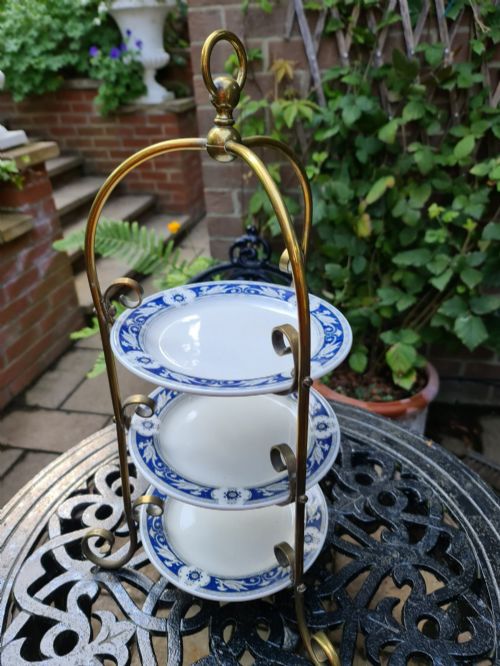
When you search for vintage cake plates, you encounter an array of serving pieces including ceramic dessert services, tiered stands, bread baskets, and tazzas. These items originate from periods spanning the Georgian era through the Art Deco epoch, reflecting shifting dining habits across more than a century.
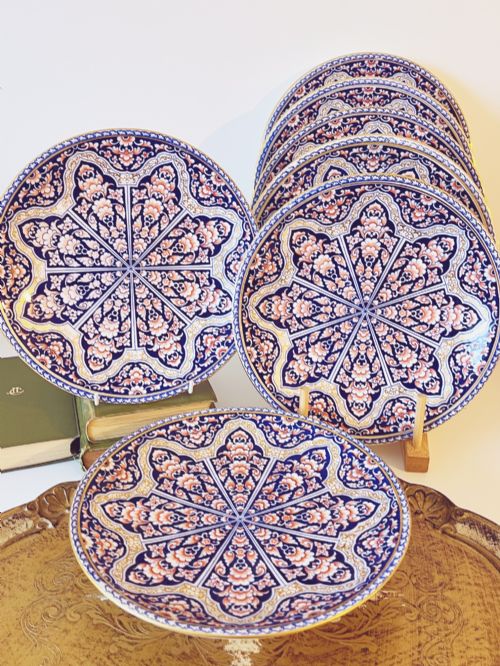
The ceramic examples often appear as part of larger tea or dessert sets manufactured from bone china and porcelain. Maker names such as Royal Crown Derby, Royal Doulton, and Shelley frequently emerge among these ceramic tablewares, alongside Staffordshire potteries.
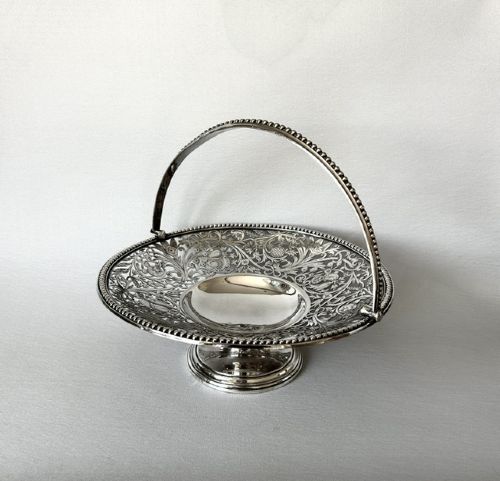
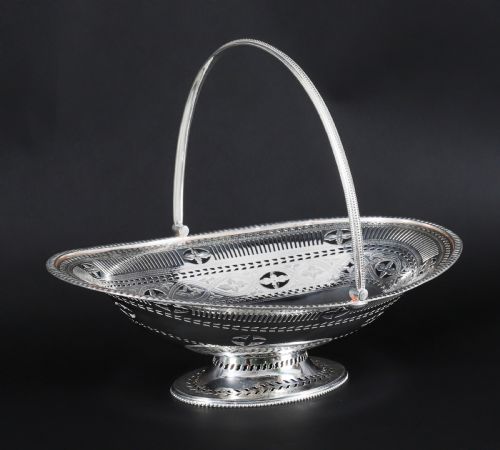
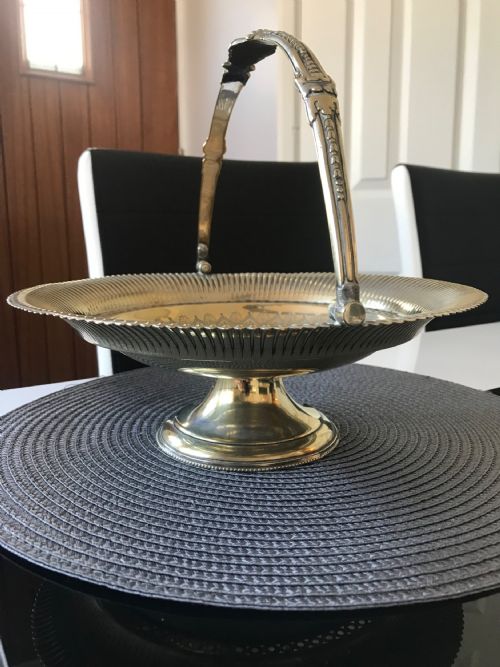
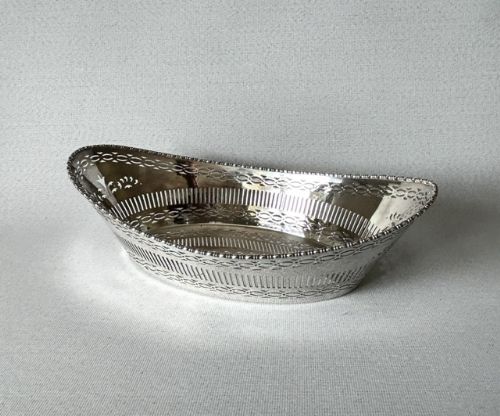
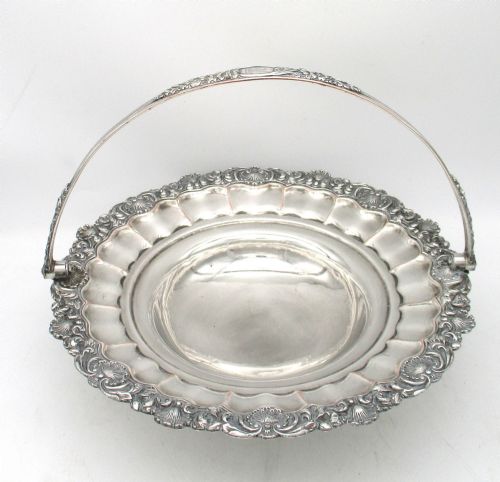
Metal serveware forms a substantial portion of the available items, specifically silver plated, Old Sheffield plated, and solid silver baskets, stands, and servers. Victorian and Edwardian examples dominate the metalwork, utilising pierced designs, wirework, and swing handles.
Materials and construction techniques
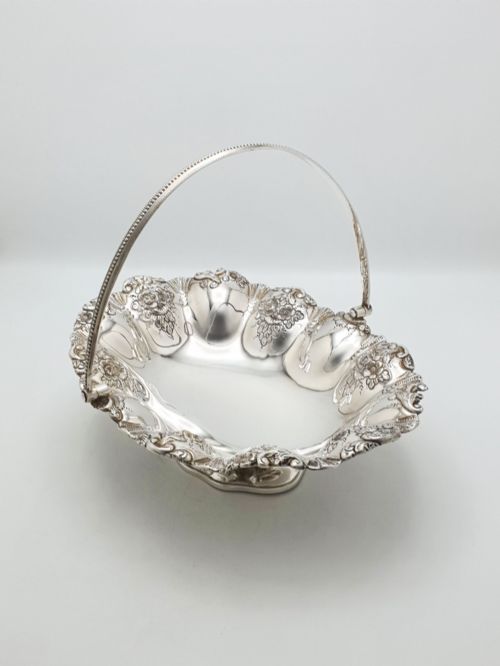
Makers utilised bone china and fine porcelain for ceramic plates and tea services, applying glazes and hand-painted or transferred motifs. Metal pieces relied on silver plate, EPNS, and Old Sheffield Plate over copper bases, often shaped through piercing, wirework, and repoussé decoration.
Timber construction appears in specific serving accessories, demonstrated by solid oak folding stands and circular mahogany cake or cheese stands. Glasswork also contributes to the selection through cut glass dishes intended for table presentation.
Even the tea leaves of the past would approve of finding an original box tucked away with an Art Deco cake stand.
Factors influencing quality and craftsmanship
Quality in these items rests upon the crispness of decorative detailing, such as the depth of floral repoussé work on silver plated rims or the precision of pierced metalwork. Maker attribution to notable firms like Mappin and Webb or Elkington elevates the standing of metal pieces.
Ceramic quality is judged by the fineness of the porcelain body, the clarity of transfer-printed or hand-painted patterns, and the completeness of matched multi-piece services. The integrity of the plating on silver-plated items and the preservation of original boxes also dictate desirability.
Royal Crown Derby·Mappin and Webb·Elkington·James Dixon·Royal Doulton·Wileman Foley Shelley·Gladstone potteries
The Vintage Cake Plates Glossary
- Tazza
- A shallow bowl or plate mounted on a stem and foot, commonly utilised for serving fruit or cakes.
- Old Sheffield Plate
- A composite material formed by fusing a thin sheet of silver to a thicker copper base, produced primarily before modern electroplating methods.
- Repoussé
- A metalworking technique where the decoration is hammered into relief from the reverse side.
- Comport
- A standalone dish or bowl raised on a pedestal, often found as the central piece in a dessert service.
- EPNS
- Electroplated Nickel Silver, a common base metal method utilised for silver-plated wares from the mid-nineteenth century onward.
Vintage Cake Plates: Frequently Asked Questions
What is the difference between Old Sheffield Plate and later silver plate?
Old Sheffield Plate involves a mechanical fusion of silver and copper sheets, creating a layered metal structure characteristic of eighteenth and early nineteenth-century production.
Later items generally utilise electroplating, where a thin layer of silver is deposited onto a base metal using an electrical current.
How do I care for silver plated cake baskets?
Silver plated items require gentle cleaning with appropriate silver polish and soft cloths to preserve the delicate plating over the underlying base metal.
Avoiding harsh abrasives and storing them in dry environments prevents tarnishing and wear on decorative repoussé or pierced rims.
Can I use antique bone china plates for daily dining?
Antique bone china and porcelain plates tolerate careful hand washing and regular use for serving food during meals.
Harsh dishwashers and high heat cycles should be avoided to protect hand-painted glazes and fragile ceramic bodies dating from the nineteenth and early twentieth centuries.
How do I identify the period of a cake stand?
Period identification relies on stylistic indicators such as Victorian Neoclassical motifs, Edwardian floral repoussé work, or geometric Art Deco lines.
Maker marks, registration numbers, and specific manufacturing materials like wirework or Old Sheffield Plate provide further chronological clues.