

White Bone China
White bone china brings together refined English ceramics from Georgian, Victorian, and later periods, offering collectors tea sets, plates, and decorative figures.
White Bone China
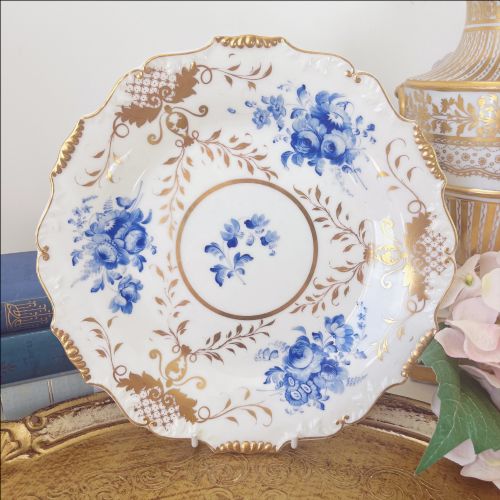
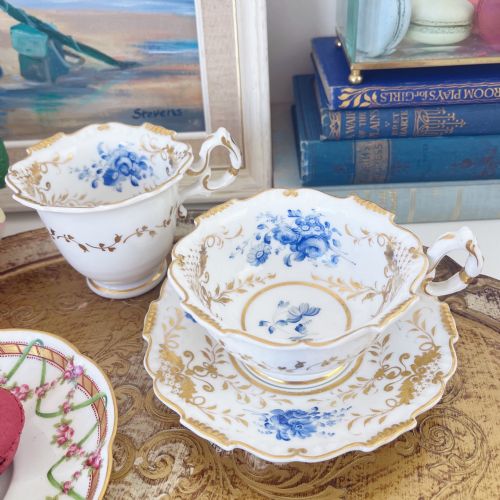
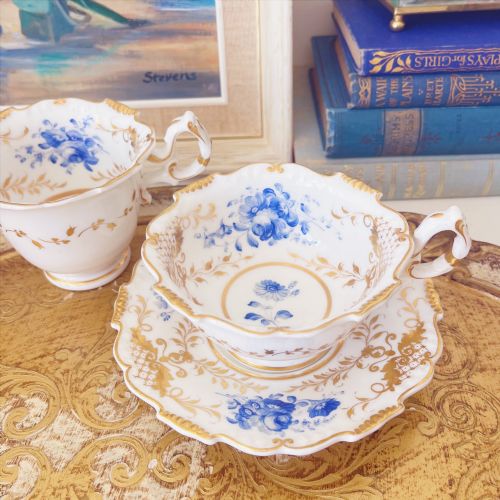
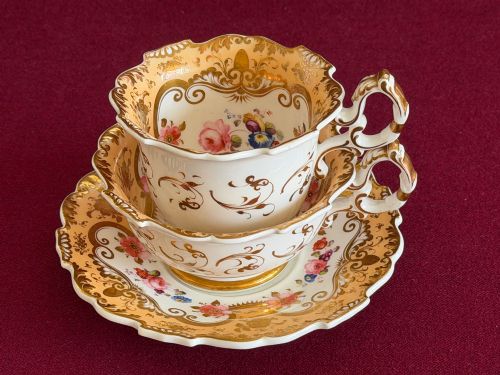
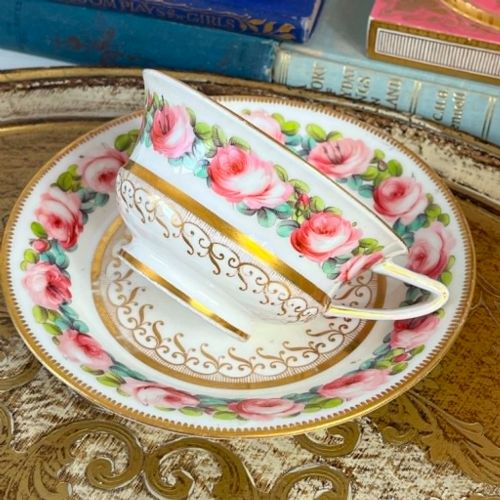
When searching for white bone china, buyers encounter tea services, teacups and saucers, cabinet plates, and decorative figures originating from English factories. The pieces span periods from the Georgian and Regency eras through the Victorian age and into the early twentieth century.
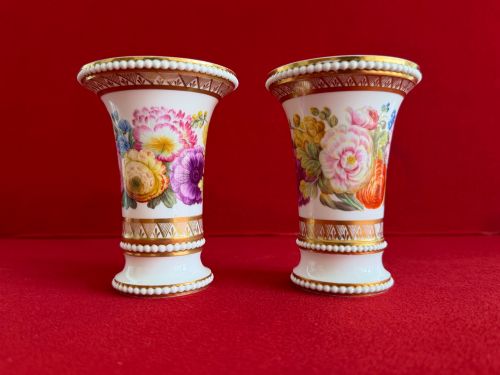
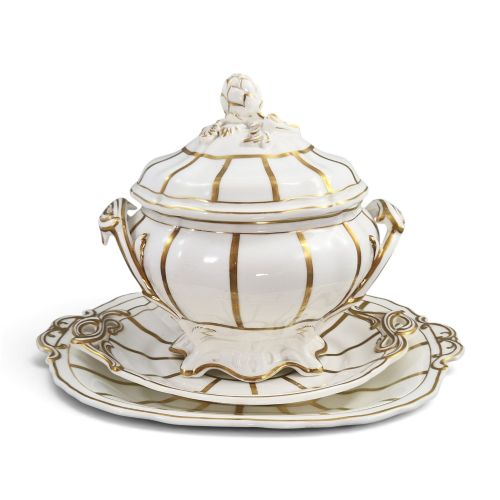
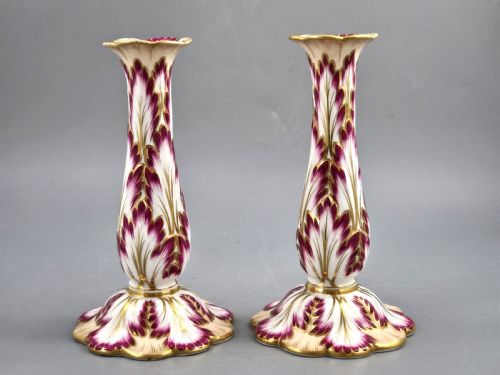
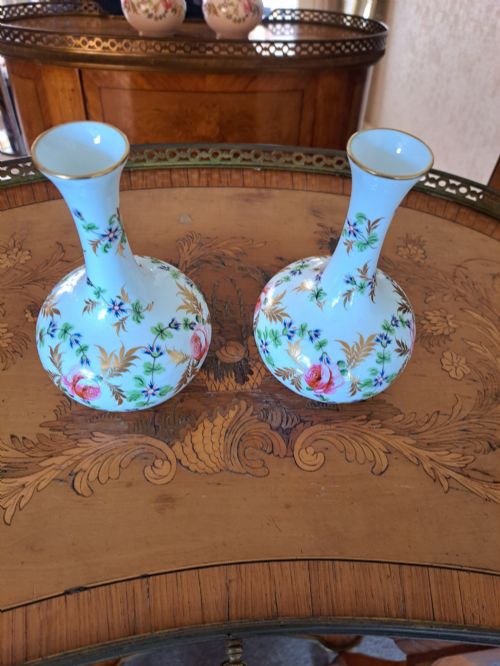
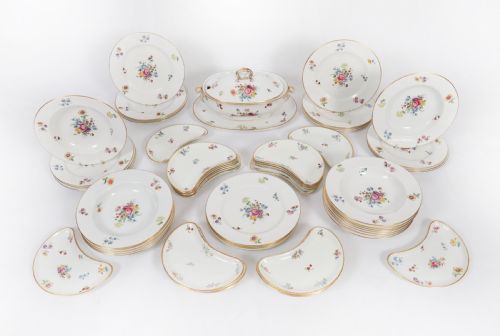
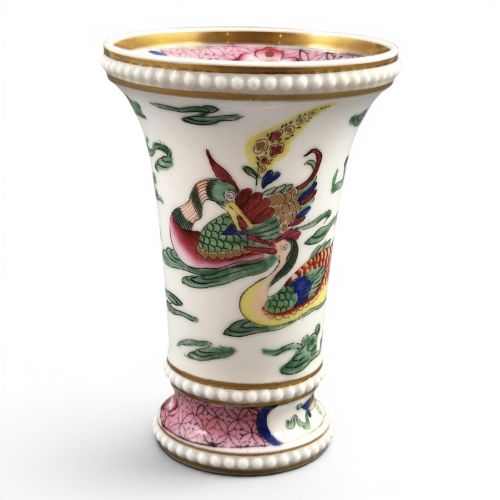
The selection on this page leans heavily toward tea wares and tableware forms such as sugar bowls, jugs, and dinner services. Makers utilised traditional shapes ranging from basketweave plates to spill vases and sauce tureens.
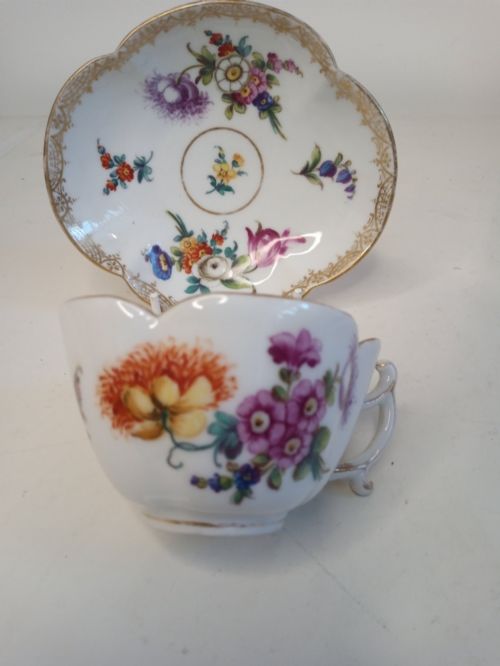
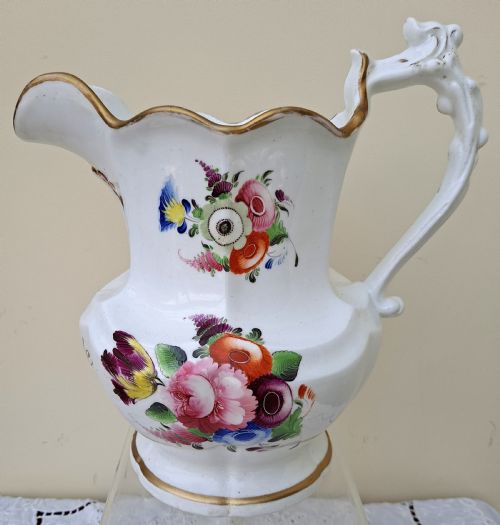
Collector interest centres on handpainted decoration, gilt accents, and specific patterns attributed to historical potteries. These items reflect the domestic dining and tea habits of nineteenth and early twentieth century households.
How they were made
Potters produced bone china by mixing calcined bone ash with china stone and china clay, creating a durable and translucent white body. Artisans applied glaze and handpainted motifs, often incorporating gold leaf and gilding to enhance the decorative surface.
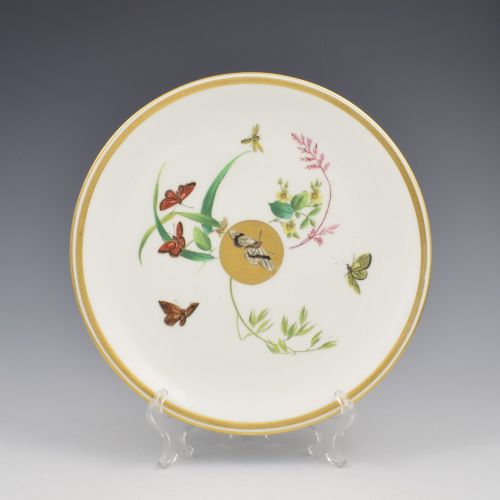
Manufacturing involved throwing or moulding items before kiln firing, followed by detailed enamel painting and subsequent low-temperature firing to fix the colours. Specialised techniques like pate-sur-pate and bat printing appeared on finer cabinet pieces and dessert plates.
Several nineteenth century plates and tea sets proudly display whimsical factory patterns officially titled 'Crazy Cow' and 'Bengal Tiger'.
What varies in quality
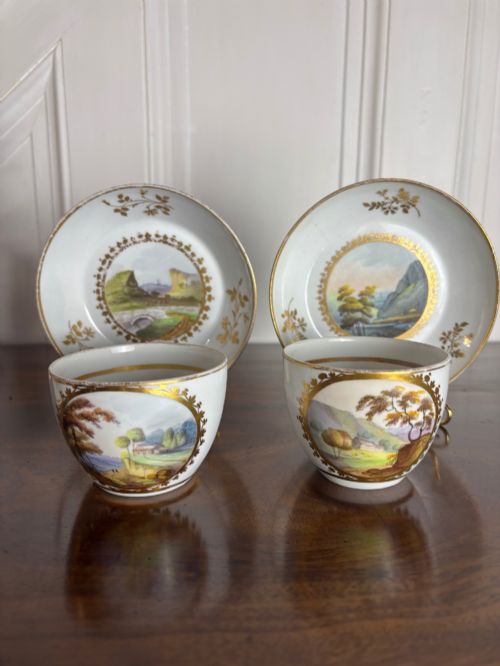
Quality in these ceramics rests upon the precision of the modelling, the translucency of the body, and the execution of handpainted details. Superior examples exhibit crisp painterly control in floral panels, bird studies, or landscape scenes rather than hurried or standard transfer prints.
The sophistication of the gilding and the preservation of gold leaf contribute significantly to a piece's standing. Well-balanced forms with careful attention to decorative borders and pattern registration distinguish the finest factory output from standard utilitarian wares.
H and R Daniel·Derby Porcelain·Davenport·Ridgway·Wedgwood·Minton·Crown Derby·Spode·Coalport·Royal Worcester·Shelley·Flight Barr and Barr·Doulton·Royal Albert Crown China·Rockingham·Yates·Wileman Foley Shelley
The White Bone China Glossary
- Bone china
- A type of porcelain composed of clay, feldspar, and bone ash. This formula creates a strong, white, translucent body suitable for delicate tea wares.
- Gilding
- The application of gold leaf or gold paint to ceramic surfaces. It highlights handles, rims, and decorative borders on cups and plates.
- Sucrier
- A small covered vessel designed for holding sugar. These pieces form part of nineteenth century tea sets.
- Pate-sur-pate
- A ceramic decorating technique where wet white slip is built up in layers on a darker background to create a low relief cameo effect.
- Trio
- A matching set comprising a teacup, a coffee cup, and a saucer. They were common components of Georgian and Regency breakfast and tea services.
White Bone China: Frequently Asked Questions
How do I care for antique tea sets?
Wash these ceramic pieces gently by hand using lukewarm water and mild soap. Avoid dishwashers and harsh scrubbers to protect the delicate enamel and gold leaf.
Store cups and saucers securely without stacking heavy items directly on top of painted surfaces. Proper handling preserves the historic glaze and prevents chips on fragile rims.
Were these items used daily?
Many nineteenth century tea services and dinner plates saw regular use in middle and upper class homes. Tableware was manufactured for dining, entertaining, and formal afternoon tea rituals.
Cabinet plates and decorative figures served a primarily ornamental function in parlours and drawing rooms. Surviving sets often show varying degrees of wear depending on their past domestic role.
How can I tell the period?
Examine the factory marks stamped or painted on the underside of the base, along with the potting style and decorative motifs. Georgian and Regency pieces often feature distinct handpainted pattern numbers and early earthenware or porcelain bodies.
Victorian and Edwardian items display broader decorative movements such as Aesthetic styles or Art Deco geometric patterns. Comparing the form and palette with documented factory timelines helps confirm the date.
What is a porcelain trio?
A trio consists of a teacup, a matching coffee cup, and a saucer designed as a single set. They gained popularity during the Georgian and Regency periods for formal morning or afternoon hospitality.
Collectors prize intact trios because matching cups and saucers often became separated over generations of use. Finding a complete trio offers a complete view of a factory's pattern and shape design.